
Florida, a state renowned for its sun-drenched beaches, vibrant theme parks, and lush natural landscapes, is also famously home to the American alligator. These prehistoric reptiles are an integral part of the Sunshine State’s unique ecosystem, offering visitors an unparalleled opportunity to witness wildlife in its natural habitat. For many travelers, encountering an alligator is a quintessential Florida experience. But with alligators being so widespread, a common question arises: where are alligators in Florida? This comprehensive guide will delve into the prevalence of alligators across the state, highlighting prime locations for sightings, offering essential safety tips, and providing insights into their behavior, all while enriching your Florida travel planning.

Understanding the Alligator’s Habitat in Florida
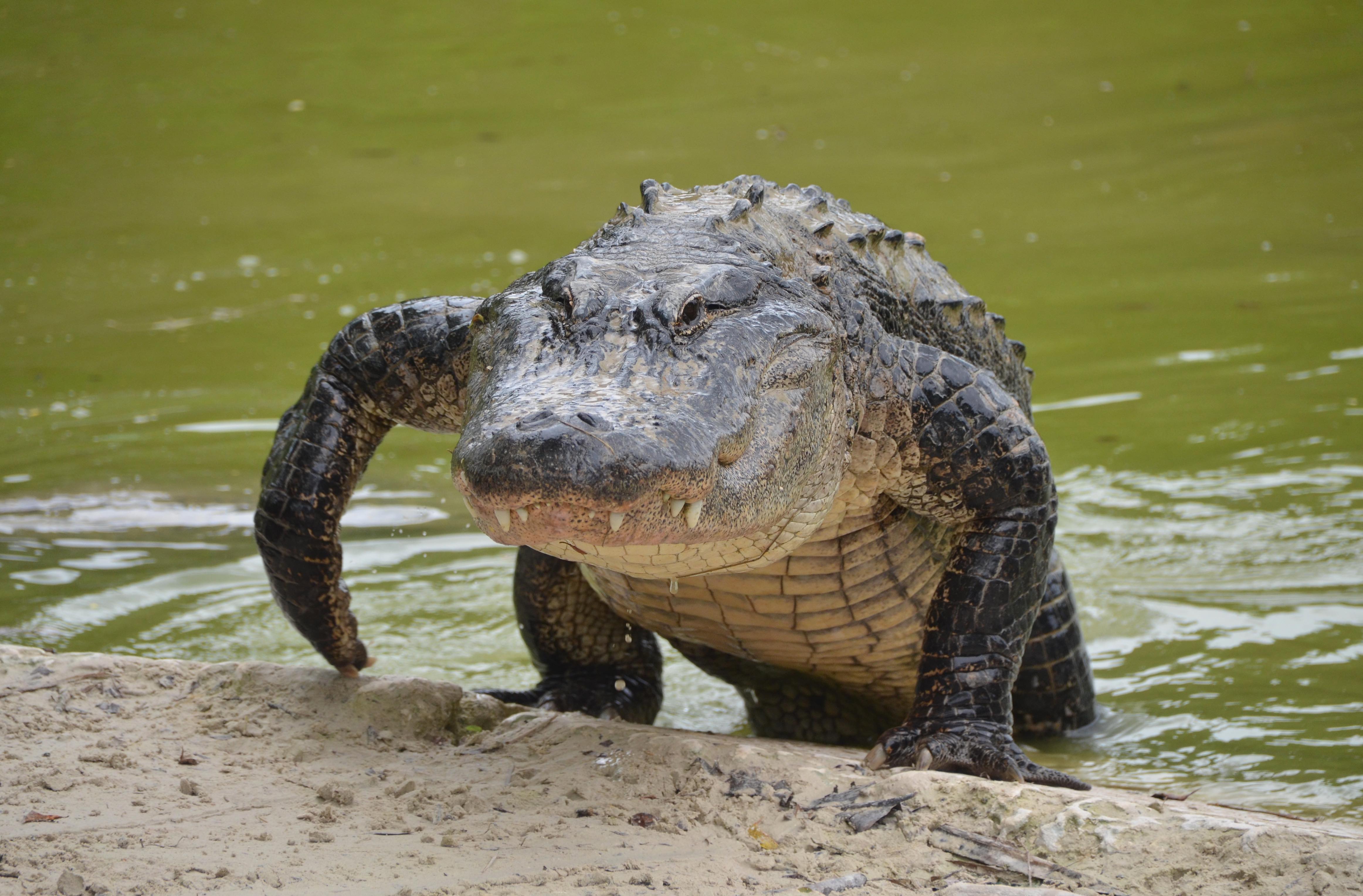
The American alligator (Alligator mississippiensis) is a resilient species that thrives in a variety of freshwater environments. Florida, with its extensive network of lakes, rivers, swamps, marshes, and wetlands, provides an ideal habitat for these apex predators. They are not confined to specific, remote areas; rather, they are found throughout the entire state, from the panhandle down to the Florida Keys.
Freshwater is Key
Alligators are primarily freshwater inhabitants. This means that any body of freshwater in Florida has the potential to be home to an alligator. This includes:
- Swamps and Marshes: These are the alligator’s natural stronghold. Vast expanses like the Everglades National Park and the Big Cypress National Preserve are teeming with them. Smaller, localized wetlands and marshy areas, even those adjacent to urban developments, can also harbor populations.
- Lakes and Ponds: Florida boasts over 30,000 lakes, and it’s highly probable that many of these are home to alligators. From large, well-known lakes to smaller, less-visited ponds, if there’s sufficient water and food sources, you might find an alligator.
- Rivers and Canals: Numerous rivers snake through Florida, and their slow-moving sections, as well as the canals that crisscross the state, particularly in developed areas like Miami and Fort Lauderdale, are common alligator habitats. These canals often connect larger bodies of water and provide accessible hunting grounds.
- Retention Ponds: Even in suburban and urban areas, you’ll find retention ponds, designed to manage stormwater runoff. These often become surprisingly suitable habitats for alligators, especially smaller ones. It’s not uncommon to spot an alligator in a pond in a residential neighborhood or near a golf course.
Salinity Tolerance
While alligators prefer freshwater, they possess a degree of salinity tolerance due to specialized glands in their tongues that excrete excess salt. This allows them to venture into brackish water environments, such as estuaries and mangrove swamps, though they are less common in purely saltwater areas. Coastal areas in the Florida Panhandle and along the Gulf Coast might see occasional alligator presence in these transitional zones.
Prime Locations for Alligator Sightings
While alligators are ubiquitous in Florida, certain locations offer a higher probability of spotting them and provide excellent opportunities for wildlife viewing and education. These destinations often cater to tourists seeking an authentic Florida wildlife experience.
The Everglades: A Reptilian Wonderland
The Everglades National Park is arguably the most iconic destination for alligator viewing. This vast subtropical wilderness, often referred to as the “River of Grass,” is home to a dense population of American alligators.
- Airboat Tours: A quintessential Everglades experience, airboat tours allow you to glide across the shallow waters, offering close-up (but safely distant) views of alligators basking on the banks or swimming in the water. Operators like Coopertown Airboat Tours and Everglades Alligator Farm are popular choices.
- Anhinga Trail: Located in the Royal Palm area of the park, the Anhinga Trail is a boardwalk that winds through a sawgrass marsh. It’s a prime spot for alligator sightings, often with several alligators visible at once, along with numerous other bird species.
- Shark Valley: Another section of the Everglades National Park, Shark Valley offers a 15-mile loop road accessible by tram tours or bicycle. Alligators are frequently seen along the canal that parallels the road.
Other Notable Parks and Preserves
Beyond the Everglades, numerous other state parks and wildlife management areas are excellent for alligator encounters.
- ‘Ocala National Forest’: This vast forest in Central Florida contains numerous lakes, springs, and wetlands that are frequented by alligators. Silver Springs State Park, within the forest, is known for its glass-bottom boat tours that often spot alligators.
- ‘Paynes Prairie Preserve State Park’: Located near Gainesville, this expansive prairie is home to a thriving alligator population. The La Chua Trail is particularly famous for its abundance of alligators and other wildlife.
- ‘Myakka River State Park’: Near Sarasota, this park offers extensive opportunities to see alligators along the Myakka River and in its wetlands. The park’s canopy walkway provides a unique perspective.
- ‘Wakulla Springs State Park’: In North Florida, this park boasts one of the world’s largest and deepest freshwater springs, surrounded by lush forest. Jungle cruise boat tours on the Wakulla River are a fantastic way to see alligators and other wildlife.
Urban and Suburban Alligator Habitats
It’s crucial to remember that alligators aren’t confined to remote wilderness areas. They have adapted remarkably well to human-altered landscapes.
- Golf Courses: Many golf courses in Florida have water hazards that provide attractive habitats for alligators. While it might seem surprising, it’s not uncommon to see them lounging on the greens or fairways.
- Canals and Ditches: As mentioned earlier, the extensive canal systems in cities like Orlando, Tampa, and the coastal communities are prime alligator territory. These are often highly visible and can be observed from bridges or pathways.
- Neighborhood Ponds and Lakes: Residents and visitors alike should be aware that even small, seemingly innocuous bodies of water in residential areas can be home to alligators. Always exercise caution when near any Florida waterway.
Safety First: Respecting Florida’s Apex Predators

While the prospect of seeing alligators is exciting, it’s paramount to prioritize safety. Alligators are wild animals and can be dangerous if provoked or approached. The Florida Fish and Wildlife Conservation Commission (FWC) offers guidelines to ensure safe and respectful interactions.
Never Feed Alligators
This is the single most important rule. Feeding alligators accustomed them to humans, making them less fearful and more likely to approach people. This often leads to dangerous encounters and usually results in the alligator being removed and euthanized. It is illegal in Florida to feed wild alligators.
Maintain a Safe Distance
Alligators are most active during dawn and dusk, but they can be found anywhere at any time. Always observe them from a safe distance. The general rule of thumb is to stay at least 60 feet (18 meters) away from an alligator. If an alligator reacts to your presence, you are too close.
Be Aware of Your Surroundings
When enjoying activities like boating, fishing, or swimming, be mindful of where you are. Avoid swimming in areas where alligators are known to inhabit, especially at night. Keep pets on a leash and never let them swim unsupervised in areas where alligators might be present.
Driving Safely
During mating season (spring) and when young alligators are dispersing (summer), you might encounter alligators crossing roads, particularly at night. Drive cautiously, especially near water bodies, and be prepared to stop or steer around them if it is safe to do so.
Reporting Problem Alligators
If you encounter an alligator that appears to be a threat to people or pets, or is in an unusual location (like a busy street or a schoolyard), do not attempt to handle it yourself. Contact the Florida Fish and Wildlife Conservation Commission’s Nuisance Alligator Hotline.
Alligator Behavior and Viewing Tips
Understanding alligator behavior can enhance your viewing experience and ensure your safety. Alligators are ectothermic, meaning they rely on external sources to regulate their body temperature.
Basking: Sunbathing for Survival
You’ll often see alligators basking in the sun, especially on logs, riverbanks, or floating vegetation. This behavior is crucial for them to warm up their bodies, which helps with digestion and overall activity. During cooler months, they might enter a state of brumation, becoming less active.
Hunting and Feeding
Alligators are opportunistic predators, feeding on fish, birds, mammals, and other reptiles. Their hunting strategy often involves stealth and ambush. You might witness them lurking just below the water’s surface, with only their eyes and nostrils visible.
Mating and Nesting
The mating season typically occurs in the spring, characterized by courtship rituals and aggressive territorial displays. Females build nests of vegetation and mud to lay their eggs, usually in late spring or early summer. Nesting sites are typically in vegetated areas near water.
Viewing Tips for Travelers
- Bring Binoculars: While some alligators are easily spotted, binoculars will allow you to observe them from a greater distance without disturbing them.
- Visit During Warmer Months: Alligators are generally more active during the warmer months of the year, from spring through fall.
- Consider Guided Tours: For a safe and informative experience, consider booking an airboat tour, guided nature walk, or kayak tour with experienced local guides. They know the best spots and can offer valuable insights into alligator behavior and ecology.
- Patience is Key: Wildlife viewing requires patience. Don’t be discouraged if you don’t see an alligator immediately. Sometimes, the best sightings come after a period of quiet observation.
By understanding where to find alligators in Florida and by respecting their wild nature, visitors can have unforgettable encounters with these magnificent creatures. Whether you’re exploring the vast wetlands of the Everglades, cruising along a scenic river, or simply observing a local retention pond, the chances are high that you’ll catch a glimpse of Florida’s most iconic reptile. Remember to always prioritize safety and contribute to the preservation of this incredible species and its habitat for generations to come.
LifeOutOfTheBox is a participant in the Amazon Services LLC Associates Program, an affiliate advertising program designed to provide a means for sites to earn advertising fees by advertising and linking to Amazon.com. Amazon, the Amazon logo, AmazonSupply, and the AmazonSupply logo are trademarks of Amazon.com, Inc. or its affiliates. As an Amazon Associate we earn affiliate commissions from qualifying purchases.