
Colorado is a state renowned for its breathtaking natural beauty, from the towering peaks of the Rocky Mountains National Park to its vibrant cities and charming mountain towns. Millions flock here annually for hiking, skiing, sightseeing, and a myriad of outdoor adventures. However, like many Western states, Colorado is also susceptible to wildfire season, a natural, albeit often destructive, phenomenon that can significantly impact travel plans and experiences. For prospective and current visitors, understanding “Where are Colorado fires?” is not just a matter of curiosity, but a critical component of responsible and safe travel planning.
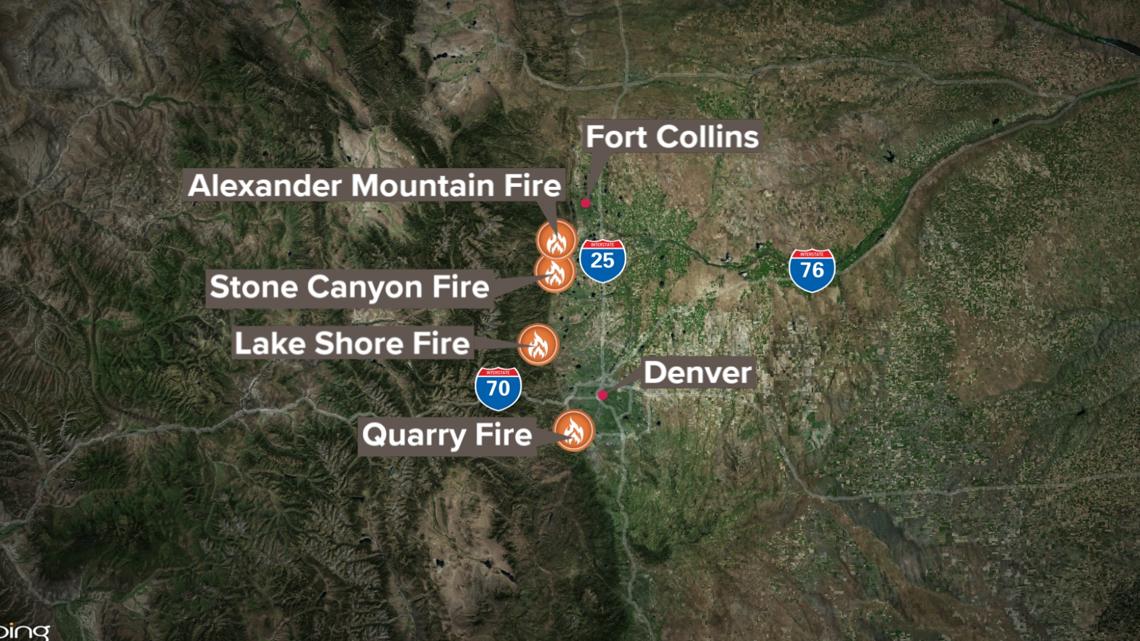
This article serves as an insightful guide for travelers, delving into the intricacies of Colorado’s wildfire landscape, the essential resources for staying informed, and how to adapt your travel plans to ensure a memorable and secure journey amidst dynamic environmental conditions. By approaching travel with awareness and flexibility, visitors can continue to enjoy the immense beauty and adventure that Colorado offers, even during challenging seasons.
Understanding Colorado’s Wildfire Landscape
Colorado’s diverse geography and climate contribute to its vulnerability during wildfire season. Knowing the patterns and potential impacts can help travelers make informed decisions.
Seasonal Patterns and Geographic Vulnerabilities
Wildfire season in Colorado typically runs from late spring through fall, though conditions can extend this window depending on snowpack, drought severity, and unusual weather patterns. The peak months often occur during the hottest and driest periods, usually July, August, and September. Factors such as prolonged drought, high temperatures, strong winds, and lightning strikes are primary catalysts.
Geographically, certain areas are historically more prone to significant fire activity. The densely forested regions, particularly the montane and subalpine zones, are at higher risk. These include vast expanses like the Roosevelt National Forest and the White River National Forest, which encompass popular recreational areas. The Front Range foothills, bordering major metropolitan areas like Denver and Boulder, are also frequently impacted due to the wildland-urban interface, where development meets natural landscapes. Western Slope communities, with their drier climates and expanses of pinyon-juniper and sagebrush, also face considerable risk. Understanding these general patterns helps travelers assess the ambient risk for their chosen destinations.
The Impact Beyond Immediate Flames
While the immediate danger of fire itself is paramount, the effects of wildfires extend far beyond the burn perimeter, significantly influencing travel. Smoke, for instance, can travel hundreds of miles, causing poor air quality even in areas far from an active blaze. This can lead to respiratory issues, reduced visibility, and a diminished outdoor experience. Travelers planning strenuous outdoor activities like hiking or cycling must consider air quality advisories.
Road closures are another major concern. Major highways and scenic byways, such as sections of I-70 or U.S. 285, can be shut down for safety, rerouting travelers and adding significant delays. National and state parks, including popular attractions, often close trails, campgrounds, or entire sections to protect visitors and facilitate firefighting efforts. This directly impacts itineraries, potentially forcing cancellations or major alterations to planned activities. Local economies in affected areas can also suffer, impacting services and amenities available to tourists. Recognizing these ripple effects is crucial for comprehensive travel planning.
Essential Resources for Travelers: Staying Informed
Accurate, real-time information is a traveler’s best asset during wildfire season. Relying on official and verified sources is paramount to making safe decisions.
Official Incident Tracking Websites
To determine “Where are Colorado fires?” and their current status, several key resources should be consulted:
- InciWeb (Incident Information System): This is a national interagency incident management system that provides detailed information on large active wildfires, including location, size, containment, resources assigned, closures, and evacuation orders. It’s often the most comprehensive source for major incidents.
- Colorado Division of Fire Prevention and Control: This state agency provides updates on fire incidents, fire restrictions, and prevention efforts across Colorado. Their website is a valuable resource for statewide conditions.
- Local County Sheriff’s Offices and Emergency Management Websites: For very localized information, including specific evacuation zones or road closures within a county, the respective county sheriff’s office or emergency management agency websites are the most authoritative.
Air Quality and Road Conditions
Beyond fire locations, understanding the broader environmental impacts is vital for travelers.
- AirNow: This platform, a partnership of the U.S. Environmental Protection Agency, offers real-time air quality data across the country. It provides a visual map showing air quality indexes (AQI), which can help travelers assess if outdoor activities are safe or advisable in a given area.
- Colorado Department of Transportation (CDOT): For up-to-the-minute information on road closures, detours, and traffic impacts due to fires or other incidents, CDOT’s traveler information map is indispensable. Checking this before heading out on any drive is critical.
Leveraging Local News and Social Media
While official sites are paramount, local news outlets and social media can offer real-time perspectives and community-level details not found elsewhere. Follow reputable sources such as the Denver Post, Colorado Public Radio, and local television stations. Additionally, many official agencies (e.g., U.S. Forest Service, National Park Service, local fire departments, sheriff’s offices) maintain active social media accounts (Facebook, X/Twitter) that provide timely updates and emergency alerts. Always verify information from social media against official sources.

Adapting Your Colorado Travel Plans
Flexibility and preparedness are key when traveling in Colorado during fire season. Proactive planning can minimize disruptions and enhance safety.
Pre-Trip Planning and Flexibility
Before booking your trip, thoroughly research the typical fire season for your chosen travel dates and destinations. Look at historical fire activity in those areas. Consider purchasing travel insurance that covers fire-related cancellations or disruptions, ensuring you understand the policy’s specific terms regarding natural disasters.
When planning your itinerary, build in flexibility. Have alternative destinations or activities in mind, especially if your primary focus is on a high-risk area. For instance, if your heart is set on a specific hiking trail that often experiences closures, have a backup plan involving another region or indoor attractions. Be prepared to change routes or even postpone your trip if conditions escalate.
On-the-Ground Adjustments
If fires emerge or conditions worsen during your trip, act swiftly and calmly. Stay continuously updated using the resources mentioned above. If you receive an evacuation order, follow it immediately and without hesitation. Pack an emergency kit in your vehicle, including water, snacks, first aid, and copies of important documents.
Be mindful of your surroundings. If you see smoke, even if it’s distant, check official sources. Adjust outdoor activities if air quality is poor; opt for indoor museums, breweries, or art galleries instead. Always heed local authorities’ warnings and directives, as their primary concern is public safety.
Responsible Tourism in Fire-Prone Areas
Travelers play a crucial role in fire prevention. Adhere strictly to any fire bans or restrictions, which often prohibit campfires, charcoal grills, or even smoking in designated areas. Practice Leave No Trace principles rigorously, ensuring all potential ignition sources are properly managed or avoided. If you are camping, always fully extinguish your campfire, making sure it is cold to the touch. Report any suspicious smoke or fire activity immediately to 911. By being a responsible visitor, you contribute to protecting Colorado’s natural treasures for future generations.
Exploring Safe & Accessible Colorado Destinations
While wildfires present challenges, [Colorado](https://lifeoutofthebox.com/colorado] remains a vast and diverse state, and often, many areas are entirely unaffected or quickly recover, offering myriad opportunities for travelers.
Regions Less Affected or Recovered
It’s important to remember that “Where are Colorado fires?” often means specific, localized areas. The entire state is rarely under severe threat simultaneously. Urban centers like Denver, Colorado Springs, Fort Collins, and Boulder typically offer robust travel experiences even during wildfire season, as they are often far enough removed from major forest fires, though they may experience smoke. These cities boast museums, culinary scenes, breweries, and cultural events that are largely unaffected by distant wildfires.
Additionally, some mountain ranges or specific valleys might have lower fire risk due to elevation, consistent moisture, or differing vegetation. When planning, research specific areas that have historically demonstrated resilience or have a lower propensity for fire. Communities that have experienced fires often put significant effort into recovery and welcome tourists whose visits help rebuild local economies. Always check current conditions for specific destinations rather than making assumptions about the entire state.
Alternative Activities and Indoor Attractions
Should outdoor activities be curtailed due to smoke or fire closures, Colorado offers a wealth of indoor and lower-risk alternatives. Cities are rich with attractions:
- Museums: Explore the Denver Art Museum, the Denver Museum of Nature & Science, or the U.S. Olympic & Paralympic Museum in Colorado Springs.
- Breweries and Distilleries: Colorado is a craft beverage mecca, with countless breweries in Fort Collins, Denver, Boulder, and beyond offering tours and tastings.
- Shopping and Dining: Enjoy the vibrant culinary scenes and unique boutiques in downtown areas like Larimer Square in Denver or Pearl Street Mall in Boulder.
- Performing Arts: Catch a show at the Denver Center for the Performing Arts or a concert at one of the state’s many venues.
These options ensure that your Colorado travel experience remains rich and enjoyable, even when outdoor conditions are challenging.

Traveling Thoughtfully in Colorado’s Dynamic Landscape
Understanding “Where are Colorado fires?” is a fundamental aspect of modern travel planning in the American West. While the prospect of wildfires can seem daunting, it doesn’t diminish Colorado’s allure as a premier travel destination. Instead, it underscores the importance of preparedness, adaptability, and informed decision-making. By utilizing official resources, staying flexible with itineraries, and practicing responsible tourism, visitors can navigate Colorado’s dynamic landscape safely and thoughtfully. The state’s resilience and its community’s dedication to visitor safety ensure that with careful planning, your adventure in the Centennial State will be both memorable and fulfilling.
LifeOutOfTheBox is a participant in the Amazon Services LLC Associates Program, an affiliate advertising program designed to provide a means for sites to earn advertising fees by advertising and linking to Amazon.com. Amazon, the Amazon logo, AmazonSupply, and the AmazonSupply logo are trademarks of Amazon.com, Inc. or its affiliates. As an Amazon Associate we earn affiliate commissions from qualifying purchases.