
Colorado, the Centennial State, is renowned for its majestic Rocky Mountains, pristine wilderness, and vibrant cities like Denver and Boulder. It’s a premier destination for outdoor enthusiasts, adventure seekers, and those looking for a serene escape. However, like many western U.S. states, Colorado faces the annual challenge of wildfires. For travelers planning their dream vacation, understanding “where are Colorado wildfires?” is crucial for ensuring a safe, enjoyable, and uninterrupted experience. This guide from Life Out of the Box aims to provide comprehensive insights, advice, and resources to help you confidently plan your next Colorado adventure, focusing on travel, accommodation, and tourism in the context of wildfire season.

Understanding Wildfires in Colorado: A Traveler’s Perspective
Wildfires are a natural, albeit sometimes devastating, part of the ecosystem in Colorado. Fuelled by dry conditions, high winds, and an abundance of forest vegetation, they can occur across various regions. For travelers, the concern isn’t just about direct danger but also about air quality, road closures, and the potential impact on planned attractions and experiences.
The Seasonal Rhythms of Colorado’s Wildfires
Colorado’s wildfire season doesn’t strictly adhere to a calendar, but generally, the highest risk periods are during the late spring, summer, and early fall, roughly from May through October. This aligns perfectly with the peak tourism season when visitors flock to the state for hiking, camping, mountain biking, and exploring Colorado’s magnificent national parks and forests. Factors like persistent drought conditions, above-average temperatures, and strong frontal systems can extend or intensify the season. Early snowmelt can also contribute to drier conditions earlier in the year.
While most fires are caused by human activity (unattended campfires, discarded cigarettes, sparks from equipment), natural phenomena like lightning strikes also play a significant role, especially in remote, high-altitude areas. Understanding this seasonality allows travelers to better prepare and adjust their plans accordingly, keeping an eye on forecasts and official alerts as their departure date approaches.
Key Regions and How They’re Affected
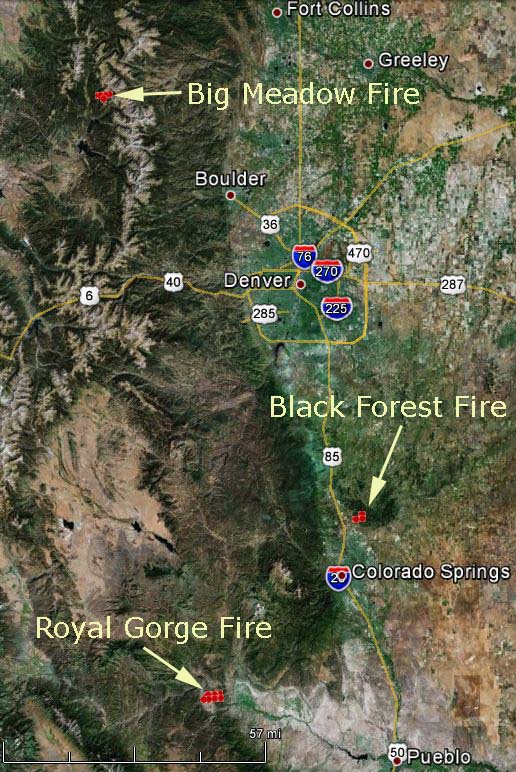
No single region in Colorado is immune to wildfires, but some areas, particularly those with vast stretches of pine forests and challenging terrain, are more prone. Historically, areas like the Front Range (west of Denver, Boulder, and Colorado Springs), the Western Slope (near Grand Junction and Durango), and the Southwest (including Pueblo and surrounding areas) have experienced significant wildfire activity.
Major fires can impact access to beloved landmarks and national parks such as Rocky Mountain National Park, Mesa Verde National Park, and numerous National Forests like the White River National Forest and the Pike National Forest. Road closures, especially along scenic byways and mountain passes like Trail Ridge Road or Independence Pass, are common during active fires. Even if a fire isn’t directly threatening a popular tourist spot, smoke plumes can travel hundreds of miles, causing hazy skies, reduced visibility, and poor air quality, which can be particularly concerning for individuals with respiratory conditions. Resorts like Vail and Aspen, while often less directly impacted due to their developed nature, can still experience air quality issues or suffer from reduced visitation if major access routes are affected. Understanding these regional risks helps travelers make informed decisions about their itinerary, potentially rerouting to less affected areas or postponing trips to specific locales.
Planning Your Trip: Staying Informed and Staying Safe
Travel to Colorado during wildfire season doesn’t have to be daunting. With proper preparation and a commitment to staying informed, you can still have an incredible experience. The key is proactive planning and flexibility.
Essential Resources for Real-Time Updates
The most crucial aspect of safe travel during wildfire season is access to accurate, up-to-date information. Relying on official sources is paramount:
- InciWeb: This interagency incident information system (inciweb.nwcg.gov) provides details on active wildfires across the U.S., including incident specifics, maps, closures, and evacuation information. It’s an indispensable tool for understanding the scope and location of current fires.
- National Weather Service (NWS): The NWS issues red flag warnings for critical fire weather conditions, which indicate high potential for new ignitions or rapid fire spread. Their local Colorado offices provide detailed weather forecasts, including wind patterns and drought conditions.
- State and Local Emergency Management Agencies: The Colorado Division of Homeland Security and Emergency Management often provides statewide alerts and resources. Local county sheriff offices and emergency services websites will have the most immediate information regarding specific closures and evacuations in their jurisdictions.
- Colorado Department of Transportation (CDOT): For road conditions and closures, CDOT’s Cotrip.org website is an invaluable resource. This site provides real-time updates on highways and mountain passes, crucial for navigating the state.
- Air Quality Monitoring: Websites like AirNow.gov provide real-time Air Quality Index (AQI) data, which is essential for determining if smoke might impact your outdoor activities or health.
- National Park Service and U.S. Forest Service Websites: If your plans include visiting specific national parks or national forests, always check their official websites for current conditions, fire restrictions (like campfire bans), and any area closures.
Regularly consulting these sources before and during your trip allows you to adjust your itinerary proactively, avoiding areas that are unsafe or experiencing poor conditions.
Protecting Your Health and Travel Itinerary
Beyond knowing where the fires are, understanding how to mitigate their effects on your health and trip plans is vital.
- Health Precautions: Smoke from wildfires contains fine particulate matter that can irritate the eyes, throat, and lungs. Individuals with asthma, chronic obstructive pulmonary disease (COPD), heart disease, pregnant women, and young children are particularly vulnerable. If smoke is present, consider reducing outdoor activities, keeping windows closed, and using air purifiers in your accommodation. Packing N95 masks can be a wise precaution.
- Flexibility in Itinerary: Be prepared to be flexible. A specific hiking trail or campground might be closed due to fire activity or restrictions. Have backup plans for indoor attractions or alternative destinations if your initial plans are disrupted. Many Colorado cities offer excellent museums, art galleries, breweries, and culinary experiences that make great alternatives.
- Travel Insurance: Consider purchasing travel insurance that covers delays, cancellations, or changes to your itinerary due to natural disasters like wildfires. Review policy details carefully to understand what is and isn’t covered. This provides a valuable safety net for your investment in your trip.
Beyond the Headlines: Discovering Colorado’s Resilient Beauty
While headlines might focus on active fires, it’s important to remember that Colorado is a vast state, and often, only a small percentage of its expansive wilderness and populated areas are directly affected at any given time. Many regions remain pristine, offering incredible tourism experiences.
Alternative Destinations and Experiences
If a particular area is impacted, don’t despair; Colorado has a wealth of alternative destinations.
- Eastern Plains: Often overlooked, Colorado’s eastern plains offer a unique perspective on the state, with historical sites, vast open spaces, and charming small towns like Lamar or Burlington. These areas are generally at lower risk for large-scale forest fires.
- Urban Adventures: Cities like Denver, Boulder, Fort Collins, and Colorado Springs boast world-class museums, diverse dining scenes, vibrant arts districts, and numerous parks. The Denver Art Museum, Garden of the Gods in Colorado Springs, or a brewery tour in Fort Collins can provide memorable experiences even if mountain trails are temporarily inaccessible.
- High-Altitude Sanctuaries: Often, the highest elevation areas might be less affected by smoke or fire, especially early in the season. Consider destinations like Leadville, Ouray, or the San Juan Mountains, which offer stunning vistas and unique attractions. Always check local conditions before heading out.
- Lakes and Rivers: Many of Colorado’s lakes and rivers, such as those along the Colorado River or Blue Mesa Reservoir, offer opportunities for boating, fishing, and paddleboarding that might be less impacted by forest fire closures.
By focusing on the diverse offerings of the state, travelers can still create an incredible itinerary that supports Colorado’s tourism industry while prioritizing safety.
Supporting Local Communities Through Responsible Travel
When fires occur, local communities, especially those reliant on tourism, can face significant economic hardship. Choosing to visit Colorado during these times, while staying safe and informed, can be a powerful way to support recovery efforts.
- Shop Local: Patronize local businesses, restaurants, and shops. Your tourism dollars directly support the livelihoods of residents.
- Stay in Local Hotels/Accommodations: Book your stay with local hotels, bed and breakfasts, or vacation rentals. This helps keep local hospitality workers employed and generates tax revenue for the community. Consider boutique hotels or resorts that offer unique Colorado experiences. For example, a stay at the Hotel Jerome in Aspen or the Broadmoor in Colorado Springs supports local jobs and infrastructure.
- Follow Fire Restrictions: Adhering strictly to fire bans and restrictions (e.g., no campfires outside developed areas, restrictions on charcoal grills, avoiding activities that could spark a fire) is the most direct way a traveler can help prevent further devastation. This demonstrates responsible tourism and respects the natural environment and local communities.
- Leave No Trace: Always practice Leave No Trace principles to minimize your impact on the environment and reduce the risk of accidental fires.
Accommodation and Lifestyle Considerations During Wildfire Season
Your choice of accommodation and how you approach your daily lifestyle during your trip can significantly impact your comfort and safety during wildfire season.
Booking Smart: Flexibility and Cancellation Policies
When booking hotels, resorts, or other accommodation in Colorado, especially during the summer and fall, prioritize flexibility.
- Flexible Cancellation Policies: Look for hotels or vacation rentals that offer free cancellation up to a few days before your arrival. Many reputable hotel chains like Marriott, Hilton, or Hyatt often provide such options, giving you peace of mind if conditions change rapidly.
- Understand Booking Terms: Read the fine print of any booking, especially with smaller, independent accommodations or platforms like Airbnb. Clarify their policies regarding cancellations or refunds due to natural disasters or poor air quality.
- Direct Bookings: Sometimes, booking directly with a hotel allows for more direct communication and potentially more flexible arrangements than third-party sites.
- Consider Urban Stays: If your primary goal is outdoor recreation, but you’re concerned about wildfires, consider basing yourself in a larger city like Denver or Colorado Springs. These locations typically have better infrastructure to handle smoke events and offer a wider range of indoor attractions. From here, you can take day trips to areas with clearer skies.
Embracing Colorado’s Culture Beyond the Outdoors
Colorado’s appeal extends far beyond its mountain trails and ski slopes. A wildfire-conscious lifestyle during your trip might mean shifting focus from intense outdoor activities to exploring the state’s rich culture, history, and urban vibrancy.
- Culinary Scene: Colorado’s food scene is thriving, from farm-to-table restaurants in Denver to artisan eateries in mountain towns. Enjoy indoor dining experiences that highlight local ingredients and innovative chefs.
- Arts and History: Dive into the state’s artistic and historical heritage. Visit the Denver Museum of Nature & Science, the Rocky Mountain Quilt Museum in Golden, or explore the historic downtowns of Ouray and Telluride.
- Breweries and Distilleries: Colorado is a craft beer paradise. Embark on a brewery or distillery tour in cities like Fort Collins or Boulder, an ideal indoor activity.
- Wellness and Spas: Many Colorado resorts and hotels offer luxurious spa treatments and wellness programs. Consider a relaxing day at a hot springs resort like Glenwood Hot Springs Resort or Pagosa Springs for a rejuvenating experience.
By broadening your focus, you can discover an entirely different dimension of Colorado that is less susceptible to the direct impacts of wildfires, ensuring a rich and memorable trip regardless of the outdoor conditions.
The Future of Colorado Travel: Prevention and Sustainable Tourism
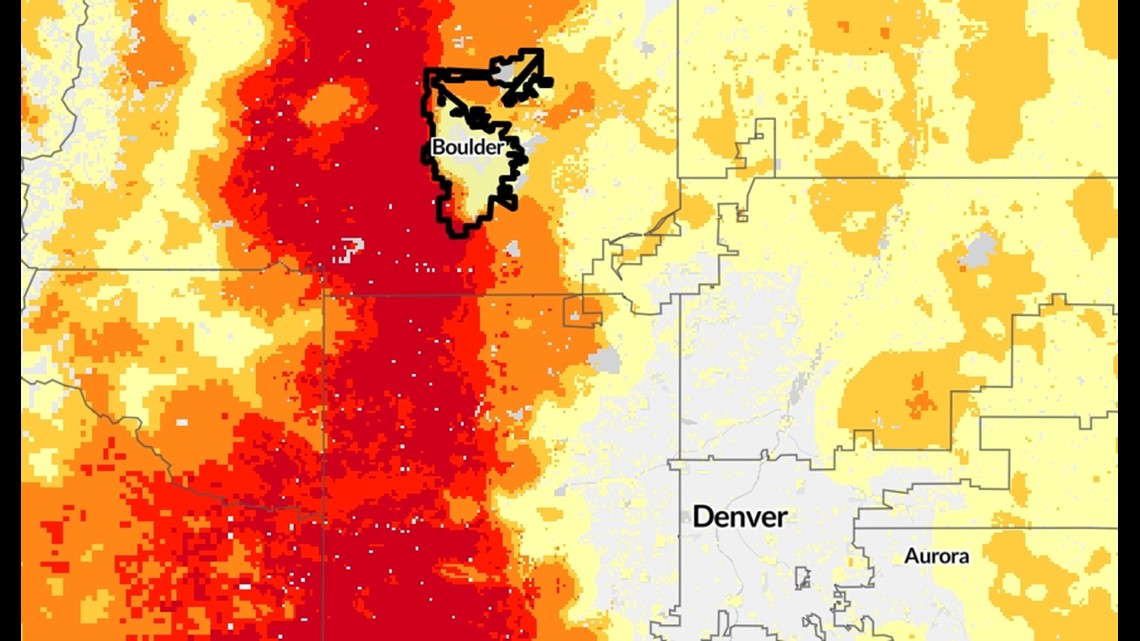
The increasing frequency and intensity of wildfires in Colorado underscore the importance of sustainable tourism practices and ongoing prevention efforts. As travelers, our choices can contribute positively to these initiatives.
The state and federal agencies are continuously working on forest management strategies, including controlled burns and clearing hazardous fuels, to reduce wildfire risk. Research into fire-resistant building materials and early detection systems is also progressing. However, public awareness and participation are crucial.
As a visitor, you are an essential partner in these efforts. Beyond following fire restrictions, consider educating yourself about the causes of wildfires and sharing responsible travel practices with others. Support tourism businesses and organizations that demonstrate a commitment to environmental stewardship and sustainability.
While the question “where are Colorado wildfires?” remains a constant consideration for visitors, it should not deter you from experiencing the beauty and wonder of the Centennial State. With careful planning, flexibility, and a commitment to responsible tourism, your next Colorado adventure can be both safe and unforgettable, allowing you to appreciate its resilient natural landmarks and vibrant culture. Colorado eagerly awaits your visit, inviting you to discover its charm responsibly and safely, one incredible experience at a time.
LifeOutOfTheBox is a participant in the Amazon Services LLC Associates Program, an affiliate advertising program designed to provide a means for sites to earn advertising fees by advertising and linking to Amazon.com. Amazon, the Amazon logo, AmazonSupply, and the AmazonSupply logo are trademarks of Amazon.com, Inc. or its affiliates. As an Amazon Associate we earn affiliate commissions from qualifying purchases.