
California, with its diverse landscapes ranging from pristine beaches to towering mountain ranges, remains an unparalleled travel destination. However, the state’s natural beauty also comes with the annual challenge of wildfire season, typically spanning from late spring through fall. For travelers planning a trip to the Golden State, understanding the current wildfire situation is paramount for ensuring a safe and enjoyable experience. Staying informed allows visitors to make responsible decisions, safeguard their well-being, and contribute to the resilience of local communities.
Understanding the California Wildfire Landscape
Wildfires are a natural, albeit increasingly intense, part of California’s ecosystem. Fueled by dry vegetation, high temperatures, and strong winds, they can spread rapidly, leading to evacuations, road closures, and significant impacts on air quality. While some fires can be contained quickly, others grow into major incidents, affecting vast areas and requiring extensive resources. It’s crucial for travelers to recognize that a fire in one part of the state does not necessarily mean the entire state is affected. California is a vast state, and localized incidents often leave numerous popular destinations untouched. The key is precise information and understanding where exactly an incident is occurring relative to your planned itinerary.
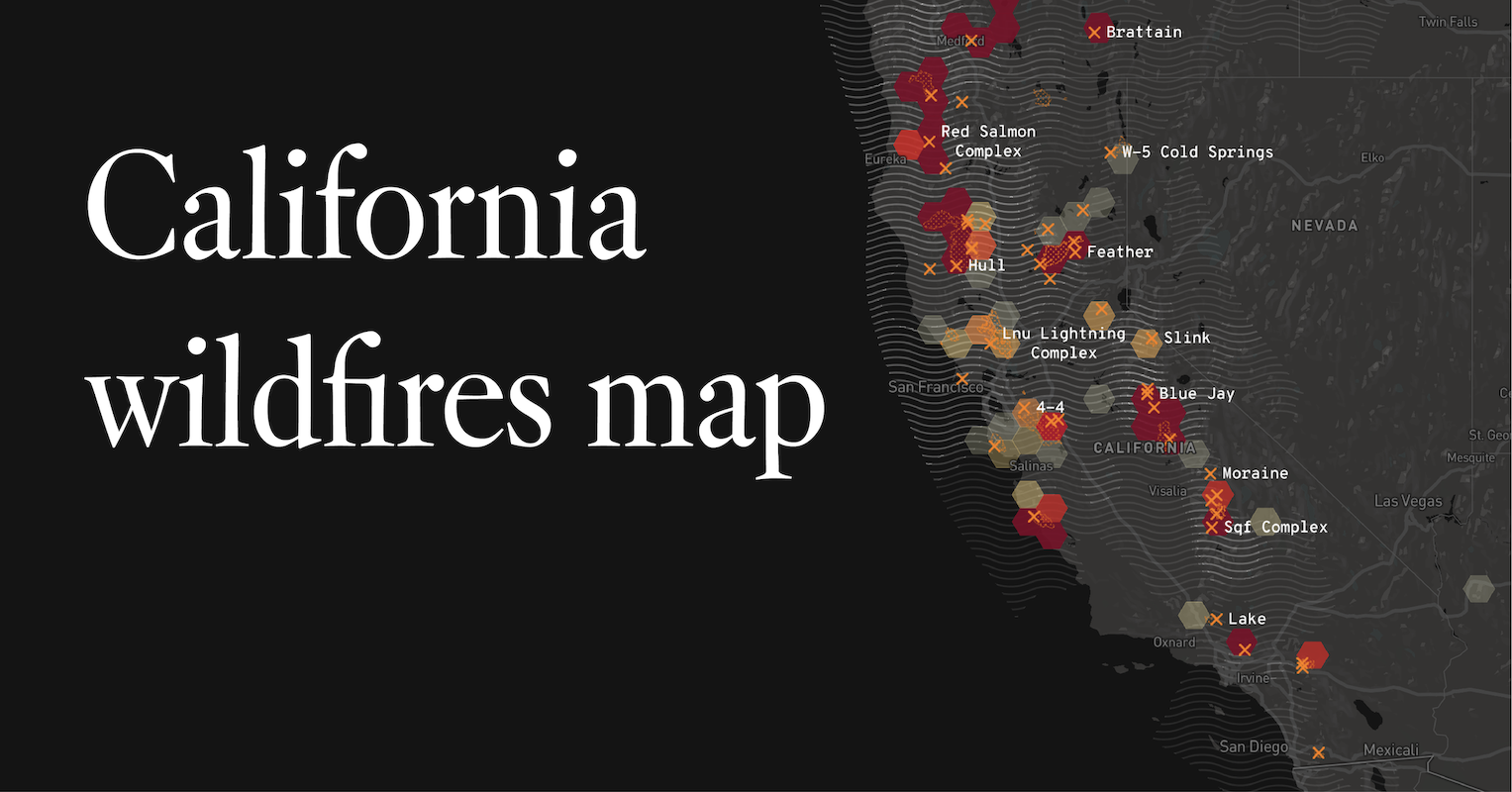
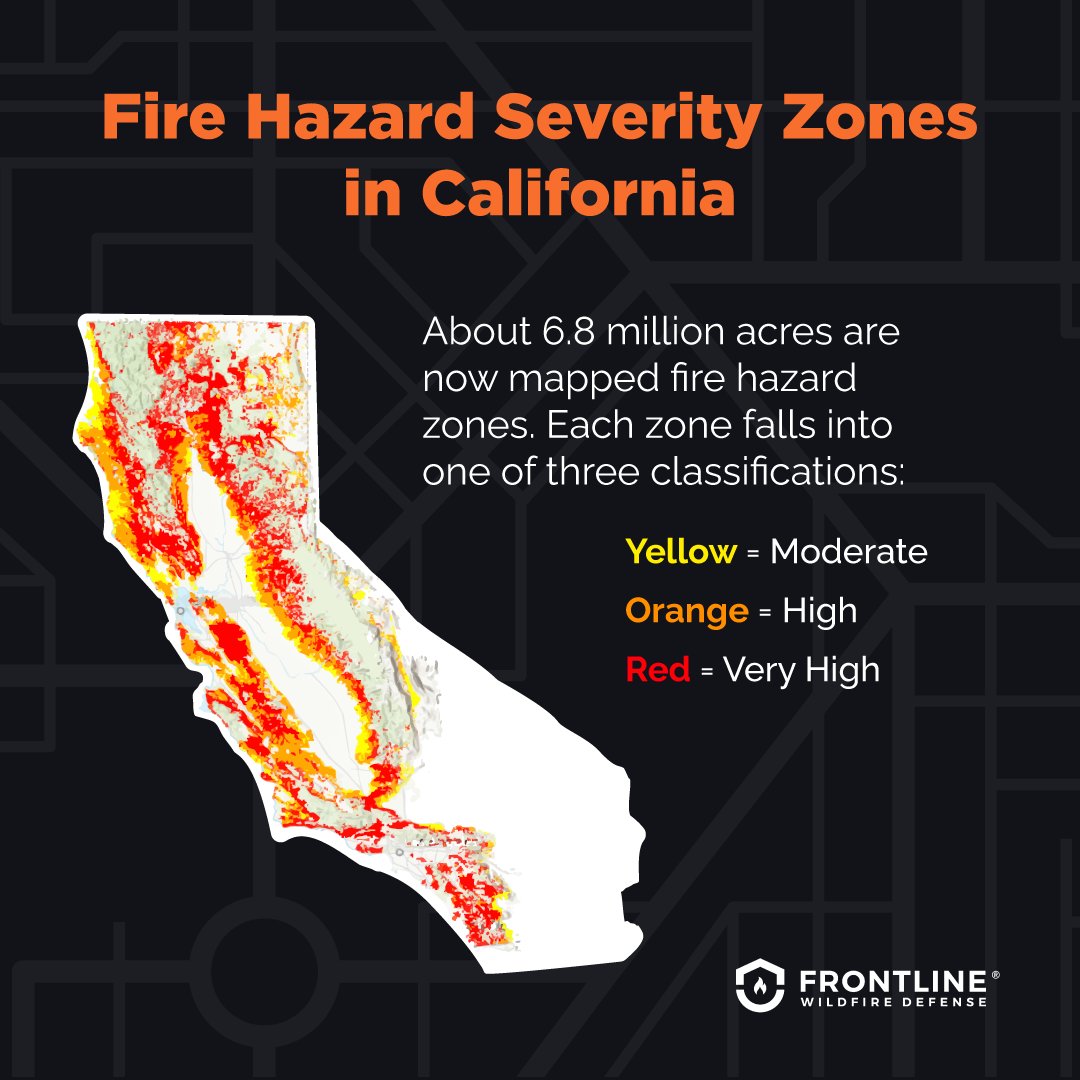
The primary concern for travelers often revolves around safety, accessibility, and environmental impact. Safety involves avoiding direct exposure to fire zones and following all official directives. Accessibility refers to whether roads to desired destinations are open and if attractions are operational. Environmental impact, notably air quality, can affect outdoor activities even if a fire is hundreds of miles away, as smoke plumes can travel long distances. Areas like the Sierra Nevada mountains, forested regions in Northern California, and certain parts of Southern California are historically more prone to significant fire activity. Being aware of these patterns can help travelers plan itineraries that are less susceptible to disruption during peak fire season. Understanding the dynamics of these events empowers travelers to make informed decisions, ensuring their journey remains safe and enjoyable.
Essential Resources for Travelers
Accurate and up-to-date information is a traveler’s best ally during California’s fire season. Relying solely on social media or anecdotal reports can be misleading. Instead, prioritize official government and emergency service channels for the most reliable updates.
Official Fire Information Sources
The most comprehensive source for wildfire incidents across California is CAL FIRE (the California Department of Forestry and Fire Protection). Their website provides an interactive map with details on current incidents, including size, containment levels, and evacuation orders. This portal is updated frequently and is the go-to resource for real-time fire activity. Similarly, the USDA Forest Service offers information specific to fires within national forests, which are popular areas for hiking and camping. For broader national park information, the National Park Service website provides specific alerts and closures for parks like Yosemite National Park or Sequoia National Park.
Air Quality and Road Conditions
Even if a destination isn’t directly threatened by fire, smoke can significantly impact air quality, making outdoor activities unpleasant or even unhealthy. AirNow.gov, a collaboration between federal, state, and local agencies, provides real-time air quality data by zip code, displaying the Air Quality Index (AQI) and recommending appropriate precautions. This is especially important for travelers with respiratory sensitivities or those planning strenuous outdoor activities.
For road closures and traffic impacts, the California Department of Transportation (Caltrans) is the definitive source. Their quickmap tool offers live updates on freeway and highway conditions, including closures due to fires or other hazards. Always check Caltrans before embarking on a drive, especially if your route takes you through or near known fire areas. Additionally, local sheriff’s departments and county emergency services often provide hyper-local updates, which can be critical for areas with immediate evacuation warnings. Subscribing to county-specific alert systems, if available for your destination, is also a wise precaution. The National Weather Service also issues red flag warnings for critical fire weather conditions, indicating periods of high fire danger.
Navigating Popular California Destinations Amidst Fire Season
California’s diverse regions offer myriad attractions, many of which remain accessible and enjoyable even during fire season. Understanding how wildfires might affect specific types of destinations can help travelers plan smarter.
Coastal Escapes
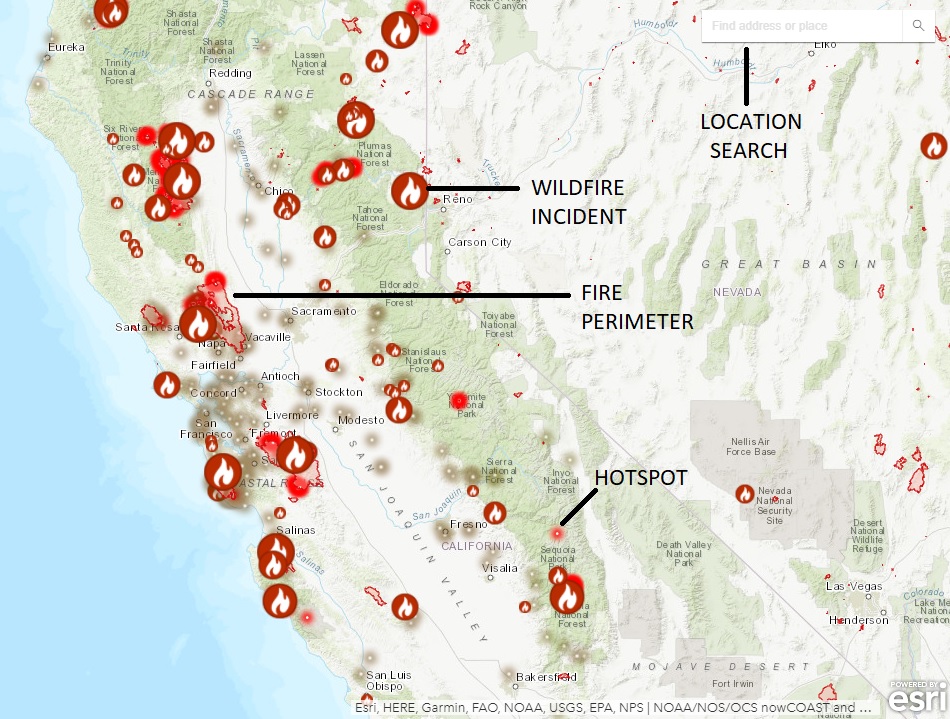
California’s extensive coastline, stretching from San Diego in the south to the redwood forests of the north, is often less directly impacted by wildfires. Major cities like San Francisco, Los Angeles, and San Diego typically benefit from marine air layers that keep temperatures down and humidity levels higher, reducing fire risk within their immediate vicinity. However, smoke from inland fires can sometimes drift to coastal areas, affecting air quality. Before planning beach days or exploring coastal towns like Carmel-by-the-Sea or Santa Barbara, check AirNow.gov for localized air quality reports. The Pacific Coast Highway, particularly the iconic Big Sur section, can sometimes experience temporary closures due to fire activity or related hazards like mudslides, so always verify road status with Caltrans.
Mountainous Regions and National Parks
Areas like the Sierra Nevada, home to Yosemite National Park, Lake Tahoe, and Mammoth Lakes, are more susceptible to wildfires. These regions are cherished for their hiking, camping, and scenic beauty. It’s common for specific trails, campgrounds, or even entire sections of national forests and parks to close during active fires or periods of high fire danger. Travelers planning trips to these areas must be vigilant about checking park service websites and local Forest Service alerts. Flexibility is key; having alternative plans for different regions of the state can save a trip from disappointment if a preferred mountain destination becomes inaccessible.
Wine Country and Inland Valleys
California’s renowned wine regions, such as Napa Valley and Sonoma Valley, along with the agricultural Central Valley, can also experience fire impacts. While wineries and vineyards are generally well-maintained, surrounding wildlands can pose a threat. Smoke taint can also be a concern for vintners. Travelers to these regions should monitor local news, winery websites, and county emergency alerts. Many wineries and restaurants have excellent indoor facilities, allowing visitors to enjoy the region’s culinary delights even if air quality is less than ideal for outdoor activities. Cities like Sacramento, while not typically in immediate danger from wildfires, can experience significant smoke impacts, affecting outdoor sightseeing.
Planning a Responsible and Safe Trip
Traveling to California during fire season doesn’t have to be daunting, but it does require careful planning and a responsible mindset.
Stay Flexible and Have Backup Plans
The dynamic nature of wildfires means that conditions can change rapidly. Build flexibility into your itinerary. Consider booking accommodations with free cancellation policies and research alternative destinations within California that are geographically distinct from your primary choice. For instance, if you planned a mountain retreat, have a coastal or urban alternative ready. This adaptability will prevent major disruptions and stress.
Pack Smart
Even if your immediate destination is clear, carrying N95 masks can be a wise precaution in case smoke plumes drift into your area. These masks offer protection against fine particulate matter in smoke. Also, pack essential documents and medications in an easily accessible bag in your vehicle, especially if traveling through or near areas that might be subject to evacuation orders.
Fire Safety Practices
Beyond staying away from active fire zones, travelers should practice basic fire safety. This includes avoiding activities that could spark a fire, such as campfires outside designated areas, discarding cigarettes properly, and ensuring vehicle chains aren’t dragging. If camping or hiking, be aware of local fire restrictions and follow them diligently. Respect any “no fire” or “red flag” warnings issued by authorities.
Post-Fire California: Supporting Recovery and Sustainable Travel
In the aftermath of a wildfire, communities in affected regions embark on a long recovery journey. Travelers can play a positive role in this process by engaging in conscious and sustainable tourism. Once an area is declared safe and reopened, visiting responsibly injects vital economic activity back into local businesses, helping them rebuild and thrive.
Support local shops, restaurants, and attractions that have been impacted. Research local non-profits involved in reforestation or community rebuilding efforts and consider making a donation. When visiting natural areas post-fire, adhere strictly to marked trails and follow all guidance from park rangers or forest service officials. Erosion and ecological changes can make certain areas fragile or unsafe. By being mindful and respectful, travelers can contribute to the long-term health and recovery of California’s beautiful, yet vulnerable, landscapes. Your thoughtful planning and responsible actions can ensure that your California adventure is not only memorable but also a force for good.
LifeOutOfTheBox is a participant in the Amazon Services LLC Associates Program, an affiliate advertising program designed to provide a means for sites to earn advertising fees by advertising and linking to Amazon.com. Amazon, the Amazon logo, AmazonSupply, and the AmazonSupply logo are trademarks of Amazon.com, Inc. or its affiliates. As an Amazon Associate we earn affiliate commissions from qualifying purchases.