
As the majestic landscapes of Oregon draw visitors from around the globe, understanding the environmental realities of the region is crucial for responsible travel. While Oregon is celebrated for its dramatic coastlines, lush forests, and vibrant cities, it also experiences wildfire seasons. For travelers planning a trip, knowing the current fire status and potential impacts is paramount to ensuring a safe and enjoyable experience. This guide aims to provide an overview of wildfire awareness in Oregon, focusing on how travelers can stay informed and make informed decisions.
Understanding Wildfire Season in Oregon
Oregon is a state characterized by diverse ecosystems, from the arid high desert east of the Cascades to the temperate rainforests of the Coast Range. This variety influences its wildfire patterns. Generally, the wildfire season in Oregon runs from late spring through fall, typically peaking in the summer months of July and August. However, the exact timing and severity can vary significantly year to year, influenced by factors such as snowpack melt, rainfall, temperature, and wind conditions.
Factors Influencing Fire Risk
Several key elements contribute to wildfire risk in Oregon:
- Drought Conditions: Prolonged periods of low rainfall lead to dry vegetation, which becomes highly flammable.
- High Temperatures: Elevated temperatures increase evaporation rates, drying out fuels even further.
- Wind: Strong winds can rapidly spread fires, making them more difficult to control and increasing the potential for large-scale incidents.
- Lightning: Natural lightning strikes are a common ignition source, particularly in remote, undeveloped areas.
- Human Activity: Accidental or intentional human actions, such as unattended campfires, discarded cigarettes, or equipment sparks, are also significant contributors to wildfire ignitions.
Understanding these factors helps travelers appreciate why fire conditions can change rapidly and why vigilance is important.
Staying Informed About Current Fire Activity
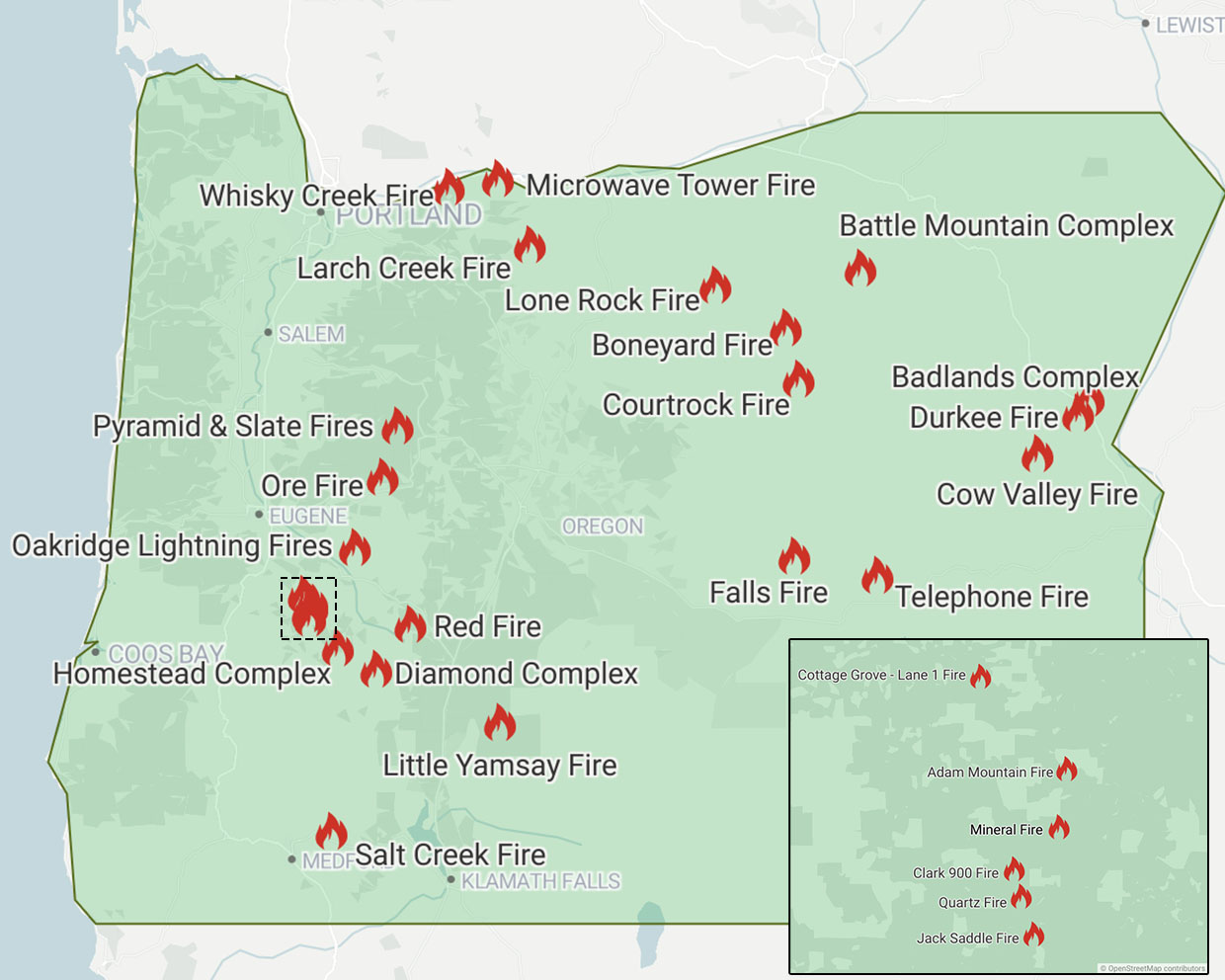
For travelers, the most critical aspect of “Where Are Fires In Oregon?” is having access to real-time information. Fortunately, several reliable resources provide up-to-date data on active fires, containment levels, and potential closures.
Official Fire Information Sources
- Oregon Department of Forestry (ODF): The ODF is the primary state agency responsible for wildfire prevention, detection, and suppression on more than 16 million acres of private, state, and federal lands. Their website is an invaluable resource for current fire maps, incident updates, and fire restriction information.
- US Forest Service (USFS): For fires occurring within national forests, such as the Malheur National Forest, Umatilla National Forest, or Willamette National Forest, the US Forest Service provides detailed incident information. Their regional websites and national incident dashboards are key to tracking these larger fires.
- Bureau of Land Management (BLM): The BLM manages vast tracts of land in Oregon, particularly in the eastern part of the state. They also maintain active fire information on their websites.
- Local Fire Departments and Emergency Management Agencies: In populated areas or for fires impacting specific communities, local fire departments and county emergency management offices often provide localized updates through their social media channels or websites.
- National Interagency Fire Center (NIFC): The NIFC serves as a national coordination center for wildland firefighting. Their predictive services and daily situation reports offer a broader perspective on fire activity across the United States, including Oregon.
Utilizing Online Tools and Maps
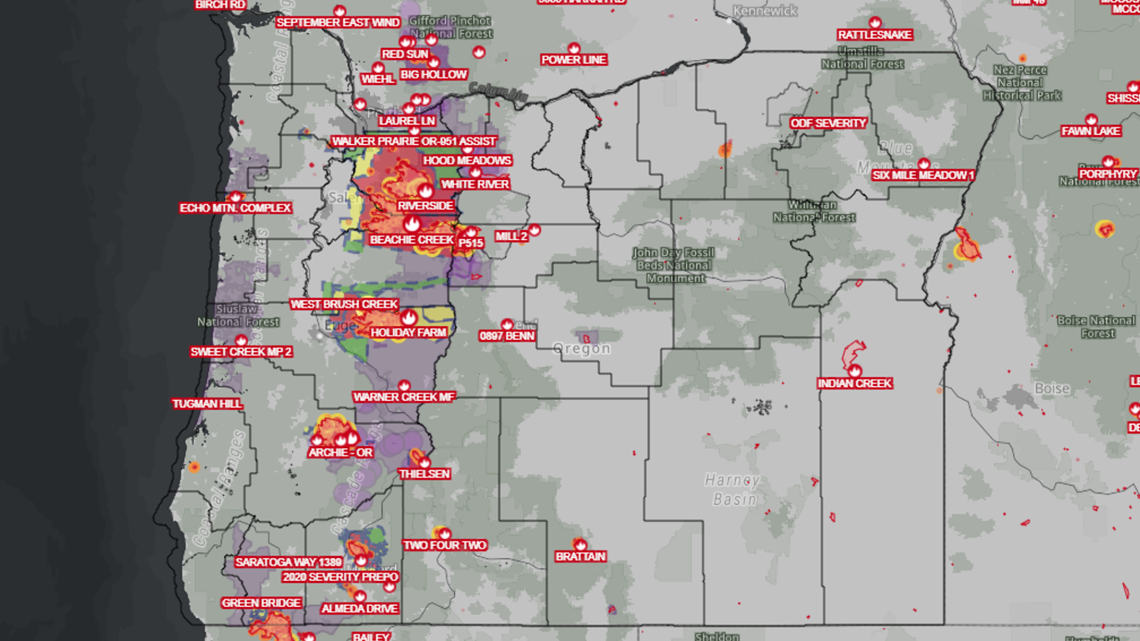
Many of these agencies provide interactive online maps that visually display active fire perimeters, smoke plumes, and areas with fire restrictions. These tools are incredibly helpful for travelers to gauge the proximity of fires to their intended destinations or travel routes. Websites like Fire.ca.gov (which also covers Oregon in its broader Pacific region scope) and GeoMAC (Geographic Information System Wildland Fire Support) are excellent for this purpose. Many also have dedicated mobile apps or can be accessed via mobile browsers.
Impact of Fires on Travel in Oregon
Wildfires can significantly impact travel plans, affecting everything from access to natural areas to air quality in cities and towns. Awareness of these potential disruptions is key to adapting travel strategies.
Road Closures and Access Restrictions
Large wildfires often necessitate road closures to allow for firefighting operations, protect public safety, and prevent further spread. This can impact access to popular destinations, national parks, forests, and rural communities. Travelers should always check for current road conditions and closures before embarking on a journey, especially when traveling through areas known to be at higher risk. Websites for the Oregon Department of Transportation (ODOT) and the relevant land management agencies are essential for this information.
Air Quality Concerns
Smoke from wildfires can travel hundreds of miles, severely impacting air quality even in areas not directly affected by the flames. During periods of heavy smoke, outdoor activities can become hazardous due to the presence of particulate matter and other pollutants. Travelers with respiratory sensitivities, such as asthma or other lung conditions, should be particularly cautious.
- Monitoring Air Quality: The Oregon Department of Environmental Quality (DEQ) provides real-time air quality data and forecasts for Oregon. Their Air Quality Index (AQI) system helps individuals understand the level of health risk associated with the current air pollution.
- Adjusting Plans: If air quality is poor, travelers may need to adjust their itineraries. This could involve postponing outdoor activities, seeking indoor attractions in cities like Portland or Bend, or even considering rescheduling a trip if conditions are severe.
Impact on National Parks and Forests
Oregon’s iconic national parks and forests, such as Crater Lake National Park or the Oregon Caves National Monument & Preserve, are often in areas susceptible to wildfires. While park and forest managers work diligently to protect these natural treasures, active fires can lead to temporary closures of certain areas, trails, or even entire parks. Always check the official website of the specific national park or forest you plan to visit for the latest operational status and any advisories.
Planning Your Oregon Adventure Responsibly
Integrating wildfire awareness into travel planning for Oregon is not just about safety; it’s about being a responsible visitor who respects the natural environment and local communities.
Pre-Trip Preparations
- Check Fire Status: Before leaving for your trip, and even daily during your travels, consult the official fire information resources mentioned above. Pay attention to areas along your planned routes and at your intended destinations.
- Understand Restrictions: Be aware of any fire bans or restrictions in place. This includes restrictions on campfires, fireworks, and the use of certain equipment that could spark. Adhering to these regulations is crucial.
- Pack Accordingly: If traveling during wildfire season, consider packing items that can help mitigate smoke exposure, such as N95 masks, especially if you have pre-existing respiratory conditions.
During Your Trip
- Heed All Warnings: Pay close attention to any signage, alerts, or instructions from park rangers, law enforcement, or local authorities regarding fire danger and access.
- Practice Fire Safety: If you are camping or engaging in activities that involve open flames, ensure you follow all fire safety guidelines meticulously. Never leave a campfire unattended and ensure it is completely extinguished before leaving.
- Be Flexible: Wildfire situations can be dynamic. Be prepared to alter your plans if necessary due to closures, smoke, or other fire-related issues. This flexibility can turn a potentially frustrating situation into an opportunity to explore alternative attractions or activities.

Supporting Fire-Affected Communities
When wildfires occur, they can have a devastating impact on local economies and communities. Travelers can contribute positively by:
- Continuing to Visit (When Safe): If areas are open and safe to visit, continuing to support local businesses like restaurants, shops, and accommodation providers in affected regions can be a vital form of assistance.
- Donating: If you wish to contribute further, consider donating to reputable organizations that provide relief and support to those impacted by wildfires.
By staying informed and planning with an awareness of wildfire risks, travelers can continue to enjoy the unparalleled beauty and adventure that Oregon has to offer, while also contributing to the safety and resilience of its landscapes and communities.
LifeOutOfTheBox is a participant in the Amazon Services LLC Associates Program, an affiliate advertising program designed to provide a means for sites to earn advertising fees by advertising and linking to Amazon.com. Amazon, the Amazon logo, AmazonSupply, and the AmazonSupply logo are trademarks of Amazon.com, Inc. or its affiliates. As an Amazon Associate we earn affiliate commissions from qualifying purchases.