
Understanding Chicago’s Civic Landscape for Tourists
[Chicago]’s identity is not solely defined by its iconic landmarks or bustling commercial districts; it is also shaped by its active citizenry. The right to peaceful assembly and protest is a fundamental aspect of American democracy, and [Chicagoans] frequently exercise this right to voice concerns, celebrate victories, or advocate for change. For tourists, this civic vibrancy offers a unique lens through which to view the city – not just as a destination for leisure, but as a living, evolving community.
The Right to Protest and Its Role in Urban Life
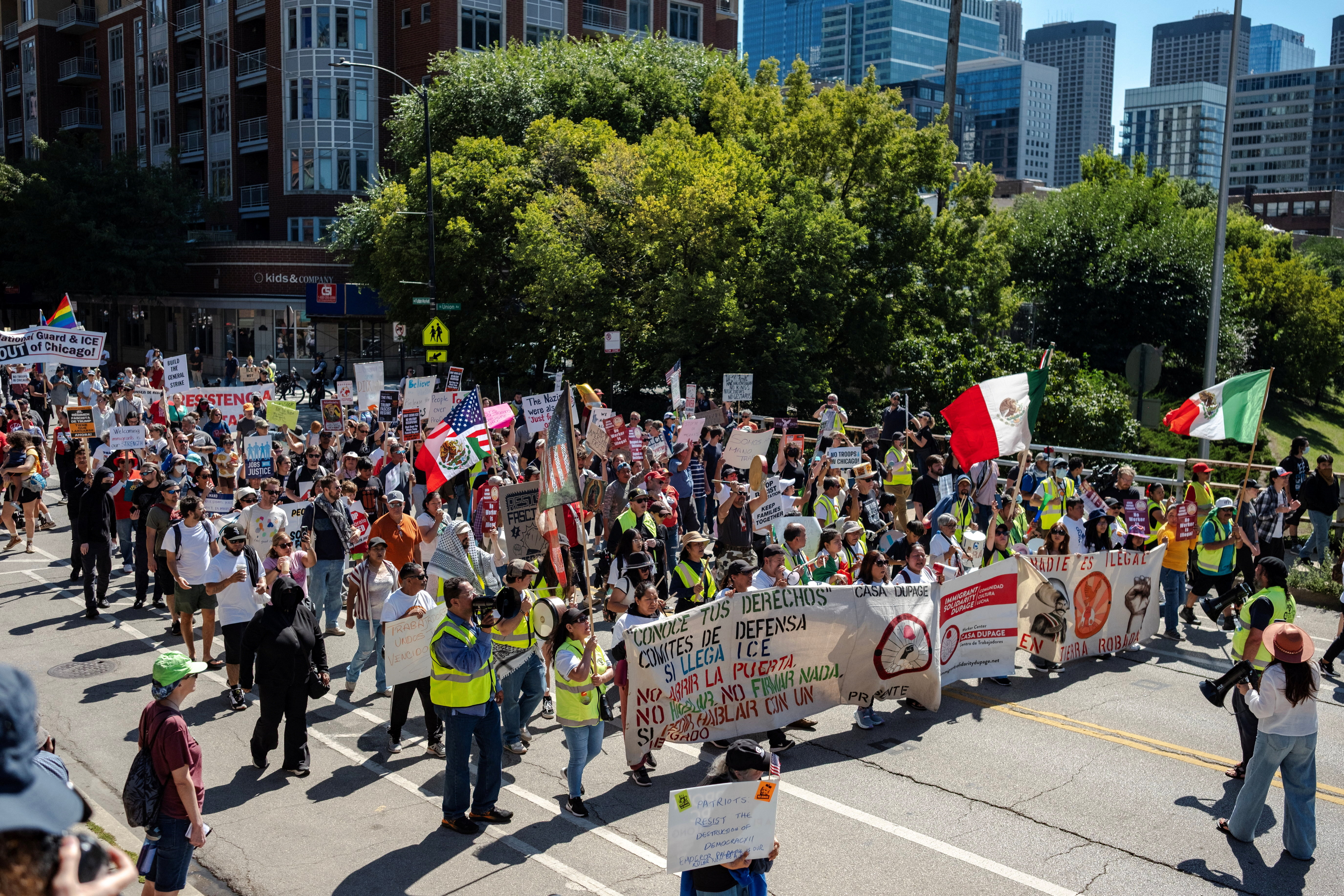
Public demonstrations in [Chicago] are an expression of local culture and often reflect pressing national and global issues. Whether advocating for social justice, environmental protection, labor rights, or political change, these gatherings are a testament to the city’s engaged population. While they might occasionally lead to temporary disruptions, they are generally peaceful and planned events, often communicated in advance through local media. Tourists should view these events not as obstacles, but as a chance to observe a significant aspect of urban life, understanding the issues that resonate with residents.
Why Chicago? A History of Activism
[Chicago]’s history is intertwined with numerous significant social movements, from the Haymarket Affair in 1886 to the Civil Rights Movement and contemporary activism. This legacy has fostered a strong tradition of public expression. The city’s central location, its status as a major urban hub, and its diverse population make it a frequent site for both local and broader regional or national demonstrations. Understanding this historical context provides a deeper appreciation for the present-day landscape of civic engagement. Visitors who delve into [Chicago]’s past will find echoes of these struggles and triumphs in its present-day public spaces.Common Protest Locations and Their Significance
Protests in [Chicago] tend to concentrate in areas that offer high visibility, symbolic significance, or proximity to governmental and commercial centers. These locations are often central to the tourist experience, making it particularly useful for visitors to be aware of them.
Daley Plaza and the Thompson Center: Civic Hubs
[Daley Plaza], situated in the heart of the [Loop] at Dearborn and Washington Streets, is perhaps the most iconic protest site in [Chicago]. Dominated by the monumental [Chicago Picasso] sculpture and adjacent to the [Richard J. Daley Center], which houses city and county courts, this plaza is a natural gathering point for demonstrations. Its open space and proximity to official buildings make it ideal for public expression. Across the street, the [James R. Thompson Center], a distinctive state government building, also frequently draws smaller, issue-specific protests related to state policies. Travelers visiting the [Loop] for architecture tours or business should be mindful of events here.Grant Park and Millennium Park: Iconic Gathering Spaces
[Grant Park], often referred to as “[Chicago]’s Front Yard,” is a massive urban park stretching along the lakefront. Its vast open areas, particularly around [Buckingham Fountain] and the [Petrillo Music Shell], make it suitable for large-scale rallies and marches. Adjacent to [Grant Park], [Millennium Park] (home to the famous [Cloud Gate] sculpture, or “The Bean,” and [Pritzker Pavilion]) can also become a starting or ending point for demonstrations, though protests are less common directly within its curated spaces due to its specific design and regulations. These parks are major tourist attractions, so awareness of events is key, especially during warmer months.Michigan Avenue and the Magnificent Mile: Economic Impact and Visibility
The famed [Michigan Avenue], particularly the stretch known as the [Magnificent Mile], is a prime commercial corridor lined with luxury shops, hotels, and cultural institutions. Protests here often aim for maximum visibility, drawing attention from both residents and the throngs of tourists and shoppers. Marches often proceed along [Michigan Avenue] to emphasize economic or social points. While potentially causing temporary pedestrian or traffic diversions, demonstrations on the [Magnificent Mile] are usually well-managed by law enforcement to minimize disruption to businesses and public safety.
Neighborhood-Specific Demonstrations
Beyond the central [Loop] and [lakefront], protests can also occur in various [Chicago] neighborhoods, often linked to local issues such as housing, school closures, or community development. While less likely to directly impact general tourism, these localized events reflect the unique character and concerns of [Chicago]’s diverse communities. Areas like [Pilsen], [Little Village], [Englewood], or [Lincoln Park] may see demonstrations related to their specific demographics or local governance. These events offer a glimpse into the diverse fabric of the city beyond its downtown core.

Navigating Chicago During Demonstrations: Tips for Visitors
For tourists, awareness and preparation are key to ensuring a smooth and enjoyable visit, even if a protest occurs during your stay.
Stay Informed: Resources and Local News
Before and during your trip, stay informed by checking reputable local news sources. Websites for [Chicago Tribune], [Chicago Sun-Times], [WBEZ (NPR Chicago)], and local TV news channels (e.g., [WGN], [NBC 5 Chicago], [ABC 7 Chicago]) frequently report on upcoming demonstrations, their planned routes, and potential impacts. Social media can also be a source of real-time information, but always cross-reference with established news outlets. Many [Chicago] hotels also provide local news updates or can assist guests with information.
Prioritize Safety and Awareness
If you encounter a protest, the primary advice is to prioritize your safety. Most demonstrations are peaceful, but it’s wise to maintain a respectful distance, especially from large crowds or confrontational situations. Avoid engaging with protesters or counter-protesters, and do not attempt to interfere with the event. Be aware of your surroundings, keep your belongings secure, and identify alternative routes if an area becomes too crowded or tense. Law enforcement typically monitors these events closely to ensure public order.
Respectful Observation vs. Participation
For many tourists, observing a protest can be a fascinating cultural experience, offering insights into the city’s social fabric. If you choose to observe, do so respectfully. Avoid blocking participants or taking photos without permission, especially close-up shots of individuals. Remember that you are a visitor observing a local event, not necessarily a participant. If you feel compelled to join, ensure you understand the cause and the nature of the demonstration.
Transportation and Route Planning
Protests, particularly marches, can temporarily affect traffic, public transportation routes ([CTA] buses and sometimes trains), and pedestrian access in certain areas. Before heading out, especially if you plan to visit a known protest location, check for real-time updates on the [CTA] website or app for service alerts. Major ride-sharing apps may also indicate areas of heavy traffic or road closures. Having a flexible itinerary and alternative routes in mind can prevent delays and frustration. Consider walking or using the ‘L’ train system, which is less susceptible to street-level disruptions, for getting around the [Loop] and nearby neighborhoods.
The Impact of Protests on the Tourist Experience
While the presence of protests might initially seem daunting, they often have a minimal direct impact on the overall tourist experience and can even offer a unique perspective.
Disruption vs. Cultural Insight
For the most part, planned protests cause temporary, localized disruptions that are manageable with a little foresight. Museums like the [Art Institute of Chicago], the [Field Museum], or the [Shedd Aquarium], and attractions like the [Skydeck Chicago] or [Navy Pier], rarely close due to protests, though getting to them might require minor route adjustments. Rather than solely focusing on potential disruption, consider the opportunity to witness a city actively engaging with its democratic processes. It’s a chance to see beyond the glossy brochures and understand the deeper pulse of [Chicago].
Supporting Local Businesses
If you find yourself near a protest, remember that local businesses are often impacted by crowds or rerouted traffic. Consider supporting nearby restaurants, cafes, or shops that might be experiencing a lull due to the event. This small gesture contributes positively to the local economy and reinforces a connection with the community.
A Deeper Understanding of the City
Ultimately, understanding where and why protests occur in [Chicago] enriches the visitor’s experience. It transforms the city from a mere collection of attractions into a dynamic community with a voice. By staying informed, remaining aware, and approaching these events with respect, tourists can gain a more profound appreciation for [Chicago]’s vibrant civic life, leaving with not just memories of landmarks, but also insights into its enduring spirit of activism and community engagement.
LifeOutOfTheBox is a participant in the Amazon Services LLC Associates Program, an affiliate advertising program designed to provide a means for sites to earn advertising fees by advertising and linking to Amazon.com. Amazon, the Amazon logo, AmazonSupply, and the AmazonSupply logo are trademarks of Amazon.com, Inc. or its affiliates. As an Amazon Associate we earn affiliate commissions from qualifying purchases.