
California, a state synonymous with awe-inspiring natural wonders, is home to some of the planet’s most magnificent giants: the coast redwoods (Sequoia sempervirens). These ancient titans, towering skyward with a presence that commands reverence, are not merely trees; they are living monuments to time, resilience, and the enduring power of nature. For those seeking to stand in the shadow of these colossal beings, a journey into California’s redwood country is an essential experience, a pilgrimage to forests where the air is thick with the scent of damp earth and millennia of growth. This exploration delves into the premier locations where the largest and most impressive specimens of these ancient trees can be found, offering insights into their habitats, the parks that protect them, and the profound impact of encountering them.
Redwood National and State Parks: A Crown Jewel of Arboreal Grandeur
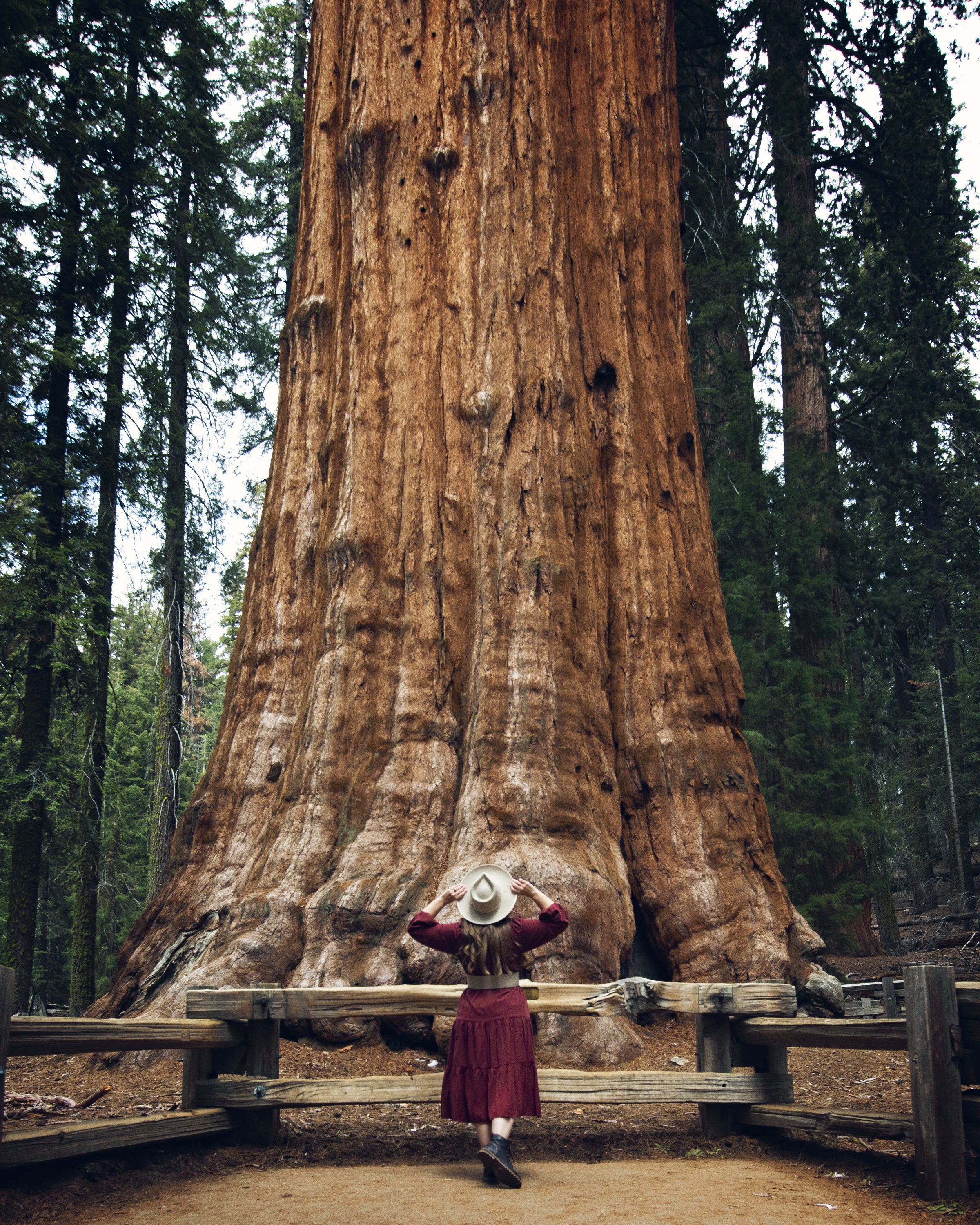
The undisputed epicenter for experiencing the sheer scale of coast redwoods is the Redwood National and State Parks complex. This unique collaboration, encompassing federal and state lands, safeguards an extensive swath of old-growth redwood forest along the northern California coast. It is within these protected boundaries that many of the world’s tallest trees have been discovered, along with a remarkable concentration of other giants. The parks offer a diverse range of environments, from fern-draped canyons to mist-shrouded groves, each providing a distinct yet equally enchanting encounter with these ancient sentinels.
Exploring the Tallest Trees
Within Redwood National and State Parks, the pursuit of height leads visitors to specific groves and trails. While the exact locations of the absolute tallest trees are often kept a closely guarded secret by park officials to protect them from undue stress, several accessible areas provide the opportunity to witness trees that rival the sky. The Tall Trees Grove, accessible via a permit and a moderate hike, is historically renowned for housing some of the tallest known redwoods. The journey there is part of the experience, descending into a secluded valley where the trees seem to grow even larger due to the sheltered microclimate. The feeling of being dwarfed by these living skyscrapers is profound, a humbling reminder of nature’s grandeur. Beyond Tall Trees Grove, numerous other trails wind through areas populated by exceptionally tall specimens. Areas like the Lady Bird Johnson Grove offer accessible boardwalks that wind through majestic trees, providing a taste of the ancient forest’s majesty without strenuous hiking.
Diverse Ecosystems and Hidden Giants
The Redwood National and State Parks are not solely defined by height. The parks preserve a complex and diverse ecosystem where redwoods thrive amidst a rich tapestry of life. Fog, a crucial element for redwood survival, rolls in from the Pacific Ocean, nurturing the lush undergrowth of ferns, sorrel, and mosses that carpet the forest floor. This constant moisture creates a mystical atmosphere, where shafts of sunlight pierce the dense canopy, illuminating a scene straight out of a prehistoric dream. The parks protect a variety of forest types, from dense, humid groves to more open stands, each supporting unique flora and fauna. Keep an eye out for Roosevelt elk, which often graze in open meadows within the park, adding another layer of wild beauty to the landscape. The sheer immensity of the redwoods, coupled with the vibrant life they support, makes for an unforgettable natural spectacle.
Humboldt Redwoods State Park: Home to the Mighty Dyerville Giant
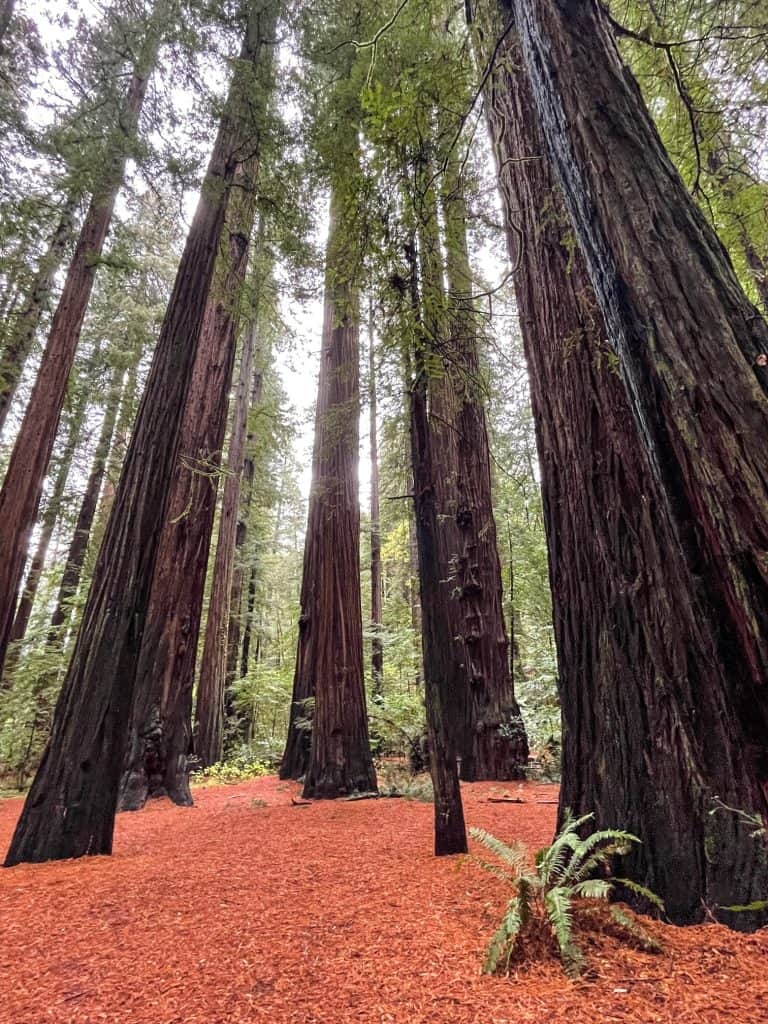
Further south along the iconic Avenue of the Giants, a scenic alternative to Highway 101, lies Humboldt Redwoods State Park. This park is celebrated for its spectacular groves and, historically, for the legendary Dyerville Giant. While the Dyerville Giant tragically fell in 1991, its immense presence is still felt, and the park continues to be a premier destination for encountering massive redwoods. The sheer girth and age of the trees here are astonishing, offering a different perspective on the immense scale these trees can achieve.
The Legacy of the Dyerville Giant
The Dyerville Giant was once considered one of the largest trees in the world, a true titan that drew visitors from across the globe. Its fall was a somber event for many, a stark reminder of the ephemeral nature of even the most enduring life forms. However, its legacy lives on, not only in the stories and photographs but also in the very soil it enriched. The area where it stood is still a place of pilgrimage for many redwood enthusiasts. The park surrounding this historic site is filled with other colossal trees, many of which rivaled or even surpassed the Dyerville Giant in certain dimensions. Exploring Humboldt Redwoods State Park allows visitors to connect with this living history and appreciate the continued magnificence of its towering inhabitants.
Driving the Avenue of the Giants
A significant part of the allure of Humboldt Redwoods State Park is its proximity to the Avenue of the Giants. This 31-mile scenic byway winds through some of the most stunning redwood groves in the state, offering pull-offs and short trails that lead directly to some of the most impressive trees. Driving this route is an immersive experience, with the road often curving around the bases of giant redwoods, allowing you to crane your neck and marvel at their immense height. Numerous roadside attractions and interpretive points highlight the natural and historical significance of the area. It’s a journey where every turn reveals another breathtaking vista of ancient forest, an accessible way to engage with the redwood giants without extensive hiking.
Muir Woods National Monument: A Coastal Gem Near San Francisco
For those visiting the San Francisco Bay Area, Muir Woods National Monument offers a remarkably accessible encounter with ancient coast redwoods. Located just a short drive north of San Francisco, this protected grove provides a serene and easily navigable introduction to the redwood ecosystem. While the trees here may not reach the absolute extreme heights found in the more remote northern parks, they are nonetheless magnificent, boasting impressive girth and age, and the experience is undeniably magical.
Accessibility and Enchantment
Muir Woods National Monument is renowned for its well-maintained trails, including accessible boardwalks that wind through groves of towering redwoods. This makes it an ideal destination for families, individuals with mobility challenges, or anyone seeking a less strenuous yet deeply rewarding redwood experience. The main trail follows Redwood Creek, its gentle murmur providing a soothing soundtrack to the visual spectacle of the ancient trees. The dense canopy overhead creates a dappled light, and the cool, moist air is invigorating. Short loop trails allow for a concentrated immersion into the redwood forest, offering ample opportunities to photograph and simply absorb the profound presence of these living giants.

The Uniqueness of Coastal Redwoods
The redwoods of Muir Woods are a testament to the adaptability and resilience of Sequoia sempervirens. These trees thrive in the coastal fog belt, a unique microclimate that is essential for their survival. The fog provides a vital source of moisture, especially during the dry summer months, and helps to moderate temperatures. This coastal environment contributes to the specific characteristics of these redwoods, including their impressive height and longevity. A visit to Muir Woods is not just about seeing big trees; it’s about understanding the delicate balance of the ecosystem that allows them to flourish, a captivating glimpse into one of California’s most iconic natural treasures.
In conclusion, California’s redwood country is a realm of unparalleled natural wonder. From the vast expanse of Redwood National and State Parks to the storied groves of Humboldt Redwoods State Park and the accessible beauty of Muir Woods National Monument, each location offers a unique opportunity to connect with these ancient giants. Standing beneath their colossal canopies is more than just sightseeing; it is an experience that connects us to the deep past, inspires awe, and reminds us of the profound importance of preserving these irreplaceable natural landmarks for generations to come.
LifeOutOfTheBox is a participant in the Amazon Services LLC Associates Program, an affiliate advertising program designed to provide a means for sites to earn advertising fees by advertising and linking to Amazon.com. Amazon, the Amazon logo, AmazonSupply, and the AmazonSupply logo are trademarks of Amazon.com, Inc. or its affiliates. As an Amazon Associate we earn affiliate commissions from qualifying purchases.