
A City Etched in Memory: The Boston Marathon Bombing as a Historical Landmark
The question, “Where are the Boston Bombers?” resonates with the somber weight of history, echoing a pivotal moment that forever altered the landscape and collective memory of Boston, Massachusetts. This inquiry is not a call for a present-day search, but rather a historical query into the aftermath of one of the most significant domestic terrorist attacks on U.S. soil. The events of April 15, 2013, transformed specific locations within the city into enduring landmarks of both tragedy and profound human resilience. Understanding the fate of those responsible is integral to comprehending the full historical narrative of the Boston Marathon Bombing and its lasting impact on a vibrant urban center.
The Finish Line: From Triumph to Tragedy
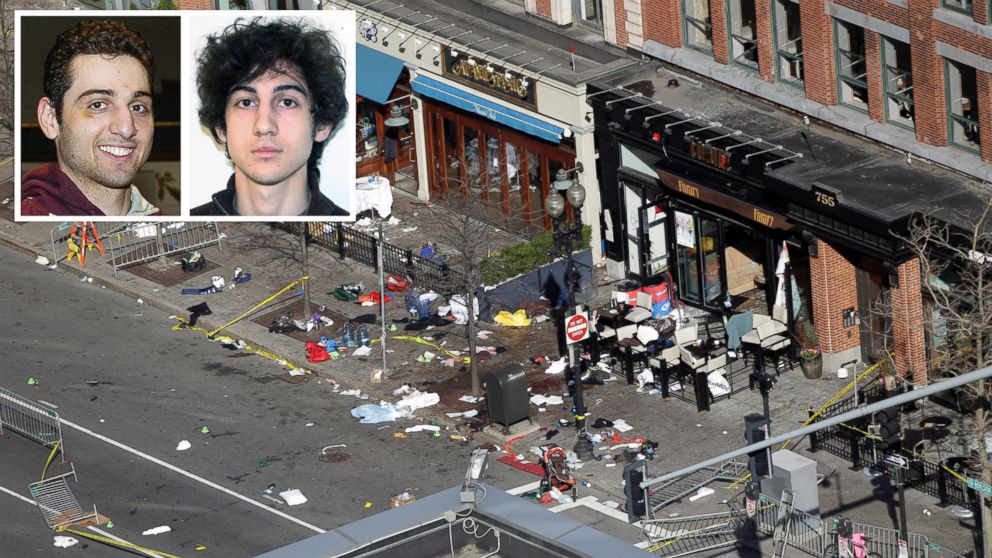
The Boston Marathon finish line on Boylston Street, ordinarily a scene of exhilarating triumph and athletic achievement, became the epicenter of an unthinkable act. Two improvised explosive devices detonated near the race’s conclusion, turning a symbol of community spirit into a site of devastating loss and chaos. This stretch of pavement, immediately outside the Boston Public Library in Copley Square, instantly became a permanent fixture in the historical consciousness of the nation, a landmark of a day that tested the resolve of an entire city. The initial joy of thousands of runners completing their arduous journey was shattered, replaced by the immediate need for emergency response and the somber realization of lives irrevocably changed. Three people—Martin Richard, Krystle Campbell, and Lingzi Lu—were killed in the blasts, and hundreds more were injured, many severely. This physical location, once synonymous with athletic excellence, is now intertwined with the memory of those lost and the bravery of first responders and citizens alike.
Sites of Remembrance and Resilience
Beyond the immediate blast zone, other locations in and around Boston also became historically significant due to their connection to the events that unfolded in the days following the attack. These sites, while not ‘landmarks’ in the traditional tourist sense, represent crucial points in the timeline of the investigation and the community’s response. The campuses of institutions like MIT (Massachusetts Institute of Technology), where MIT Police Officer Sean Collier was tragically ambushed and killed by the bombers days after the marathon attack, serve as poignant reminders of the broader toll of the tragedy. Furthermore, the residential neighborhoods of Watertown became a focal point of the massive manhunt, transforming ordinary streets into a temporary battleground and later, a symbol of community cooperation during the unprecedented shelter-in-place order. These distinct locations, each with its own story, together form a complex tapestry of historical landmarks, marking the progression from initial horror to eventual apprehension.
The Pursuit of Justice: A Historical Account
The inquiry into “where are the Boston Bombers?” is fundamentally answered by the historical record of the painstaking investigation and subsequent legal proceedings. The fate of the perpetrators is a critical chapter in the story of the Boston Marathon Bombing, illustrating the relentless pursuit of justice and the strength of the American legal system.
The Investigation and Manhunt
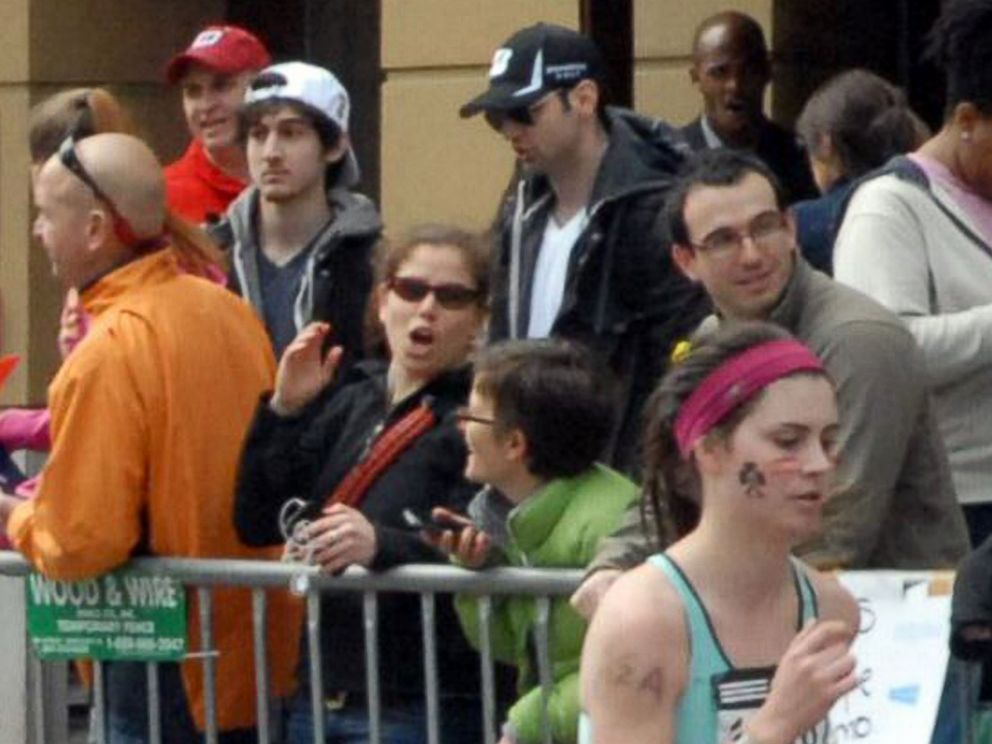
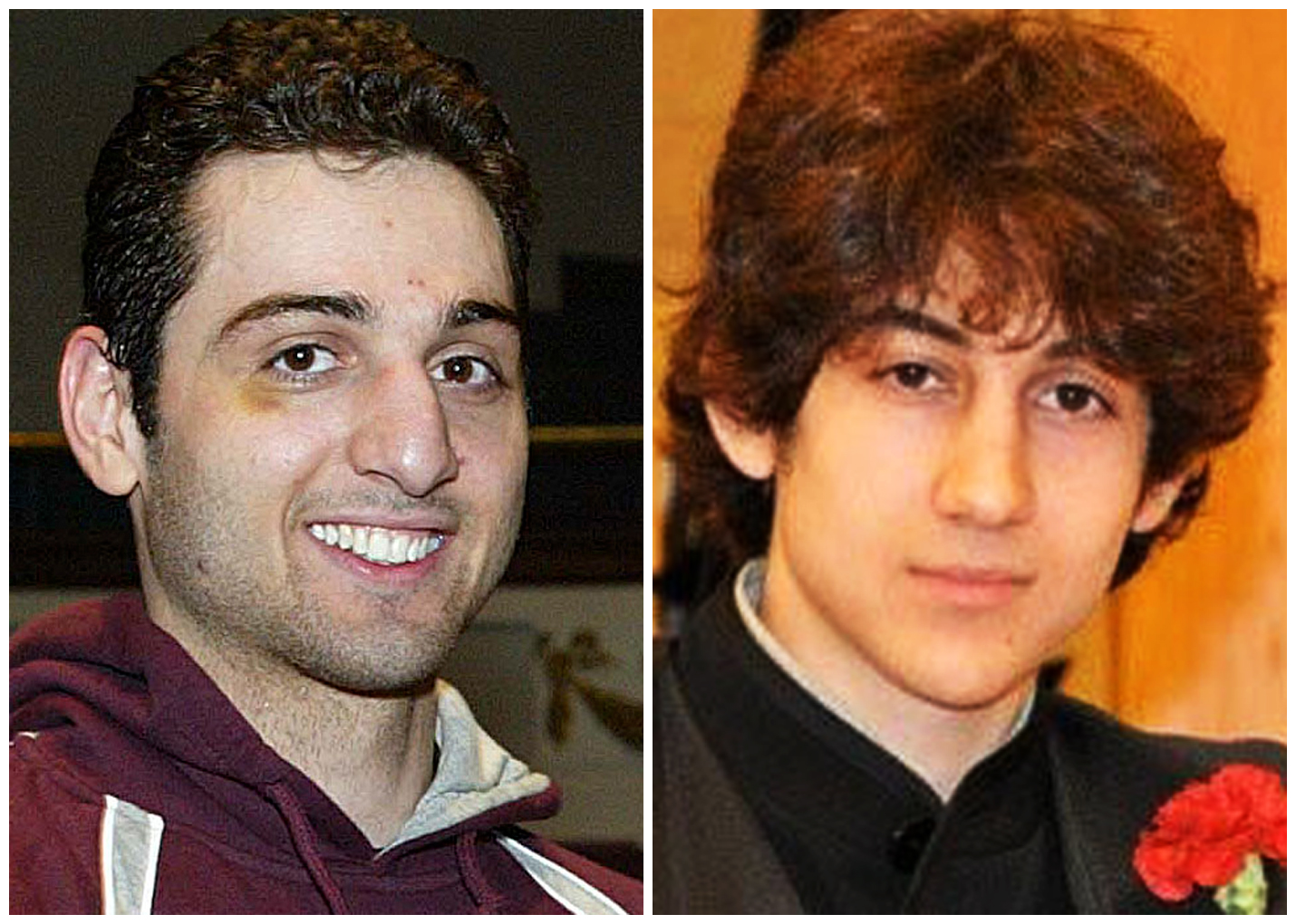
In the days immediately following the bombing, a sprawling, coordinated investigation unfolded, becoming one of the largest manhunts in American history. The public was galvanized, and law enforcement agencies—local, state, and federal—collaborated intensively. Critical clues, including surveillance footage from Boylston Street and witness accounts, quickly led authorities to identify the suspects as brothers Tamerlan Tsarnaev and Dzhokhar Tsarnaev.
The pursuit culminated in a dramatic series of events on April 19, 2013. After a violent confrontation with police in Watertown, Tamerlan Tsarnaev was killed. His younger brother, Dzhokhar Tsarnaev, managed to escape and went into hiding, triggering an unprecedented lockdown of the Boston metropolitan area. The subsequent search, involving thousands of law enforcement personnel, ended when Dzhokhar Tsarnaev was discovered hiding in a boat in a Watertown backyard. His capture brought a palpable sense of relief to a city on edge, closing the active phase of the immediate crisis. This period of intense vigilance and eventual apprehension became a historical landmark in itself, demonstrating the collaborative power of a community united against terror.
Legal Proceedings and Their Outcome
The question of “where are the Boston Bombers?” is definitively answered by the judicial process that followed. Dzhokhar Tsarnaev was formally charged with 30 counts, including use of a weapon of mass destruction and bombing a place of public use resulting in death. His trial, held in U.S. Federal Court in Boston, was a meticulous and emotionally charged proceeding that brought to light the full extent of the tragedy and the motivations of the perpetrators.
In April 2015, a jury found Dzhokhar Tsarnaev guilty on all counts. A month later, the jury sentenced him to death by lethal injection. This verdict affirmed the societal condemnation of his actions and sought to deliver a measure of justice to the victims and their families. While the legal appeals process has been lengthy, with challenges regarding the death penalty sentence, as of the current historical record, Dzhokhar Tsarnaev remains incarcerated at ADX Florence, a supermax federal prison in Colorado, often referred to as the “Alcatraz of the Rockies.” This facility, designed for the most dangerous male inmates, is where he will likely spend the remainder of his life, pending the outcome of ongoing appeals regarding his death sentence. Thus, for Dzhokhar Tsarnaev, “where” he is, is within the confines of the nation’s most secure correctional institution, a definitive end to his path as one of the Boston Bombers.
Boston’s Enduring Spirit: A Legacy of Strength
The historical trajectory of the Boston Marathon Bombing extends far beyond the immediate aftermath and the legal fate of the perpetrators. It encompasses the profound and enduring spirit of Boston, a city that transformed tragedy into a powerful narrative of resilience, community, and remembrance.
Public Memorials and Commemoration
The locations indelibly marked by the events of April 15, 2013, have evolved into sites of public memorialization. The finish line area on Boylston Street now features poignant bronze and stone memorials embedded in the sidewalk, honoring the lives lost and the survivors. These quiet, reflective spaces serve as permanent reminders, encouraging visitors and residents alike to pause and remember. The benches and trees along the marathon route are often adorned with tokens of remembrance, especially around the anniversary of the bombing. These subtle yet powerful landmarks demonstrate Boston’s commitment to never forgetting, while simultaneously celebrating its unwavering spirit. Furthermore, the Martin Richard Memorial Park in the city’s Seaport District stands as a vibrant, inclusive playground and public space dedicated to the youngest victim, embodying his call to “No more hurting people. Peace.”
Moving Forward: Boston’s Narrative Today
The Boston Marathon Bombing is a permanent part of Boston’s history, but it does not define the city. Instead, it serves as a testament to the character of its people and their ability to heal and rebuild. Annually, The One Boston Day is observed on April 15th, a civic holiday dedicated to acts of kindness and community service, reflecting the spirit of unity that emerged in the wake of the attacks. This day, along with the continued running of the Boston Marathon each year, symbolizes the city’s triumph over adversity. The historical landmarks of the bombing are not just places of sorrow, but also beacons of hope, symbolizing a community’s refusal to be defeated. They stand as enduring testaments to the strength of the human spirit, woven into the very fabric of Boston’s rich and complex historical narrative. The legacy of the bombing, therefore, is ultimately one of enduring resilience, ensuring that while the tragedy is remembered, Boston’s spirit of peace and community prevails.
LifeOutOfTheBox is a participant in the Amazon Services LLC Associates Program, an affiliate advertising program designed to provide a means for sites to earn advertising fees by advertising and linking to Amazon.com. Amazon, the Amazon logo, AmazonSupply, and the AmazonSupply logo are trademarks of Amazon.com, Inc. or its affiliates. As an Amazon Associate we earn affiliate commissions from qualifying purchases.