
The ominous glow on the horizon, the acrid scent of smoke, and the unsettling news alerts – for many, these are stark reminders of California’s ongoing struggle with wildfires. Each year, as temperatures rise and dry conditions persist, the Golden State becomes a tinderbox, igniting blazes that can dramatically reshape landscapes and impact the lives of millions. Understanding where these fires are burning is crucial for travelers, residents, and anyone concerned about the environmental and logistical challenges they present. This article aims to provide clarity on the current fire situation in California, offering insights relevant to travel, tourism, and lifestyle considerations, all while acknowledging the potential impact on the very destinations we seek to explore and enjoy.

The vastness of California means that wildfire activity can be highly localized, shifting rapidly based on weather patterns, topography, and fuel availability. What might be a concern in one region today could dissipate tomorrow, only to flare up elsewhere. Staying informed about the current fire perimeter, evacuation zones, and air quality advisories is paramount, especially for those planning trips or living in affected areas. This isn’t just about avoiding immediate danger; it’s about making informed decisions regarding travel plans, potential disruptions to services, and the overall experience of visiting the diverse attractions California has to offer. From the redwood forests of the north to the desert landscapes of the south, no region is entirely immune, though some are historically more prone to intense fire seasons.
Understanding the Dynamics of California Wildfires
California‘s wildfire season is a complex phenomenon driven by a confluence of natural and human-influenced factors. The state’s Mediterranean climate, characterized by hot, dry summers and mild, wet winters, creates a naturally flammable environment. Years of drought exacerbate these conditions, leaving vegetation parched and susceptible to ignition. Adding to this are historical land management practices, including fire suppression policies that have led to the accumulation of dense undergrowth, which acts as fuel for more intense fires. Climate change further amplifies these risks, contributing to hotter temperatures, prolonged drought periods, and increased frequency of extreme weather events like high winds that can rapidly spread flames.
When we talk about “where the fires are burning,” we’re often referring to specific fire incidents. Each fire is given a unique name, often derived from the geographical feature or area where it originated – for example, the “Dixie Fire” or the “Kincade Fire.” Tracking these individual incidents is key to understanding the current situation. Fire agencies, such as Cal Fire and the U.S. Forest Service, provide real-time updates on fire locations, containment levels, and any mandatory or voluntary evacuations. These resources are indispensable for anyone needing to navigate affected areas or monitor the situation from afar.
Geographical Hotspots and Seasonal Trends
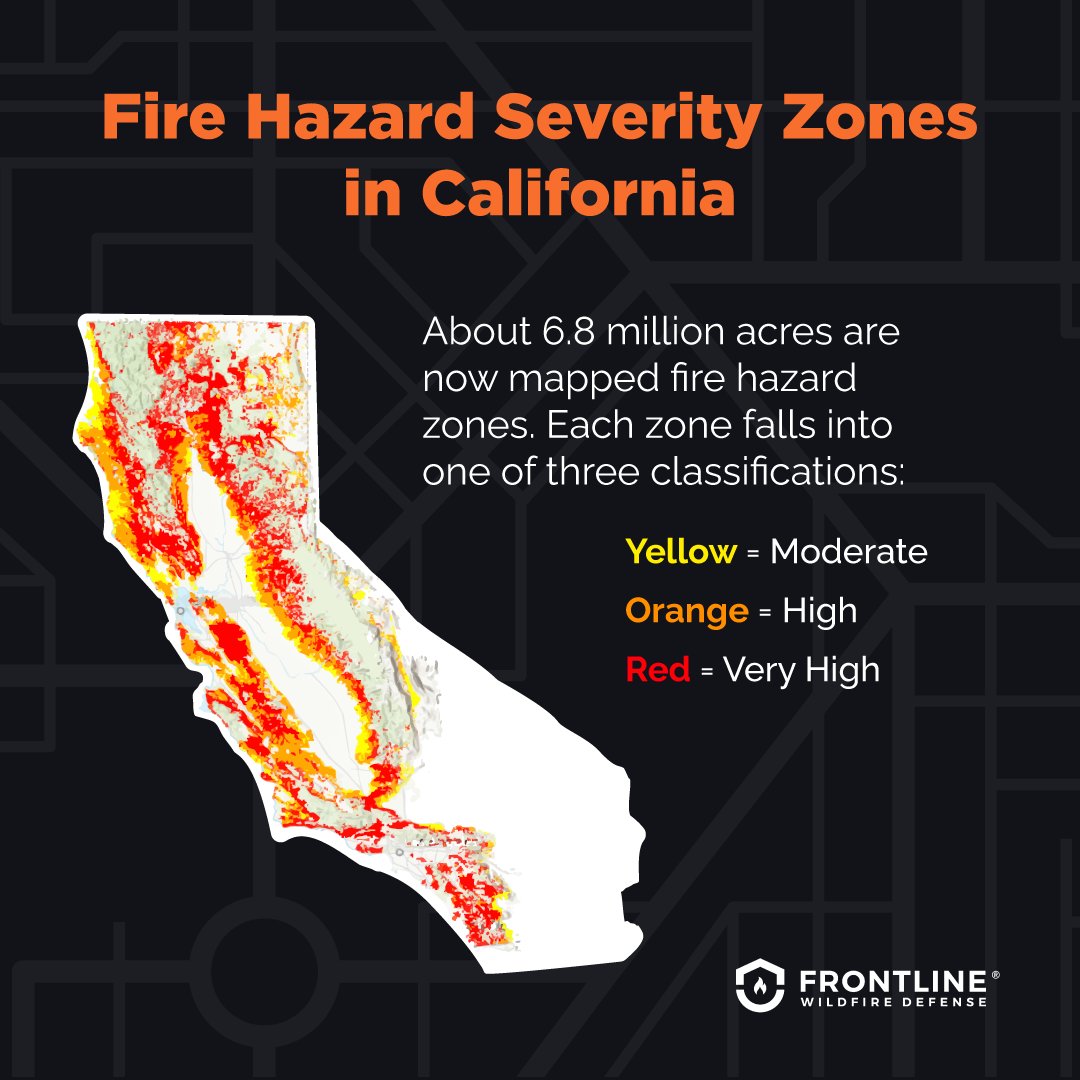
Certain regions within California are more prone to wildfires due to their topography, vegetation, and historical fire patterns. The Sierra Nevada mountain range, with its vast forests, is a frequent battleground for large wildfires. Similarly, the chaparral-covered foothills of Southern California, particularly in counties like Los Angeles, San Bernardino, and Riverside, are highly susceptible, especially when Santa Ana winds are present. The coastal mountains and even some inland valleys can also experience significant fire activity.
Seasonally, California‘s fire risk typically escalates in the late spring and continues through the fall. However, with changing climate patterns, the traditional “fire season” can extend throughout the year. The dry months, typically from May through October, see the highest risk. During this period, lightning strikes, though less common than human-caused ignitions, can spark fires in remote areas. Human activities, ranging from unattended campfires and improperly discarded cigarettes to faulty electrical equipment and arson, are unfortunately the leading causes of many devastating blazes. Understanding these trends helps individuals and authorities prepare for periods of heightened risk.
Navigating Travel and Tourism Amidst Wildfire Concerns
The presence of wildfires can significantly impact travel plans and the tourism industry in California. Destinations known for their natural beauty, such as national parks and forests, can be closed due to fire activity or smoke. Air quality can deteriorate drastically, making outdoor activities unpleasant or even hazardous. This necessitates a proactive approach to travel planning, involving continuous monitoring of fire information and a willingness to adjust itineraries.
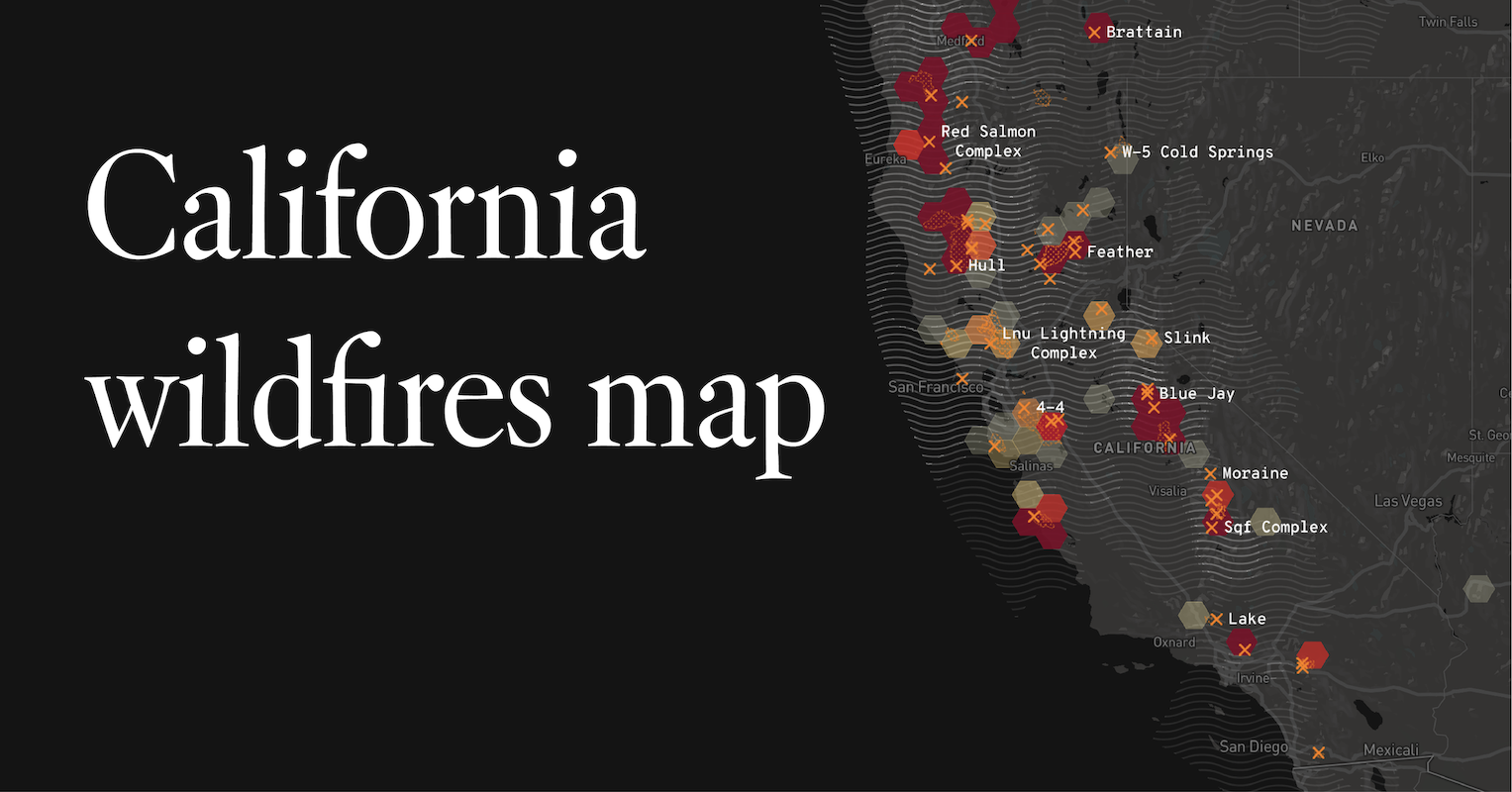
For travelers, this means checking official sources for any fire-related closures or advisories affecting their intended destinations. Websites like Cal Fire and the National Park Service are invaluable resources. It also means considering the impact of smoke, which can travel hundreds of miles from the fire’s origin, affecting air quality even in areas not directly threatened by flames. Travelers should be prepared for potential flight delays or cancellations if airports are affected by smoke or if fire activity necessitates evacuations.
Adapting Travel Plans and Accommodation Choices
When wildfires are active, flexibility becomes a traveler’s best asset. If a planned destination is directly impacted, having alternative options is wise. This might involve exploring less affected regions of California or even considering destinations outside the state. For instance, if fires are raging in the Sierra Nevada, one might shift focus to the coastal areas of Southern California or explore cities like San Francisco or Los Angeles, provided they are not experiencing significant smoke issues.
Accommodation choices can also be influenced by wildfire activity. Hotels in areas with poor air quality might experience cancellations, potentially leading to last-minute deals. Conversely, hotels further from affected zones might see increased bookings as evacuees seek shelter. Travelers should always check cancellation policies and consider travel insurance that covers disruptions due to natural disasters. When booking stays, particularly in more remote or rural areas, inquiring about emergency preparedness and evacuation plans with the accommodation provider can offer peace of mind. For those seeking extended stays, the impact of wildfires on daily life, including access to amenities and local services, should be a significant consideration.
Lifestyle and Safety: Living and Experiencing California Responsibly
The impact of wildfires extends beyond temporary travel disruptions; it affects the very lifestyle of California residents and the way visitors experience the state. Air quality alerts, evacuation orders, and the visual blight of smoke can cast a pall over everyday life and tourism. This underscores the importance of preparedness and responsible behavior.
For residents, this means having an emergency plan, assembling a go-bag, and staying informed about local evacuation routes and alerts. For visitors, it translates to respecting fire restrictions, being mindful of activities that could spark a fire, and prioritizing safety. Understanding the risks associated with wildfire-prone areas is an integral part of experiencing California responsibly.
Preparedness and Information Resources
Staying informed is the first line of defense. Reliable sources of information are critical for understanding where fires are burning and what actions to take.
- Cal Fire: This is the primary state agency responsible for fire protection and suppression in California. Their website provides real-time incident maps, evacuation information, and preparedness tips.
- U.S. Forest Service: For fires occurring within national forests, the U.S. Forest Service offers crucial updates and closures.
- Local Emergency Services: County and city emergency management agencies often provide localized alerts and information specific to their jurisdictions.
- Air Quality Management Districts: These agencies monitor and report on air quality, issuing advisories when smoke levels become unhealthy. Websites like AirNow.gov offer comprehensive air quality data.
Beyond official channels, many news organizations provide ongoing coverage of wildfire events. However, it’s essential to cross-reference information and rely on verified sources to avoid misinformation. Understanding the terminology used by fire agencies – such as “containment,” “outbreak,” and “evacuation order” – is also vital for interpreting the information accurately. Being prepared means not just knowing where the fires are, but also understanding what those fires mean for safety, travel, and the environment. This proactive approach allows for a more informed and safer experience of California, whether you are a visitor or a resident. The beauty of California is undeniable, and by staying informed and prepared, we can continue to appreciate its wonders while respecting the challenges it faces.