
California, a land celebrated for its breathtaking landscapes, vibrant cities, and diverse travel experiences, is also known for its challenging wildfire seasons. For travelers planning a visit or residents considering a local getaway, understanding the current wildfire situation is paramount. This article aims to provide a comprehensive overview of the California wildfire landscape, offering insights relevant to tourism, travel, and accommodation planning, while emphasizing safety and preparedness. While wildfires are a recurring natural phenomenon, their impact on destinations and lifestyle choices can vary significantly, making informed decision-making crucial for an enjoyable and safe journey.
Understanding California’s Wildfire Season and Its Dynamics
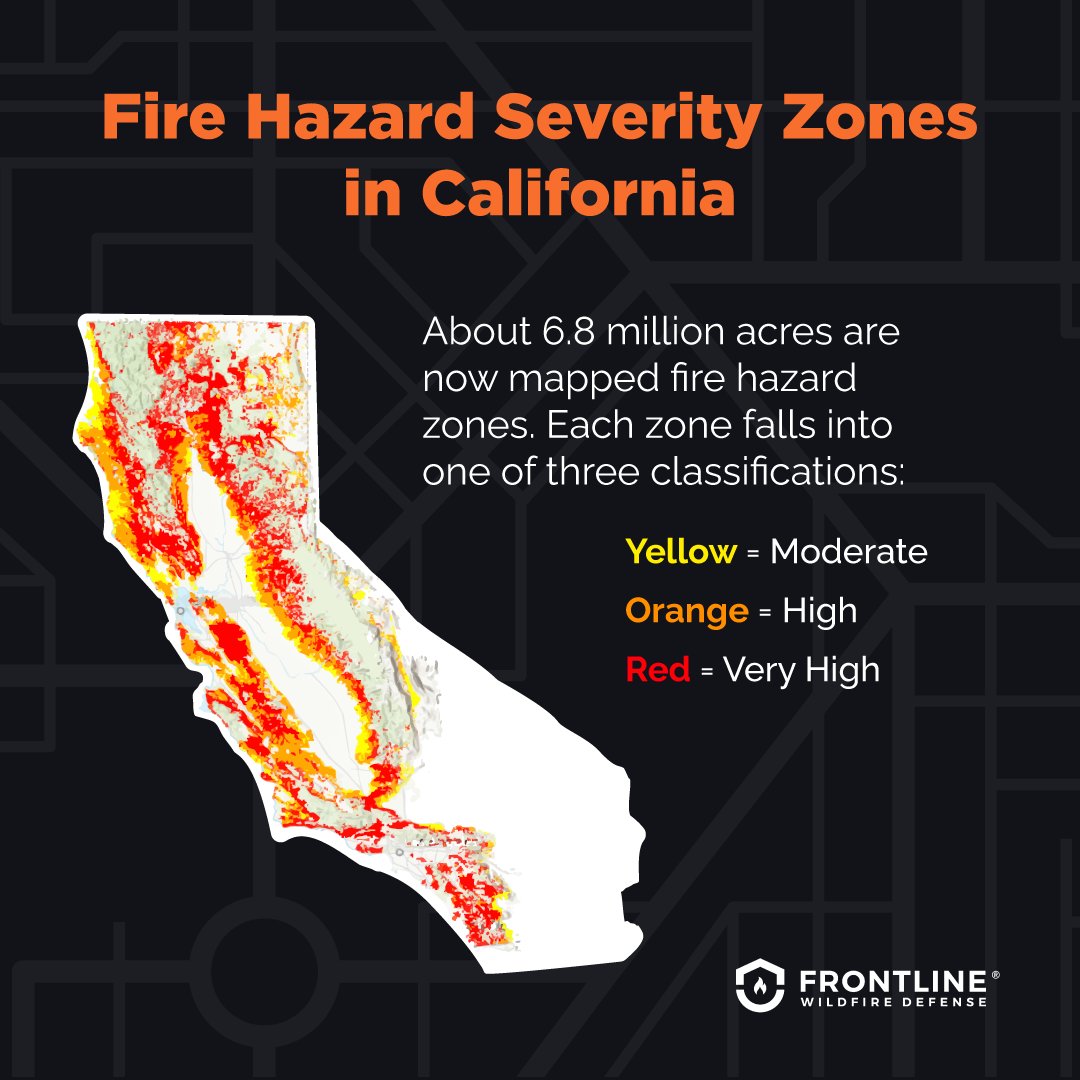
Wildfires are an inherent part of California’s ecosystem, but in recent decades, factors such as climate change, drought conditions, and forest management practices have led to increasingly severe and prolonged fire seasons. Typically, the peak wildfire season runs from late summer through autumn, often extending into early winter, particularly during periods of strong Santa Ana or Diablo winds. These hot, dry winds can rapidly spread even small fires, turning them into large-scale emergencies.
The geography of California plays a significant role in where fires occur. Densely forested areas, chaparral-covered hillsides, and wildland-urban interface zones are particularly susceptible. This includes vast stretches of the Sierra Nevada mountain range, parts of coastal California like Big Sur, and inland valleys. Understanding these patterns helps travelers and residents anticipate potential risks and plan their itineraries strategically. While fires can erupt anywhere, certain regions historically experience more frequent or intense activity, requiring extra vigilance from anyone looking to explore the state’s natural beauty.
The Role of Climate Change and Drought
The extended periods of drought experienced across the western United States, particularly in California, have left vast tracts of vegetation extremely dry and susceptible to ignition. Higher temperatures further exacerbate these conditions, drying out vegetation and increasing the likelihood of fire starts. This environmental shift means that what was once a predictable “fire season” has become a more year-round concern in some areas, necessitating ongoing awareness and preparedness. For travelers, this means staying updated on conditions even outside traditional fire months. Tourism operators and hotel groups across the state have adapted by implementing stricter fire safety protocols and offering flexible booking options during high-risk periods.
Monitoring Wildfire Activity: Essential Resources
Staying informed is the first line of defense for anyone traveling through or residing in California. Several official and highly reliable resources provide real-time updates on active fires, containment efforts, evacuation orders, and air quality.
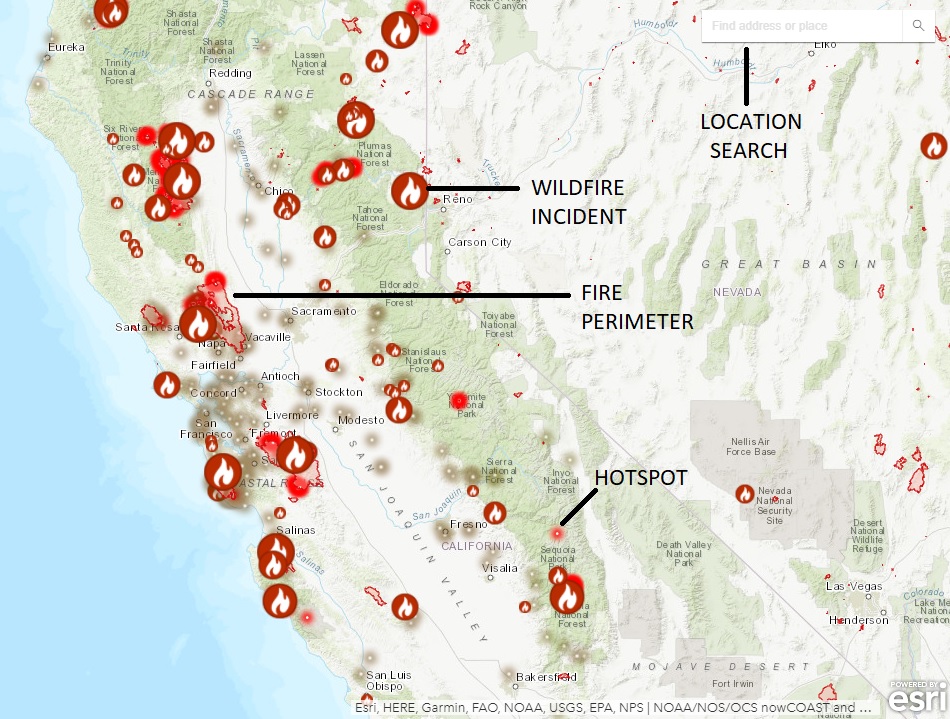
- CAL FIRE: As California’s primary firefighting agency, CAL FIRE offers an interactive map detailing active incidents, sizes, containment percentages, and estimated completion dates. Their website is an indispensable tool for anyone seeking current fire information.
- InciWeb: This interagency incident management system provides comprehensive information on large wildfires across the United States, including those on federal lands within California such as in National Parks and National Forests.
- Air Quality Monitoring Sites: Websites like AirNow.gov or local air quality management districts provide crucial data on air quality, which can be severely impacted by wildfire smoke even far from the fire front. Poor air quality can affect respiratory health, making it an important factor in deciding on travel plans, especially for those with sensitivities.
- Local Emergency Services: County and city emergency management websites and social media channels often provide the most localized and immediate updates regarding evacuations, road closures, and shelter information.
Before embarking on any trip to California, especially during fire season, consulting these resources should be a standard part of your planning process. This due diligence ensures that your travel itinerary remains safe and enjoyable, free from unexpected disruptions.
Current Wildfire Hotspots and Their Impact on Travel and Tourism
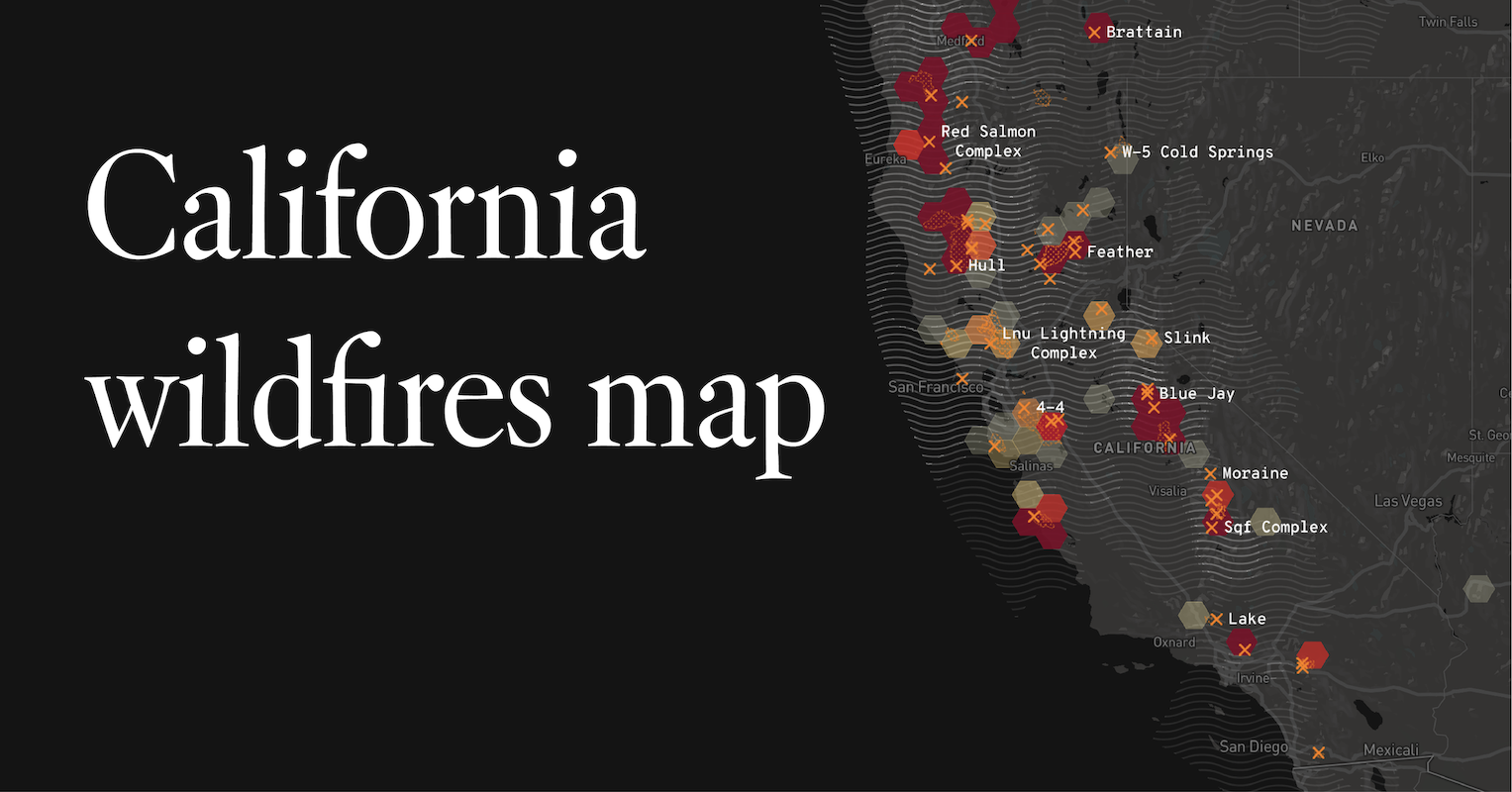
As of [current date/season, or typical patterns], California’s wildfire activity can be dynamic, with new fires igniting and existing ones being brought under control. While specific locations change, general areas often prone to activity include the forested regions of Northern California (such as near Redding or parts of the Shasta Cascade region), the Sierra Nevada foothills, and sometimes chaparral areas in Southern California (near Los Angeles, San Diego, or Santa Barbara).
It’s vital to remember that a fire in one part of the state does not necessarily mean the entire state is affected. California is vast, offering countless destinations that remain entirely untouched by fires, even during active seasons. For instance, while a fire might impact a National Park in the Sierra Nevada, coastal cities like San Francisco, Monterey, or Santa Monica could be experiencing perfect weather with clear skies, except perhaps for distant haze or elevated air quality alerts.
Regional Impact on Attractions and Accommodation
Wildfires can lead to immediate and localized impacts on popular attractions and accommodation options.
- National Parks and Forests: Areas like Yosemite National Park, Sequoia National Park, and Lassen Volcanic National Park are often in fire-prone regions. Closures of specific trails, campgrounds, or even entire park sections are common during active fires or for post-fire recovery. Travelers should always check park websites for current conditions before visiting.
- Coastal Regions: While less prone to large-scale wildfires due to humidity, coastal areas can still be affected by smoke impacting air quality. Popular destinations like Big Sur or Napa Valley can experience closures of scenic routes or wineries if fires are nearby.
- Hotels and Resorts: Accommodation providers in affected areas may temporarily close or offer flexible cancellation policies. It’s advisable to contact your chosen hotel or resort directly for the most up-to-date information regarding their operations and local conditions. Checking recent reviews can also provide anecdotal insights into current conditions.
Navigating Road Closures and Evacuation Orders
One of the most immediate effects of wildfires on travel is road closures. Major arteries like parts of Highway 1 along the Pacific Coast or sections of interstate highways passing through mountainous terrain can be shut down for safety. Travelers should use mapping applications with real-time traffic updates and consult Caltrans for official road closure information. Evacuation orders, though typically localized, require immediate attention. If you are in an area under an evacuation order, it is imperative to leave promptly for your safety and to allow emergency services to work unimpeded. Understanding local culture in California includes respecting these safety mandates.
Planning Your California Getaway Amidst Fire Season Concerns
Despite the challenges posed by wildfires, California remains an unparalleled destination for all types of travelers. Thoughtful planning can help mitigate risks and ensure a memorable trip, whether you’re seeking luxury travel, a budget adventure, or a family trip.
Best Times to Visit and Fire-Resilient Destinations
For those particularly concerned about wildfires, planning your visit during the cooler, wetter months (typically late winter to early spring) can significantly reduce the risk. During these times, the landscapes are often verdant, wildflowers bloom, and the air is crisp, offering a different but equally captivating side of California.
Several regions of California are generally less prone to severe wildfire impacts or have a quicker recovery.
- Urban Centers: Major cities like San Francisco, Los Angeles, San Diego, and Sacramento offer a wealth of attractions, cultural experiences, and diverse food scenes. While smoke might drift into these areas, the risk of direct fire impact is minimal.
- Desert Regions: Palm Springs, Joshua Tree National Park, and Death Valley National Park experience extremely hot summers but are generally less susceptible to large-scale forest fires, though desert vegetation can still burn. These are excellent choices for cooler season exploration.
- Northern Coastal Gems: Cities like Eureka and the Redwood National and State Parks offer majestic forests that, due to their unique ecosystem and proximity to the ocean, often have a different fire dynamic than the drier southern and central regions.
Practical Tips for Travelers
- Flexibility is Key: When booking accommodation or activities during fire season, consider options with flexible cancellation policies. This allows you to adapt your plans if conditions change. Many hotels and resorts understand the need for this flexibility during uncertain times.
- Travel Insurance: Investing in comprehensive travel insurance that covers unforeseen events, including natural disasters and associated cancellations or interruptions, is highly recommended.
- Pack Smart: If traveling during fire season, consider packing N95 masks, especially if you have respiratory sensitivities, as air quality can change rapidly.
- Stay Charged and Connected: Ensure your mobile devices are fully charged and carry portable power banks. Keep important documents accessible and consider an emergency kit for your vehicle if undertaking a road trip.
- Respect Closures and Warnings: Always adhere to official warnings, road closures, and evacuation orders. These measures are in place for your safety and the safety of emergency responders.
- Support Local Businesses: If a region is impacted by a fire, once it’s safe to visit again, consider supporting local businesses, hotels, and restaurants as they recover. Your tourism dollars can play a vital role in their revitalization.
The Enduring Appeal of California: Beyond the Flames
Despite the periodic challenges posed by wildfires, the spirit of California and its unparalleled beauty remain undimmed. The state’s resilience is evident in its ability to recover and continue offering world-class travel experiences. From the iconic Golden Gate Bridge in San Francisco to the sun-drenched beaches of Malibu, the vineyards of Napa and Sonoma, and the majestic peaks of the Sierra Nevada, California presents an extraordinary tapestry of landmarks, nature, and cultural richness.
For those interested in history and architecture, cities like San Francisco and Los Angeles offer a plethora of famous places and unique designs. For nature lovers, outside of fire season, the hiking trails, national parks, and coastal drives, such as the Pacific Coast Highway, offer unparalleled scenic beauty. The diverse lifestyle options in California, from luxury resorts in Beverly Hills to charming boutique hotels in wine country or family-friendly accommodations near Disneyland Resort, cater to every preference.
By staying informed, exercising caution, and planning thoughtfully, travelers can continue to explore and enjoy the vast wonders of California. The state’s dedication to fire prevention, rapid response, and community resilience ensures that its allure as a premier travel destination will endure, welcoming visitors from around the globe to experience its magic. Whether you’re seeking adventure in its wilderness, relaxation by its coastlines, or vibrant urban experiences, California is ready to unfold its splendor, with proper planning always being your best guide.
LifeOutOfTheBox is a participant in the Amazon Services LLC Associates Program, an affiliate advertising program designed to provide a means for sites to earn advertising fees by advertising and linking to Amazon.com. Amazon, the Amazon logo, AmazonSupply, and the AmazonSupply logo are trademarks of Amazon.com, Inc. or its affiliates. As an Amazon Associate we earn affiliate commissions from qualifying purchases.