
California conjures images of sun-drenched beaches, towering Redwood National Park forests, vibrant cities like San Francisco and Los Angeles, and world-renowned wine regions such as Napa Valley. It’s a destination that consistently tops travel wish lists for its diverse landscapes, rich culture, and endless opportunities for adventure and relaxation. However, a recurring topic that often surfaces, especially during certain times of the year, is the presence of wildfires. For travelers planning a visit, understanding the reality of California wildfires – where they are, their impact, and how to safely navigate the Golden State – is paramount.
It’s a common misconception that when wildfires are reported, the entire state is engulfed in flames. In truth, California is an enormous state, stretching over 800 miles from north to south and encompassing a vast array of climates and topographies. While some areas might be actively battling fires or dealing with their aftermath, many, many others remain completely untouched and are perfectly safe for tourism. This article aims to provide a clear, comprehensive guide for travelers, focusing on how to plan an unforgettable trip to California while being informed and prepared, ensuring your experience is as rewarding as it is safe. We’ll delve into the nature of these events, how they can affect your travel plans, and most importantly, how to find accurate information and discover the many splendid regions that remain open and welcoming.
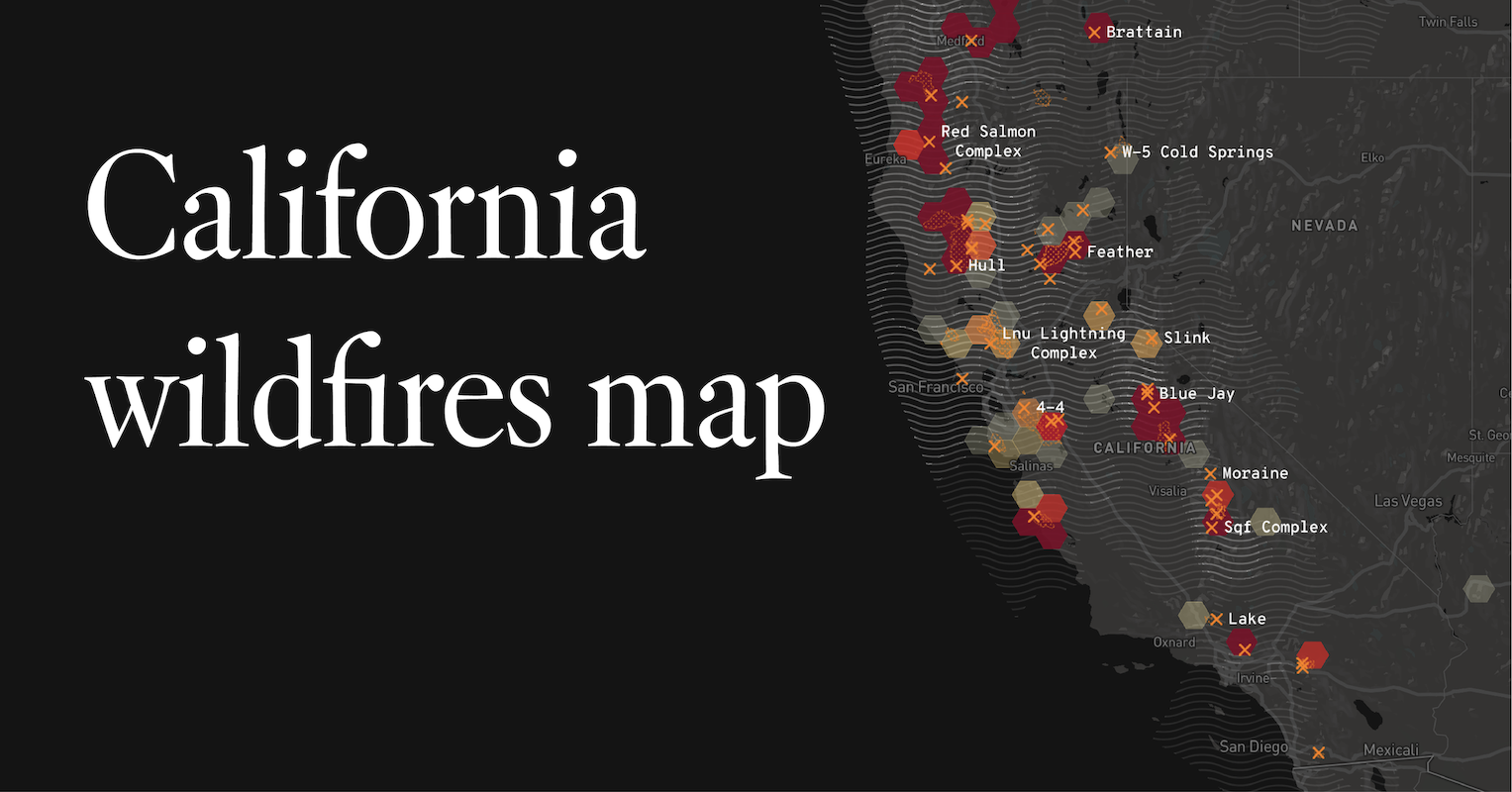
Navigating California’s Fire Season: A Traveler’s Guide
For those unfamiliar with the region, the concept of a “fire season” might seem daunting. However, it’s a critical aspect of California’s ecological cycle and climate. Understanding the context of wildfires is the first step in demystifying their impact on your travel plans.
Understanding the Landscape of Risk
California’s Mediterranean climate, characterized by hot, dry summers and mild, wet winters, creates conditions ripe for wildfires, especially from late spring through fall. Years of drought, coupled with dense vegetation and Santa Ana winds in the south and Diablo winds in the north, can exacerbate fire risk. Many fires are naturally occurring, but a significant number are also human-caused. While these events are serious, it’s crucial to remember that they are typically localized. A fire burning in the Sierra Nevada foothills, for instance, has no direct impact on a coastal getaway in San Diego or a city break in San Francisco, beyond potentially affecting air quality hundreds of miles away.
The areas most prone to significant fires are typically wildlands, forests, and the wildland-urban interface, particularly in the foothills and mountains. Iconic national parks like Yosemite National Park, Sequoia National Park, and Kings Canyon National Park, while breathtaking, are sometimes susceptible. However, park services are highly vigilant and often issue warnings or implement closures well in advance to ensure visitor safety.
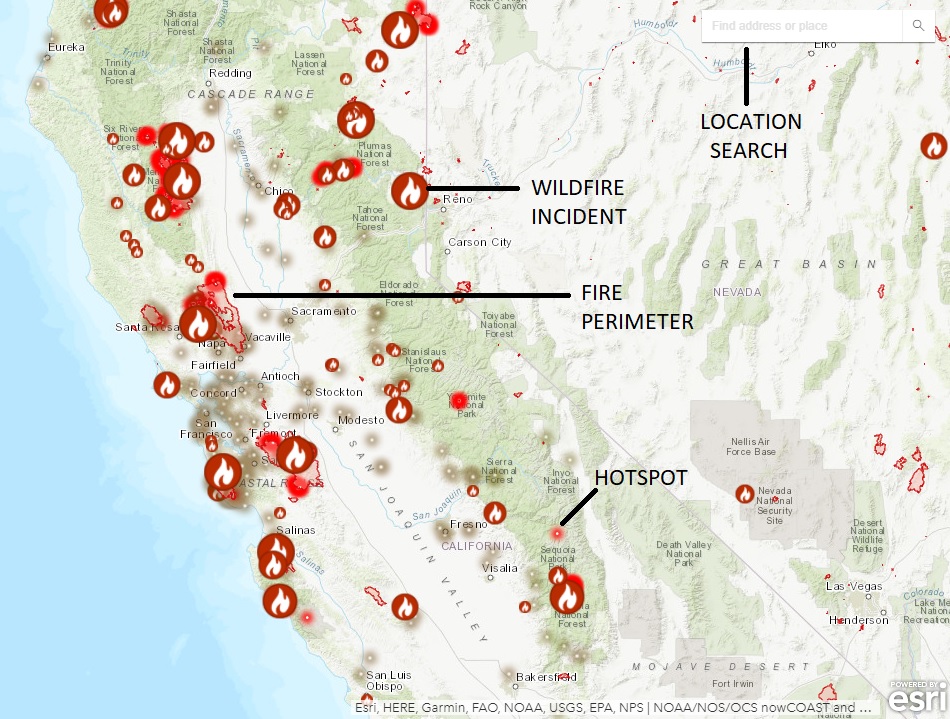
Immediate Impacts on Travel and Tourism
When wildfires do occur, their immediate impacts on travel can include:
- Road Closures: Major highways and scenic routes, like sections of the Pacific Coast Highway near Big Sur, may be temporarily closed for safety or to facilitate emergency response.
- Evacuations and Area Closures: Specific towns, residential areas, or popular tourist spots directly threatened by fire will be evacuated or closed to the public. These closures are typically precise and do not usually extend across vast regions.
- Air Quality Issues: Smoke from fires can travel significant distances, leading to poor air quality even in areas not directly threatened by flames. This can impact outdoor activities and may be a concern for individuals with respiratory conditions. Monitoring air quality reports becomes essential.
- Accommodation Disruptions: In affected areas, hotels and resorts might be occupied by evacuees or emergency personnel, or they might be temporarily closed. This is why flexible booking for hotels and other accommodation options is always advisable.
- Changes to Outdoor Activities: Hiking trails, camping sites, and other outdoor attractions in or near fire zones will likely be closed. Even far from the fires, poor air quality might make strenuous outdoor activity undesirable.
Despite these potential disruptions, it’s vital to reiterate that these impacts are localized. A vast majority of California’s attractions, from the urban vibrancy of Los Angeles to the serene beauty of the Sonoma Valley wine region (when clear), remain open and accessible.
Safeguarding Your California Journey: Preparedness and Planning
Responsible travel to California during fire season means being proactive and informed. While no one can predict exactly where and when a fire might strike, a few simple steps can significantly enhance your safety and peace of mind.
Essential Resources for Real-time Information
Staying updated with accurate and current information is your best defense. Rely on official sources, as social media can sometimes amplify misinformation.
- CalFire: The California Department of Forestry and Fire Protection (CalFire) website is the authoritative source for real-time fire incident information, including interactive maps showing active fires, containment levels, and evacuation orders.
- Local Emergency Services: Check the websites and social media accounts of county sheriff’s departments and emergency services in your destination.
- Air Quality Agencies: Websites like AirNow.gov provide real-time air quality data across the state, crucial for planning outdoor activities.
- National Park Service: If visiting national parks or forests, check the park’s official website for current conditions, closures, and advisories.
- California Highway Patrol (CHP): For road closures and traffic alerts, the CHP website or app is invaluable.
It’s a good practice to check these resources daily, especially in the days leading up to and during your trip, if traveling during peak fire season.
Travel Insurance and Flexible Booking Strategies
Given the unpredictability of natural events, investing in comprehensive travel insurance is a smart decision. Look for policies that cover trip cancellation or interruption due due to natural disasters. Carefully read the terms and conditions to understand what is covered and what is not.
Furthermore, when booking accommodation (whether it be hotels, resorts, apartments, or villas), prioritize options with flexible cancellation policies. Many booking platforms and hotels offer free cancellation up to a certain point, providing you with the agility to adjust your plans if conditions change. Similarly, when booking flights or car rentals, consider options that allow for changes without exorbitant fees.
Consider having a “Plan B” or alternative destinations in mind, especially if your primary focus is on a fire-prone outdoor area. California has such a wealth of attractions that pivoting to a different region or type of experience is often a viable and enjoyable alternative.
Discovering Unaffected Splendor: California Beyond the Headlines
While headlines may focus on fires, the vast majority of California remains untouched and vibrant. Many regions offer incredible experiences year-round, making them excellent choices even during potential fire seasons.
Coastal Escapes and Urban Adventures
California’s extensive coastline is often spared the direct impact of wildfires, which typically rage further inland. The cool, moist air from the Pacific Ocean acts as a natural barrier, making coastal cities and towns resilient choices.
- San Francisco: This iconic city, with its cable cars, the majestic Golden Gate Bridge, historic Alcatraz Island, and diverse neighborhoods, offers endless cultural and culinary experiences. Explore Fisherman’s Wharf, wander through Golden Gate Park, or take a ferry to Sausalito. The city’s microclimates often keep the air clear, even if smoke is present elsewhere.
- Los Angeles: The sprawling metropolis of Los Angeles is a hub of entertainment, art, and vibrant lifestyle. From the glamour of Hollywood and Beverly Hills to the beaches of Santa Monica Pier and Malibu, there’s an attraction for every taste. Theme parks like Disneyland Resort in Anaheim and Universal Studios Hollywood provide world-class entertainment.
- San Diego: Known for its idyllic weather, beautiful beaches, and family-friendly attractions, San Diego is a perennial favorite. Explore Balboa Park, visit the San Diego Zoo, or enjoy the Gaslamp Quarter’s nightlife. Its southern coastal location often keeps it clear of major smoke impacts from fires further north.
- Central Coast Gems: Destinations like Monterey, with its famous aquarium and scenic 17-Mile Drive, and the charming village of Carmel-by-the-Sea offer a more relaxed pace. Further south, Santa Barbara, often called the “American Riviera,” boasts beautiful Spanish architecture, wineries, and a relaxed coastal vibe. Paso Robles is a fantastic alternative for wine lovers if Napa Valley is impacted.
These urban and coastal centers provide a wealth of indoor attractions, fine dining, shopping, and entertainment, making them excellent choices even if air quality issues arise further inland.
Desert Oasis and Northern Retreats
Beyond the coast, other regions offer stunning natural beauty and unique experiences that are often far removed from fire zones or have different fire patterns.
- The Deserts: Palm Springs and the surrounding Coachella Valley offer a unique desert oasis experience. Known for its mid-century modern architecture, golf courses, and vibrant arts scene, Palm Springs is a fantastic escape. Nearby, Joshua Tree National Park provides otherworldly landscapes for hiking and stargazing. The desert regions experience their peak fire season earlier in the spring, making late fall and winter ideal and generally smoke-free times to visit. Death Valley National Park, while incredibly hot in summer, is also generally unaffected by wildfires due to its sparse vegetation.
- Northern California’s Forests and Lakes: While some northern forests are susceptible, areas like Lake Tahoe are often at lower risk during the height of fire season compared to other forested parts of the state, though smoke can still drift. Lake Tahoe offers stunning mountain scenery, clear waters for boating, hiking trails, and vibrant towns like South Lake Tahoe. Further north, the coastal regions of Mendocino and Humboldt County offer serene redwood forests, dramatic coastlines, and quaint towns, often benefiting from ocean breezes that keep them clear.
Exploring these diverse regions allows travelers to experience the true breadth of California’s beauty without necessarily having to navigate areas affected by wildfires.
Planning Your Resilient California Experience
A truly memorable California trip is one that balances adventure with awareness. By adopting a resilient approach to planning, you can ensure your vacation is both exciting and responsible.
Optimal Timing and Destination Selection
While California is a year-round destination, certain times of the year offer a reduced risk of wildfires. Late fall, winter, and early spring generally see fewer fire incidents due to cooler temperatures and increased rainfall. These seasons also offer unique advantages:
- Winter: Skiing in the Sierra Nevada, whale watching along the coast, and enjoying the holiday festivities in cities.
- Spring: Wildflower blooms in the deserts and hills, mild temperatures perfect for hiking, and fewer crowds at popular attractions.
- Late Fall: Harvest season in wine country (Napa Valley, Sonoma Valley, Paso Robles), vibrant autumn foliage in certain mountain areas, and pleasant temperatures.
If your heart is set on visiting national parks or specific forested areas, consider visiting outside the typical peak fire months (roughly July through October). If summer travel is unavoidable, focus on coastal or urban destinations where the risk is inherently lower and alternative activities are plentiful.
Supporting Local Communities and Sustainable Tourism
When planning your California adventure, remember the immense spirit of resilience and community that defines the state. Local businesses in areas that have been affected by fires often rely heavily on tourism for recovery. Consider supporting these communities once they are deemed safe to visit, by dining at local restaurants, staying at locally-owned accommodation (from quaint bed and breakfasts to boutique hotels), and purchasing from local artisans. Your tourism dollars can make a tangible difference in their recovery efforts.
Embrace sustainable travel practices, regardless of your destination. This includes minimizing your environmental footprint, respecting local regulations, and being mindful of natural resources. In fire-prone regions, this means adhering strictly to fire safety guidelines, such as proper campfire etiquette, careful disposal of cigarettes, and ensuring your vehicle is well-maintained to prevent sparks.
Ultimately, California remains one of the world’s most captivating travel destinations. While wildfires are a part of its natural landscape, they affect only a small fraction of its vast territory at any given time. With careful planning, reliance on official information, and a flexible mindset, travelers can confidently explore the Golden State’s incredible diversity, from its iconic landmarks and luxurious resorts to its hidden gems and vibrant local culture. Your dream California getaway is well within reach, promising unforgettable experiences safely and responsibly.
LifeOutOfTheBox is a participant in the Amazon Services LLC Associates Program, an affiliate advertising program designed to provide a means for sites to earn advertising fees by advertising and linking to Amazon.com. Amazon, the Amazon logo, AmazonSupply, and the AmazonSupply logo are trademarks of Amazon.com, Inc. or its affiliates. As an Amazon Associate we earn affiliate commissions from qualifying purchases.