
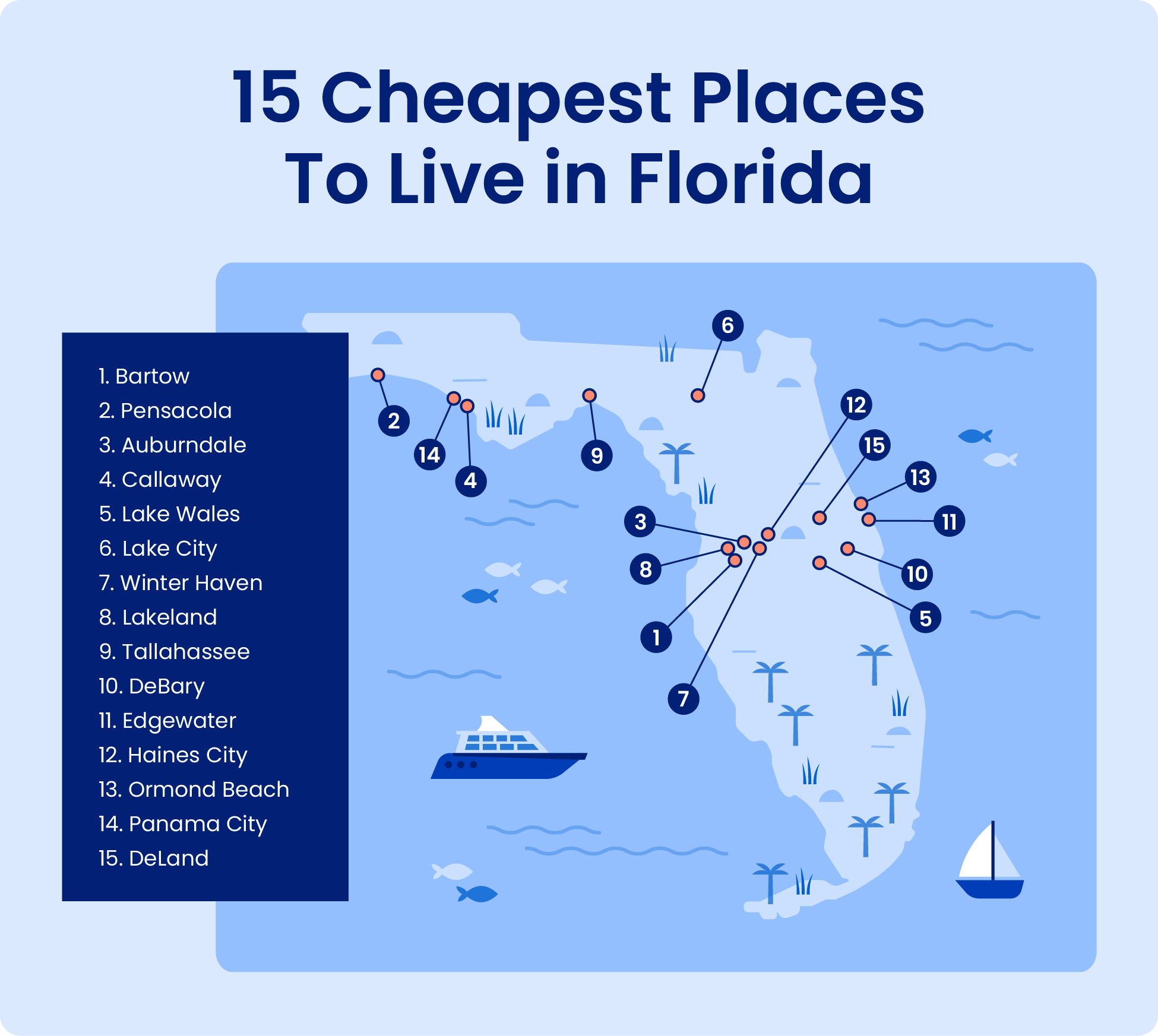
Florida, the Sunshine State, beckons with its warm weather, beautiful beaches, and vibrant culture. However, the allure of paradise often comes with a significant price tag, especially in the more popular tourist destinations. For those dreaming of a Floridian lifestyle without breaking the bank, strategic planning and an understanding of the state’s diverse economic landscape are crucial. This guide explores some of the most affordable places to call home in Florida, focusing on areas that offer a compelling quality of life at a lower cost. We will delve into the factors that contribute to affordability, from housing prices and utilities to the cost of daily living, and highlight the unique advantages each of these budget-friendly locales offers.
Unpacking the Cost of Living in the Sunshine State
The notion of “cheap” is relative, and when it comes to Florida, it’s essential to understand the variables that influence the cost of living. While the national average can serve as a benchmark, Florida’s own internal variations are significant. Factors such as proximity to major metropolitan areas, coastal access, and the presence of tourist attractions heavily impact local economies and, consequently, living expenses. Understanding these dynamics allows prospective residents to make informed decisions, steering clear of over-inflated markets and finding value in less-hyped but equally desirable communities.
Housing: The Largest Financial Component
Housing is invariably the most substantial expense for most individuals and families. In Florida, this means exploring areas where median home prices and rental rates are considerably lower than the state or national averages. This often leads us away from the glitz of the major coastal cities and into the heartland or smaller, established communities that haven’t yet been significantly gentrified by a surge in tourism or a boom in luxury developments.
- Median Home Prices: While popular areas like Miami or Naples boast million-dollar properties, more modest markets exist. Consider cities like Ocala, known for its equestrian roots, or Lakeland, nestled between Tampa and Orlando, where median home prices can be half, or even a third, of those in prime coastal locations. These areas often feature a more traditional suburban or rural feel, with a strong sense of community.
- Rental Market Dynamics: For those who prefer renting or are looking for a stepping stone, the rental market also presents significant price disparities. Smaller towns and inland cities typically offer more affordable apartment complexes and single-family home rentals. Researching specific neighborhoods within a city is also key; some areas might be undergoing revitalization, offering good deals before prices inevitably rise.
- Property Taxes: While Florida is known for not having a state income tax, property taxes can be a considerable factor. These vary by county and municipality, and while they are often lower in less developed areas, it’s crucial to factor them into your overall housing budget, especially when considering purchasing a home. Homestead exemptions can offer significant savings for primary residences, so understanding these local tax structures is vital.
Beyond Housing: Utilities, Transportation, and Groceries
Once housing is addressed, other recurring costs come into play. These can also fluctuate significantly based on location and lifestyle choices.
- Utility Costs: While Florida’s warm climate generally means lower heating bills, air conditioning expenses can be substantial, especially during the long summer months. Electricity rates can vary by provider and region. Communities with a higher reliance on renewable energy sources or more competitive utility markets might offer some savings.
- Transportation: Florida is a car-dependent state, particularly outside of its major urban centers. The cost of fuel, car insurance, and vehicle maintenance are important considerations. Cities with developing public transportation systems or those that are more walkable and bikeable can offer some relief, but these are less common in the budget-friendly areas we are exploring. Commuting distance to employment centers or essential services will also impact transportation costs.
- Groceries and Daily Expenses: The cost of groceries is generally in line with national averages, but can be slightly higher in more remote areas due to transportation costs for goods. However, access to local farmer’s markets and communities with a strong agricultural presence can sometimes offer more affordable produce options. The cost of entertainment and dining out also plays a role; smaller towns will generally have less expensive options compared to the bustling entertainment districts of larger cities.
Top Contenders for Affordable Florida Living
Identifying specific cities and regions requires a deep dive into real estate data, cost of living indices, and local economic trends. The following areas consistently rank high for affordability while still offering a good quality of life.
Central Florida’s Hidden Gems
Central Florida, often associated with the entertainment giants of Orlando, also harbors more budget-conscious communities that benefit from proximity to the region’s amenities without the associated price premiums.
- Ocala: Situated in Marion County, Ocala is renowned as the “Horse Capital of the World.” Its economy is driven by agriculture, particularly horse farms and breeding operations, which has kept housing prices relatively stable and affordable. Beyond the equestrian scene, Ocala offers a wealth of natural beauty, including freshwater springs like Silver Springs State Park, and a burgeoning downtown area with local shops and restaurants. The median home price here is significantly lower than the state average, making it an attractive option for families and retirees seeking a slower pace of life.
- Lakeland: Positioned strategically between Tampa and Orlando, Lakeland is a mid-sized city that has seen steady growth without the explosive price increases of its larger neighbors. It boasts a charming historic district with stunning Frank Lloyd Wright-designed architecture at Florida Southern College. The city is also known for its numerous lakes, providing opportunities for recreation. The cost of living in Lakeland is notably below the state average, with affordable housing and a generally lower cost of goods and services. Its convenient location offers access to major airports, theme parks, and professional sports without the daily burden of city living expenses.
- Winter Haven: Another gem in Central Florida, Winter Haven is famous for being the “Chain of Lakes City” and the former winter home of the Boston Red Sox. It’s also home to LEGOLAND Florida Resort, offering family-friendly attractions. Winter Haven provides a more laid-back atmosphere than its more tourist-centric neighbors, with a lower cost of living, especially in terms of housing. The abundance of lakes offers ample opportunities for boating, fishing, and watersports, contributing to a desirable lifestyle for those who enjoy the outdoors.
The Panhandle’s Pockets of Value
Florida’s Panhandle, stretching along the Gulf of Mexico, offers a different kind of charm, often characterized by its sugar-white sand beaches and Southern hospitality. While some areas, like Destin, can be pricey due to tourism, others provide excellent value.
- Pensacola: Located in the westernmost part of the Panhandle, Pensacola offers a rich history, beautiful beaches, and a lower cost of living compared to many other Florida coastal cities. The city is home to Naval Air Station Pensacola, which significantly influences its economy. Pensacola boasts a vibrant downtown area, a thriving arts scene, and a strong sense of community. Housing prices are more accessible here, and while it enjoys its coastal access, it generally avoids the peak prices found in more southern beach towns. The proximity to Alabama also offers diverse regional influences on its culture and cuisine.
- Crestview: Situated inland from the popular beaches of the Panhandle, Crestview offers a more traditional, community-focused lifestyle at a significantly lower cost. Its economy is supported by military personnel from nearby bases. Crestview is an excellent option for those who want to be within a reasonable driving distance of the Gulf Coast’s stunning beaches without paying a premium for beachfront property. The cost of housing is among the lowest in the region, making it an ideal choice for budget-conscious individuals and families.

Southwest Florida’s Budget-Friendly Options
Southwest Florida is synonymous with affluent communities and stunning Gulf Coast sunsets. However, there are pockets where the cost of living remains more attainable.
- Cape Coral: While often grouped with the more expensive Fort Myers, Cape Coral is one of the largest cities in Southwest Florida and offers a more affordable alternative. It’s renowned for its extensive network of canals, providing waterfront living opportunities at a fraction of the price found in other coastal areas. Cape Coral has a diverse housing market, with many affordable single-family homes and condos. While not directly on the beach, it offers convenient access to the Gulf of Mexico and the beautiful islands nearby, such as Sanibel Island. The cost of living here is competitive, making it a popular choice for those seeking a sunny, waterfront lifestyle without the high price tag.
- Port Charlotte: Located in Charlotte County, Port Charlotte is another option for affordable living on Florida’s Gulf Coast. It offers a more relaxed pace of life and is known for its access to boating and fishing. The housing market here is generally more budget-friendly than in surrounding areas like Sarasota. While it may not have the immediate allure of some of its more famous neighbors, Port Charlotte provides essential amenities, a growing community, and proximity to beautiful beaches and natural areas like the Charlotte Harbor Environmental Center.
Factors to Consider When Choosing an Affordable Florida Location
Beyond the raw numbers of cost of living, several qualitative factors can greatly enhance your experience in a budget-friendly Florida locale.
Community and Lifestyle
The “cheapest” place to live is not just about dollars and cents; it’s about finding a community that aligns with your lifestyle and values.
- Sense of Community: Smaller towns and less developed cities often foster a stronger sense of community, with local events, neighborhood gatherings, and a more personal connection among residents. This can be particularly appealing to families, retirees, or anyone seeking to integrate into their new surroundings.
- Access to Nature and Recreation: Many affordable areas in Florida offer fantastic access to natural beauty, from freshwater springs and state parks to less crowded beaches. Prioritizing locations with ample opportunities for outdoor activities can significantly enhance your quality of life without adding to your expenses.
- Cultural Amenities and Entertainment: While budget-friendly towns might not boast the extensive cultural offerings of major cities, they often have vibrant local scenes, community theaters, historical societies, and unique festivals. Researching the cultural landscape can reveal hidden gems that offer enriching experiences.
Job Market and Economic Opportunities
For those not retired, the availability of employment is a critical consideration. Affordable areas may have different economic drivers than more expensive ones.
- Local Industries: Understanding the primary industries in a region can provide insight into the job market. Areas with strong agricultural, manufacturing, or healthcare sectors might offer more stable employment opportunities. Proximity to larger employment hubs can also be a factor if remote work is not an option.
- Entrepreneurship and Small Business: Many smaller communities are seeing a rise in entrepreneurship, with opportunities for small businesses to thrive. This can be a positive aspect for those looking to start their own ventures.
Future Growth and Investment Potential
While seeking affordability, it’s also wise to consider the future trajectory of a community.
- Development Trends: Some areas that are currently affordable may be on the cusp of growth and revitalization. While this can eventually lead to higher costs, it can also mean improved infrastructure, new amenities, and a more dynamic environment in the short to medium term.
- Long-Term Affordability: It’s important to balance current affordability with the potential for future price increases. Researching local development plans and economic forecasts can help in making a sustainable choice for long-term living.

Making the Move: Practical Tips for Budget Living in Florida
Transitioning to a more affordable Florida lifestyle involves more than just picking a location; it requires adopting a financially savvy approach to everyday living.
- Research Thoroughly: Before making a decision, spend time visiting potential towns. Explore neighborhoods, talk to locals, and get a feel for the community. Utilize online resources to compare housing costs, utility rates, and general cost of living indices.
- Embrace Local Resources: Take advantage of local farmer’s markets for fresh produce, explore public parks and natural attractions that are often free or low-cost, and seek out community events.
- Consider a Smaller Home or Condo: Opting for a smaller living space, whether a condo or a smaller single-family home, can significantly reduce housing costs, property taxes, and utility bills.
- Budget for Unexpected Expenses: Even in affordable areas, it’s prudent to have an emergency fund to cover unforeseen costs, such as medical bills, home repairs, or car maintenance.
- Take Advantage of Florida’s Tax Advantages: Remember that Florida has no state income tax. While property taxes can be significant, understanding homestead exemptions and other tax benefits can help manage your overall financial obligations.
By carefully considering these factors and exploring the diverse options available, individuals and families can find their perfect slice of the Sunshine State without compromising their financial well-being. Florida offers a rich tapestry of lifestyles, and with a strategic approach, the dream of affordable living in paradise is well within reach.
LifeOutOfTheBox is a participant in the Amazon Services LLC Associates Program, an affiliate advertising program designed to provide a means for sites to earn advertising fees by advertising and linking to Amazon.com. Amazon, the Amazon logo, AmazonSupply, and the AmazonSupply logo are trademarks of Amazon.com, Inc. or its affiliates. As an Amazon Associate we earn affiliate commissions from qualifying purchases.