
The news of wildfires in Texas can certainly raise concerns for prospective travelers, sparking questions about safety, air quality, and the feasibility of planned itineraries. For those dreaming of exploring the vast landscapes, vibrant cities, and unique cultural experiences that the Lone Star State offers, understanding the situation is paramount. This article aims to provide a comprehensive guide for travelers, focusing on how wildfires might impact tourism, where to find reliable information, and how to plan a responsible and enjoyable trip to Texas even during fire season. While safety is always the top priority, it’s important to remember that Texas is an immense state, and fires are typically localized events, leaving much of its beauty and many of its attractions entirely unaffected and ready to welcome visitors.

Understanding the Impact of Wildfires on Texas Travel
Wildfires are a natural, albeit often devastating, phenomenon, especially in dry, arid regions and during periods of drought. Texas, with its diverse climate zones ranging from desert in the west to humid coastlines, experiences varying levels of fire risk throughout the year. For travelers, the key is to differentiate between isolated incidents and widespread threats, and to understand how these events might influence their travel plans, from specific destinations to general health considerations.
Geographic Scope and Affected Areas
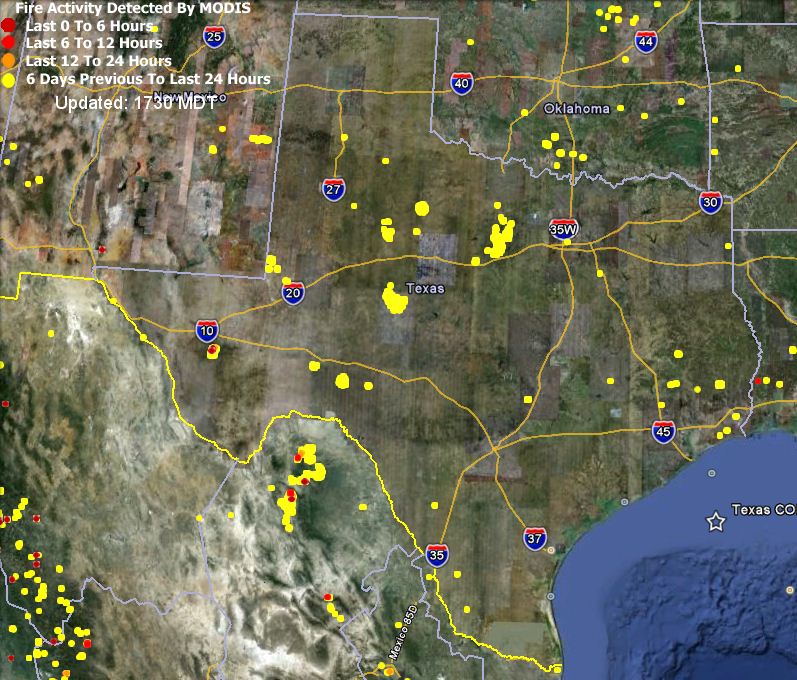
Texas covers over 268,000 square miles, making it the second-largest state in the United States. This vastness means that while one region might be grappling with wildfires, another hundreds of miles away could be completely unaffected. Historically, the Texas Panhandle, West Texas, and parts of the Texas Hill Country are more susceptible to wildfires due, in part, to drier conditions and prevalent brushland. Areas like Big Bend National Park or Guadalupe Mountains National Park in the far west can sometimes face closures or restrictions during extreme fire danger.
Major metropolitan areas such as Dallas, Houston, Austin, and San Antonio are rarely directly threatened by large-scale wildfires, though they can experience impacts from smoke depending on wind patterns. Coastal regions like Galveston and Corpus Christi, or destinations like South Padre Island, are typically at a much lower risk due to their humid climates and proximity to the Gulf of Mexico. Understanding this geographical context is crucial for making informed travel decisions; a fire reported in one part of Texas does not necessarily mean the entire state is unsafe for tourism.
Safety First: Travel Advisories and Resources
Staying informed is the traveler’s most powerful tool during fire season. Official government agencies are the most reliable sources for up-to-date information on active fires, containment efforts, road closures, and evacuation orders. The Texas A&M Forest Service maintains a real-time wildfire map and provides daily updates on fire activity and burn bans across the state. Similarly, the Texas Department of Transportation (TxDOT) offers invaluable information on road conditions and closures, which can be critical for planning travel routes.
Local emergency management agencies and city/county websites also provide specific advisories for their regions. It’s advisable for travelers to monitor these resources closely, especially if their planned destination is near an area currently experiencing or prone to wildfires. Subscribing to alerts or following official social media channels can also provide timely notifications. Travel advisories issued by the U.S. Department of State or similar international bodies should also be consulted for broader context, though typically these would be for more extreme, widespread emergencies.
Air Quality and Health Considerations
Even if a traveler’s chosen destination is not directly in the path of a wildfire, smoke can travel hundreds of miles, impacting air quality. Poor air quality can pose health risks, particularly for individuals with respiratory conditions such as asthma, young children, and the elderly. Before and during travel, it’s wise to check air quality indexes (AQI) for your destination and surrounding areas. Resources like AirNow.gov provide real-time AQI data for cities across the United States.
If air quality is poor, travelers should consider limiting outdoor activities, keeping windows closed, and using air conditioning in their accommodations. Travelers with pre-existing health conditions should consult with their doctor before traveling to areas where smoke may be an issue. Some hotels and resorts might offer air purifiers or have advanced HVAC systems, but it’s always best to be prepared, perhaps by carrying an N95 mask if sensitive to airborne particles. While typically a concern for extreme events, being mindful of air quality is an important part of responsible and safe travel planning.
Navigating Your Texas Itinerary: What to Do and Where to Go
Despite the potential for wildfires in certain regions, Texas remains a vibrant and welcoming destination. The key to a successful trip during fire season lies in informed planning, flexibility, and choosing destinations that are either unaffected or less prone to fire risks. This approach allows travelers to still experience the rich diversity of the state while prioritizing their safety and well-being.
Unaffected Gems and Alternative Destinations
Fortunately, many of Texas’s most popular tourist destinations are typically far removed from major wildfire activity. The bustling cities of Dallas, Houston, Austin, and San Antonio offer an abundance of attractions ranging from world-class museums and historical sites to renowned dining and entertainment districts. In Houston, visitors can explore the Space Center Houston or the Museum District. Dallas boasts the Dallas Arts District and numerous shopping opportunities. Austin, the “Live Music Capital of the World,” invites travelers to explore its vibrant Sixth Street or enjoy the scenic Lady Bird Lake. San Antonio offers historical treasures like The Alamo and the enchanting Riverwalk. These urban centers provide comprehensive tourism experiences, often with a robust selection of hotels, restaurants, and activities that are insulated from outdoor environmental concerns.
For those seeking coastal experiences, the beaches of Galveston and Corpus Christi, or the resort islands of South Padre Island, are excellent choices. These destinations offer a different kind of natural beauty, with opportunities for swimming, fishing, birdwatching, and relaxing by the ocean, far from the typical wildfire zones. Even the eastern part of Texas, with its pine forests and lakes, can be a safe bet, though travelers should always check local conditions for specific parks or recreational areas.
Flexibility and Trip Planning
Travelers planning a trip to Texas during times of potential wildfire activity should build flexibility into their itinerary. Booking accommodations and flights with generous cancellation policies is highly recommended. Many hotels and airlines offer flexible booking options or waivers during natural disasters, but it’s crucial to understand these terms before booking. Travel insurance is another vital consideration, as a comprehensive policy can cover non-refundable expenses in the event of unforeseen cancellations or necessary itinerary changes due to wildfires or other natural events.
Having a backup plan or alternative destinations in mind can also alleviate stress. For instance, if your original plan involved hiking in a specific Texas state park that is under a burn ban or facing closures, having a plan to visit a city museum or a coastal attraction instead ensures your trip remains enjoyable. Researching indoor attractions, such as aquariums, historical homes, or shopping districts, can provide excellent alternatives if outdoor activities become unfeasible due to smoke or fire risk.
Supporting Local Tourism
While wildfires are challenging, a significant portion of Texas remains open for business and eager to welcome visitors. By continuing to visit unaffected areas, travelers play a crucial role in supporting the local economy. Tourism contributes significantly to jobs and revenue across the state, and a downturn due to perceived widespread danger can have serious repercussions for small businesses, hotels, restaurants, and attractions.
Before altering an entire trip due to isolated fire reports, verify the specific location and impact. Many businesses are prepared for various emergencies and operate safely. Engaging with local tourism boards or chambers of commerce can also provide reassurance and suggest safe, open activities. Your decision to continue your travel plans to unaffected parts of Texas helps demonstrate resilience and provides vital support to communities that thrive on tourism.
Accommodation and Logistics: Planning Your Stay Amidst Fire Season
Choosing the right accommodation and understanding booking logistics are critical aspects of travel planning, especially when natural events like wildfires could potentially impact your trip. From understanding hotel policies to making informed booking decisions, careful consideration can ensure a smoother and more secure travel experience in Texas.
Hotel Policies and Cancellations
During emergencies like wildfires, many hotel chains and independent properties often implement flexible cancellation and rebooking policies. Major brands such as Hilton, Marriott, Hyatt, and IHG typically have corporate guidelines for natural disasters, allowing guests to modify or cancel reservations without penalty if their travel is directly affected by official advisories or evacuation orders. However, these policies can vary, so it’s essential to check the specific hotel’s or booking platform’s terms and conditions related to your reservation.
When booking, consider opting for refundable rates, even if they are slightly more expensive, for added peace of mind. It’s also wise to directly contact the hotel if you have concerns about an upcoming stay in a potentially affected area. They can provide the most current information regarding their operational status, local conditions, and any specific policies in effect. Keep records of all communications and policy confirmations.
Booking Accommodation Safely
When searching for hotels, suites, resorts, or apartments in Texas, always use reputable booking platforms or book directly with the accommodation provider. Before finalizing a reservation, verify the property’s exact location in relation to any reported wildfire activity or advisory zones. Online maps and official emergency service websites can help pinpoint these locations. Reading recent reviews can also offer insights into the current atmosphere and any localized impacts, though this should be cross-referenced with official reports.
For those planning stays in more remote or natural areas, such as cabins in the Texas Hill Country or lodges near national parks, it is especially important to confirm access roads are open and the property is operating normally. Some boutique accommodations might have more stringent cancellation policies than large chains, so always clarify this upfront. Consider properties that offer strong ventilation or air purification systems if air quality is a concern.
Long-term Stays and Relocation
For individuals planning long-term stays in Texas, or those who might need temporary relocation due to wildfires, the considerations become even more critical. During such emergencies, hotels and short-term rental properties in unaffected neighboring towns can experience a surge in demand, leading to higher prices and limited availability. It’s advisable to have a contingency plan that includes potential alternative locations and a budget for unexpected extensions or relocations.
Many apartment-style accommodations, villas, and extended-stay hotels cater to longer durations and may offer more comprehensive amenities such as fully equipped kitchens, which can be beneficial during prolonged stays. For those affected by evacuation orders, it’s worth checking if government agencies or aid organizations are coordinating discounted or emergency accommodation options. Travel insurance that covers relocation expenses for long-term stays could be invaluable in such circumstances, providing a financial safety net.
Responsible Tourism and Preparedness in Fire-Prone Regions
Traveling responsibly, especially in areas that can be susceptible to natural events like wildfires, is about more than just personal safety; it’s about respecting the environment and supporting local communities. By adopting a proactive and informed approach, travelers can minimize their impact, contribute positively to their chosen destinations, and ensure a safer experience for everyone.
Minimizing Risk: Fire Safety Tips for Travelers
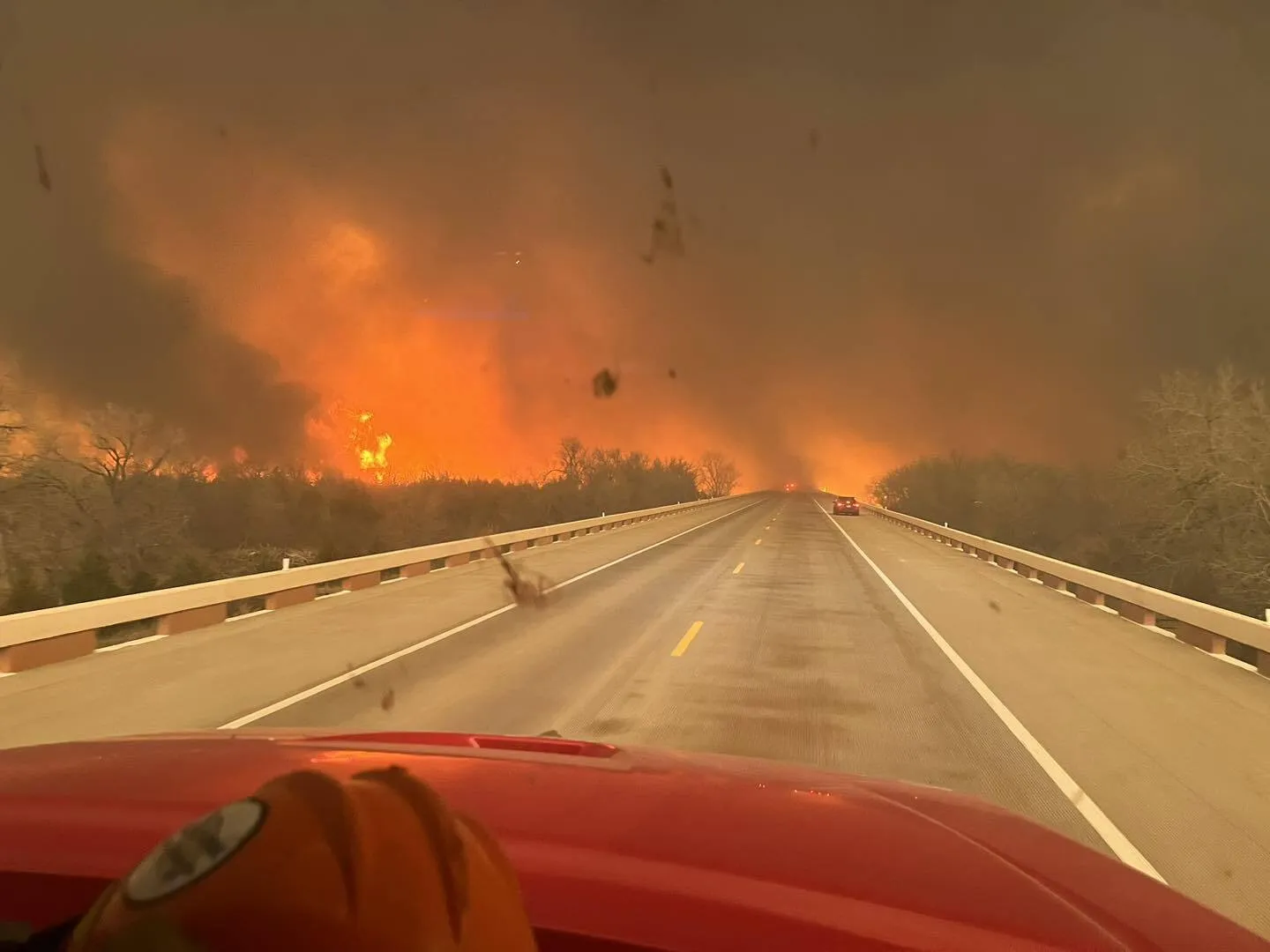
Visitors to Texas, particularly those venturing into rural areas, state parks, or the Texas Hill Country, have a significant role to play in fire prevention. Adhering to local burn bans is paramount – this means no campfires, charcoal grills, or any open flames outside of designated, safe areas, if at all permitted. Even during non-ban periods, extreme caution is necessary. Always ensure campfires are completely extinguished with water and stirred until cold to the touch before leaving them unattended.
Proper disposal of cigarettes and other smoking materials is another critical aspect; never toss them from a vehicle or leave them smoldering on the ground. Vehicle maintenance is also important; ensure trailers have proper safety chains that don’t drag and spark, and avoid driving or parking on dry grass where a hot exhaust system could ignite vegetation. Being vigilant and reporting any signs of smoke or unattended fires to local authorities immediately can prevent small incidents from escalating into major disasters. Information on how to contact local fire departments or the Texas A&M Forest Service should be readily available.
Environmental Awareness and Conservation
Understanding the delicate balance of Texas’s diverse ecosystems is key to responsible tourism. Wildfires, whether natural or human-caused, can devastate natural habitats, destroy wildlife, and alter landscapes for decades. By minimizing your own footprint, you contribute to the long-term health and beauty of the state. This includes “Leave No Trace” principles: packing out everything you pack in, staying on marked trails to prevent disturbing fragile ecosystems, and respecting wildlife by observing from a distance.
Learning about the local flora and fauna can deepen your appreciation for the environment and highlight why conservation efforts, including fire prevention, are so crucial. Many natural attractions in Texas are actively engaged in conservation projects, and supporting these through park fees or donations can be a direct way to contribute. By educating ourselves and acting conscientiously, travelers become stewards of the environment, ensuring that the natural wonders of Texas remain vibrant and accessible for future generations.
In conclusion, while concerns about wildfires in Texas are valid, they should not deter travelers from experiencing the incredible destinations and unique charm the state has to offer. By staying informed through official channels, planning with flexibility, and practicing responsible tourism, visitors can safely navigate their journey. Texas is a resilient state, and its unaffected cities, coastal towns, and cultural landmarks eagerly await your exploration. Travel wisely, stay safe, and enjoy the unparalleled experiences that await you in the Lone Star State.
LifeOutOfTheBox is a participant in the Amazon Services LLC Associates Program, an affiliate advertising program designed to provide a means for sites to earn advertising fees by advertising and linking to Amazon.com. Amazon, the Amazon logo, AmazonSupply, and the AmazonSupply logo are trademarks of Amazon.com, Inc. or its affiliates. As an Amazon Associate we earn affiliate commissions from qualifying purchases.