
The recent whispers and occasional news snippets about fires in Oklahoma have sparked curiosity and, for some, concern. While the “red alert” status for wildfires might evoke images of widespread devastation, the reality on the ground is often nuanced. Understanding where these fires are, their scale, and their impact is crucial for travelers, locals, and anyone with an interest in the Sooner State’s dynamic landscape. This exploration delves into the current fire situation, contextualizes it within Oklahoma’s natural environment, and offers insights for those planning a visit.
Understanding Oklahoma’s Fire Dynamics
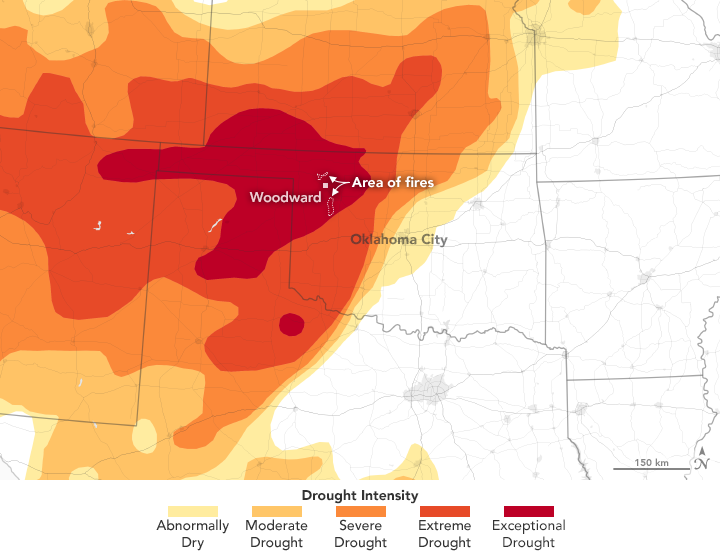
Oklahoma’s geography and climate create a natural propensity for wildfires, particularly during certain seasons. The state encompasses diverse ecosystems, from the Tallgrass Prairie in the east to the more arid Panhandle in the west. This variety means that fire risk and activity can differ significantly from one region to another.
Seasonal Influences and Risk Factors
The most significant driver of wildfire activity in Oklahoma is weather. Dry conditions, high winds, and lightning strikes are the primary culprits.
- Spring: This is often the peak wildfire season. The dry vegetation from winter, coupled with strong spring winds and the potential for dry thunderstorms, creates a fertile ground for fires to ignite and spread rapidly. Many of the larger, more impactful fires tend to occur during this period. Areas with extensive grasslands, common in the central and western parts of the state, are particularly vulnerable.
- Summer: While the grasslands may have greened up with summer rains, periods of extreme heat and drought can reintroduce fire risk. Fires can still occur, though they might be less widespread than in the spring.
- Fall: Similar to spring, drier conditions and winds can lead to increased fire activity in the fall, especially after vegetation has dried out.
- Winter: While snow cover can suppress fires, prolonged dry spells and windy conditions in winter can still pose a risk, particularly in the western regions.
Beyond weather, human activity plays a role. Careless disposal of cigarettes, unattended campfires, and debris burning can all spark blazes.
Types of Fires and Their Impact
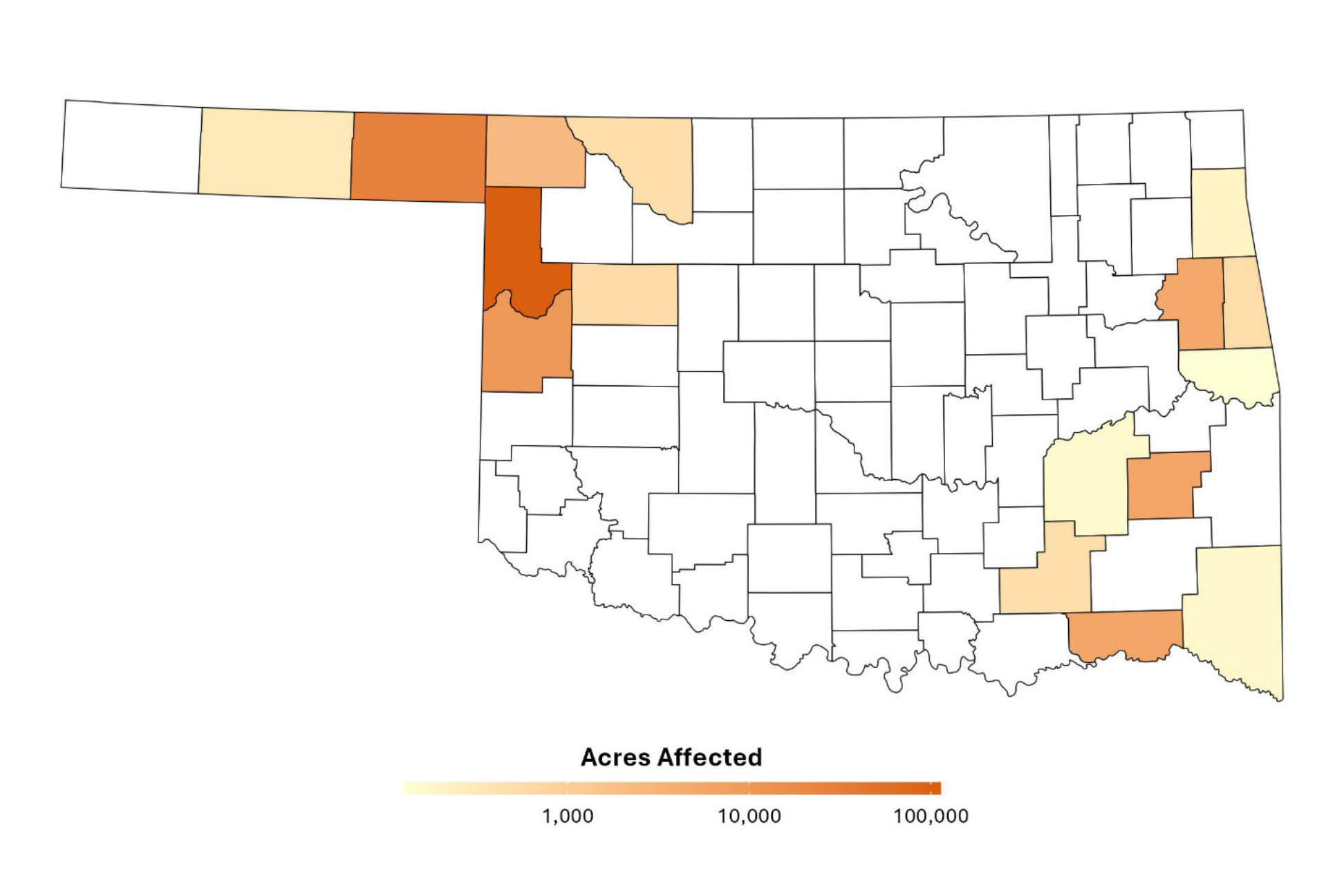
The fires in Oklahoma are typically wildfires, meaning they occur in undeveloped areas. These can range from small, quickly contained grass fires to larger blazes that consume hundreds or even thousands of acres.
- Grassfires: These are the most common type, fueled by the abundant dry grasses. While they may not always pose an immediate threat to human life or property, they can impact air quality, disrupt transportation, and destroy wildlife habitat.
- Brushfires and Forest Fires: In the eastern part of the state, where forests and denser brush are more prevalent, fires can become more intense and challenging to control, requiring significant resources from agencies like the Oklahoma Forestry Services and local fire departments.
The impact of these fires extends beyond the immediate flames. Smoke can travel for miles, affecting visibility and air quality in urban centers like Oklahoma City and Tulsa, and potentially impacting outdoor activities and tourism.
Navigating Travel and Accommodation Amidst Fire Concerns
For travelers, understanding the current fire situation in Oklahoma is essential for ensuring a safe and enjoyable trip. While widespread, uncontrollable fires are not a constant state, localized incidents can occur.
Real-Time Information and Safety Precautions
Staying informed about current fire activity is paramount. Official sources are the most reliable.

- Oklahoma Forestry Services: This agency is the primary source for official wildfire information. Their website and social media channels often provide maps of active fires, burn ban information, and daily fire danger assessments.
- Local News Outlets: Local television stations and newspapers in affected regions will be reporting on any significant fire activity, including road closures and evacuation notices.
- Emergency Management Agencies: County and state emergency management agencies are crucial for disseminating critical safety information.
When traveling to or through areas experiencing wildfire activity, it’s advisable to:
- Check for Road Closures: Fires can necessitate the closure of major highways and rural roads, impacting travel plans.
- Be Aware of Air Quality: Smoke can be a significant issue. If you have respiratory sensitivities, consider delaying travel to affected areas or taking precautions such as wearing a mask.
- Respect Burn Bans: If burn bans are in effect, adhere to them strictly. These bans are designed to prevent further ignitions.
- Stay Informed: Continue to monitor local news and official sources for updates on the fire situation.
Accommodation and Attraction Considerations
The presence of fires, even if distant, can influence travel decisions. While major tourist attractions and popular hotel destinations are usually not directly impacted by wildfires, smoke can be a concern.
- Urban Hotels: Hotels in cities like Oklahoma City, Tulsa, and Norman are generally insulated from direct fire impact. However, residents and visitors might experience reduced air quality due to smoke plumes.
- Rural and Nature-Based Stays: If your travel plans involve rural lodges, cabins, or stays near state parks like Beavers Bend State Park or Robbers Cave State Park, it’s especially important to check the fire situation in those specific vicinities. Fire activity can sometimes lead to temporary closures of parks or specific trails for safety reasons.
- Outdoor Activities: Hiking, camping, and other outdoor pursuits in affected areas might be limited or cancelled. Always check the status of parks and recreational areas before heading out.
For those looking for accommodations, whether a luxurious suite in Oklahoma City or a secluded cabin, it’s wise to have flexibility in your travel plans during peak fire seasons. Booking with hotels that offer flexible cancellation policies can provide peace of mind.
Oklahoma’s Resilience and Natural Beauty
Despite the recurring challenge of wildfires, Oklahoma remains a state of remarkable natural beauty and resilience. The landscape is shaped by these natural processes, and ecosystems have adapted to fire over millennia.
Preserving Oklahoma’s Iconic Landscapes
Many of Oklahoma’s most beloved landmarks and natural attractions are located in areas that are subject to fire.
- The Ozarks: The eastern Ozark Mountains region, with its rolling hills and forested areas, can experience fires that, when managed, can actually help clear underbrush and promote new growth.
- The Great Plains: The vast prairies of western and central Oklahoma are a testament to the ecological role of fire in maintaining grassland health. Historically, indigenous peoples used fire as a tool to manage these landscapes.
- The Wichita Mountains Wildlife Refuge: This iconic refuge, with its unique geological formations and diverse wildlife, also exists within a fire-prone ecosystem. Management practices often incorporate controlled burns.
While fires are a natural phenomenon, the focus for agencies and communities is on mitigating their destructive potential and ensuring the safety of residents and visitors.
The Role of Tourism in a Fire-Prone State
The tourism industry in Oklahoma thrives on its diverse attractions, from vibrant cities to breathtaking natural landscapes. The state’s ability to manage and communicate about fire risks directly impacts its appeal.
- Responsible Tourism: Travelers are encouraged to be responsible tourists, respecting the environment and following guidelines to prevent human-caused fires. This includes being mindful of campfires, properly disposing of smoking materials, and understanding local regulations.
- Support for Local Communities: When fires occur, local communities are often on the front lines. Supporting local businesses and tourism in unaffected areas is a way to help the state’s economy remain strong.
- Experiencing Oklahoma’s Culture: Beyond natural landscapes, Oklahoma boasts a rich tapestry of local culture, from its vibrant music scene to its delicious culinary offerings. Destinations like Bricktown in Oklahoma City or the historic districts in Tulsa offer experiences that are largely independent of wildfire concerns, though air quality can be a factor.
In conclusion, while the question “Where Are The Fires In Oklahoma?” might prompt immediate concern, understanding the context of seasonal fire activity, the diligent efforts of fire management agencies, and the resilient nature of the state’s ecosystems provides a more complete picture. For travelers, staying informed and planning with awareness ensures that the unparalleled beauty and rich experiences of Oklahoma can be enjoyed safely and responsibly.
LifeOutOfTheBox is a participant in the Amazon Services LLC Associates Program, an affiliate advertising program designed to provide a means for sites to earn advertising fees by advertising and linking to Amazon.com. Amazon, the Amazon logo, AmazonSupply, and the AmazonSupply logo are trademarks of Amazon.com, Inc. or its affiliates. As an Amazon Associate we earn affiliate commissions from qualifying purchases.