
Alaska, the Last Frontier, holds a mystical allure, especially for those dreaming of witnessing one of Earth’s most spectacular natural phenomena: the Northern Lights, or Aurora Borealis. This celestial ballet of vibrant greens, purples, and reds dancing across the polar sky is an experience that transcends mere sightseeing, embedding itself into the very fabric of memory. For adventurers, photographers, and romantics alike, the quest to find the Northern Lights in Alaska is not just about a destination; it’s about embracing a unique journey into the heart of the Arctic wilderness. This comprehensive guide will illuminate the best places, times, and ways to experience this breathtaking spectacle, ensuring your Alaskan adventure is as vibrant and unforgettable as the aurora itself.
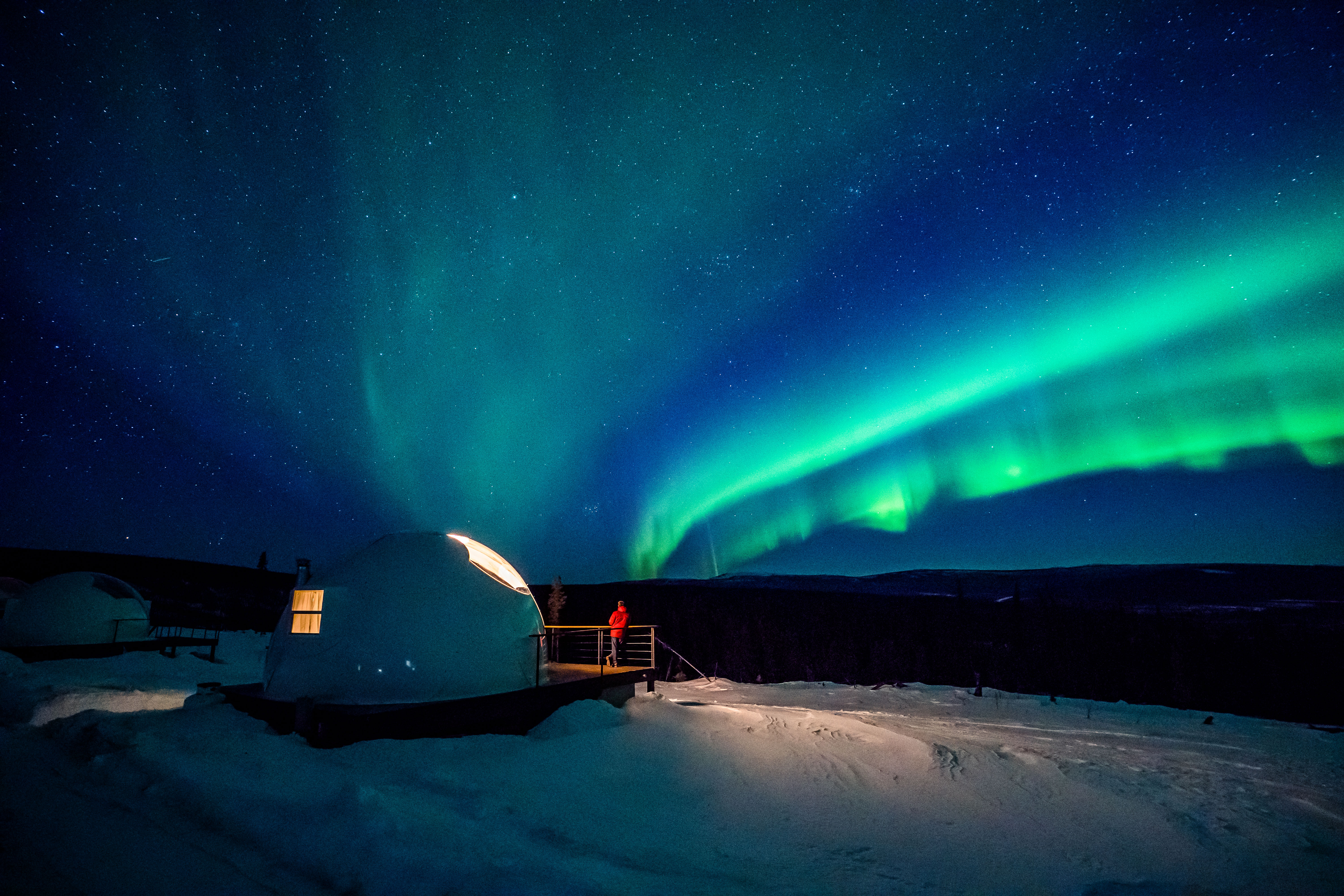
The Allure of the Aurora Borealis in Alaska
The captivating glow of the Northern Lights has inspired awe and wonder for centuries, woven into indigenous legends and scientific marvels. Alaska, by virtue of its high latitude and vast, unblemished wilderness, stands as one of the premier locations on the planet to witness this ethereal display. Understanding what causes this phenomenon and knowing the optimal conditions for viewing are the first steps in planning your aurora-chasing expedition.
Understanding the Phenomenon
At its core, the Aurora Borealis is a cosmic light show caused by the interaction of solar wind particles with the Earth’s magnetic field. When energized particles from the sun collide with gases in our planet’s atmosphere, they emit light, creating the stunning curtains and arcs we see in the night sky. The colors depend on the type of gas involved and the altitude at which the collision occurs: oxygen typically produces green and yellowish-green light, while nitrogen can result in blue, purple, and red hues. Alaska’s geographical position, primarily within the auroral oval—a band around the magnetic pole where the aurora is most active—makes it an exceptionally reliable spot for sightings. The further north you go, the greater your chances, and the more intense the display can be.
The Prime Season for Viewing
Timing is paramount when planning an aurora expedition. While the Northern Lights are present year-round, they are only visible when the sky is dark enough. This means the summer months, with their extended daylight hours (including the famous Midnight Sun), are unsuitable for aurora viewing. The prime season for chasing the aurora in Alaska generally runs from mid-August to late April. Within this window, the darkest months, such as September through March, offer the best chances due to longer nights.
Furthermore, consider the time of night. The aurora often becomes visible a few hours after sunset and can last until just before sunrise, with peak activity typically occurring between 10 PM and 3 AM. Patience is a virtue when aurora hunting; nature operates on its own schedule. Monitoring aurora forecasts, often available through university geophysical institutes or dedicated apps, can also help significantly increase your chances of being in the right place at the right time. These forecasts provide a Kp-index, which indicates the strength of the geomagnetic activity, with higher numbers correlating to more intense and widespread aurora displays.
Top Destinations for Chasing the Lights
While much of Alaska offers potential aurora viewing, certain regions stand out due to their consistent darkness, minimal light pollution, and infrastructure catering to aurora tourism. Choosing the right base for your adventure is crucial for a successful and comfortable experience.
Fairbanks: The Aurora Capital
Often hailed as the “Aurora Capital of North America,” Fairbanks is undoubtedly the best place in Alaska for Northern Lights viewing. Its location, just a few degrees south of the Arctic Circle, places it squarely within the auroral oval, ensuring frequent and vibrant displays. Fairbanks also benefits from relatively dry weather conditions compared to coastal areas, meaning fewer cloudy nights that could obstruct your view.
Fairbanks offers an array of viewing opportunities, from dedicated aurora lodges located outside the city lights to guided tours that transport you to optimal viewing spots. Popular choices include:
- Chena Hot Springs Resort: Located about 60 miles northeast of Fairbanks, Chena Hot Springs Resort combines the magic of the aurora with the relaxation of geothermal hot springs. Imagine soaking in warm mineral waters while the aurora dances overhead—an iconic Alaskan experience. The resort also boasts the Aurora Ice Museum, dog sledding, and snowmachine tours, making it a comprehensive winter destination.
- University of Alaska Fairbanks: The Geophysical Institute at the University of Alaska Fairbanks provides invaluable aurora forecasts and educational resources, often hosting public lectures on the science behind the lights. While not a viewing spot itself, it’s a critical resource for planning.
- Eielson Air Force Base: While access is restricted, the clear skies around this area often provide excellent viewing, a testament to the region’s prime location.
- Murphy Dome: A popular elevated viewing spot accessible by road, Murphy Dome offers panoramic views away from city lights. Many aurora tour operators utilize this or similar locations for their excursions.
- Aurora Borealis Lodge: Just 20 miles north of Fairbanks, this lodge is specifically designed for aurora watching, offering heated viewing rooms and wake-up calls when the lights appear.
Accommodation in Fairbanks ranges from cozy bed and breakfasts to full-service hotels. Consider staying at establishments like the Pike’s Waterfront Lodge or the SpringHill Suites by Marriott Fairbanks for comfort and convenience, with many offering shuttle services to viewing tours. For a more secluded experience, cabins or lodges further afield can be ideal.
Beyond Fairbanks: Other Alaskan Hotspots
While Fairbanks holds the crown, other Alaskan locales offer distinct aurora viewing experiences, often paired with different winter activities or unique landscapes.
- Anchorage Area: Anchorage, Alaska’s largest city, can occasionally witness the aurora, especially during strong displays. However, its significant light pollution makes it less ideal than locations further north. To increase your chances, drive north or south away from the city lights. Popular spots include Eagle River, Palmer, or towards Girdwood and the Turnagain Arm. Potter Marsh south of Anchorage can also offer decent views on clear nights. Many visitors combine a trip to Anchorage with a short flight or drive to Fairbanks for guaranteed aurora viewing.
- Denali National Park and Preserve: Imagine the aurora dancing over the snow-capped peaks of Denali, North America’s highest mountain. Denali National Park and Preserve offers incredibly dark skies and stunning backdrops for photography. However, accessibility in winter is limited. The park road is typically closed beyond a certain point, though you can still access the park entrance area. Staying in nearby towns like Healy or Cantwell provides options, but a self-sufficient approach is necessary.
- Utqiagvik (Barrow): As the northernmost city in the United States, Utqiagvik (formerly Barrow) offers an extreme Arctic experience and a very high probability of seeing the aurora due to its location deep within the auroral oval. However, it’s remote, expensive to reach, and experiences polar night (24 hours of darkness) for several months, making it a challenging but rewarding destination for dedicated aurora chasers.
- Coldfoot/Brooks Range: For the ultimate remote wilderness experience, heading north along the Dalton Highway to Coldfoot in the Brooks Range offers unparalleled dark skies and solitude. This is a journey for the truly adventurous, often involving specialized tours and staying at rustic lodges or camping. The area is famous for the Arctic Interagency Visitor Center which provides information on the region.
- Juneau and Southeast Alaska: While less common than in the interior, the Northern Lights can occasionally be seen in Juneau and other parts of Southeast Alaska, especially during periods of strong solar activity. However, the frequent cloud cover and coastal weather patterns make sightings less reliable here.
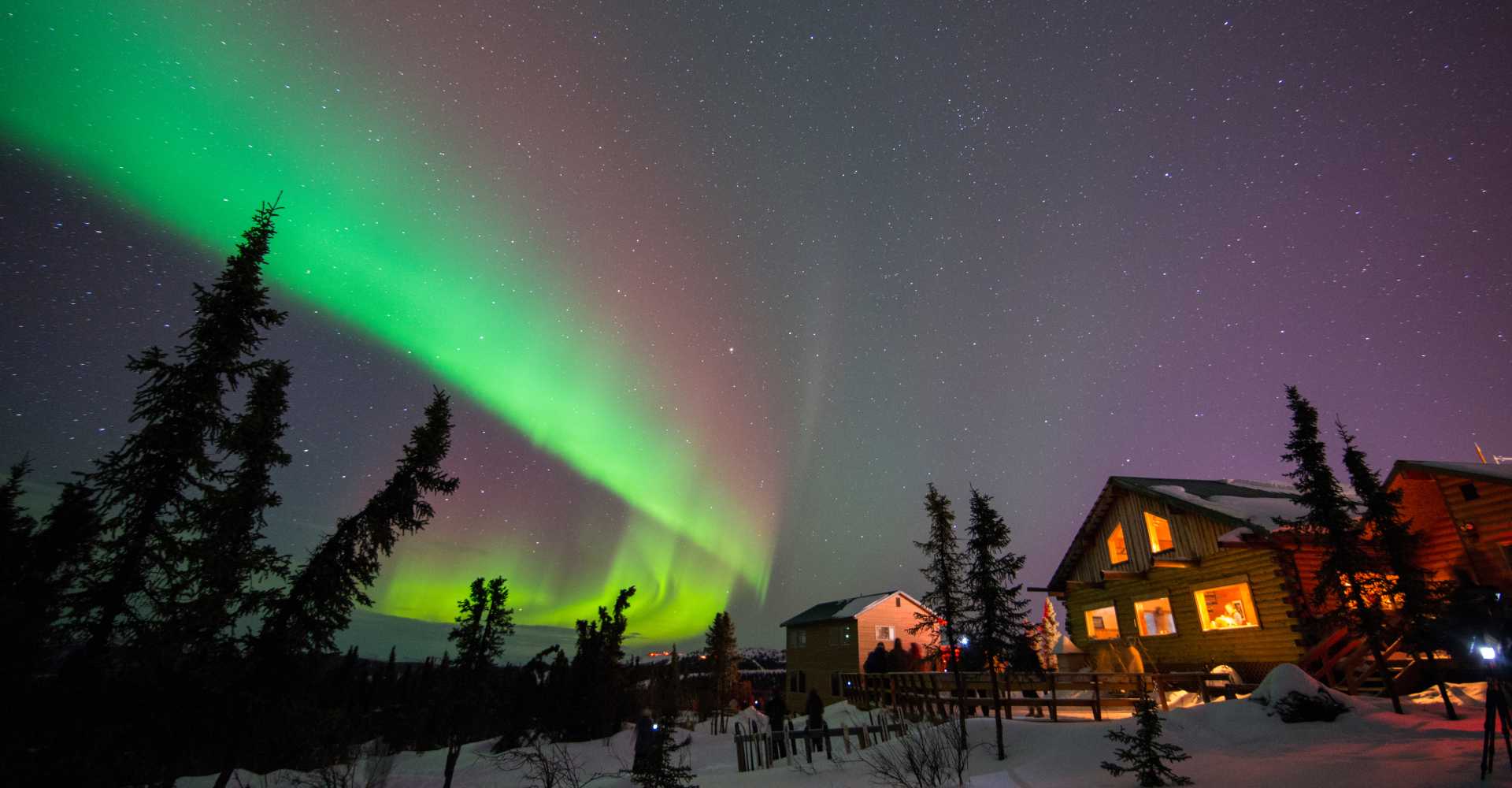
Enhancing Your Northern Lights Experience
Seeing the aurora is often a once-in-a-lifetime dream. To maximize your chances and make the experience truly memorable, consider practical tips for viewing, accommodation choices, and embracing other winter activities.
Essential Tips for Aurora Hunting
- Darkness is Key: Get away from city lights. Even a small amount of light pollution can diminish the aurora’s visibility.
- Clear Skies: Cloud cover is the biggest enemy of aurora viewing. Check weather forecasts diligently. Websites and apps dedicated to aurora forecasting also often provide cloud cover predictions.
- Patience and Persistence: The aurora can be elusive. You might need to wait for hours, or even several nights, for a good display. Don’t give up after one cloudy night.
- Warmth is Vital: Alaskan winters are intensely cold. Dress in multiple layers of warm clothing, including thermal underwear, waterproof outer layers, insulated boots, hats, and gloves. Hand warmers and toe warmers are highly recommended. A thermos of hot tea or coffee can also be a lifesaver.
- Camera Gear: If you plan to photograph the aurora, you’ll need a camera capable of manual settings (DSLR or mirrorless), a wide-angle lens with a low aperture (f/2.8 or lower), a sturdy tripod, and extra batteries (cold drains batteries quickly).
- Stay Informed: Follow aurora forecasts. The University of Alaska Fairbanks Geophysical Institute website is an excellent resource, providing daily forecasts and tips.
- Safety First: When heading out into remote areas, inform someone of your plans, carry emergency supplies, and be aware of wildlife, especially moose on roads.
Accommodation and Tour Options
Alaska offers a range of accommodation options to suit different budgets and preferences, from luxurious resorts to rustic cabins, many catering specifically to aurora chasers.
- Aurora Lodges: These specialized lodges, often located outside city limits, provide ideal viewing conditions with minimal light pollution. They often offer comfortable heated viewing areas, hot beverages, and wake-up services when the aurora appears. Examples might include Aurora Villa or other similar dedicated aurora retreats near Fairbanks.
- Hotels and Resorts: Major cities like Fairbanks and Anchorage have a variety of hotels. Many offer shuttle services to aurora tours or can arrange rental cars for independent exploration. Look for hotels that offer amenities like complimentary breakfast, robust heating, and perhaps even hot tubs for a relaxing experience after a cold night of aurora viewing. The Westmark Fairbanks Hotel is a popular choice for visitors to Fairbanks.
- Vacation Rentals: For longer stays or those seeking more independence, consider booking a cabin or apartment through services like Airbnb or local vacation rental agencies. This can offer a more authentic Alaskan lifestyle experience and often provides cooking facilities, which can be budget-friendly.
Numerous tour operators specialize in Northern Lights excursions. These tours often provide transportation to prime viewing locations, expert guides who can explain the phenomenon and offer photography tips, and sometimes even warm snacks and drinks. Some tours combine aurora viewing with other popular Alaskan activities like dog sledding, snowmobiling, or ice fishing, offering a holistic winter experience. Reputable operators in Fairbanks include Aurora Chasers or local companies offering specific tours.
Winter Adventures Beyond the Aurora
While the aurora is the main draw, Alaska in winter offers a plethora of activities that enrich your travel experience and provide plenty to do during daylight hours while you await nightfall. Embracing these local cultures and activities contributes to a full and memorable trip.
- Dog Sledding: Experience the thrill of a dog sled ride, a quintessential Alaskan tradition. Many tours offer hands-on experiences, from meeting the sled dogs to learning about mushing. This is a fantastic way to engage with Alaskan heritage and enjoy the snowy landscapes.
- Ice Sculpting and Ice Art: Fairbanks hosts the annual World Ice Art Championships, showcasing incredible frozen masterpieces. Even outside the competition, ice sculptures can be found around the city.
- Snowmobiling (Snowmachining): Explore the vast winter wilderness on a snowmobile, known locally as a “snowmachine.” Guided tours are available for all skill levels.
- Cross-Country Skiing and Snowshoeing: Alaska boasts numerous trails perfect for cross-country skiing and snowshoeing, offering serene ways to experience the winter landscape. The Creamer’s Field Migratory Waterfowl Refuge in Fairbanks offers accessible trails.
- Ice Fishing: Try your hand at ice fishing on one of Alaska’s frozen lakes, often with the comfort of a heated hut.
- Hot Springs: Besides Chena Hot Springs, other smaller, more rustic hot springs can be found, providing therapeutic warmth in the cold.
- Cultural Experiences: Visit local museums, like the Fountainhead Antique Auto Museum in Fairbanks or the Anchorage Museum, to delve into Alaska’s rich history, indigenous cultures, and unique lifestyle. Enjoy local Alaskan cuisine, from fresh salmon to reindeer sausage.
- Wildlife Viewing: Keep an eye out for winter wildlife, including moose, caribou, and perhaps even wolves, especially in more remote areas.
Planning Your Unforgettable Alaskan Journey
A trip to Alaska to see the Northern Lights is an investment in an extraordinary experience. Careful planning regarding budgeting, booking, and packing will ensure a smooth and enjoyable adventure.
Budgeting and Preparation
An Alaskan winter trip, especially one focused on aurora viewing, can be an expensive endeavor. Flights to Fairbanks or Anchorage, specialized tours, and comfortable winter accommodation all add up.
- Flights: Book flights well in advance, especially if traveling during peak aurora season (September-March). Compare prices from different airlines and consider flying into Ted Stevens Anchorage International Airport (ANC) and then taking a connecting flight or scenic train ride to Fairbanks.
- Accommodation: Book your hotels, lodges, or cabins early, particularly for popular aurora-centric resorts like Chena Hot Springs, which can sell out months in advance. Look for options that offer flexible cancellation policies.
- Tours: Research and book aurora tours and other activities (dog sledding, snowmobiling) in advance. Many reputable tour operators like Salmon Berry Tours or Alaska Wildlife Tour offer multi-day packages that can be cost-effective and provide a seamless experience.
- Transportation: While some tours include transport, renting a 4×4 vehicle with winter tires can offer greater flexibility for independent aurora hunting. Be prepared for winter driving conditions and inquire about rental car chains or studded tires.
- Travel Insurance: Given the unpredictable nature of winter travel (weather delays, tour cancellations) and the cost of the trip, comprehensive travel insurance is highly recommended.
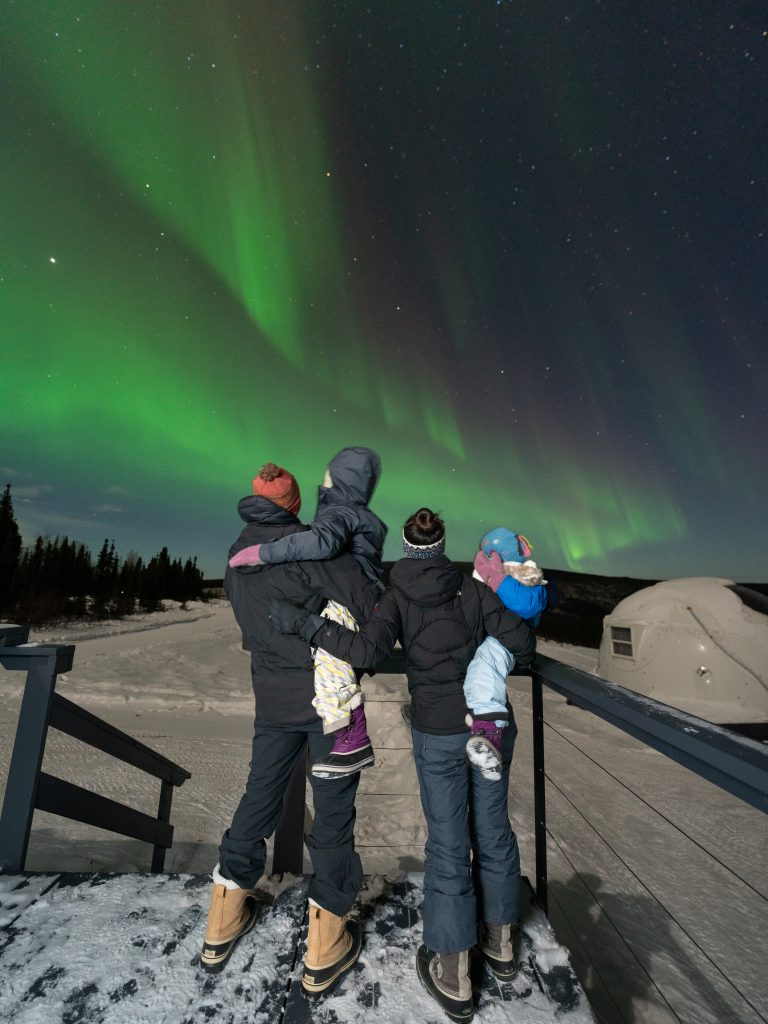
Packing for the Alaskan Winter
Proper attire is not just about comfort; it’s about safety in the extreme cold. Layering is the most effective strategy.
- Base Layers: Moisture-wicking thermal underwear (wool or synthetic).
- Mid-Layers: Fleece jackets, down vests, wool sweaters.
- Outer Layers: Waterproof and windproof insulated parka, insulated snow pants. Look for ratings suitable for -20°F to -40°F (-29°C to -40°C).
- Footwear: Insulated, waterproof winter boots with thick soles and good traction, rated for extreme cold. Bring wool socks (several pairs).
- Headwear: A warm, windproof hat that covers your ears, and perhaps a balaclava or neck gaiter.
- Handwear: Layered gloves or mittens – thin liners inside insulated, waterproof mittens are ideal.
- Accessories: Hand warmers, toe warmers, sunglasses (for daytime glare off snow), headlamp or small flashlight, power bank for electronics, and any necessary camera gear.
In conclusion, the quest for the Northern Lights in Alaska is an adventure brimming with anticipation, natural beauty, and unforgettable moments. From the auroral heartland of Fairbanks to the rugged landscapes of the Arctic, Alaska offers unparalleled opportunities to witness this celestial marvel. By preparing thoroughly, embracing the winter wilderness, and allowing for patience and spontaneity, you can transform a dream into a vivid reality, carrying the incandescent glow of the aurora in your memories long after you’ve returned home. This isn’t just a trip; it’s an immersion into one of Earth’s most profound and beautiful mysteries, promising a travel lifestyle experience that few places on the planet can offer.
LifeOutOfTheBox is a participant in the Amazon Services LLC Associates Program, an affiliate advertising program designed to provide a means for sites to earn advertising fees by advertising and linking to Amazon.com. Amazon, the Amazon logo, AmazonSupply, and the AmazonSupply logo are trademarks of Amazon.com, Inc. or its affiliates. As an Amazon Associate we earn affiliate commissions from qualifying purchases.