
Oregon, a jewel of the Pacific Northwest, is renowned for its stunning natural beauty, from the rugged coastline to the towering peaks of the Cascade Range and the high desert landscapes. This diverse topography makes it an irresistible destination for travelers seeking adventure, relaxation, and unique cultural experiences. However, like many Western states, Oregon experiences wildfire seasons, which naturally raise concerns for potential visitors. Understanding the current wildfire situation is crucial for planning a safe and enjoyable trip, ensuring you can still embrace the myriad attractions and experiences Oregon has to offer. This article aims to provide a comprehensive overview for tourists, focusing on how wildfires impact travel, accommodation, and the overall tourism landscape, while offering practical advice for navigating your Oregon adventure.
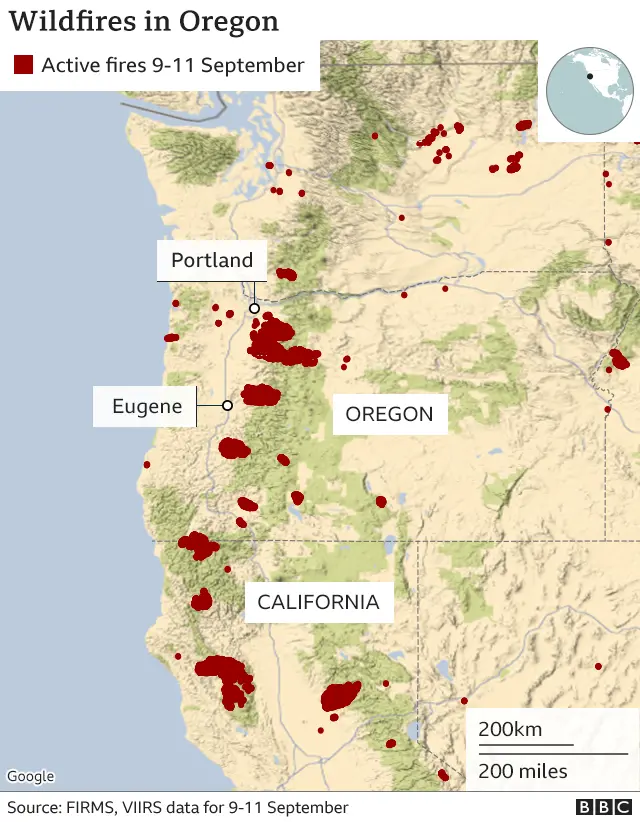
Understanding the Wildfire Landscape in Oregon
Wildfires are a natural, albeit often destructive, part of many forest ecosystems, particularly in regions with hot, dry summers. In Oregon, the wildfire season typically peaks between July and September, though conditions can sometimes extend into earlier or later months depending on weather patterns, drought conditions, and ignition sources. It’s important to remember that wildfires are dynamic; their locations, sizes, and impacts can change rapidly. This makes real-time information and proactive planning essential for travelers.
The Seasonal Nature of Oregon Wildfires
The onset of warm, dry weather, often preceded by a wet spring that fuels vegetation growth, creates prime conditions for wildfires in Oregon. The state’s varied climate zones mean that while one region might be experiencing significant fire activity, another could be entirely unaffected and perfectly safe for travel. The heavily forested areas of the Cascade Range, Southern Oregon, and parts of Eastern Oregon are typically more susceptible to larger fires. These fires are often sparked by lightning strikes in remote areas or human activity closer to populated zones.
Understanding this seasonality helps set realistic expectations. Travelers planning trips during peak summer months should always factor in the possibility of wildfire activity and its potential impacts, such as smoky skies, trail closures, or even road diversions. This proactive approach allows for flexibility in itineraries and encourages visitors to seek out the most current information before and during their journey.
Key Regions Affected and Unaffected
It’s a common misconception that if there are wildfires in Oregon, the entire state is impacted. In reality, fires tend to be localized. Historically, significant fires have occurred in areas like the Columbia River Gorge, near Crater Lake National Park, and in the national forests surrounding Bend and Ashland. However, vast stretches of the state, including major metropolitan areas like Portland, the vast majority of the Willamette Valley wine country, and much of the stunning Oregon Coast, often remain unaffected by direct fire activity.
- Oregon Coast: The cool, moist air from the Pacific Ocean typically keeps the coast less prone to large wildfires. Destinations like Cannon Beach, Newport, and Astoria usually offer clear skies and refreshing sea breezes, making them excellent alternatives if inland areas are smoky.
- Willamette Valley: Home to Oregon’s renowned wine country and charming small towns, this fertile valley is generally protected from direct fire threats due to its agricultural landscape and lower forest density compared to mountainous regions.
- Major Cities: Portland, Salem, and Eugene rarely face direct fire threats. While they might experience periods of smoky air depending on wind patterns, urban attractions, hotels, and restaurants continue to operate normally.
It’s crucial for travelers to focus on specific fire locations and air quality reports rather than making broad assumptions about the entire state. Many popular landmarks and destinations, especially those outside dense forest areas, continue to welcome visitors throughout the summer.
Impact on Travel and Tourism in the Pacific Northwest
Wildfires, while localized, can have a ripple effect on the travel and tourism industry. This impact primarily manifests in air quality, road closures, and the temporary cessation of certain outdoor activities. However, the industry in Oregon is resilient, adapting swiftly to ensure visitor safety and continued access to experiences.
Air Quality and Outdoor Activities
One of the most widespread impacts of wildfires, even those far from populated areas, is reduced air quality due to smoke. Smoke plumes can travel hundreds of miles, affecting visibility and posing health risks, particularly for sensitive groups. When air quality is poor, outdoor activities like hiking, cycling, and even leisurely strolls can become uncomfortable or unsafe. Popular spots for these activities, such as trails in the Deschutes National Forest near Bend or high-elevation hikes around Mount Hood, may issue warnings or temporary closures.
Conversely, areas with good air quality remain ideal for exploration. Travelers might pivot from strenuous hikes to indoor attractions like museums in Portland, wine tastings in the Willamette Valley, or exploring the vibrant coastal towns. Hotels, resorts, and various accommodation providers across the state implement strategies to inform guests about local conditions, often providing real-time updates and suggesting alternative activities that don’t depend on pristine outdoor air. This adaptability allows tourists to continue enjoying their Oregon experience, albeit with potential adjustments.
Road Closures and Transportation
Directly affected wildfire areas often necessitate road closures, rerouting traffic, and sometimes even temporary evacuations. Major highways like I-5, which runs north-south through the state, are rarely closed for extended periods due to wildfires, but secondary routes leading into wilderness areas or specific national forests might be. This can affect travel times and access to certain landmarks or remote lodges.
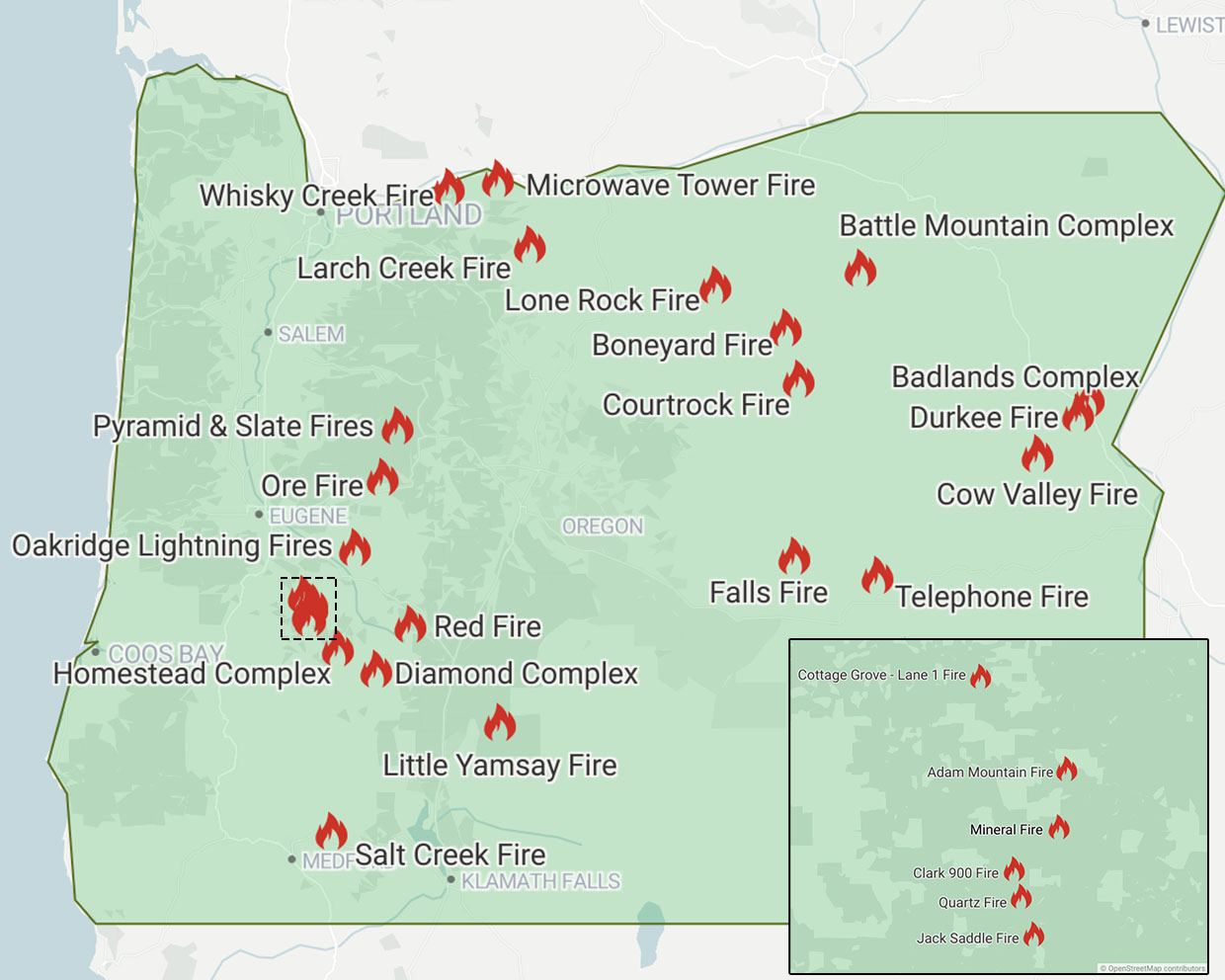
Travelers should always consult the Oregon Department of Transportation (ODOT) for real-time road conditions. Furthermore, if you’ve booked accommodation in or near a fire-affected zone, it’s wise to contact your hotel or Airbnb host directly. Many properties, especially those in remote or natural settings, have contingency plans and are proactive in communicating any potential disruptions or offering booking modifications. For instance, a long-term stay in a Central Oregon cabin might need to be adjusted if nearby trails are closed, but a downtown Portland hotel stay would likely be unaffected beyond possibly some smoky haze.
Resilience of Oregon’s Tourism Sector
Despite the challenges, Oregon’s tourism sector demonstrates remarkable resilience. Businesses, from boutique hotels in Ashland to adventure tour operators in Bend, are well-versed in managing wildfire season impacts. They often collaborate with local authorities and tourism boards like Travel Oregon to provide up-to-date information and offer alternative experiences. Many hotels and resorts promote their indoor amenities, spa services, or local cultural attractions during periods of smoke, ensuring guests still have a fulfilling experience. This proactive approach minimizes disruption for visitors and helps sustain the local economy.
The lifestyle of Oregon residents and businesses is deeply intertwined with its natural environment. This means there’s a collective effort to recover quickly, protect natural resources, and continue to offer world-class hospitality, whether for luxury travel, budget-friendly trips, family adventures, or business stays.
Navigating Your Oregon Adventure Safely
Planning a trip to Oregon during wildfire season requires a bit more preparation, but it absolutely doesn’t mean canceling your plans. With the right information and a flexible mindset, you can still have an incredible journey.
Essential Resources for Travelers
Staying informed is your best defense against unexpected disruptions. Before and during your trip, consult reliable, real-time sources:
- Official Fire Information: The Oregon Department of Forestry (ODF) and the US Forest Service websites are primary sources for active fire incidents, containment levels, and forest closures.
- Air Quality Reports: Websites like AirNow.gov provide real-time air quality index (AQI) maps. This is crucial for planning outdoor activities. Look for areas with a “Good” or “Moderate” AQI.
- Road Conditions: The Oregon Department of Transportation (ODOT) trip check website offers live updates on road closures and traffic cameras.
- Tourism Boards: Travel Oregon and local tourism organizations (e.g., Visit Bend, Travel Portland) often provide traveler advisories and suggestions for unaffected areas or alternative activities.
- Accommodation Providers: If you’ve booked hotels, apartments, or villas, reach out to them directly. They are a valuable local resource and can offer specific advice regarding your booking and the immediate area.
Consider travel insurance that covers wildfire-related cancellations or interruptions, especially if you’re traveling during peak fire season and have non-refundable bookings. This can provide peace of mind and financial protection.
Exploring Alternative Destinations and Experiences
Flexibility is key. If your original plan was to hike the Pacific Crest Trail in Southern Oregon or explore the wilderness around Sisters, and those areas are affected by smoke or closures, don’t despair! Oregon offers a wealth of diverse experiences:
- Coastal Retreats: Head to the Oregon Coast for dramatic cliffs, charming lighthouses, fresh seafood, and beachcombing. From luxury resorts to cozy beachfront apartments, accommodation options abound.
- Willamette Valley Wine Country: Indulge in world-class Pinot Noir tastings and exquisite culinary experiences. The valley’s picturesque vineyards offer a relaxed atmosphere, often with clear skies.
- Urban Explorations: Portland boasts a vibrant food scene, eclectic neighborhoods, world-class museums, and unique shops. Its hotels range from luxurious suites to trendy boutique options. Salem, the state capital, also offers historical sites and local charm.
- Indoor Attractions: Explore Oregon’s many museums, art galleries, breweries, and distilleries. These provide excellent opportunities to immerse yourself in local culture and history, regardless of outdoor conditions.
- Water-Based Activities (with caution): Rivers like the Rogue River (if unaffected by fire directly upstream) or Oregon’s numerous lakes can offer clear air and refreshing activities like kayaking or fishing. Always check local advisories.
By being open to adjusting your itinerary, you can still discover the unparalleled beauty and unique lifestyle that makes Oregon a beloved travel destination. This might involve a shift from remote wilderness camping to a resort stay with indoor amenities, or from strenuous hiking to exploring charming small towns and their local eateries.

Supporting Oregon’s Recovery and Future Travel
Even during and after wildfire events, responsible tourism plays a vital role in Oregon’s recovery. When you choose to visit unaffected areas, book accommodations, dine at local restaurants, and engage with local businesses, you directly support the communities and the state’s economy. Many tourism-dependent areas rely heavily on visitor spending.
When traveling in Oregon, especially during drier months, always practice fire safety:
- Campfire Regulations: Adhere strictly to local campfire bans and regulations, which can change frequently.
- Vehicle Safety: Be mindful of where you park, avoiding dry grass, and ensure your vehicle is well-maintained to prevent sparks.
- Disposing of Cigarettes: Properly extinguish and dispose of all smoking materials.
- Spark-Generating Activities: Be aware of activities that can generate sparks, such as using certain tools or fireworks, which are often prohibited.
By being a responsible traveler and staying informed, you contribute to the safety and sustainability of Oregon’s natural treasures. The state’s dedication to preserving its natural beauty, combined with the resilience of its tourism industry, ensures that Oregon remains an extraordinary place to visit, offering countless adventures and unforgettable experiences year after year. Whether you’re planning a luxurious escape or a budget-friendly road trip, Oregon awaits with open arms, ready to share its diverse landscapes and vibrant culture.
LifeOutOfTheBox is a participant in the Amazon Services LLC Associates Program, an affiliate advertising program designed to provide a means for sites to earn advertising fees by advertising and linking to Amazon.com. Amazon, the Amazon logo, AmazonSupply, and the AmazonSupply logo are trademarks of Amazon.com, Inc. or its affiliates. As an Amazon Associate we earn affiliate commissions from qualifying purchases.