
Chicago, the “Windy City,” is a global metropolis renowned for its stunning architecture, vibrant arts scene, world-class museums, and an unparalleled culinary landscape. It attracts millions of tourists annually, eager to experience its unique blend of Midwestern charm and big-city sophistication. However, like any major urban center, Chicago is also a living, breathing entity, a crucible of social and political discourse where public assembly and protest are part of its democratic fabric. For the prospective tourist, the question “Where are the protesters in Chicago?” isn’t merely a matter of current events, but a practical concern related to safety, navigation, and the overall travel experience. This guide aims to reframe this inquiry within the context of tourism, providing insights into Chicago’s dynamic environment and offering advice on how to enjoy its many attractions while remaining informed and respectful of its local pulse.

The presence of public demonstrations, whether large or small, is a testament to the freedom of expression and the active civic engagement that defines many United States cities. Rather than viewing such events as deterrents, an informed tourist can understand them as a facet of the local culture, much like its historical landmarks or neighborhood festivals. Our goal is to equip you with the knowledge to navigate Chicago confidently, ensuring your visit is both enriching and undisturbed, allowing you to immerse yourself fully in the beauty and excitement this magnificent city offers.
Chicago’s Vibrant Pulse: Understanding the City’s Activist Spirit
Chicago’s character is deeply intertwined with its history of social movements and civic participation. From its labor union roots to pivotal civil rights struggles, the city has long been a stage for public dialogue and advocacy. Understanding this inherent dynamism is key to appreciating Chicago’s unique atmosphere and anticipating where and why public assemblies might occur.
A History of Engagement: Chicago’s Legacy of Social Action
Chicago’s history is punctuated by significant moments of social and political activism. The city was a hotbed for labor movements in the late 19th and early 20th centuries, giving rise to events that shaped workers’ rights nationwide. Later, during the Civil Rights Movement, Chicago became a crucial battleground for equality. This rich legacy means that public assembly and the expression of diverse viewpoints are ingrained in the city’s identity. Residents are accustomed to gathering to voice opinions on local, national, and global issues, making the occasional protest a natural, rather than exceptional, occurrence in the urban landscape. This historical context helps tourists understand that such events are not typically random or chaotic but are often organized expressions of community concerns.
Identifying Common Protest Areas and Dynamics
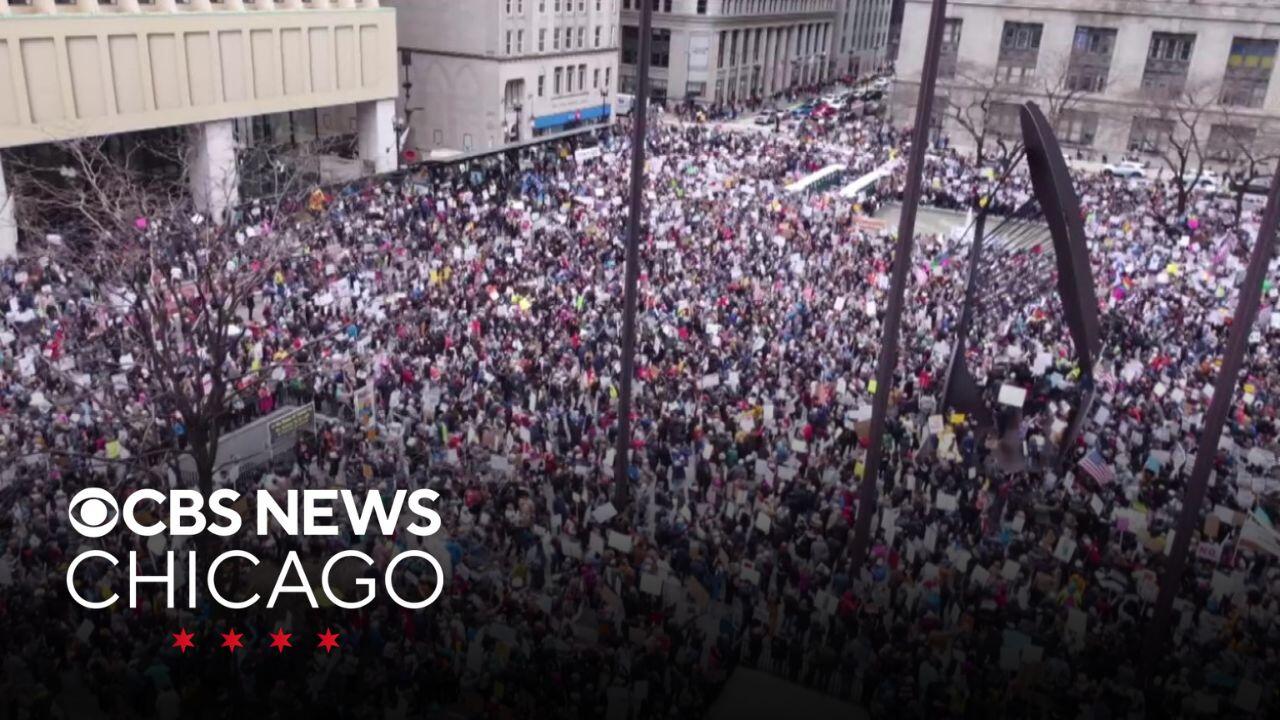
Protests in Chicago, when they occur, tend to follow predictable patterns and congregate in specific areas known for public gatherings. The Loop and areas around government buildings, such as the Richard J. Daley Center, City Hall, and the Federal Plaza, are common venues due to their symbolic significance and high visibility. Large parks like Grant Park and Millennium Park, while primarily tourist attractions, can occasionally serve as starting or ending points for marches. Major thoroughfares like Michigan Avenue (particularly the Magnificent Mile) are also sometimes used for marches, impacting traffic and pedestrian flow.
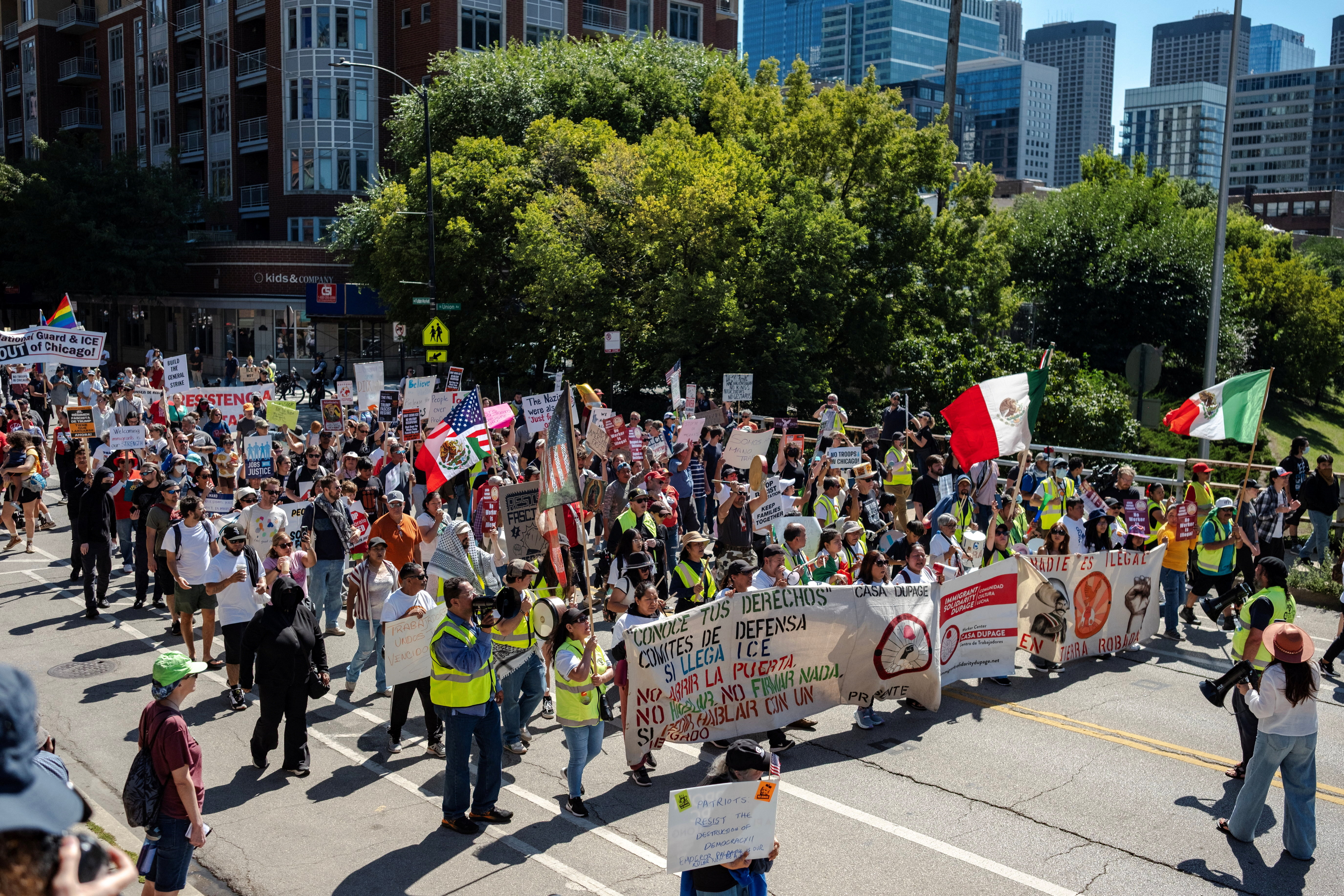
It’s important to recognize that most demonstrations are peaceful, organized events with specific routes and intentions. Organizers typically coordinate with city officials to ensure safety and minimize disruption. The dynamics usually involve speeches, signs, and marching, often dissipating within a few hours.
Distinguishing Peaceful Assembly from Disruptive Events
For tourists, it’s crucial to distinguish between a peaceful, organized assembly and genuinely disruptive or unsafe situations. The vast majority of protests in Chicago fall into the former category. They are often colorful and passionate expressions of opinion, which a tourist can observe from a safe distance, if desired, as another aspect of city life. These events are generally localized and do not pose a threat to general tourism activities.
In rare instances, events can escalate or deviate from their intended peaceful nature. However, Chicago law enforcement is well-versed in managing such situations, often deploying resources to ensure public safety and to contain any potential unrest. As a tourist, your best course of action is always to maintain awareness of your surroundings, follow any instructions from authorities, and if you encounter an event that makes you uncomfortable, simply steer clear and choose an alternate route. The city is vast, and opportunities for enjoyment abound, often just a few blocks away from any isolated incident.
Planning Your Visit: Minimizing Impact, Maximizing Experience
An informed approach to planning your Chicago itinerary can significantly enhance your travel experience, ensuring that potential localized events do not detract from your enjoyment of the city. Being prepared and knowing how to access reliable information are your best tools.
Staying Informed: Reliable Local Resources for Tourists
Before and during your trip, leverage official and reliable local resources to stay informed about any potential events that might affect your plans.
- Official City Websites: The City of Chicago’s official website often posts alerts or information regarding major street closures or planned events.
- Local News Outlets: Major Chicago news websites (e.g., Chicago Tribune, Chicago Sun-Times, local TV news affiliates) are excellent sources for real-time updates on traffic, public gatherings, and community events.
- Public Transportation Alerts: Check the Chicago Transit Authority (CTA) website or app for service alerts, especially concerning bus routes that might be re-routed due to street closures.
- Hotel Concierge: Your hotel’s concierge or front desk staff will often have up-to-date local information and can provide guidance on navigating the city.
Strategic Itinerary Planning: Avoiding Potential Hotspots
When planning your daily activities, consider the geographical patterns of public gatherings. While unlikely to directly impact most tourist activities, being aware can help you choose the most convenient routes.
- Weekdays vs. Weekends: Major protests are more common on weekdays during business hours, targeting government or corporate centers. Weekends might see more community-focused events or marches.
- Major Event Days: Be mindful of dates that might naturally draw protests, such as national holidays, election days, or significant anniversaries.
- Flexibility is Key: Build some flexibility into your itinerary. If a particular area seems busy or a street is closed, Chicago offers countless alternative attractions. A quick detour can lead you to an unexpected gem. For example, if the Loop is congested, consider exploring neighborhoods like River North or Lincoln Park.
Transportation and Accessibility Considerations
Public transportation is generally the most efficient way to navigate Chicago. The CTA ‘L’ train system is largely unaffected by street-level events, offering a reliable way to get around. Bus routes, however, might be temporarily rerouted.
- Utilize the ‘L’ Train: The elevated and subway ‘L’ lines connect most major attractions and neighborhoods, providing a quick way to bypass street-level disruptions.
- Check Bus Reroutes: If you plan to rely on buses, always check the CTA app or website for real-time reroute information.
- Rideshares/Taxis: While convenient, rideshares and taxis will also be subject to street closures and traffic, potentially leading to longer travel times and surge pricing during affected periods.
- Walking: Chicago is a very walkable city, particularly downtown and along the waterfront. If you encounter a localized event, walking a block or two around it can often resolve the issue.
Discovering Chicago’s Enduring Charms: What Tourists Can Still Enjoy
Regardless of any localized urban dynamics, Chicago’s vast array of attractions ensures that your visit will be filled with memorable experiences. The city’s primary tourist draws are often far removed from potential areas of public assembly, guaranteeing uninterrupted enjoyment.
Iconic Landmarks and Cultural Institutions
Chicago boasts an impressive collection of world-renowned landmarks and cultural institutions that remain accessible and welcoming.
- Architectural Wonders: Take an architectural boat tour along the Chicago River to admire the city’s iconic skyline. Visit the Willis Tower (formerly Sears Tower) Skydeck or 360 Chicago at the John Hancock Center for breathtaking views.
- Museum Campus: The Museum Campus on the lakefront is home to the Field Museum, Shedd Aquarium, and Adler Planetarium, offering days of exploration away from downtown bustle.
- Art and Culture: Immerse yourself in art at the Art Institute of Chicago, explore the vibrant theater scene, or catch a show in the Loop’s historic theaters.
- Millennium Park: No visit is complete without seeing Cloud Gate (The Bean) and enjoying the interactive fountains and sculptures.
Culinary Journeys and Neighborhood Explorations
Chicago’s culinary scene is legendary, and its diverse neighborhoods offer unique cultural experiences, most of which are unaffected by downtown activities.
- Deep Dish Pizza and Beyond: Indulge in classic Chicago deep dish pizza, explore Michelin-starred restaurants, or sample diverse international cuisines in neighborhoods like Pilsen or Andersonville.
- Neighborhood Charms: Wander through the upscale boutiques and historic mansions of the Gold Coast, discover the vibrant street art in Wicker Park, or catch a baseball game in Wrigleyville. Each neighborhood offers a distinct flavor of Chicago life.
- Food Tours: Many guided food tours focus on specific neighborhoods or culinary themes, providing a delicious and immersive way to experience local culture.
Green Spaces and Waterfront Escapes
Chicago’s commitment to green spaces and its stunning lakefront offer serene escapes from the urban environment.
- Lakefront Trail: Enjoy miles of scenic walking, jogging, or biking along the shores of Lake Michigan. This expansive trail stretches for 18 miles and provides stunning views of the skyline and the vast lake.
- Lincoln Park Zoo: A free zoo located within a beautiful park, offering a delightful experience for families and animal lovers.
- Navy Pier: A bustling hub of entertainment, dining, and attractions right on the lake, offering boat tours, rides, and cultural events.
Embracing the Local Fabric: Respectful Engagement for Tourists
Visiting a dynamic city like Chicago offers an opportunity not just to see its sights but to engage with its living culture. Understanding the local context, even concerning public assemblies, can deepen your appreciation for the destination.
Observing Local Customs and Norms
Tourists are guests in Chicago, and observing local customs and norms contributes to a positive experience for everyone. This includes respecting public spaces, being mindful of noise levels, and understanding the ebb and flow of urban life. If you encounter a peaceful demonstration, maintaining a respectful distance and avoiding actions that could be perceived as provocative or intrusive (e.g., trying to join without understanding the cause, taking overly intrusive photos) is advisable. Chicagoans are generally friendly and direct, appreciating politeness and consideration.
Supporting Local Businesses and Communities
One of the most impactful ways to experience and support Chicago’s local culture is by patronizing its diverse businesses. From independent boutiques on State Street to family-owned restaurants in Little Italy or Chinatown, your tourism dollars directly contribute to the city’s vibrant economy and unique character. This support helps ensure that the cultural richness that attracts tourists continues to thrive, often in areas far removed from any potential temporary disruptions. Exploring different neighborhoods and seeking out local establishments provides a more authentic and rewarding travel experience.
The Tourist’s Role in a Dynamic Urban Environment
Ultimately, a tourist’s role in a dynamic urban environment like Chicago is one of respectful engagement and informed awareness. While the question “Where are the protesters in Chicago?” might arise, it rarely needs to be a primary concern for most visitors. By staying informed, planning intelligently, and focusing on the myriad of wonderful experiences Chicago has to offer, you can ensure a memorable and enjoyable trip. Embrace the city’s energy, delve into its history and culture, savor its culinary delights, and discover why Chicago remains one of the world’s most beloved destinations. The city welcomes you, ready to share its enduring charms and vibrant spirit, no matter its daily pulse.
LifeOutOfTheBox is a participant in the Amazon Services LLC Associates Program, an affiliate advertising program designed to provide a means for sites to earn advertising fees by advertising and linking to Amazon.com. Amazon, the Amazon logo, AmazonSupply, and the AmazonSupply logo are trademarks of Amazon.com, Inc. or its affiliates. As an Amazon Associate we earn affiliate commissions from qualifying purchases.