
California, a state renowned for its diverse landscapes, from sun-drenched beaches to snow-capped mountains, is perhaps most globally recognized for its monumental trees: the Sequoia and Redwood. These magnificent giants, remnants of ancient forests, are not merely trees but living landmarks, embodying millennia of natural history and standing as profound symbols of resilience and grandeur. For those seeking to witness these botanical marvels, understanding their distinct geographical distribution across California is paramount. While often grouped under the general term “sequoia,” there are, in fact, two primary species: the Coastal Redwood (Sequoia sempervirens) and the Giant Sequoia (Sequoiadendron giganteum), each occupying specific ecological niches and offering unique experiences for visitors.
The Majestic Giants: Distinguishing California’s Ancient Forests
Before embarking on a journey to find these iconic trees, it’s crucial to understand the fundamental differences between the Coastal Redwood and the Giant Sequoia. Though both belong to the redwood family (Cupressaceae) and inspire unparalleled awe, their habitats, appearance, and record-breaking attributes set them apart, guiding where one must travel to encounter them.
Coastal Redwoods: The World’s Tallest Living Things
The Coastal Redwood (Sequoia sempervirens) is famously known as the tallest tree species on Earth. These slender, soaring giants thrive in a specific, narrow belt along California’s northern and central coast, where the persistent coastal fog provides the ideal moisture and moderate temperatures they require. Their reddish-brown bark is deeply furrowed, and their crowns reach astonishing heights, often exceeding 300 feet, with some specimens pushing past 380 feet. Walking among Coastal Redwoods is an experience of verticality, a journey into a cathedral-like forest where shafts of sunlight struggle to penetrate the dense canopy. Their primary habitat extends from the southwestern corner of Oregon down to the Big Sur region of California.
Giant Sequoias: The World’s Most Voluminous Trees
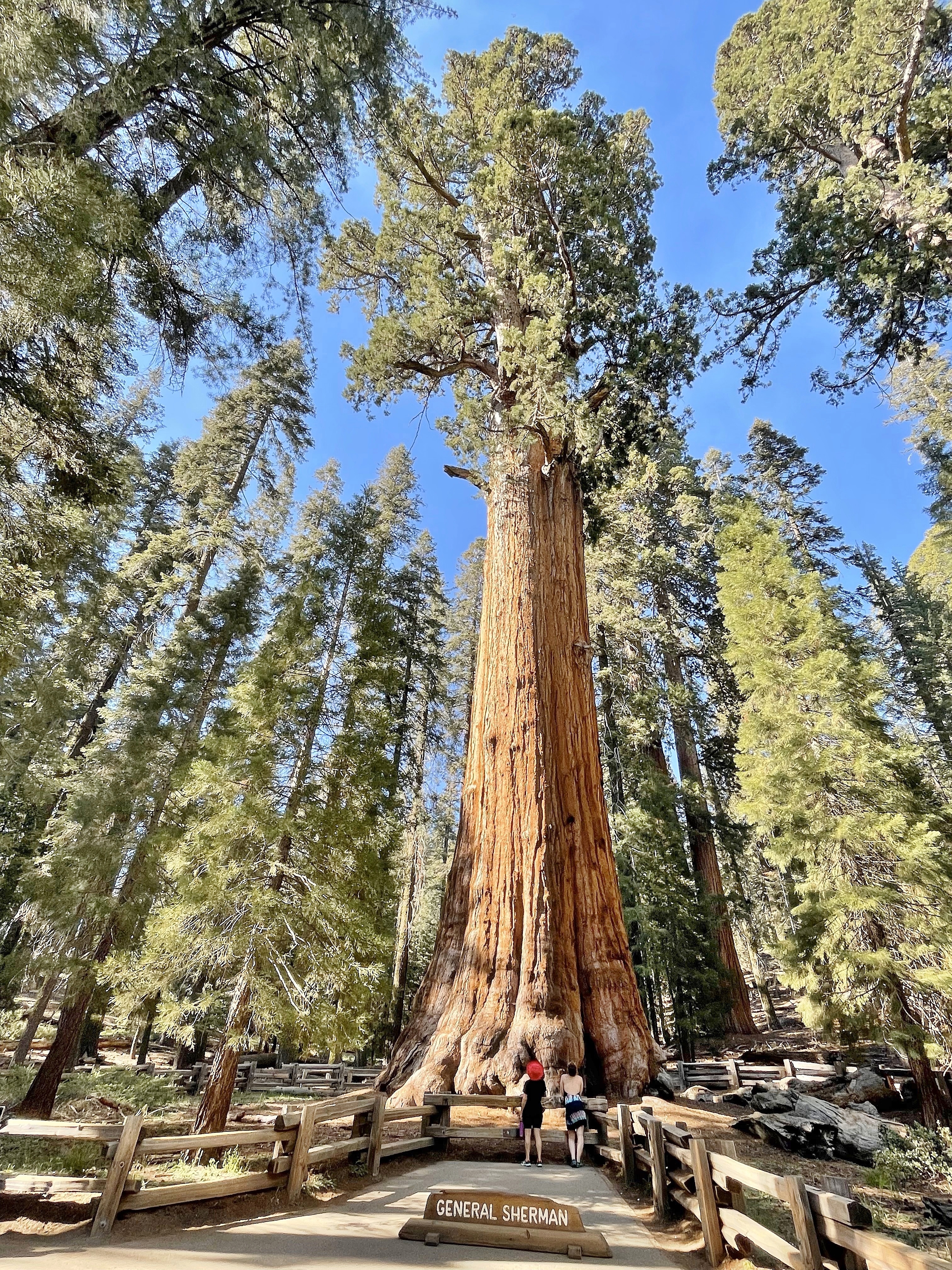
In contrast, the Giant Sequoia (Sequoiadendron giganteum) holds the title for the largest tree by volume on the planet. These colossal trees, though not as tall as their coastal cousins, boast immense girth, with massive trunks that can measure over 30 feet in diameter at their base. Their reddish-orange, fibrous bark is remarkably soft and spongy, offering a protective layer against fire. Giant Sequoias are exclusively found in scattered groves along the western slopes of the Sierra Nevada mountain range in California, typically at elevations between 4,000 and 7,000 feet. Their habitat is characterized by heavy winter snows and dry summers, a stark contrast to the fog-shrouded coastal environments. Encountering a Giant Sequoia is an experience of monumental scale, where individual trees command an entire clearing with their sheer presence.
The Northern Realm: Where Coastal Redwoods Reign Supreme
To witness the towering majesty of the Coastal Redwoods, one must venture to Northern California. This region is home to the most extensive and pristine redwood forests, preserved within a network of national and state parks.
Redwood National and State Parks
The undisputed heartland of the Coastal Redwoods lies in the combined Redwood National and State Parks complex, located along California’s far northern coast, spanning parts of Humboldt and Del Norte Counties. This UNESCO World Heritage Site protects nearly half of all remaining old-growth coastal redwood forests. Within its boundaries, visitors can explore iconic groves such as Tall Trees Grove, home to Hyperion, the world’s tallest known living tree, though its exact location is kept secret for protection. Other accessible trails lead through stunning groves like Lady Bird Johnson Grove and Newton B. Drury Parkway, offering immersive experiences amidst these sky-scraping giants. The park offers numerous opportunities for hiking, scenic drives, and wildlife viewing, making it a quintessential landmark for nature enthusiasts.
Muir Woods National Monument
Just a short drive north of San Francisco, Muir Woods National Monument provides an easily accessible taste of the Coastal Redwood experience. While smaller in scale compared to the northern parks, Muir Woods protects an impressive stand of old-growth redwoods, some reaching over 250 feet in height. Its proximity to a major metropolitan area makes it a popular destination, offering paved and boardwalk trails that weave through the tranquil, misty forest. Despite its popularity, the monument retains a profound sense of natural grandeur, allowing visitors to connect with these ancient trees without venturing deep into the wilderness.
Other Notable Coastal Redwood Locations
Beyond the flagship parks, several other state parks along the California coast preserve significant redwood groves. Henry Cowell Redwoods State Park, near Santa Cruz, offers a beautiful and accessible grove with a 0.8-mile loop trail. Further south, Big Basin Redwoods State Park (currently undergoing recovery from recent wildfires) historically held some of the most spectacular coastal redwood stands. These parks collectively highlight the unique coastal ecosystem where these magnificent trees thrive.

The Sierra Nevada Strongholds: Home of the Giant Sequoias
For those captivated by sheer volume and ancient history, the Giant Sequoias await in the majestic Sierra Nevada mountains of Central California. These groves are typically found within designated national parks and national forests, offering a distinctly different landscape and visitor experience compared to the coastal redwoods.
Sequoia National Park and Kings Canyon National Park
These two contiguous national parks, often managed as one unit, are arguably the best places to experience the full grandeur of Giant Sequoias. Located east of the San Joaquin Valley, they protect dozens of groves, including the most famous and accessible.
Giant Forest in Sequoia National Park
Within Sequoia National Park lies the Giant Forest, home to over 8,000 Giant Sequoias, including the world-renowned General Sherman Tree. The General Sherman Tree is the largest living tree on Earth by volume, standing over 275 feet tall with a base circumference of 102 feet. A network of trails, including the iconic Congress Trail, winds through this breathtaking grove, allowing visitors to walk among these titans. Moro Rock, a granite dome offering panoramic views of the Great Western Divide, is also a popular landmark nearby, providing a different perspective on the scale of the landscape.
Grant Grove in Kings Canyon National Park
Just north of Giant Forest, within Kings Canyon National Park, is Grant Grove. This grove is home to the General Grant Tree, the second-largest tree by volume and officially designated as the nation’s Christmas tree. A short, paved loop trail makes this grove highly accessible for visitors of all abilities. The historic Gamlin Cabin and the Fallen Monarch are also intriguing features within this celebrated grove.
Yosemite National Park
While most famous for its granite cliffs and waterfalls, Yosemite National Park also harbors three magnificent Giant Sequoia groves.
Mariposa Grove of Giant Sequoias
The largest and most accessible of Yosemite’s groves is the Mariposa Grove of Giant Sequoias, located near the park’s South Entrance. This grove is home to over 500 mature Giant Sequoias, including the notable Grizzly Giant and the Washington Tree. A comprehensive restoration project completed in 2018 enhanced habitat for the sequoias and improved visitor experience, offering various trails ranging from easy boardwalks to more challenging hikes through the upper grove.
Tuolumne Grove and Merced Grove
Smaller but equally compelling groves can be found within Yosemite: Tuolumne Grove and Merced Grove. These groves require a bit more hiking to reach but offer a more secluded and intimate experience with the giant trees, including several “tunnel trees” from a bygone era when visitors could drive through them.

Conservation and Legacy: Protecting California’s Natural Treasures
The existence of these ancient trees today is a testament to dedicated conservation efforts over the past century and a half. Early recognition by pioneering naturalists like John Muir and the establishment of national parks were critical in preserving these unique natural landmarks from extensive logging that devastated many other forests. Today, ongoing challenges like climate change, increased wildfire intensity, and pest infestations continue to threaten these ecosystems. Efforts by the National Park Service and various conservation organizations are vital in monitoring forest health, implementing prescribed burns, and educating the public on sustainable visitation practices.
Visiting the sequoia and redwood forests is more than just a trip; it’s an immersion into a living legacy. These trees, some thousands of years old, have witnessed profound shifts in geological and ecological history. Standing beneath their awe-inspiring canopies, one gains a profound sense of perspective, connecting with the enduring power of nature and the importance of safeguarding these irreplaceable landmarks for future generations. Whether you seek the soaring heights of the Coastal Redwoods in the misty northern reaches or the massive girth of the Giant Sequoias in the Sierra Nevada high country, California offers an unparalleled opportunity to stand in the presence of true natural wonders.
LifeOutOfTheBox is a participant in the Amazon Services LLC Associates Program, an affiliate advertising program designed to provide a means for sites to earn advertising fees by advertising and linking to Amazon.com. Amazon, the Amazon logo, AmazonSupply, and the AmazonSupply logo are trademarks of Amazon.com, Inc. or its affiliates. As an Amazon Associate we earn affiliate commissions from qualifying purchases.