
California, a state synonymous with natural grandeur, is home to some of the planet’s most awe-inspiring natural landmarks: the giant sequoias. These colossal trees, known for their immense height, girth, and ancient lineage, are a testament to nature’s enduring power. Unlike their taller, slender cousins, the Coast Redwoods, giant sequoias (Sequoiadendron giganteum) are found exclusively in a relatively narrow band of mixed conifer forests along the western slopes of the Sierra Nevada mountain range, at elevations generally between 4,000 and 8,000 feet. Understanding their unique habitat is key to locating and appreciating these magnificent living monuments.
The Principal Groves of the Southern Sierra Nevada
The vast majority of giant sequoia groves are concentrated in the southern and central portions of the Sierra Nevada, with the densest and most famous aggregations residing within several national and state parks. These protected areas have become vital sanctuaries, allowing these ancient trees to thrive and be accessible to visitors worldwide.
Sequoia and Kings Canyon National Parks
These twin parks, often managed as a single unit, represent the heartland of the giant sequoias. Located side-by-side in the southern Sierra Nevada east of Visalia, they contain over 40 distinct groves, including the most massive trees on Earth by volume.
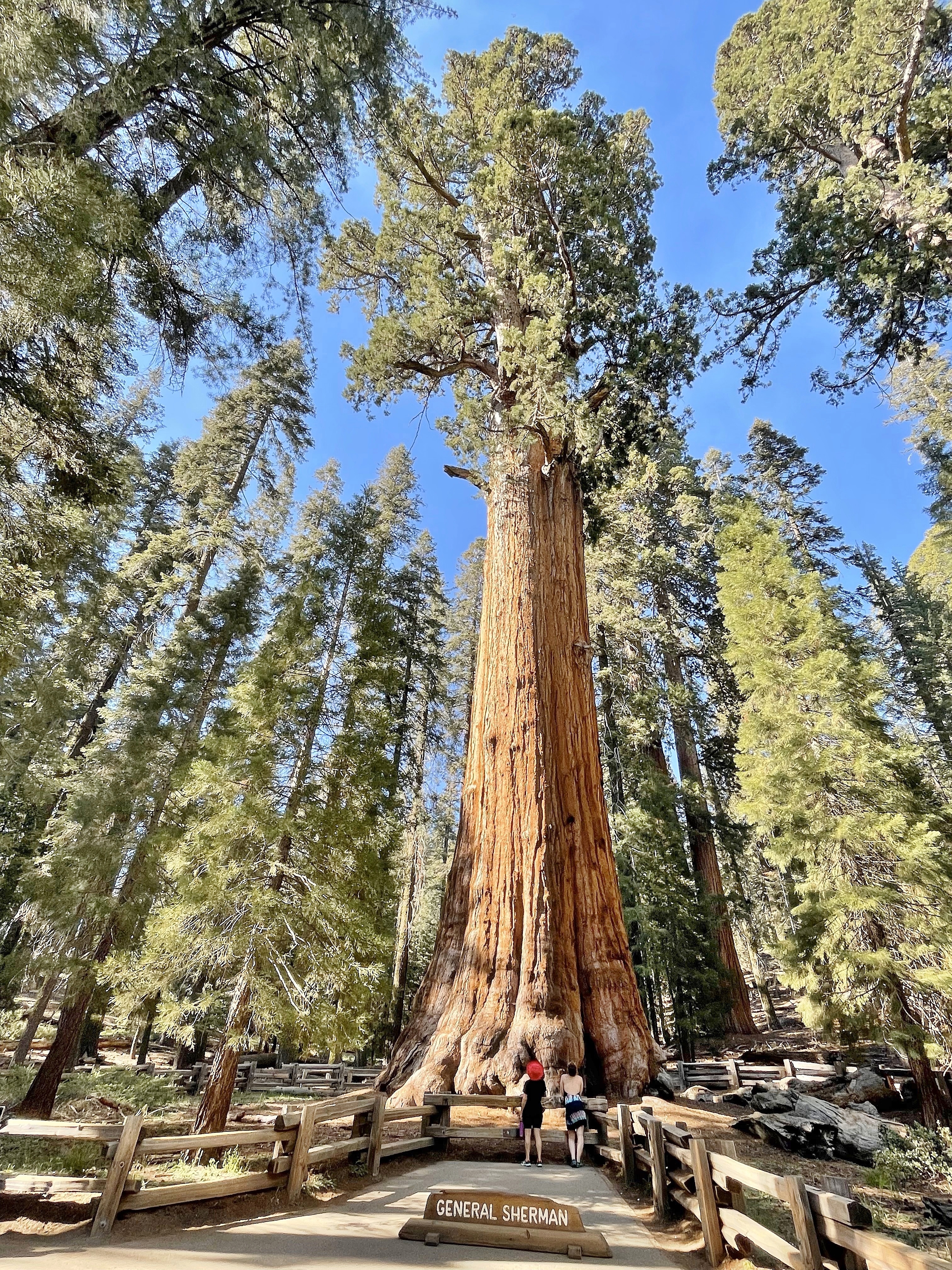
- Giant Forest (Sequoia National Park): This is arguably the most famous and accessible sequoia grove, home to the General Sherman Tree, the world’s largest tree by volume. The grove also boasts several other impressive giants and offers numerous trails like the Congress Trail, providing immersive experiences among these ancient wonders. Landmarks such as the Tunnel Log and the Moro Rock trail also enhance the visitor experience within this iconic area.
- Grant Grove (Kings Canyon National Park): This grove is centered around the General Grant Tree, often referred to as “the Nation’s Christmas Tree.” It is the second-largest tree in the world by volume and is easily accessible via a paved loop trail. The grove also contains other notable trees and historic structures, making it a key landmark in the park.
- Redwood Canyon Grove (Kings Canyon National Park): While its name might cause confusion with Coast Redwoods, this grove contains the largest sequoia grove by area and has the highest concentration of sequoias. It’s a more remote and less crowded experience, appealing to those seeking deeper wilderness immersion.
- Muir Grove (Sequoia National Park): A spectacular, less-visited grove that requires a moderate hike, offering solitude amidst giants.
Yosemite National Park
Further north in the Sierra Nevada, Yosemite National Park is renowned for its granite cliffs and waterfalls but also harbors three significant giant sequoia groves, offering a distinct experience within the park’s diverse landscapes.
- Mariposa Grove: This is Yosemite’s largest grove, located near the park’s south entrance. It features over 500 mature giant sequoias, including the Grizzly Giant, one of the oldest living sequoias, estimated to be 2,700 years old. A variety of trails, from accessible boardwalks to more strenuous hikes, allow visitors to explore its grandeur. The Fallen Monarch and California Tunnel Tree are also prominent landmarks here.
- Tuolumne Grove: Located near the Big Oak Flat entrance, this smaller grove features about two dozen mature giant sequoias. It’s accessible via a downhill hike on a paved road that was once part of the Old Big Oak Flat Road. The Tunnel Tree, a sequoia that visitors used to drive through, is a popular sight here.
- Merced Grove: The smallest and most remote of Yosemite’s sequoia groves, Merced Grove offers a quiet, primitive experience. It contains about 20 mature giant sequoias and requires a strenuous downhill hike to reach, making it ideal for those seeking solitude.
Giant Sequoia National Monument
Designated in 2000, the Giant Sequoia National Monument encompasses thirty-three distinct groves within the Sierra National Forest and Sequoia National Forest, surrounding Sequoia National Park and Kings Canyon National Park. This monument protects groves outside the national park system.
- Trail of 100 Giants (Long Meadow Grove): One of the most popular and accessible sites within the monument, this grove features an easy, paved loop trail winding through numerous impressive sequoias, many over 1,500 years old. It’s a profound experience to walk among these ancient sentinels.
- Boole Tree Grove: Home to the Boole Tree stump, which was once the largest sequoia cut down, this grove still contains numerous grand living sequoias and offers a glimpse into both the past and present of sequoia forests.
- Freeman Creek Grove: This grove is notable for its size and for containing the President George H.W. Bush Tree, dedicated to the former president.

Northern and Isolated Groves
While the bulk of the sequoias reside in the southern Sierra Nevada, a few significant and historically important groves can be found further north.
Calaveras Big Trees State Park
Located in the central Sierra Nevada near Arnold, Calaveras Big Trees State Park holds historical significance as the first sequoia grove discovered by Europeans in 1852. Its discovery sparked widespread interest and conservation efforts. The park features two main groves:
- North Grove: Easily accessible with a paved loop trail, this grove includes the Discovery Tree stump (whose felling in the 1850s was highly controversial) and the Pioneer Cabin Tree, a living sequoia with a tunnel carved through it, though it fell in 2017. Many other magnificent trees line the trail.
- South Grove: A more primitive and extensive grove accessible via a longer, unpaved trail. It offers a more wilderness-like experience and contains the Louis Agassiz Tree, one of the largest trees in the park.
Mountain Home State Forest
Managed by the California Department of Forestry and Fire Protection (CAL FIRE), Mountain Home State Forest is a lesser-known gem southeast of Springville. It contains four giant sequoia groves and offers camping, hiking, and a more rustic experience compared to the national parks. Notable trees include the Adam Tree and the Centennial Tree.
The Unique Ecology of Sequoia Groves
Giant sequoias are not just massive trees; they are keystone species in their unique forest ecosystems. Their existence is intrinsically linked to the specific conditions found on the western slopes of the Sierra Nevada. These trees thrive on deep, well-drained soils and depend on fire for their reproductive cycle. The intense heat of forest fires helps sequoia cones release their seeds, and the fire clears away competing vegetation, allowing seedlings to access sunlight and nutrients. The thick, fibrous bark of mature sequoias is highly fire-resistant, enabling them to survive blazes that would destroy other trees. This reliance on fire has shaped the landscapes of the groves, creating a dynamic environment where death and regeneration are intertwined.
The presence of giant sequoias signifies a healthy, ancient forest ecosystem. Walking among them, one can’t help but feel a profound connection to the Earth’s deep history. These living landmarks have stood for millennia, witnessing countless generations and natural cycles. Their immense scale and longevity make them unparalleled natural monuments, drawing visitors from across the globe to marvel at their majesty and ponder their enduring existence. Protecting these groves is crucial not only for their intrinsic value but also for the critical role they play in the broader Sierra Nevada ecosystem.
Experiencing the Giant Sequoia Landmarks
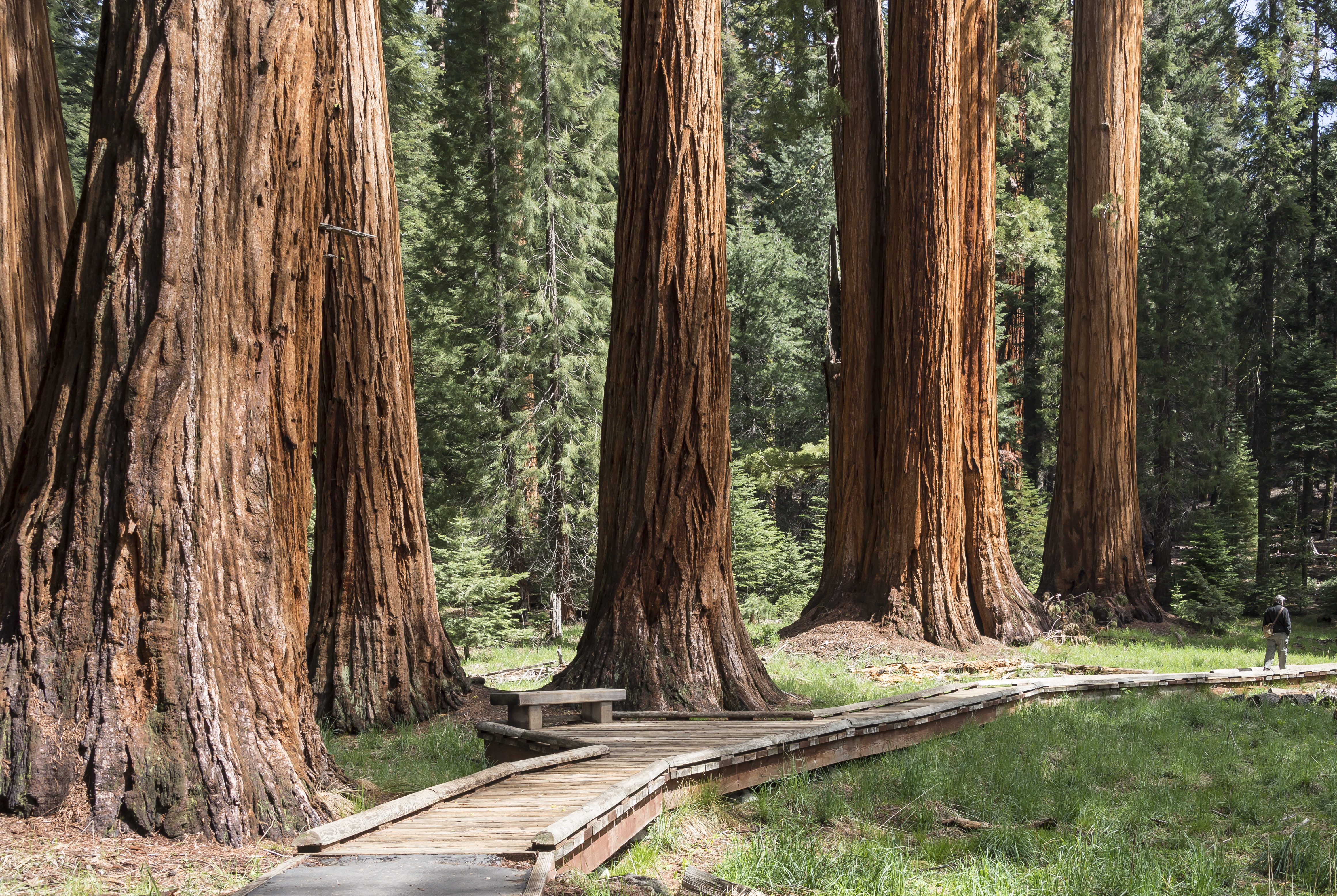
Visiting these sequoia groves offers an unforgettable experience. Accessing them typically involves driving along scenic mountain roads, often requiring chains in winter. Most major groves have visitor centers, ranger programs, and well-maintained trails ranging from easy strolls on paved paths to challenging backcountry treks. It’s essential for visitors to stay on marked trails to protect the fragile root systems of these giants and to adhere to Leave No Trace principles. The best times to visit are generally spring and fall when temperatures are mild, and crowds are thinner, though winter visits offer a magical, snow-dusted perspective on these colossal trees.
The sheer scale of a giant sequoia can be difficult to comprehend until one stands beneath its immense canopy. These are not merely tall trees but monumental living structures, each with a unique character and a story spanning thousands of years. From the world-renowned Giant Forest to the secluded groves of the Giant Sequoia National Monument, California’s sequoia groves stand as enduring testaments to the power and beauty of the natural world, inviting all to witness their silent grandeur.
LifeOutOfTheBox is a participant in the Amazon Services LLC Associates Program, an affiliate advertising program designed to provide a means for sites to earn advertising fees by advertising and linking to Amazon.com. Amazon, the Amazon logo, AmazonSupply, and the AmazonSupply logo are trademarks of Amazon.com, Inc. or its affiliates. As an Amazon Associate we earn affiliate commissions from qualifying purchases.