
The vast, sun-drenched landscapes of Texas are iconic, conjuring images of rugged ranches, sprawling ranches, and, of course, the majestic longhorn cattle that have become synonymous with the Lone Star State. But where exactly can one find these magnificent creatures in their natural, or semi-natural, habitat? This exploration delves into the primary locations and experiences that allow travelers and enthusiasts to encounter the enduring symbol of Texan heritage.
The Homesteads: Ranches and Private Estates
The heart of longhorn country lies on the private ranches and agricultural estates scattered across Texas. Many of these operations are dedicated to preserving and breeding the Texas Longhorn breed, a lineage tracing back to the Spanish cattle brought to the Americas centuries ago. These ranches are not always open to the public for casual drop-ins, but they are the foundational bedrock of longhorn populations.

Preserving a Legacy
The Texas Longhorn Breeders Association of America (TLBAA) is a key organization supporting the breed. While the association itself is not a public viewing location, its members often operate ranches where the cattle thrive. Many of these breeders are passionate about sharing their knowledge and their animals. Engaging with the TLBAA, or similar breed associations, can be a starting point for understanding where to find dedicated breeding operations.
Ranch Stays and Agritourism
A growing trend in Texas is agritourism, which offers opportunities for visitors to experience rural life firsthand. Certain ranches, particularly those with a focus on Texas Longhorns, open their doors to guests. These experiences can range from day tours where you might see herds grazing from a distance or up close during a guided drive, to more immersive overnight stays.
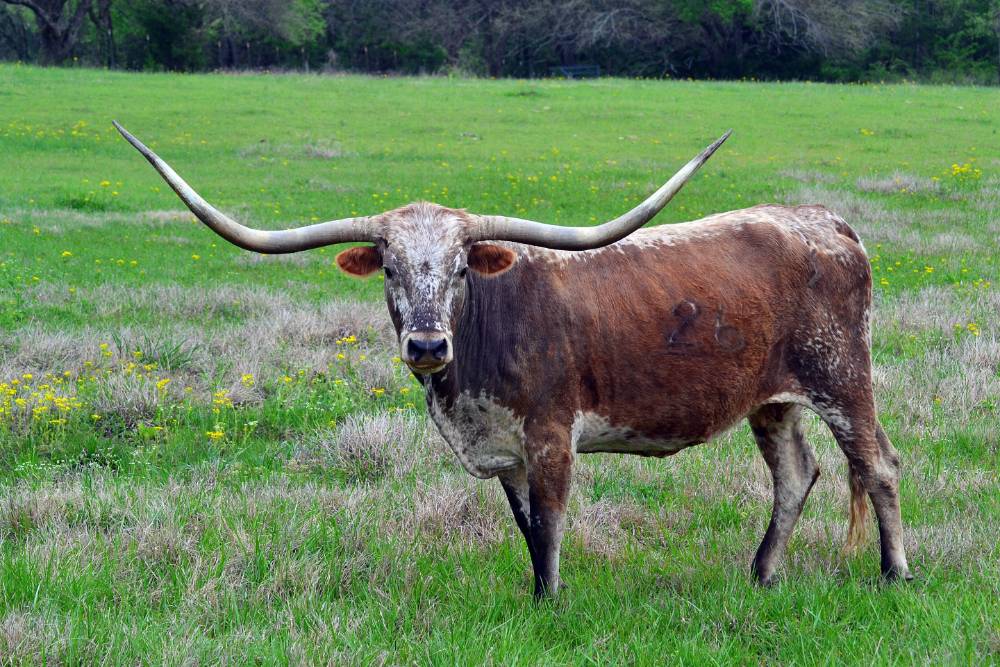
Such accommodations often provide a unique window into ranch management and the care of these impressive animals. Imagine waking up to the sight of a longhorn bull with a formidable span of horns silhouetted against the dawn sky. These stays are invaluable for understanding the breed’s importance not just as a historical icon, but as a living, breathing part of Texas agriculture. When seeking out these opportunities, look for ranches advertising “longhorn experiences,” “ranch tours,” or “agritourism.”
Public Lands and Wildlife Sanctuaries
While many Texas Longhorns are found on private land, some are integrated into the managed ecosystems of state and federal parks, as well as wildlife sanctuaries. These locations offer a chance to see the cattle in a more naturalistic setting, often alongside other native Texas wildlife.
State Parks with a Touch of the Wild
Several Texas State Parks are home to roaming herds or specific longhorn populations. For instance, Mustang Island State Park, though known for its coastal beauty, has been documented as a place where longhorns can sometimes be spotted. This might be due to the park’s proximity to ranchland or specific conservation efforts.
Another notable location is Big Bend Ranch State Park. While not exclusively a longhorn sanctuary, its vast and rugged terrain is reminiscent of the historical range where these cattle would have roamed. Encounters here, if they occur, would likely be serendipitous, adding to the thrill of exploration in a truly wild setting. Always check the specific park’s website or contact them directly for the most current information on wildlife sightings and any specific viewing areas.
Wildlife Refuges and Conservation Areas
Wildlife refuges and conservation areas are prime spots for observing animals in protected environments. While the primary mission of these areas is often to protect native endangered species, some may incorporate longhorn populations as part of historical land use or specific conservation initiatives.
For example, Aransas National Wildlife Refuge, famous for its migratory whooping cranes, is a vast area where diverse wildlife thrives. It’s plausible that longhorns could be present on the fringes or within specific management zones. These locations emphasize viewing from a respectful distance, respecting the natural behavior of the animals and their habitat.

Zoological Parks and Educational Institutions
For those seeking a more guaranteed encounter, zoological parks and educational institutions across Texas often feature Texas Longhorns as part of their exhibits. These are excellent venues for families and individuals who want to learn more about the breed’s history, biology, and cultural significance in a controlled and educational environment.
Zoos with Texan Flair
Major zoological parks in cities like Dallas, Houston, and San Antonio frequently house longhorns. These institutions often have specific exhibits dedicated to regional livestock or breeds native to Texas. This allows for close-up viewing and detailed information provided by the zoo’s educational staff.
University Agricultural Programs
Universities with strong agricultural programs, such as Texas A&M University and West Texas A&M University, often maintain herds of Texas Longhorns for research, teaching, and breeding purposes. While access might be limited to students and faculty, some universities offer public tours or have viewing areas where visitors can see these animals as part of an educational outreach. These institutions are at the forefront of genetic research and preservation efforts, making them fascinating places to learn about the breed’s future.
Festivals and Special Events
Throughout the year, Texas hosts a variety of festivals, fairs, and special events that celebrate its unique heritage, and the Texas Longhorn is often a star attraction. These events provide a vibrant and accessible way to see the cattle and engage with the culture that surrounds them.
County Fairs and Livestock Shows
The quintessential Texas experience often includes a visit to a county fair or a major livestock show. Events like the Fort Worth Stock Show & Rodeo and the Houston Livestock Show and Rodeo are massive gatherings where longhorn breeders showcase their prize animals. These venues offer opportunities to see the cattle up close, learn about different bloodlines, and even meet the people who dedicate their lives to raising them.
Heritage and Cultural Celebrations
Beyond the agricultural shows, numerous smaller towns and communities across Texas host heritage festivals and rodeos. These events often feature longhorn parades, demonstrations, or even “longhorn runs” where the animals are a central part of the festivities. Researching local event calendars for the specific region of Texas you plan to visit is a great way to discover these engaging cultural experiences. Attending these events not only allows for a visual encounter with the longhorns but also immerses visitors in the rich tapestry of Texan culture.
Responsible Viewing and Conservation
When seeking out Texas Longhorns, it’s crucial to remember that these are living animals and often part of working ranches or protected habitats. Responsible viewing practices are essential to ensure their well-being and the preservation of their environment.
Respecting Private Property
If visiting a ranch that allows public access, always adhere to the owner’s guidelines. Stay within designated areas, do not feed the animals unless explicitly permitted, and maintain a safe distance. Remember that these are not theme park attractions but working livestock and often wild animals in their natural or semi-natural environments.
Supporting Conservation Efforts
Many organizations and individuals are committed to the conservation of the Texas Longhorn. By patronizing ranches that prioritize ethical breeding, visiting educational institutions that teach about the breed, or supporting relevant non-profits, you contribute to the continued presence of these magnificent creatures in Texas for generations to come. Their horns may be impressive, but their legacy is even more profound.
LifeOutOfTheBox is a participant in the Amazon Services LLC Associates Program, an affiliate advertising program designed to provide a means for sites to earn advertising fees by advertising and linking to Amazon.com. Amazon, the Amazon logo, AmazonSupply, and the AmazonSupply logo are trademarks of Amazon.com, Inc. or its affiliates. As an Amazon Associate we earn affiliate commissions from qualifying purchases.