
California, a state synonymous with diverse landscapes, iconic cities, and unparalleled natural beauty, unfortunately, also grapples with the annual challenge of wildfires. For travelers planning a visit, understanding the current wildfire situation is paramount for a safe and enjoyable experience. While the state’s vastness often means fires are localized, their potential impact on air quality, road closures, and access to popular destinations necessitates informed travel planning. This guide offers insights for navigating California travel during fire season, ensuring your journey remains spectacular, not stressful.
Navigating California Travel Amidst Wildfire Season
Wildfire season in California typically spans from late spring through late autumn, peaking in summer and early fall due to dry conditions and Santa Ana winds in the south. However, climate change has expanded this window, making vigilance necessary year-round. For travelers, this means a dynamic environment where conditions can change rapidly. Understanding the general patterns and knowing where to access real-time information are your best tools.
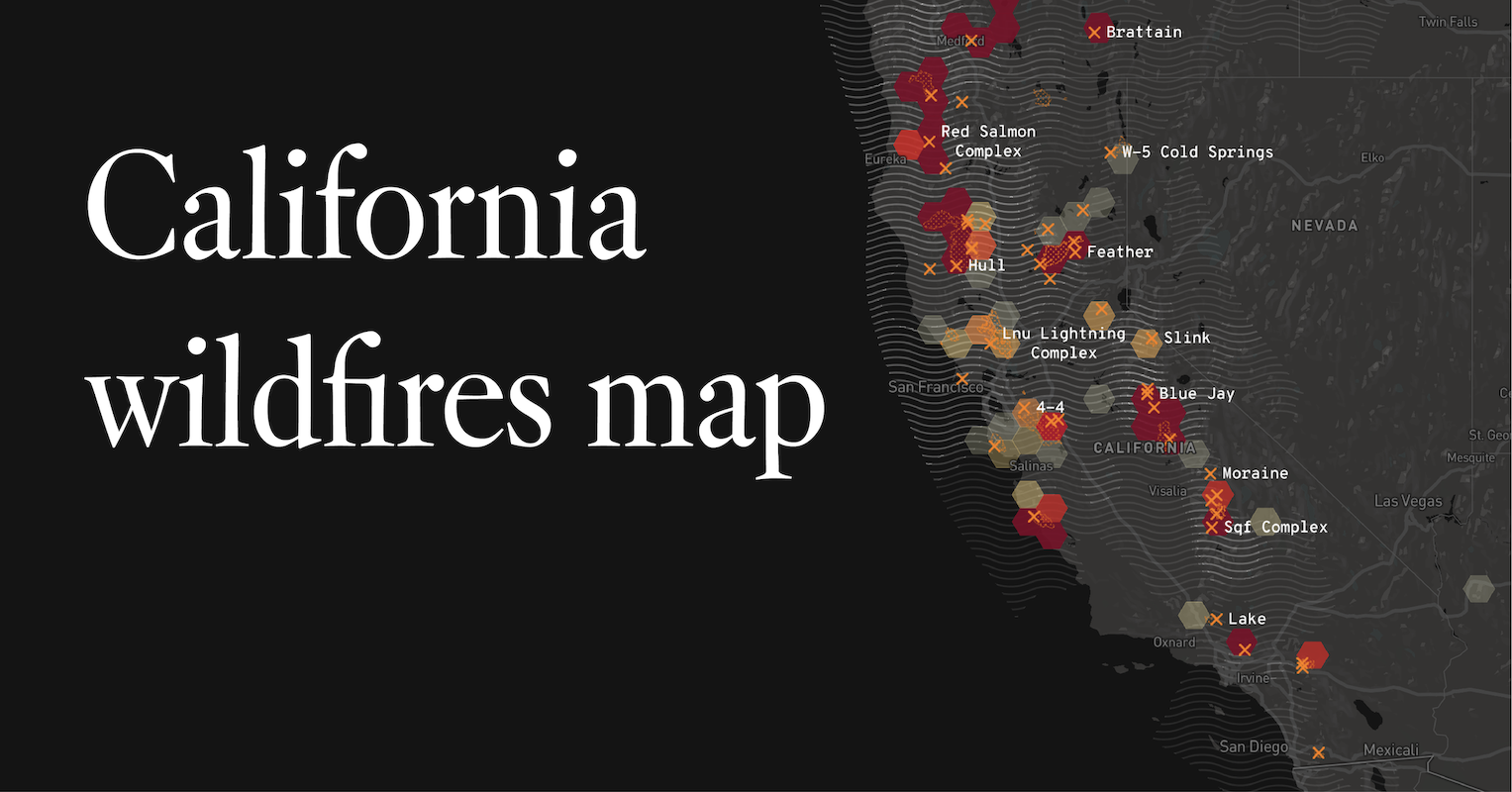
Understanding Fire Season’s Impact on Destinations
The primary concerns for travelers when wildfires are active revolve around safety, accessibility, and air quality. A fire hundreds of miles away might not pose an immediate threat, but smoke can drift, affecting respiratory health and visibility, especially for those with sensitivities. Roads leading to or through affected areas might be closed, rerouting travel plans and adding significant delays. Furthermore, some destinations, particularly national and state parks, may implement closures for visitor safety or to facilitate firefighting efforts.
Popular areas like Lake Tahoe, Napa Valley, Big Sur, and various national parks have all experienced wildfire impacts in recent years. It’s crucial not to assume a blanket “no-go” for the entire state. Instead, focus on specific regions and their current conditions. For instance, while a fire might rage in the Sierra Nevada foothills, coastal cities like San Francisco or San Diego could be entirely unaffected, beyond perhaps distant hazy skies.
Essential Resources for Real-Time Updates
Reliable and timely information is the cornerstone of safe travel during wildfire season. Do not rely solely on social media or outdated news.
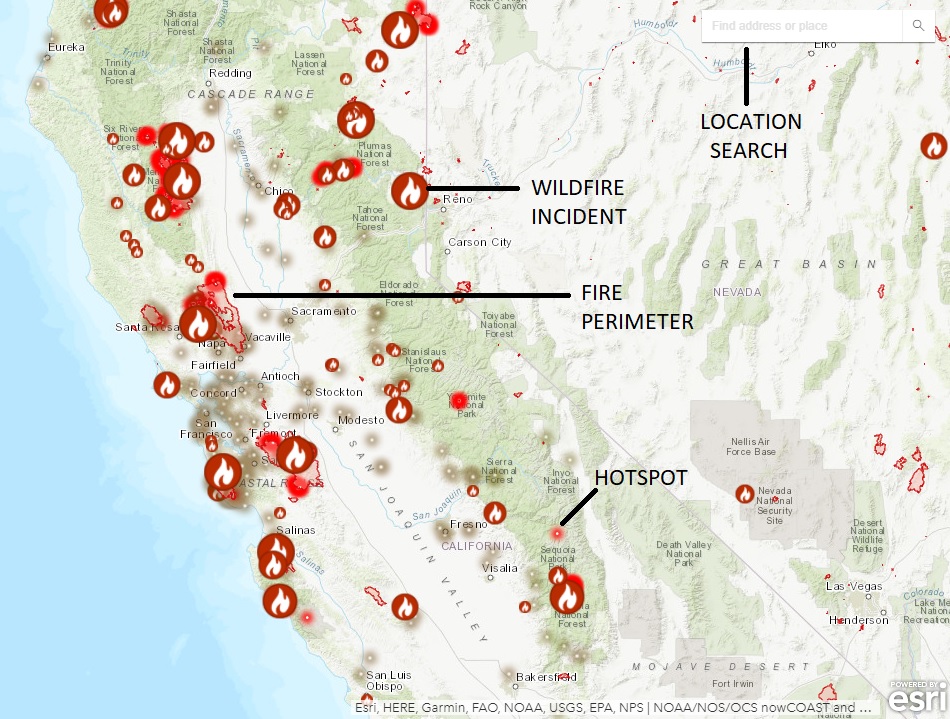
The primary authority for wildfire information in California is CAL FIRE. Their official website (www.fire.ca.gov) provides daily incident reports, current fire maps, and updates on containment.
For road closures, the California Department of Transportation (Caltrans) offers an interactive quickmap (quickmap.dot.ca.gov) detailing road conditions, closures, and traffic incidents. This is indispensable for planning driving routes.
Air quality information can be found via AirNow (www.airnow.gov), which provides real-time Air Quality Index (AQI) data. This allows travelers to make informed decisions about outdoor activities, especially if they have respiratory concerns.
Additionally, check the official websites of specific national parks (National Park Service) or state parks for local alerts and closures. Many parks have dedicated alert banners on their homepages during active incidents.
California’s Landscape: Areas Prone to Fire and Travel Implications
California’s diverse topography means certain regions are inherently more susceptible to wildfires. Understanding these patterns can help travelers anticipate potential risks and plan itineraries more effectively.
Northern California Travel Considerations
Northern California encompasses redwood forests, volcanic landscapes, and significant wine regions. Areas like the Shasta Cascade region, Mendocino County, and the foothills of the Sierra Nevada have experienced severe fires. Travelers planning to visit these areas for hiking, camping, or wine tasting should pay close attention to local fire alerts. While the immediate danger might be contained, smoke can travel, impacting air quality in destinations like Napa Valley or even San Francisco. Always have alternative plans for wine country tours or coastal drives if smoke becomes an issue. Coastal destinations like Fort Bragg or Monterey are generally less affected by direct fire threats but can still experience drifting smoke.
Southern California Routes and Attractions
Southern California is characterized by its chaparral landscapes, desert environments, and densely populated coastal areas. The Santa Ana winds significantly exacerbate fire danger, particularly in the autumn. Regions like the San Gabriel Mountains, parts of Orange County, and the hillsides surrounding Los Angeles and San Diego are frequently impacted. Travel to popular desert parks such as Joshua Tree National Park or through mountain passes like those near Big Bear Lake should be monitored closely. Major freeways like the I-5 or US-101 could experience temporary closures or significant delays if fires are active nearby. Theme parks and urban attractions in Los Angeles and San Diego are rarely directly threatened but can be affected by diminished air quality on severe smoke days.
Mountainous Regions and National Parks
California’s majestic national parks—including Yosemite National Park, Sequoia National Park, Kings Canyon National Park, and Lassen Volcanic National Park—are often situated in heavily forested areas highly susceptible to wildfires. These parks are frequently subject to closures, specific area restrictions, or mandatory evacuations during fire incidents. Campgrounds, hiking trails, and even entire park entrances can be shut down. Always check the official park websites for current conditions, alerts, and any fire-related impacts before heading out. It’s not uncommon for reservations to be cancelled at short notice for safety reasons, so flexibility is key.
Traveler Preparedness and Safety Protocols
Proactive planning and adherence to safety guidelines are essential for any traveler venturing into California during fire season. Being prepared means having a plan B and knowing how to react.
Before You Depart: Pre-Trip Planning
- Monitor Conditions: Begin checking fire and air quality reports several weeks before your trip and continue monitoring daily.
- Flexibility is Key: Book accommodations and activities with flexible cancellation policies, especially if traveling during peak fire season (July-October). Have alternative destinations or routes in mind.
- Insurance: Consider travel insurance that covers natural disaster disruptions, including trip cancellations or interruptions due to wildfires.
- Communication: Inform friends or family of your itinerary and check-in points, especially if you plan to visit remote areas.
- Vehicle Check: Ensure your vehicle is in good working order. Carry an emergency kit with water, snacks, a first-aid kit, and a full tank of gas.
- Download Offline Maps: Cell service can be spotty or interrupted in remote areas or during emergencies.
During Your Trip: Staying Safe and Flexible
- Stay Informed: Regularly check official sources like CAL FIRE and Caltrans for updates. Consider signing up for local emergency alerts if you’re staying in one area for an extended period.
- Heed Warnings: If an area is under an evacuation order or advisory, leave immediately. Do not attempt to drive through active fire zones.
- Air Quality Awareness: If air quality is poor (AQI above 100-150), limit outdoor activities, especially if you have respiratory issues. Consider visiting indoor attractions or postponing strenuous hikes. Pack N95 masks for potential use.
- Fire Safety: Be extremely careful with any potential ignition sources. Adhere to all fire restrictions, which often include bans on campfires, charcoal grills, and even certain types of stoves in designated areas. Never discard cigarette butts. Always “Know Before You Go” regarding campfire restrictions.
- Wildlife: Be aware that wildlife may be displaced by fires and can be found in unexpected areas. Drive cautiously.
- Local Expertise: Ask hotel staff, park rangers, or local tourism offices for current, localized advice. They often have the most up-to-date ground-level information.
Post-Fire Travel: Recovery and Resurgence
Even after a fire is contained, its effects can linger, but visiting affected areas responsibly can be a crucial part of their recovery.
Supporting Affected Communities Through Tourism
When wildfires devastate a region, the economic impact on local communities, especially those reliant on tourism, can be profound. After an area is declared safe and reopened, returning as a respectful tourist can significantly aid in recovery. Spending money at local businesses—restaurants, shops, hotels, and tour operators—helps communities rebuild and thrive. Before visiting, research which local businesses are operating and how you can best support them.

Exploring Revitalized Natural Wonders
Nature is resilient, and while some landscapes may appear scarred immediately after a fire, ecological recovery often begins swiftly. Travelers can witness this process firsthand, observing new growth and changing ecosystems. Areas like Yosemite National Park and Lake Tahoe have shown remarkable resilience, and thoughtful visitation can offer a unique perspective on natural cycles. Always stick to marked trails and follow all park guidelines, as certain areas may remain closed for restoration or safety due to unstable terrain or falling trees. Responsible travel in these areas not only supports recovery but also educates travelers on the importance of conservation and fire ecology.
Traveling in California during wildfire season requires an added layer of awareness and flexibility. By staying informed, adhering to safety guidelines, and planning proactively, travelers can still enjoy the Golden State’s magnificent offerings while ensuring their safety and contributing positively to local communities.
LifeOutOfTheBox is a participant in the Amazon Services LLC Associates Program, an affiliate advertising program designed to provide a means for sites to earn advertising fees by advertising and linking to Amazon.com. Amazon, the Amazon logo, AmazonSupply, and the AmazonSupply logo are trademarks of Amazon.com, Inc. or its affiliates. As an Amazon Associate we earn affiliate commissions from qualifying purchases.