
California, a state synonymous with golden opportunities and breathtaking natural beauty, also holds a hidden allure for those with a keen eye and a spirit of adventure: the chance to unearth precious gemstones. The vast expanses of the US Forest Service lands across the Golden State offer a unique blend of exploration and the potential for exciting discoveries. For amateur geologists and curious travelers alike, understanding where and how to ethically collect these geological treasures is key to a rewarding experience. This guide delves into the accessible areas within California’s national forests where gemstone collecting is permitted, offering insights into popular locations, types of minerals to seek, and the regulations that ensure the preservation of these magnificent public lands.
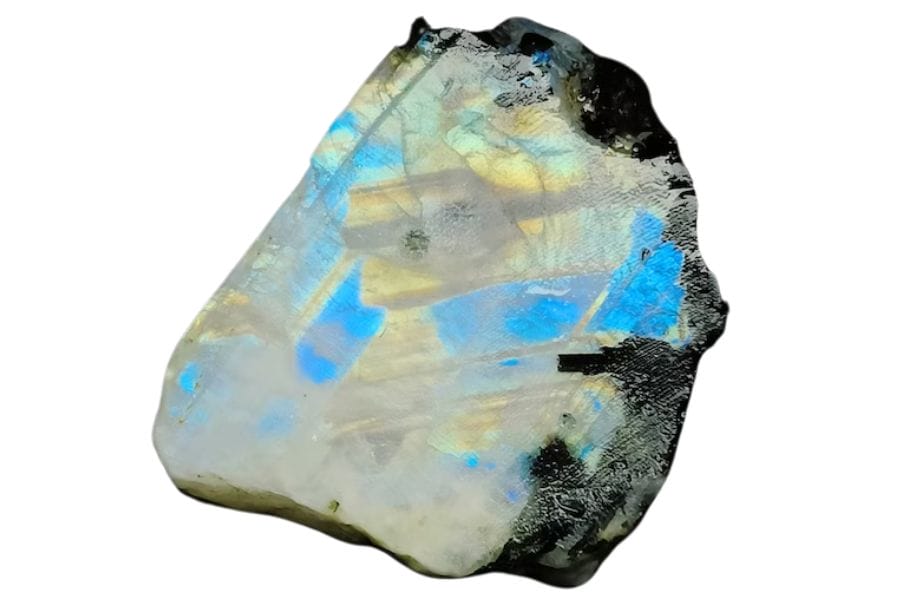
Unearthing the Riches: Gemstone Collecting in California’s National Forests
The allure of finding a unique crystal or a semi-precious stone is a powerful draw for many. California’s diverse geology, shaped by volcanic activity, tectonic shifts, and ancient river systems, has created a treasure trove of minerals and gemstones. The US Forest Service manages millions of acres of land in California, many of which are open to recreational mineral collecting, often referred to as “rockhounding.” This practice allows individuals to take small, reasonable amounts of common minerals and gemstones for personal, non-commercial use. It’s crucial to remember that these lands are managed for multiple uses, and responsible collecting is paramount to preserving their natural integrity for future generations.
Understanding the Regulations and Ethics of Rockhounding
Before embarking on any gemstone collecting expedition in California’s national forests, a thorough understanding of the governing regulations is essential. The US Forest Service generally permits casual rock collecting under specific guidelines, often referred to as “Vertebrate Fossil and Mineral Collection Regulations.” Key principles to adhere to include:
- Personal Use Only: All collected materials must be for personal, non-commercial purposes. This means you cannot sell or trade the gemstones you find.
- Reasonable Amounts: The quantity of minerals collected should be modest and suitable for a personal collection. Large-scale operations or commercial extraction are strictly prohibited.
- No Disturbing Vegetation or Wildlife: Collectors must avoid damaging plants, trees, or disturbing animal habitats. Stay on designated trails and avoid creating new paths.
- No Use of Explosives or Heavy Machinery: The use of motorized equipment, explosives, or any tools that could significantly alter the landscape is forbidden. Hand tools like rock hammers, chisels, and shovels are generally permissible for small-scale digging.
- Respect Private Property and Claims: Always be aware of your surroundings and ensure you are not on private land or within established mining claims. Respect “No Trespassing” signs.
- Leave No Trace: Pack out everything you pack in, including trash, and minimize your impact on the environment.
It’s highly advisable to check with the specific Ranger District office for the national forest you plan to visit. They can provide the most up-to-date information on local regulations, any seasonal closures, and designated areas where collecting is permitted or restricted. Some areas may be off-limits due to sensitive ecological habitats, historical significance, or active mining operations.
Prime Locations for Gemstone Hunting in California National Forests
California’s diverse geological makeup means that different national forests are known for specific types of gemstones and minerals. While there’s no guarantee of finding a particular gem, knowing where to look significantly increases your chances.
The Sierra Nevada Mountains: A Geologist’s Playground
The majestic Sierra Nevada Mountains stretch across a significant portion of California and are a prime area for rockhounding. The geological processes that formed this mountain range have resulted in a rich variety of mineral deposits.
Inyo National Forest: Turquoise and More
The Inyo National Forest, known for its stunning desert landscapes and towering peaks, including parts of the Owens Valley, is particularly famous for turquoise. While many historically rich turquoise sites are on private land or are now protected, pockets of this vibrant blue-green gemstone can still be found in certain areas of the national forest, often associated with ancient volcanic activity. Look for it in areas with rhyolite and andesite. Other minerals that can be found here include jasper, agate, and various types of quartz.
- Key Minerals to Seek: Turquoise, Jasper, Agate, Quartz varieties (Amethyst, Citrine).
- Tips for Inyo: Research specific areas known for past mineral activity, but always be mindful of restricted zones. The high desert environment requires preparation for extreme temperatures and limited water.
Sierra National Forest: Serpentine and Precious Metals
The Sierra National Forest offers a variety of rockhounding opportunities. This forest is known for its serpentinite formations, which often host beautiful green minerals like epidote and serpentine itself, sometimes in gem quality. You might also find garnet, quartz crystals, and occasionally, if luck is on your side and you’re in areas with historical mining activity, small traces of gold in placer deposits (though large-scale gold panning is a different pursuit).
- Key Minerals to Seek: Serpentine, Epidote, Garnet, Quartz, occasional Gold traces.
- Tips for Sierra: Explore creek beds and areas with exposed rock faces. Familiarize yourself with the appearance of serpentine rock, which can range from deep green to a lighter, almost yellow-green.
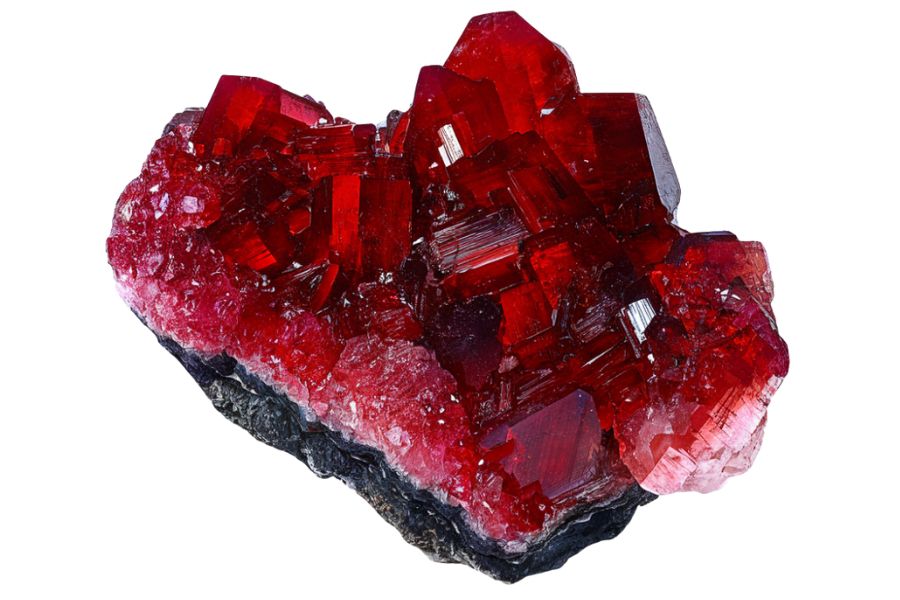
Stanislaus National Forest: Agates and Jaspers
The Stanislaus National Forest, bordering Yosemite National Park, presents opportunities for finding beautiful agates and jaspers. These cryptocrystalline varieties of silica often form in volcanic rocks and ancient lakebeds, and the diverse geology of the Stanislaus offers fertile ground. Look for banded agates, colorful jaspers, and other chalcedony types.
- Key Minerals to Seek: Agate, Jasper, Chalcedony.
- Tips for Stanislaus: Creek beds and old road cuts can be excellent places to search. Areas with a history of volcanic activity are often good indicators.
Southern California’s Desert Regions: Hidden Gems
Beyond the Sierra Nevada, Southern California’s vast desert landscapes, managed by the US Forest Service, also hold potential for gemstone collectors.
Cleveland National Forest: Unique Crystalline Finds
While not as renowned for traditional gemstones as the Sierras, the Cleveland National Forest, particularly its eastern sections, can yield interesting mineral specimens. Areas with geological fault lines and volcanic intrusions might offer chances to find quartz crystals, epidote, and other secondary minerals. This region is more about the thrill of discovery of unique crystalline formations.
- Key Minerals to Seek: Quartz crystals, Epidote, secondary mineral formations.
- Tips for Cleveland: Focus on areas with exposed rock and signs of geological alteration. Be prepared for the arid desert climate.
San Bernardino National Forest: Varied Mineral Deposits
The San Bernardino National Forest encompasses a wide range of geological environments, from pine forests to arid mountain slopes. This diversity can lead to a variety of mineral finds. Areas with pegmatite dikes, often found in the San Bernardino Mountains, can sometimes yield interesting mineral specimens, including quartz varieties.
- Key Minerals to Seek: Quartz varieties, Feldspar, Mica (in pegmatites), other accessory minerals.
- Tips for San Bernardino: Research geological surveys for areas known for pegmatite occurrences. Always exercise caution when exploring mountainous terrain.
Essential Gear and Preparation for Your Rockhounding Adventure
A successful and enjoyable gemstone collecting trip requires more than just knowing where to go; it necessitates proper preparation and the right equipment.
Tools of the Trade: What to Bring
- Rock Hammer: A geologist’s hammer is indispensable for breaking apart rocks and prying specimens loose. A pointed tip is useful for testing hardness and for finer work.
- Chisel and Pry Bar: For more stubborn rocks, a small chisel and a sturdy pry bar can be helpful.
- Safety Glasses: Essential to protect your eyes from flying debris when hammering or chiseling.
- Sturdy Gloves: Protect your hands from sharp rocks and the elements.
- Collection Bags/Buckets: Sturdy bags or buckets are needed to carry your finds. Consider using smaller bags for individual specimens to prevent scratching.
- Shovel: A small hand shovel can be useful for sifting through gravel or loose soil.
- Magnifying Glass/Loupe: To examine intricate details and identify minerals.
- Field Guide: A good field guide to California’s rocks and minerals will help you identify your finds.
- Water and Snacks: Especially important in desert environments.
- First-Aid Kit: For any minor injuries.
- Sun Protection: Hat, sunscreen, and sunglasses.
- Navigation Tools: Map, compass, and/or GPS device.
Safety and Environmental Considerations
Always inform someone of your travel plans and expected return time. Stick to marked trails whenever possible, and be aware of the potential for wildlife encounters. In desert areas, be prepared for extreme heat, flash floods, and limited access to water and services. Remember to respect the natural environment by minimizing your impact. Leave no trace behind, and ensure that any holes you dig are properly filled in to restore the landscape.
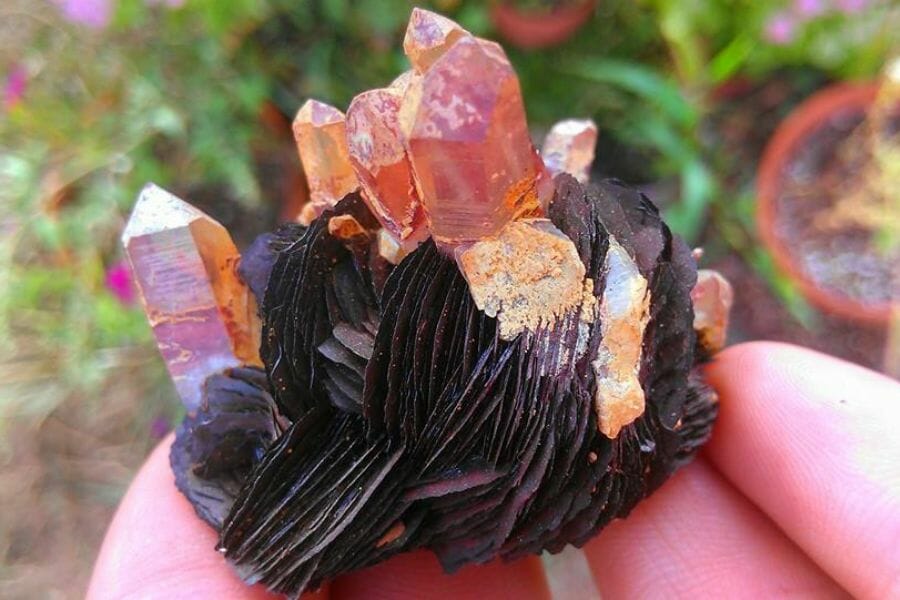
The Reward: Beyond the Gemstone
Collecting gemstones in California’s national forests is more than just the pursuit of tangible treasures. It’s an opportunity to connect with the earth, learn about geological processes, and immerse yourself in some of the most spectacular natural landscapes the United States has to offer. Each rock tells a story of millions of years of formation, and being able to hold a piece of that history in your hand is a profoundly rewarding experience. By adhering to regulations, respecting the environment, and approaching your rockhounding adventures with curiosity and an adventurous spirit, you can uncover the hidden geological wonders that California’s US Forest Service lands so generously provide.
LifeOutOfTheBox is a participant in the Amazon Services LLC Associates Program, an affiliate advertising program designed to provide a means for sites to earn advertising fees by advertising and linking to Amazon.com. Amazon, the Amazon logo, AmazonSupply, and the AmazonSupply logo are trademarks of Amazon.com, Inc. or its affiliates. As an Amazon Associate we earn affiliate commissions from qualifying purchases.