
Establishing your presence in a new state often involves navigating various administrative processes, and obtaining a Florida ID is a fundamental step for anyone looking to fully integrate into the Sunshine State lifestyle. Whether you’re a new resident, a long-term visitor, or simply someone who doesn’t require a driver’s license but needs official identification, understanding the path to acquiring a Florida ID card is crucial. This guide provides a comprehensive overview, outlining who needs this identification, the necessary documentation, the application process, and its broader benefits.
Understanding the Need for a Florida ID
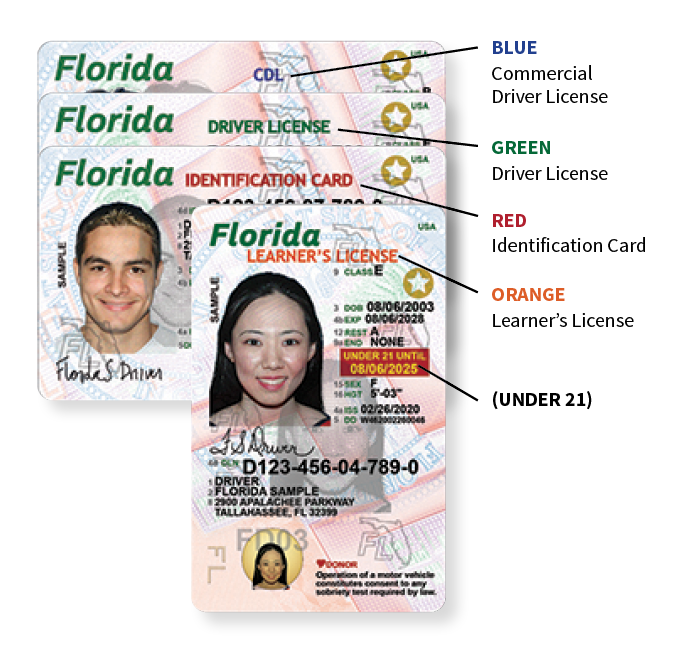
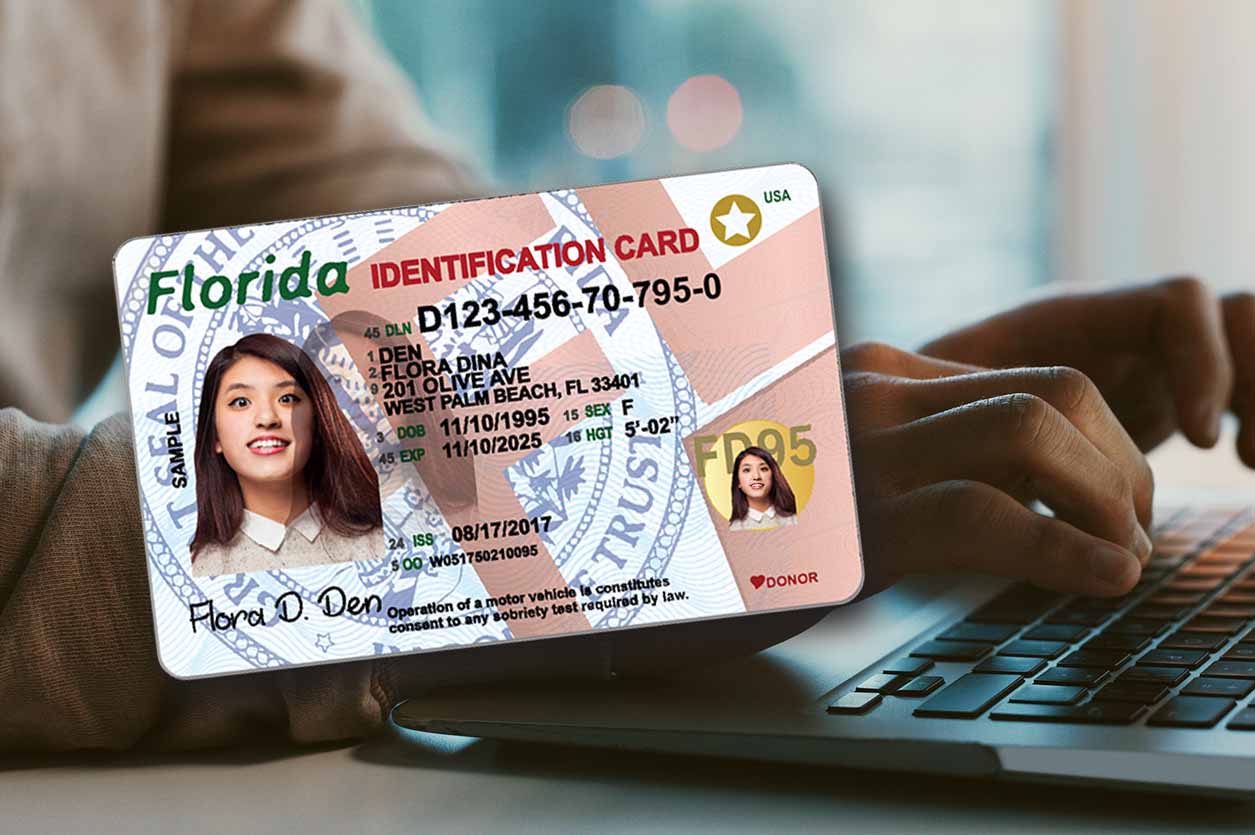
A Florida ID card serves as an official form of identification issued by the state, recognized for various purposes from everyday transactions to legal necessities. It’s an indispensable document for many aspects of daily life, offering proof of identity and age without the driving privileges associated with a driver’s license.
Who Needs a Florida ID?
The need for a Florida ID extends beyond just new residents. Individuals who might benefit significantly from possessing one include:
- Non-Drivers: Many individuals, whether due to age, disability, or personal choice, do not operate motor vehicles. For them, a state ID card is the primary government-issued identification.
- New Residents: Upon moving to Florida, establishing residency is often simplified with a state-issued ID. This is particularly relevant for tasks like opening bank accounts, registering for local services, or enrolling children in schools.
- Minors: While not mandatory, a state ID can be beneficial for teenagers who do not yet drive but need proof of age for various activities, such as part-time jobs or school events.
- Elderly Residents: For seniors who may no longer drive, the Florida ID ensures they maintain a valid, government-issued photo ID for medical appointments, travel, and other personal needs.
- Individuals with Expired Driver’s Licenses: If a Florida driver’s license expires and is not renewed, or if driving privileges are suspended, an individual can still obtain an ID card for identification purposes.
Distinguishing Between a Driver’s License and an ID Card
While both a Florida driver’s license and an ID card are issued by the Florida Department of Highway Safety and Motor Vehicles (FLHSMV), their primary functions differ. A driver’s license grants the holder permission to operate a motor vehicle in addition to serving as identification. An ID card, conversely, is solely for identification purposes and does not authorize driving. Crucially, an individual cannot hold both a Florida driver’s license and a Florida ID card simultaneously. If you apply for an ID card while holding a valid Florida driver’s license, you will be required to surrender your license.
Essential Documents for Your Application
The process of obtaining a Florida ID requires you to provide specific documents to prove your identity, Social Security number, and residential address. These requirements are in place to ensure the security and integrity of the identification system, particularly in compliance with the federal REAL ID Act. It is imperative to bring original documents or certified copies; photocopies are generally not accepted.
Proof of Identity
To establish your identity, you will typically need to present one of the following documents:
- Certified Birth Certificate: An original or certified copy issued by a U.S. state, District of Columbia, or U.S. territory.
- Valid U.S. Passport or Passport Card: This is often the most straightforward option for U.S. citizens.
- Consular Report of Birth Abroad: Issued by the U.S. Department of State.
- Certificate of Naturalization or Certificate of Citizenship: Issued by the U.S. Department of Homeland Security (DHS).
- Alien Registration Card (Green Card): For non-U.S. citizens who are lawful permanent residents.
- Employment Authorization Card: For non-U.S. citizens authorized to work in the United States.
For any name changes (e.g., due to marriage, divorce, or court order), you must also provide official documentation linking your current legal name to the name on your primary identification document.
Proof of Social Security Number
You will need to present one document proving your Social Security Number. Acceptable documents include:
- Social Security Card: Your physical card issued by the Social Security Administration (SSA).
- W-2 Form: A wage and tax statement that clearly displays your SSN.
- Pay Stub: A recent pay stub that includes your full name and SSN.
- IRS Form 1099: Any form 1099 (e.g., 1099-MISC, 1099-R) that shows your SSN.
It’s important that the name on your SSN document matches your current legal name. If there’s a discrepancy, you may need to update your name with the SSA first.
Proof of Residential Address
To demonstrate your Florida residency, you must provide two different documents showing your current residential address. These documents must be recent (typically within the last 90 days) and display your name and address. Common examples include:
- Utility Bills: Such as electricity, water, gas, or landline phone bills. Cell phone bills are generally not accepted.
- Rental or Lease Agreement: A valid, current agreement for your residence.
- Mortgage Statement or Deed: For homeowners.
- Mail from Government Agencies: Including the IRS, Social Security Administration, or state agencies.
- Vehicle Registration or Title: If it displays your current residential address.
- Homeowners or Renters Insurance Policy: A recent declaration page.
- Professional License: Issued by a Florida government agency.
- Transcripts from a Florida High School or College: Issued within the last two years.
For individuals residing with someone else and unable to provide two proofs of address in their own name, a “Certification of Address” form can be completed by the person with whom they reside, along with two proofs of address for that person.
The Application Process: Step-by-Step
Obtaining your Florida ID is a fairly straightforward process, primarily conducted in person at an official FLHSMV service center or a county tax collector’s office.
Locating Your Nearest DMV/Tax Collector Office
The first step is to find an authorized service center. In Florida, driver’s license and ID card services are provided by the FLHSMV and many county tax collector’s offices. You can easily find the nearest location by visiting the official FLHSMV website and using their service center locator tool. It’s often advisable to check if the specific office you plan to visit offers appointments, as this can significantly reduce wait times. Popular urban centers like Miami, Orlando, and Tampa often have multiple locations.
What to Expect During Your Visit
Once you arrive at the service center with all your required documents, the process generally unfolds as follows:
- Check-in: You will typically take a number or check in at a counter.
- Document Verification: A clerk will review your original documents to ensure they meet all requirements. Be prepared for them to scrutinize each document carefully. Any inconsistencies or missing documents will lead to delays or a need to return another day.
- Application Form: You will fill out an application form, which gathers personal information.
- Vision Test (for Driver’s License only): While not required for a standard ID card, if you were previously applying for a driver’s license, this would be the step where a vision test is administered.
- Photo and Signature: Your photograph will be taken for the ID card, and you will provide an electronic signature.
- Fingerprints: In some cases, fingerprints may be required as part of the identification process.
- Payment: You will pay the required fee for the ID card.
- Temporary ID: Upon successful completion, you will typically receive a temporary paper ID card immediately. Your permanent, laminated Florida ID card will be mailed to your residential address within a few weeks.
Fees and Validity
The fee for a Florida ID card is generally modest and can be found on the FLHSMV website. It’s important to note that these fees are subject to change, so checking the official source is always recommended. Typically, a Florida ID card is valid for eight years for U.S. citizens and permanent residents. For non-U.S. citizens, the validity period usually corresponds to the expiration date on their immigration documents.
Benefits and Considerations of Having a Florida ID
Possessing a Florida ID extends far beyond mere compliance; it’s a practical tool that simplifies numerous aspects of daily life and facilitates a smoother integration into the Florida lifestyle.
Practical Everyday Uses
A Florida ID card serves as a versatile and widely accepted form of identification for various purposes:
- Age Verification: Essential for purchasing age-restricted items like alcohol and tobacco, or for entry into venues with age limits.
- Banking and Financial Transactions: Required for opening bank accounts, cashing checks, or applying for loans.
- Voting: Serves as a primary form of identification at polling places during elections.
- Domestic Air Travel: As a REAL ID compliant document, your Florida ID will be accepted for boarding federally regulated flights within the United States and accessing federal facilities.
- Accessing Services: Useful for library card applications, registering for community programs, or interacting with various government and private sector services.
- Proof of Residency: Helps in establishing residency for tuition rates at Florida colleges and universities or for other state-specific benefits.

Special Cases and Non-US Citizens
Non-U.S. citizens residing in Florida are also eligible to apply for a Florida ID. The documentation requirements will differ slightly, primarily focusing on proof of legal presence in the United States. This typically includes documents such as a valid passport, visa, Alien Registration Card (Green Card), or Employment Authorization Document (EAD). The validity of their Florida ID will be tied to the expiration date of their immigration documents. It’s always best for non-U.S. citizens to consult the FLHSMV website or call their offices for the most current and specific requirements based on their immigration status.
Obtaining a Florida ID is a foundational step toward a seamless transition into life in Florida. By understanding the necessary documentation and the straightforward application process, you can easily secure this vital piece of identification and unlock the full spectrum of opportunities and conveniences the state has to offer.
LifeOutOfTheBox is a participant in the Amazon Services LLC Associates Program, an affiliate advertising program designed to provide a means for sites to earn advertising fees by advertising and linking to Amazon.com. Amazon, the Amazon logo, AmazonSupply, and the AmazonSupply logo are trademarks of Amazon.com, Inc. or its affiliates. As an Amazon Associate we earn affiliate commissions from qualifying purchases.