
Navigating the process of obtaining official identification can sometimes feel like a journey in itself, especially when you’re dealing with a state as vast and diverse as Texas. Whether you’re a new resident, a student, a traveler needing a valid form of ID for specific purposes, or simply looking to update your credentials, understanding where and how to get a Texas ID is crucial. This guide will walk you through the essential steps, document requirements, and locations where you can successfully secure your Texas ID.
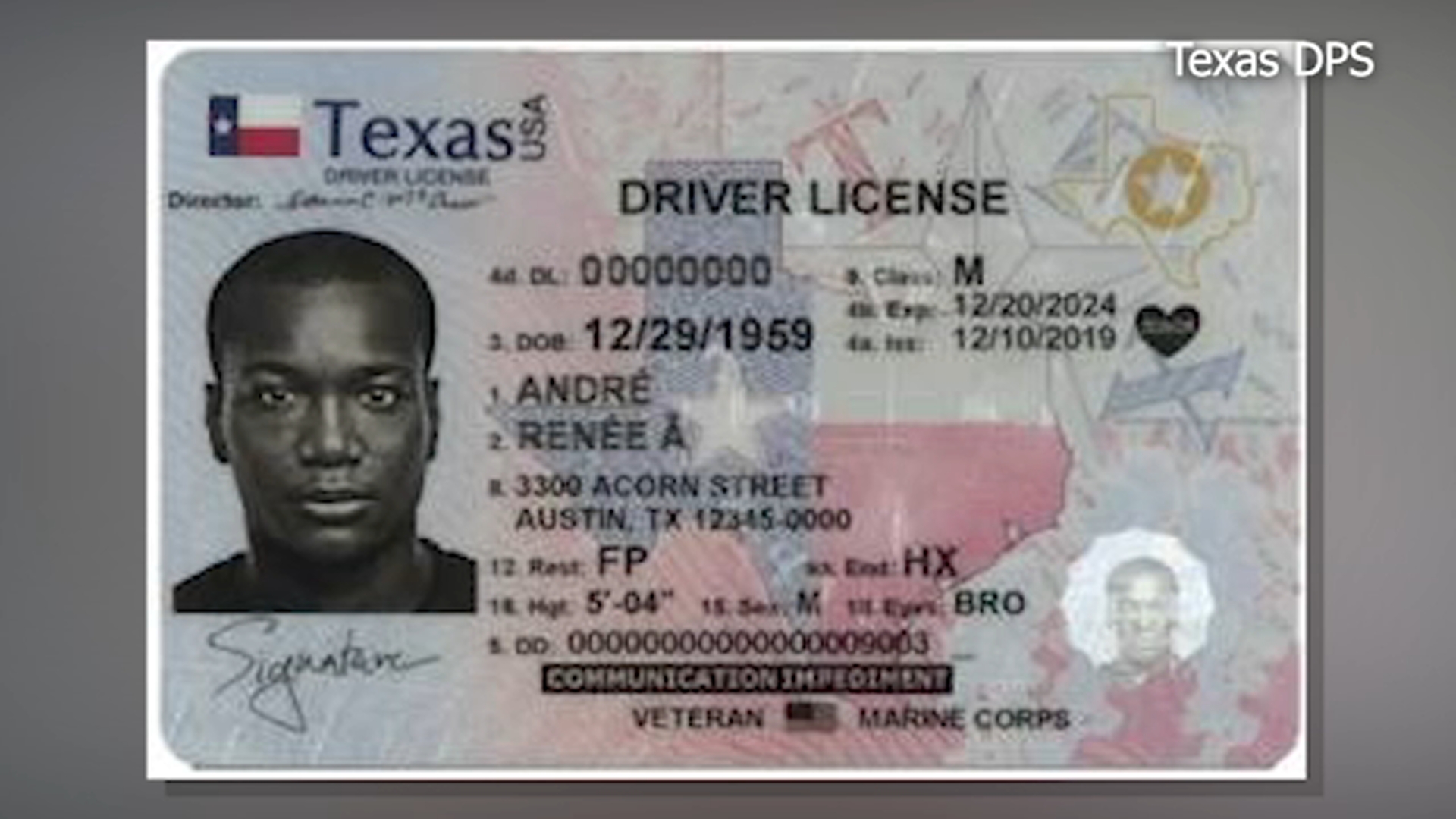
The primary authority responsible for issuing Texas IDs is the Texas Department of Public Safety (DPS). They oversee the issuance of Driver Licenses and Identification Certificates, which serve as official proof of identity and residency. It’s important to note that while many people associate the DPS with driver’s licenses, they also offer identification certificates specifically for individuals who do not drive but still require a government-issued ID.
Understanding Your Texas ID Options: Driver Licenses vs. Identification Certificates
Before you head to a DPS office, it’s beneficial to understand the different types of identification you can obtain.
Driver Licenses: For Those Who Drive
If you plan to operate a motor vehicle in Texas, a driver’s license is your primary identification and legal authorization. The process for obtaining a driver’s license involves several steps, including passing written and driving tests, demonstrating your identity and legal presence, and providing proof of residency. The requirements can vary slightly based on your age and prior driving experience, but the core documentation remains consistent.
Identification Certificates: For Non-Drivers
For individuals who do not drive or do not possess a driver’s license from another state, a Texas Identification Certificate is the ideal option. This certificate serves the same purpose as a driver’s license in terms of proving your identity for various official transactions, such as opening bank accounts, boarding airplanes, or accessing certain government services. It is a valuable form of identification for all Texans, regardless of their driving status.
Essential Documentation: What to Bring to Your Appointment
Gathering the correct documents is the most critical step in the Texas ID application process. The Texas DPS requires specific proof of identity, social security, and residency. It’s highly recommended to visit the official Texas DPS website to review their most up-to-date documentation checklist, as requirements can occasionally change. However, generally, you will need to present:
Proof of Identity
This documentation confirms your identity. Accepted forms typically include:
- Certified copy of a Birth Certificate: Must be issued by a U.S. state, U.S. territory, or the District of Columbia.
- U.S. Passport: Valid and unexpired.
- Foreign Passport with a valid I-94 form and visa: For non-U.S. citizens.
- Permanent Resident Card: U.S. Citizenship and Immigration Services (USCIS) issued.
- Employment Authorization Document (EAD) Card: USCIS issued.
Proof of Social Security Number
You must provide evidence of your Social Security number. Accepted documents include:
- Social Security Card: Original card.
- W-2 Form: Issued by your employer.
- Pay Stub: With your full name and Social Security number.
- SSA-1099 Form: If you receive Social Security benefits.
Proof of Texas Residency
This is crucial to establish that you are a resident of Texas. You’ll need to provide at least two documents from different sources. Common examples include:
- Utility Bills: Such as electricity, water, or gas bills in your name, dated within the last 60-90 days. Ensure the address is clearly visible.
- Lease Agreement or Mortgage Statement: Showing your name and Texas address.
- Bank Statements: From a Texas financial institution, with your name and address.
- School Transcripts or Report Cards: For students, showing your Texas address.
- Valid Voter Registration Card: Issued by a Texas county.
- Property Tax Statements: If you own property in Texas.

Important Note on Documents: All documents must be originals or certified copies. Photocopies are generally not accepted. Ensure your name and address on all documents are current and match the information you provide on your application. If your name has changed due to marriage or divorce, you will need to provide official documentation of the name change, such as a marriage certificate or divorce decree.
Where to Get Your Texas ID: Locations and Appointment Scheduling
The Texas Department of Public Safety operates numerous Driver License offices throughout the state. These offices are where you will go to apply for, take tests for (if applicable), and receive your Texas ID.
Finding a DPS Office Near You
To locate the nearest DPS office, the most efficient method is to use the official Texas DPS website. They provide a search tool where you can enter your zip code or city to find nearby locations. Many offices are located in major cities like Houston, Dallas, Austin, San Antonio, and Fort Worth, but smaller towns also have access points.
The Importance of Scheduling an Appointment
In recent years, the Texas DPS has strongly encouraged or required appointments for many services, including ID applications. This measure is in place to manage customer flow, reduce wait times, and ensure that staff can provide efficient service. You can typically schedule an appointment online through the Texas DPS website. It’s advisable to book your appointment well in advance, especially if you need a specific time or day. Walk-in services may be limited or unavailable, so an appointment is your best bet for a smooth experience.
The Application Process: Step-by-Step
Once you have your documents in order and an appointment scheduled, the process at the DPS office generally involves these steps:
- Check-in and Document Verification: Upon arrival, you will check in and present your gathered documentation. Staff will review your documents to ensure they meet all requirements.
- Application Completion: You will likely complete an application form, either digitally or on paper, providing all necessary personal information.
- Photograph: A photograph will be taken for your identification.
- Vision Test (for Driver Licenses): If you are applying for a driver’s license, you will undergo a vision test.
- Knowledge Test (for Driver Licenses): For a first-time driver’s license applicant, a written knowledge test will be administered.
- Skills Test (for Driver Licenses): The driving test assesses your ability to operate a vehicle safely.
- Payment of Fees: There are fees associated with obtaining a Texas ID, which vary depending on the type of identification and any applicable testing. The DPS website will detail the current fee structure.
- Issuance: Once all requirements are met, you will typically receive a temporary Texas ID on-site. Your permanent identification card will be mailed to your address within a few weeks.
Special Considerations and Tips for a Smooth Process
To ensure your experience obtaining a Texas ID is as seamless as possible, keep these additional tips and considerations in mind:
New Residents and Transfers
If you are moving to Texas from another state and have a valid driver’s license from that state, you will need to transfer it to a Texas driver’s license. You generally have 90 days after establishing residency to do this. The process usually involves surrendering your out-of-state license, providing proof of identity, Social Security, and residency, and potentially passing a vision test and a knowledge test. If you’re not transferring a license but are a new resident requiring an ID card, the process is similar to that of a long-time Texan.
Minors and Identification
Obtaining a Texas ID for minors often involves additional parental or guardian consent and specific documentation requirements. It is always best to consult the Texas DPS website for the exact requirements pertaining to minors.
Expired IDs and Renewals
If your Texas ID is expired or nearing expiration, you will need to renew it. Many renewals can be completed online or by mail, which can save you a trip to the DPS office. However, if your circumstances require an in-person visit (e.g., significant changes in information or if you are ineligible for remote renewal), follow the same process as a new application.
The Importance of Official Information
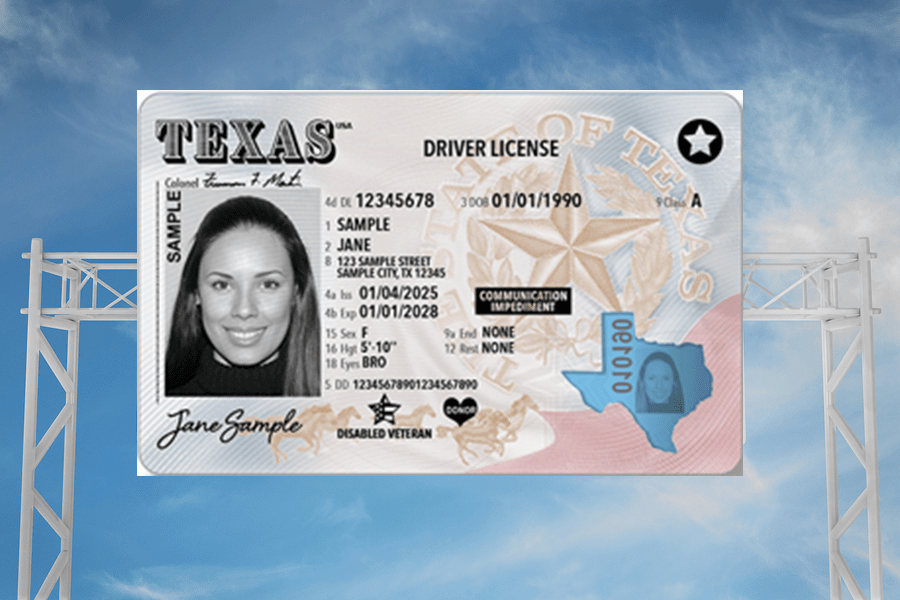
The Texas Department of Public Safety is the definitive source for all information regarding Texas IDs. Always refer to their official website for the most accurate and up-to-date requirements, forms, and office locations. This will prevent potential delays or complications due to outdated information.
Securing a Texas ID is a fundamental step for any resident of the Lone Star State. By understanding the necessary documentation, knowing your identification options, and preparing for your visit to a DPS office, you can navigate the process with confidence and obtain the official identification you need.
LifeOutOfTheBox is a participant in the Amazon Services LLC Associates Program, an affiliate advertising program designed to provide a means for sites to earn advertising fees by advertising and linking to Amazon.com. Amazon, the Amazon logo, AmazonSupply, and the AmazonSupply logo are trademarks of Amazon.com, Inc. or its affiliates. As an Amazon Associate we earn affiliate commissions from qualifying purchases.