
Florida, the Sunshine State, is renowned for its vibrant ecosystems and diverse wildlife, none more iconic than the American alligator. These prehistoric reptiles are a thrilling sight for visitors, and Florida offers numerous prime locations to observe them in their natural habitat. From sprawling national parks to serene waterways, the opportunities for an unforgettable alligator encounter are abundant. This guide will navigate you through the best destinations to witness these magnificent creatures, ensuring a safe and respectful viewing experience.
Everglades National Park: The Alligator Capital
No discussion of alligator viewing in Florida would be complete without mentioning the Everglades National Park. This vast subtropical wilderness, often called the “River of Grass,” is a sprawling wetland teeming with life, and alligators are its most prominent residents. The park covers over 1.5 million acres, providing an extensive and ideal habitat for thousands of these reptiles.

Airboat Tours: A Thrilling Perspective
One of the most popular and exhilarating ways to explore the Everglades and spot alligators is via an airboat tour. These specialized boats glide over the shallow waters, allowing access to areas that are otherwise inaccessible. Many operators depart from the fringes of the park, offering tours that venture deep into the sawgrass marshes and mangrove tunnels. On an airboat tour, you’re likely to see alligators basking on the banks, swimming in the waterways, or even a mother alligator with her young. The speed and unique locomotion of the airboat provide a thrilling experience while still offering excellent opportunities for wildlife observation. Remember to choose reputable tour operators who prioritize responsible wildlife viewing and adhere to park regulations.
Anhinga Trail and Eco-Tours
For a more serene and up-close experience, the Anhinga Trail within the Ernest F. Coe Visitor Center area is an absolute must-visit. This paved, looped boardwalk winds through a cypress swamp and is a guaranteed spot for alligator sightings, often just feet from the path. The dense vegetation and shallow waters make it a prime feeding and basking ground. Beyond the Anhinga Trail, numerous guided eco-tours, including canoe and kayak expeditions, offer intimate encounters with the park’s wildlife, including alligators, without the noise of an airboat. These tours allow for a quieter, more contemplative observation of the ecosystem.
Royal Palm and Shark Valley
The Royal Palm area, near the park’s main entrance, is home to the Anhinga Trail and Gumbo Limbo Trail, both excellent for alligator sightings. For a different perspective, Shark Valley offers a 15-mile loop road that can be traversed by bicycle, tram tour, or private vehicle. Alligators are frequently seen along the edges of the canal that parallels the road, providing easy and consistent viewing opportunities. The observation tower at Shark Valley offers a panoramic view of the wetlands, allowing you to appreciate the vastness of the habitat and spot alligators from above.
Central Florida Swamps and Lakes: Local Hotspots
Beyond the iconic Everglades National Park, central Florida boasts numerous lakes, rivers, and swamps that are rich in alligator populations. These accessible natural areas provide convenient opportunities for residents and tourists alike to witness these fascinating reptiles.
Lake Kissimmee State Park
Lake Kissimmee State Park is a gem for wildlife enthusiasts. The park features a large lake and surrounding marshes, which are ideal habitats for American alligators. Visitors can explore the park via hiking trails that wind through pine flatwoods and along the lake’s edge, offering ample chances to spot alligators sunning themselves on the banks or swimming in the water. The park also offers opportunities for fishing and boating, which can bring you closer to the aquatic life, including the alligators.
Lake Monroe and the St. Johns River
The St. Johns River is Florida’s longest river and a vital ecosystem supporting a healthy alligator population. Lake Monroe, a large freshwater lake along the river’s course, is a particularly productive area for alligator viewing. Many boat tours operate on Lake Monroe and the surrounding St. Johns River, providing an excellent platform to observe alligators in their natural aquatic environment. These tours often highlight the diverse birdlife and other fauna that share this habitat with the alligators.
Seminole State Forest and Blackwater Creek
The Seminole State Forest and areas like Blackwater Creek offer a more wild and less developed setting for alligator encounters. Hiking and paddling through these areas can lead to rewarding sightings. The denser vegetation often means a more natural and less habituated alligator population, making for a truly wild experience. Always exercise caution and maintain a safe distance when exploring these less-trafficked locations.
Coastal and Inland Waterways: A Diverse Habitat

Alligators are not confined to the southern tip of Florida or large freshwater systems. They have adapted to a variety of aquatic environments, including brackish and even some coastal waters, and can be found in countless rivers, canals, and lakes throughout the state.
Myakka River State Park
Myakka River State Park is one of Florida’s largest and oldest state parks, offering diverse habitats that are home to a significant alligator population. The park features a scenic river, wetlands, and prairies. The main park road provides easy access to viewpoints where alligators are frequently seen along the riverbanks. A popular activity is the Myakka River Tram Tour, which takes visitors deep into the wilderness areas, offering excellent opportunities to spot alligators, as well as other wildlife like wading birds and turtles. The park also has hiking trails and opportunities for canoeing and kayaking on the river and lakes, which can lead to close-up observations.
Wekiwa Springs State Park
Located just north of Orlando, Wekiwa Springs State Park is another excellent destination for alligator viewing. The park is centered around a natural spring that feeds into the Wekiwa River. Alligators are commonly seen in the river and its surrounding marshes. Kayaking or canoeing down the Wekiwa River is a fantastic way to explore the waterways and discover alligators basking near the water’s edge or swimming leisurely. The park’s trails also offer opportunities for land-based viewing.
Canals and Ditches: Unexpected Encounters
It’s worth noting that alligators have a remarkable ability to thrive in human-altered landscapes. You can often spot them in the extensive canal systems that crisscross much of Florida, particularly in suburban and agricultural areas. While not as picturesque as a state park, these often-overlooked waterways can be surprisingly productive for alligator sightings. Always be mindful of private property and traffic when observing wildlife in these areas.
Tips for Responsible Alligator Viewing
Encountering alligators in Florida is a privilege, and it’s crucial to do so responsibly to ensure the safety of both humans and wildlife.
Maintain a Safe Distance
The most important rule when viewing alligators is to maintain a safe and respectful distance. Alligators are wild animals and can be dangerous. Never approach, feed, or attempt to touch an alligator. Park guidelines and wildlife officials typically recommend staying at least 30 feet away from any alligator. Remember that they can move surprisingly quickly on land and in water.
Never Feed Alligators
Feeding alligators is not only illegal in Florida but also incredibly harmful to their well-being and poses a significant safety risk to humans. When alligators become accustomed to being fed by people, they lose their natural fear and may approach humans aggressively, leading to dangerous encounters. Always dispose of trash properly to avoid attracting them to populated areas.
Observe from Designated Areas and with Guides
Utilize designated viewing areas, boardwalks, and trails within parks. These locations are often chosen for their safety and the likelihood of wildlife sightings. Consider joining guided tours led by experienced naturalists or park rangers. These guides possess extensive knowledge of the local environment and wildlife behavior, ensuring a safer and more educational experience. They can point out alligators you might otherwise miss and provide valuable insights into their lives.
Respect Their Habitat
When exploring areas where alligators live, be mindful of their environment. Stick to marked trails to avoid disturbing their habitat and nesting grounds. Avoid making loud noises that could startle them, and never disturb nests or young alligators. Remember that you are a visitor in their home.
Timing and Conditions
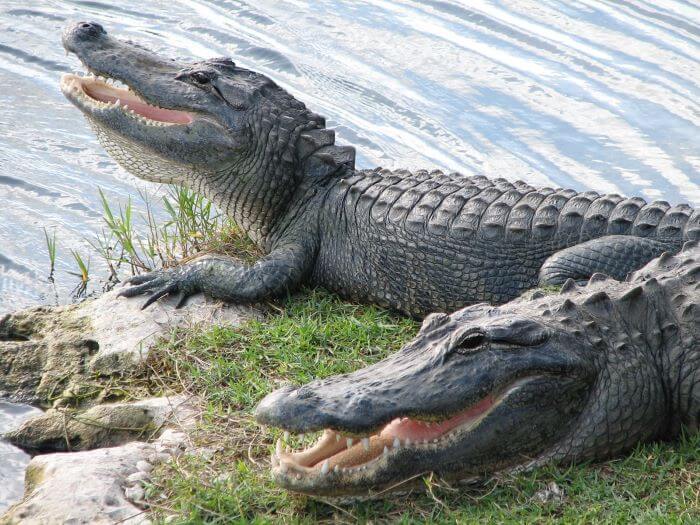
The best times to see alligators are generally during the warmer months when they are more active, especially in the morning and late afternoon. They are often seen basking in the sun on banks or logs to regulate their body temperature. Following rain, they may also be more active as water levels change.
By following these guidelines, you can ensure a memorable and responsible alligator viewing experience in the diverse and beautiful natural landscapes of Florida.
LifeOutOfTheBox is a participant in the Amazon Services LLC Associates Program, an affiliate advertising program designed to provide a means for sites to earn advertising fees by advertising and linking to Amazon.com. Amazon, the Amazon logo, AmazonSupply, and the AmazonSupply logo are trademarks of Amazon.com, Inc. or its affiliates. As an Amazon Associate we earn affiliate commissions from qualifying purchases.