
Florida, a state celebrated for its sun-drenched beaches and vibrant ecosystems, is also a premier destination for birdwatchers and nature enthusiasts eager to witness the spectacle of flamingos. While not as ubiquitous as some other avian species, these strikingly pink birds grace the Sunshine State with their presence, particularly in specific coastal and wetland areas. Understanding where and when to find them enhances the likelihood of a memorable viewing experience, transforming a simple trip into an unforgettable wildlife adventure.
Understanding the American Flamingo in Florida
The flamingo most commonly observed in Florida is the American Flamingo (Phoenicopterus ruber). These magnificent birds are characterized by their long, slender legs, graceful necks, and the unmistakable rose-pink plumage that deepens with age and diet. Their diet consists primarily of brine shrimp and blue-green algae, which contain pigments that are responsible for their vibrant coloration. The intensity of their pink hue is often an indicator of their health and the richness of their food sources.
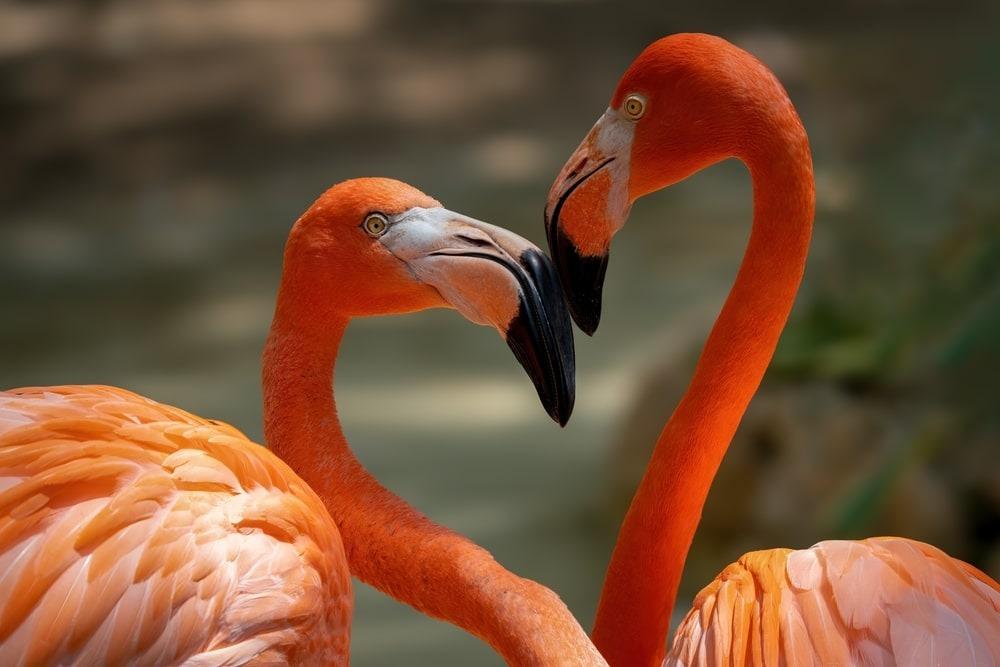
Historically, flamingos were indigenous to South Florida, particularly the Florida Keys and the Everglades. However, population fluctuations and habitat changes have influenced their distribution. Today, while wild populations are more elusive and tend to be concentrated in specific locations, there are also opportunities to see them in captive settings at wildlife sanctuaries and zoos, offering a more guaranteed viewing experience.
Distinguishing Wild vs. Captive Flamingos
When planning a flamingo-watching expedition in Florida, it’s important to differentiate between encountering wild flamingos and seeing them in managed environments. Wild flamingos are part of natural migratory patterns and breeding cycles, making their appearances somewhat unpredictable, though more common during certain seasons. Captive flamingos, on the other hand, are housed in zoos and wildlife parks, providing reliable viewing opportunities year-round. Both offer unique perspectives on these captivating creatures.
Prime Locations for Flamingo Sightings
The quest for flamingos in Florida often leads to its southern reaches, where the climate and habitats are most conducive to their survival. These locations offer a blend of natural beauty and the chance to observe these iconic birds in their element.
The Everglades National Park
Everglades National Park remains one of the most significant natural areas in Florida, and a vital habitat for a diverse array of wildlife, including the American Flamingo. While sightings in the wild can be serendipitous, specific areas within the park are known for a higher probability of encounters.
Anhinga Trail and Eco Pond
The Anhinga Trail and the nearby Eco Pond are popular spots within the Everglades for observing various bird species. While not solely a flamingo hotspot, these locations offer expansive wetlands that attract a variety of wading birds. During the right season, flamingos may be seen foraging in the shallow waters here. Visitors are advised to bring binoculars and be patient, as the birds can be somewhat reclusive.
Flamingo Visitor Center Area
The southern tip of the park, accessible via the main road, leads to the Flamingo Visitor Center. The name itself hints at the possibility of sightings. The Flamingo area encompasses extensive saltwater estuaries, mangrove forests, and coastal marshes, providing an ideal feeding ground for flamingos. Boat tours and kayak rentals from the visitor center offer excellent opportunities to explore these waters and potentially spot flocks of flamingos in the distance. Early morning and late afternoon are often the most rewarding times for wildlife viewing here.
The Florida Keys
The chain of islands known as the Florida Keys is another region where American Flamingos can occasionally be found, particularly in the more remote and less developed western keys. Their presence here is often tied to tidal conditions and the availability of food sources.
National Key Deer Refuge and Great White Heron National Wildlife Refuge
Adjacent to Big Pine Key, the National Key Deer Refuge and the Great White Heron National Wildlife Refuge offer protected habitats that can attract flamingos. While these refuges are primarily managed for other species, their diverse wetland environments make them potential foraging grounds. Exploring the shallow bays and mangrove fringes of these areas, especially during migration periods, might yield a glimpse of these vibrant birds.
Coastal Wetlands and Estuaries
Beyond the national parks and refuges, Florida’s extensive coastline is dotted with numerous smaller wetland areas and estuaries that can serve as temporary homes for flamingos. These include areas around Tampa Bay, Sanibel Island, and the Ten Thousand Islands.

Estero Bay Aquatic Preserve
Located near Fort Myers and Naples, the Estero Bay Aquatic Preserve is a significant estuarine system. Its shallow waters and mangrove habitats are rich in the crustaceans and algae that flamingos feed on. Kayaking or paddleboarding through the preserve’s waterways can offer intimate encounters with the local wildlife, and flamingos are sometimes observed here, especially during the fall and winter months.
Fort De Soto Park
While Fort De Soto Park in St. Petersburg is more widely known for its beaches and historical fort, its diverse habitats, including tidal flats and salt marshes, have occasionally drawn flamingos. Birdwatchers often frequent the park, and reports of flamingo sightings, though infrequent, do surface. It’s a testament to the varied ecological niches that can support these birds across the state.
Guaranteed Flamingo Encounters: Zoos and Wildlife Parks
For visitors seeking a more certain viewing experience, or for those with limited time, Florida’s excellent zoos and wildlife sanctuaries provide reliable opportunities to see American Flamingos. These facilities are dedicated to conservation and education, offering close-up views in meticulously recreated habitats.
Zoo Miami
Zoo Miami boasts a significant collection of American Flamingos, which are a prominent feature of its ‘Florida: Mission Everglades’ exhibit. This expansive exhibit is designed to mimic the natural wetland environment of South Florida, allowing visitors to see the flamingos in a setting that is both beautiful and informative. The zoo offers daily feeding opportunities and educational talks about the birds, making it an engaging visit for all ages.
Busch Gardens Tampa Bay
Busch Gardens Tampa Bay is another excellent venue for flamingo viewing. The park’s “Serengeti Safari” and other animal habitats often include vibrant flocks of flamingos, allowing for stunning photographic opportunities. Their commitment to animal welfare ensures that the flamingos are displayed in spacious, enriching environments.
The Florida Aquarium
Located in Tampa, The Florida Aquarium provides an underwater and above-water perspective on Florida’s aquatic life. While its primary focus is marine ecosystems, the aquarium also features exhibits showcasing the state’s diverse wildlife, including flamingos in its outdoor areas. It’s a great option for families looking to combine a visit with other educational attractions.
White Oak Conservation
For a more immersive and potentially exclusive experience, White Oak Conservation in Yulee offers a unique glimpse into conservation efforts. While not a public zoo in the traditional sense, it occasionally offers guided tours or special events where one might see their resident flamingos and other rare species. Advance booking and checking their specific visitor policies are essential.
Tips for Flamingo Watching
Maximizing your chances of a successful flamingo sighting requires a bit of preparation and understanding of their behavior and preferred habitats.
Best Times of Year to Visit
While flamingos can be seen year-round in some locations, their numbers and visibility tend to increase during the cooler months, from late fall through early spring (roughly November to April). This period often coincides with migratory patterns and optimal foraging conditions in Florida’s wetlands. However, breeding colonies and more resident populations can be observed at other times as well.
Essential Gear and Preparation
- Binoculars: High-quality binoculars are crucial for observing flamingos from a distance without disturbing them. Look for magnifications around 8x or 10x.
- Camera: A camera with a good zoom lens will allow you to capture the beauty of these birds.
- Sun Protection: Florida’s sun can be intense. Pack sunscreen, a wide-brimmed hat, and sunglasses.
- Insect Repellent: Especially when visiting wetland areas, insect repellent is a must to ward off mosquitoes and other biting insects.
- Comfortable Footwear: You’ll likely be doing a lot of walking, so wear comfortable, closed-toe shoes.
- Water and Snacks: Stay hydrated and fueled, especially if you’re venturing into remote areas.

Respecting Wildlife and Habitats
When seeking out wild flamingos, it is paramount to maintain a respectful distance. Never feed wild birds, as this can disrupt their natural foraging behaviors and negatively impact their health. Stay on designated trails and boardwalks to avoid trampling sensitive vegetation and disturbing nesting sites. Observe quietly and avoid making loud noises that could startle the birds. The goal is to appreciate these magnificent creatures in their natural environment while ensuring their continued well-being. Following these guidelines not only protects the wildlife but also enhances your own experience by allowing for more natural and undisturbed observations.
LifeOutOfTheBox is a participant in the Amazon Services LLC Associates Program, an affiliate advertising program designed to provide a means for sites to earn advertising fees by advertising and linking to Amazon.com. Amazon, the Amazon logo, AmazonSupply, and the AmazonSupply logo are trademarks of Amazon.com, Inc. or its affiliates. As an Amazon Associate we earn affiliate commissions from qualifying purchases.