
The quest for a first job is a significant milestone in any young person’s life, a stepping stone towards independence, skill development, and perhaps, even funding future adventures. For 14-year-olds in Texas, the possibilities for earning a paycheck and gaining invaluable experience are more diverse than one might initially imagine, especially when considering the state’s vibrant tourism and hospitality sectors. While strict child labor laws govern what roles and hours are permissible, there are numerous opportunities that not only provide an introduction to the professional world but can also lay the groundwork for a lifestyle rich in travel, cultural exploration, and unique experiences.
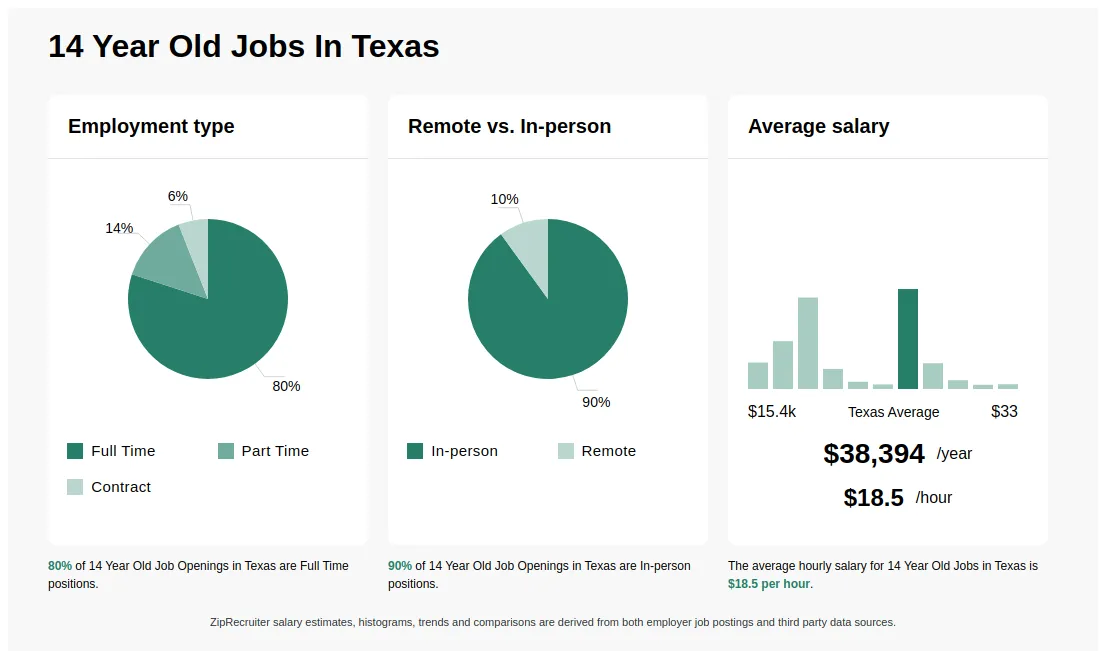
This guide delves into the legal framework, identifies suitable job categories, offers practical advice for securing employment, and most importantly, highlights how early work experience in the Lone Star State can directly contribute to a lifelong passion for discovery and the exciting world of travel. Imagine earning money working at a local attraction, then using those funds to save for a trip to a faraway destination or even a weekend getaway within Texas itself. This article will show you how that dream can start at 14.
Understanding Child Labor Laws in Texas for 14-Year-Olds
Embarking on a job search at 14 requires a clear understanding of the legal landscape designed to protect young workers. Both federal and state laws govern the types of work, hours, and conditions permissible for minors. While these regulations are in place for safety and to ensure that school remains the primary focus, they still allow for meaningful employment opportunities.
Key Regulations and Working Hours
In the United States, the Fair Labor Standards Act (FLSA) sets the federal standards for child labor. Texas state law generally mirrors or slightly exceeds these protections. For 14 and 15-year-olds, the rules are quite specific:
- Permitted Hours During School Weeks: Minors aged 14 and 15 are generally permitted to work a maximum of 3 hours on a school day and up to 18 hours in a school week. Work must also be performed outside of school hours.
- Permitted Hours During Non-School Weeks (Summers, Holidays): During non-school weeks, these restrictions ease considerably. 14 and 15-year-olds can work up to 8 hours a day and a maximum of 40 hours per week.
- Time Restrictions: Work is typically allowed between 7:00 AM and 7:00 PM, though this extends to 9:00 PM during the summer (June 1st through Labor Day).
- Work Permits: Unlike some other states, Texas generally does not require a state-issued work permit for minors to be employed. However, some specific employers or industries, particularly those regulated by federal law, might request one, or parents/schools might issue them for record-keeping. It’s always wise for the minor and their parents to verify with potential employers or their school district if any specific documentation is needed.
These regulations ensure that young workers can gain experience without compromising their education or well-being. They provide a structured framework within which countless businesses across Texas’s diverse economy can responsibly employ young talent.
Prohibited Occupations for Young Workers
While many avenues are open, certain jobs are deemed too hazardous or demanding for individuals under 16. The FLSA and Texas law prohibit minors from working in:
- Manufacturing and Mining: Industries involving heavy machinery or dangerous environments.
- Most Occupations in Construction: Due to inherent risks and machinery involved.
- Operating Motor Vehicles: Driving for commercial purposes is strictly prohibited.
- Operating Power-Driven Machinery: Including woodworking, metalworking, baking machines, and paper product machines.
- Occupations Involving Exposure to Radioactive Substances or Explosives: High-risk environments.
- Loading/Unloading from Trucks or Railroad Cars: Heavy lifting and dangerous environments.
- Meat Packing or Processing: Involving sharp tools or dangerous machinery.
These prohibitions are designed to protect minors from roles that could endanger their physical safety or expose them to inappropriate environments. It leaves a wide array of service-oriented and light manual labor jobs perfectly suitable for a 14-year-old.
Navigating the Job Market: Permitted Industries and Roles
With the legalities clarified, the next step is identifying where a 14-year-old can realistically find employment. The good news is that Texas’s booming economy, especially its thriving tourism and service industries, offers numerous entry-level positions perfectly suited for young, enthusiastic workers. These roles not only offer a first paycheck but also a chance to develop critical life skills and even engage with the local culture and attractions that make Texas so unique.
Entry-Level Opportunities in Retail and Food Service
The retail and food service sectors are traditional starting points for young workers, offering flexible hours and often requiring minimal prior experience. These industries are prevalent across all Texas cities, from bustling Houston to historic San Antonio.
- Grocery Stores and Supermarkets: Chains like H-E-B and Kroger frequently hire 14 and 15-year-olds for roles such as baggers, stockers (shelving non-perishable goods), cart retrievers, or clean-up crew. These jobs teach responsibility, teamwork, and customer interaction.
- Fast Food and Casual Dining Restaurants: Establishments like McDonald’s or Chick-fil-A often hire young staff for positions such as cashiers, bussers, hosts/hostesses, or food preparation assistants (non-hazardous tasks like assembling sandwiches or preparing salads). These roles are excellent for developing communication skills, working in a fast-paced environment, and learning about customer service – a transferable skill vital for any travel-related career.
- Local Businesses and Small Shops: Don’t overlook independent bakeries, ice cream parlors, coffee shops, or gift stores. These often provide a more personal working environment, where a young employee might assist with customer service, stocking shelves, or light cleaning.
Unlocking the World of Tourism and Hospitality
For those with an adventurous spirit and an interest in travel, the tourism and hospitality industries in Texas present exciting opportunities. Working in these fields offers a direct connection to the state’s vibrant attractions and can provide a unique perspective on local culture and visitor experiences.
- Theme Parks and Water Parks: Texas is home to major attractions like Six Flags Over Texas in Arlington, SeaWorld San Antonio, and the legendary Schlitterbahn waterparks in New Braunfels and Galveston. These venues frequently hire 14 and 15-year-olds for guest services assistants, concession stand workers, game booth attendants, park clean-up crew, or gift shop associates. Imagine spending your summer helping visitors enjoy their vacation, all while earning money to fund your own future explorations.
- Hotels and Resorts: While front-desk positions are typically for older employees, many hotels and resorts in cities like Dallas, Houston, Austin, and San Antonio look for young talent. Roles might include pool attendants (supervising, towel service – though certification requirements vary for lifeguarding), groundskeeping assistants (light gardening, litter patrol), kitchen prep assistants (non-hazardous tasks), or bellhop assistants (helping with luggage within legal weight limits). Working in a resort environment, perhaps at a grand establishment like the Great Wolf Lodge in Grapevine or a coastal property in Corpus Christi, offers a firsthand look at how the travel industry operates.
- Museums, Zoos, and Cultural Institutions: Places like the Dallas World Aquarium, Houston Zoo, or historical sites like The Alamo in San Antonio often need assistance. 14-year-olds can work as junior docents or guides (providing basic information), gift shop clerks, event assistants, or clean-up staff. These jobs offer a unique way to engage with the rich history and vibrant culture of Texas, providing insights that few tourists ever get.
- Recreational Facilities: Bowling alleys, movie theaters, miniature golf courses, and local recreation centers are other prime spots for young workers. Positions often include cashiers, equipment clean-up, or party assistants.
Personal Services and Community Engagement

Beyond formal businesses, many opportunities exist within local communities that offer flexibility and a chance to directly help others.
- Babysitting and Pet Sitting: While often informal, these roles are excellent for developing responsibility and earning money on a flexible schedule. Advertising services locally or through trusted networks can yield consistent work.
- Yard Work and Odd Jobs: Mowing lawns, raking leaves, gardening, or washing cars for neighbors are classic ways for young people to earn money. These jobs require initiative and a strong work ethic.
- Tutoring: If a 14-year-old excels in a particular subject, they might tutor younger children, developing teaching and communication skills.
- Community Centers and Libraries: These institutions occasionally have needs for assistants in their children’s programs, summer camps, or for general organizational tasks, offering a civic-minded work experience.
Landing Your First Job: Tips for Success
Securing your first job at 14, especially one that aligns with the exciting world of travel and experiences, requires preparation and a proactive approach. Even without extensive prior experience, demonstrating enthusiasm, reliability, and a willingness to learn can make a significant difference.
Crafting Your Application and Acing the Interview
Your first impression is critical, whether it’s on paper or in person.
- Building a “Resume” Without Experience: Even without a formal work history, you can still create a compelling resume. List your contact information, highlight your availability (within legal limits), and include any relevant skills (e.g., strong academic performance, computer literacy, proficiency in another language, organizational skills from school projects). Crucially, emphasize volunteer work, extracurricular activities (sports, clubs, youth groups), and any responsibilities at home (babysitting younger siblings, managing chores). These demonstrate teamwork, reliability, and initiative.
- The Cover Letter (If Applicable): If an employer requests one, use it to express your genuine interest in the specific role and the company. Explain why you want to work there and how your enthusiasm and transferable skills (like being a quick learner or having a strong work ethic) make you a great fit, despite your age.
- Preparing for the Interview:
- Research the Company: Know what the business does, its values, and what the job entails. If you’re applying to Moody Gardens in Galveston, understand its various attractions.
- Dress Appropriately: Business casual is usually a safe bet.
- Practice Common Questions: Be ready to talk about your strengths, weaknesses, how you handle challenges, and why you want this particular job. Think about how your school projects or volunteer work relate to the responsibilities of the job.
- Ask Questions: This shows engagement. Ask about training, team culture, or typical daily tasks.
- Follow Up: A polite thank-you note or email after the interview is a professional touch that can set you apart.
Emphasize your punctuality, enthusiasm, positive attitude, and eagerness to learn. Employers often value these qualities highly in young, entry-level workers. For many, a 14-year-old’s first job is about cultivating a strong work ethic, which is a key trait employers seek.
The Importance of a Work Permit (If Required)
As mentioned, Texas generally does not mandate state-issued work permits for minors. However, it is essential for both the minor and their parents to confirm this with the potential employer. Some larger corporations, national chains, or those operating under specific federal grants might still require proof of age or parental consent forms. It’s always best to be prepared and clarify any documentation needs upfront to ensure a smooth hiring process. Even if not legally required, having a parental consent form stating approval for employment and acknowledging working hour restrictions can be a good professional step.
Beyond the Paycheck: How Early Work Experiences Fuel a Life of Travel and Adventure
While the immediate goal of working at 14 might be to earn pocket money, the benefits extend far beyond monetary gain. Early employment, particularly in a state as vibrant and diverse as Texas, can be a powerful catalyst for developing a travel-oriented lifestyle, fostering a global mindset, and providing practical skills that are invaluable for future adventures.
Funding Future Adventures and Lifestyle Goals
Imagine the satisfaction of saving up for your dream trip with money earned from your very first job.
- Saving for Travel: Whether it’s a future trip across the country, an international destination once you’re older, or even a weekend road trip to South Padre Island or Big Bend National Park with friends, earning your own money provides the freedom to pursue these experiences. A portion of every paycheck can go into a dedicated “travel fund,” making those aspirations tangible.
- Developing Financial Literacy: Managing your own earnings teaches essential lessons in budgeting, saving, and understanding the value of money. These are crucial skills for independent travel, enabling you to plan budget travel strategies and make the most of your funds on the road.
- Investing in Experiences: Beyond big trips, your earnings can fund smaller, enriching experiences. Perhaps it’s a day trip to Austin for a local festival, tickets to a special exhibit at a museum, or trying new local cuisine. These mini-adventures build a foundation for a life filled with exploration.
Gaining Valuable Skills for a Global Future
The skills acquired in an entry-level job are highly transferable and universally valued, particularly in the travel and hospitality sectors.
- Customer Service Excellence: Working in retail, food service, or any tourism-related role hones your ability to interact positively with diverse individuals. This skill is paramount for anyone considering a career in hotels, airlines, tour guiding, or simply navigating interactions with people from different backgrounds during personal travel.
- Time Management and Responsibility: Balancing school, social life, and work demands excellent time management. Showing up on time, completing tasks efficiently, and meeting deadlines are fundamental professional traits that are also essential for planning complex itineraries and managing travel schedules.
- Teamwork and Communication: Most jobs involve working with others. Learning to collaborate, communicate effectively, and contribute to a team’s success are skills that will serve you well, whether you’re working on a cruise ship or coordinating a family trip.
- Problem-Solving: Every job presents challenges. Learning to calmly identify issues and find solutions, whether it’s handling a customer complaint or figuring out how to restock shelves efficiently, builds resilience and adaptability – qualities invaluable for navigating unexpected situations while traveling.
- Understanding Diverse Perspectives: Working in Texas’s bustling tourist areas exposes you to people from all walks of life, from different cities, states, and even countries. This early exposure helps cultivate an appreciation for diversity and develops cross-cultural communication skills, preparing you for a life of global engagement.

Exploring Local Gems Through Work
Working in your local community, especially at a tourist attraction or business, provides an insider’s view that most visitors never experience.
- Deepening Local Knowledge: If you work at a landmark like Space Center Houston or along the San Antonio River Walk, you’ll gain an intimate understanding of its history, operations, and significance. This knowledge fosters a deeper connection to your own surroundings and can spark an interest in learning about other landmarks and cultural sites around the world.
- Discovering Hidden Local Spots: Through colleagues, customers, or simply exploring your area during breaks, you might uncover local eateries, parks, or events that you wouldn’t have known about otherwise. These local discoveries enrich your immediate lifestyle and teach you how to seek out authentic experiences when you travel elsewhere.
- Building a Foundation for Hospitality Careers: For those interested in a career in travel, early jobs in Texas’s thriving hospitality sector are an invaluable internship. Whether it’s assisting guests at a hotel, operating rides at Six Flags Over Texas, or selling souvenirs at Guadalupe Mountains National Park, these roles provide firsthand insight into how destinations create memorable experiences for millions.
In conclusion, finding a job at 14 in Texas is not merely about earning a first paycheck; it’s about embarking on an early journey of self-discovery, skill development, and financial independence that can profoundly shape your future. By carefully navigating child labor laws and actively seeking opportunities in the state’s diverse job market, particularly within its expansive tourism and hospitality industries, young Texans can gain invaluable experience. These initial steps into the workforce provide practical skills in customer service, teamwork, and financial management, all of which are essential for navigating a life of travel and exploration.
Whether you dream of backpacking through Europe one day, exploring the national parks of America, or simply taking more weekend trips within Texas to attend events like Austin City Limits Music Festival or South by Southwest (SXSW) in Austin, earning your own money at 14 is a powerful first step. It teaches you to value hard work, empowers you to achieve your goals, and provides a unique vantage point from which to appreciate the world around you – starting right there in your own community in Texas. So, go forth, apply with confidence, and begin crafting your own life out of the box.
LifeOutOfTheBox is a participant in the Amazon Services LLC Associates Program, an affiliate advertising program designed to provide a means for sites to earn advertising fees by advertising and linking to Amazon.com. Amazon, the Amazon logo, AmazonSupply, and the AmazonSupply logo are trademarks of Amazon.com, Inc. or its affiliates. As an Amazon Associate we earn affiliate commissions from qualifying purchases.