
Securing a fishing license in the Sunshine State is a straightforward process designed to grant anglers access to its abundant waters while supporting conservation efforts. Whether you’re a seasoned angler planning an extended stay or a casual visitor hoping for a day of fun on the coast, understanding where and how to obtain your permit is essential. Florida’s diverse aquatic environments, from the vast Atlantic Ocean to the tranquil freshwater lakes and rivers, teem with a remarkable array of species, making it a premier destination for fishing enthusiasts. To fully enjoy these opportunities, a valid fishing license is a mandatory requirement for most individuals.
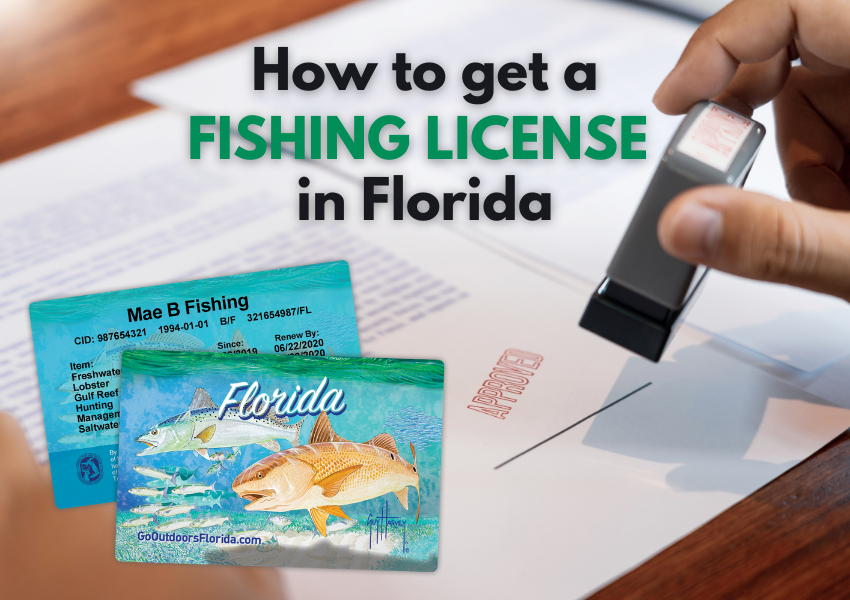
The Florida Fish and Wildlife Conservation Commission (FWC) oversees the issuance of all fishing licenses. This state agency is dedicated to managing and conserving Florida’s fish and wildlife resources for the benefit of present and future generations. The FWC offers various license types, catering to different needs, residency statuses, and durations. Understanding these options will help you select the most appropriate and cost-effective license for your fishing adventures.
Options for Purchasing Your Florida Fishing License
The FWC has made the process of acquiring a fishing license convenient through several channels, ensuring that you can get your permit with minimal hassle, allowing you more time to focus on the thrill of the catch.
Online Purchase
The most efficient and often preferred method for obtaining a Florida fishing license is through the official FWC website. This platform is user-friendly and available 24/7, allowing you to purchase your license from anywhere with an internet connection.
The FWC Licensing System
The FWC’s online licensing system guides you through a simple step-by-step process. You will need to provide basic information, including your name, address, date of birth, and physical characteristics. For residents, proof of residency might be required, such as a Florida driver’s license or ID card number. Non-residents will also complete the process online, but will not need to provide proof of Florida residency.
Once you select the appropriate license type (e.g., annual freshwater, annual saltwater, 3-day tourist saltwater, etc.), you can pay using a major credit card. After successful payment, your license is typically available for immediate download or printing. It’s advisable to carry a printed copy or have a digital version accessible on your smartphone while fishing.
In-Person Purchases
For those who prefer face-to-face transactions or need immediate assistance, several authorized locations across Florida sell fishing licenses. These locations are diverse, ranging from outdoor recreational stores to county tax collector offices.
Authorized License Agents
Florida has a vast network of authorized license agents who are trained to issue fishing licenses. These agents are typically found in places frequented by outdoor enthusiasts.
- Outdoor Retailers: Many popular outdoor and sporting goods stores, such as Bass Pro Shops and Cabela’s, act as authorized agents. These stores are excellent stops as you can often pick up bait, tackle, and fishing gear at the same time you purchase your license.
- Marine Supply Stores: Coastal areas often have marine supply shops that also sell fishing licenses, catering directly to saltwater anglers.
- Bait and Tackle Shops: Smaller, local bait and tackle shops are invaluable resources for both licensing and local fishing knowledge. They are often the heart of fishing communities.
- County Tax Collector Offices: In many counties, the tax collector’s office is authorized to sell fishing licenses. This provides a governmental point of sale for the permits.
When purchasing in person, be prepared to provide the same information as required for the online purchase. Most agents accept cash, credit, and debit cards. It’s always a good idea to call ahead to confirm that a specific location sells fishing licenses and to inquire about their operating hours.
Telephone Purchases
While less common than online or in-person purchases, the FWC also offers a telephone option for acquiring a fishing license. This can be a convenient alternative for individuals who may not have easy access to the internet or prefer speaking with a representative.
FWC Call Center
You can contact the FWC’s licensing division by phone to purchase your license. A customer service representative will guide you through the process, collect your information, and process your payment. Similar to the online system, you will likely need to provide personal details and payment information. The license can then be mailed to you or, in some cases, a temporary authorization can be provided.
Understanding Florida Fishing License Types
Florida offers a variety of fishing licenses to suit every type of angler and duration of stay. Choosing the correct license ensures compliance with state regulations and avoids potential penalties.
Residency Status
The primary distinction in license types is between residents and non-residents. Florida defines residency for fishing license purposes, and proof is required for resident rates. Generally, an individual who has resided in Florida for at least six months with the intention of making it their permanent home is considered a resident.
Freshwater vs. Saltwater Licenses
Florida’s abundant waters are divided into freshwater and saltwater environments, and separate licenses are typically required for each.

- Freshwater Fishing License: This license permits fishing in all state-controlled freshwater bodies, including lakes, rivers, and streams.
- Saltwater Fishing License: This license allows for fishing in Florida’s coastal waters, including bays, estuaries, and the Atlantic Ocean and Gulf of Mexico.
There are also “combination” licenses available that cover both freshwater and saltwater fishing. These can be more economical for anglers who plan to fish in both environments.
Duration of Licenses
Licenses are available for varying durations, catering to both short-term visitors and year-round residents.
- Annual Licenses: These are valid for 12 months from the date of purchase and are the most common choice for Florida residents and frequent visitors.
- Short-Term Licenses: Florida offers short-term options, particularly for non-residents. These include 1-day, 3-day, 7-day, and 3-month licenses. The 3-day tourist saltwater license is a popular choice for vacationers.
Special Permits and Stamps
In addition to a base fishing license, certain species or fishing methods may require additional permits or stamps. These are often issued to help fund specific conservation programs or manage particular fisheries.
- Fishing Stamps: For instance, if you plan to fish for certain types of game fish in freshwater, you may need a freshwater fish stamp. Similarly, specialized saltwater stamps might be required for specific marine species.
- Specialty Licenses: The FWC also offers licenses for specific activities, such as hunting or recreational crabbing.
It is crucial to verify the FWC regulations for the specific type of fishing you intend to do, as requirements can vary. The FWC website provides detailed information on all license types, stamps, and associated fees.
Exemptions to Fishing License Requirements
While most individuals actively fishing in Florida are required to have a license, there are certain exemptions in place. Understanding these can save you from unnecessary purchases.
Specific Locations and Situations
Certain areas and circumstances exempt anglers from needing a fishing license.
- Fishing from Licensed Piers: If you are fishing from a pier that is licensed by the FWC to sell bait and tackle, you may be exempt from needing a saltwater fishing license. However, the pier owner must hold the appropriate pier license, and this exemption typically applies only to saltwater fishing from that specific pier.
- Fishing from Privately Owned Land: In some instances, when fishing in a privately owned pond or lake located entirely on private property, and if you are the owner or have the owner’s permission, a license may not be required. However, this is a nuanced exemption and checking specific FWC guidelines is always recommended.
- Children Under 16: Children under 16 years of age are generally exempt from needing a fishing license for both freshwater and saltwater fishing.
- Florida Residents 65 and Older: Florida residents who are 65 years of age or older are typically exempt from needing a fishing license. They should carry proof of age and residency.
- Military Personnel: Certain military exemptions may apply, particularly for active duty members. Details can be found on the FWC website.
Specific Fishing Regulations
It’s important to note that even if exempt from a license, all anglers must still adhere to Florida’s fishing regulations regarding seasons, size limits, and bag limits for all species. Ignorance of these rules is not a defense.
Tips for a Smooth Licensing Process
To ensure your fishing trip is enjoyable and compliant, follow these practical tips when purchasing your Florida fishing license.
Plan Ahead
Whenever possible, purchase your license online before your trip. This saves time and allows you to familiarize yourself with the requirements at your leisure. If you are planning a visit to a specific area, research nearby authorized license agents in advance.
Know Your Needs
Before you begin the purchase process, determine whether you will be fishing in freshwater, saltwater, or both. Consider the duration of your stay and how often you anticipate fishing. This will help you select the most appropriate and cost-effective license.
Carry Your License
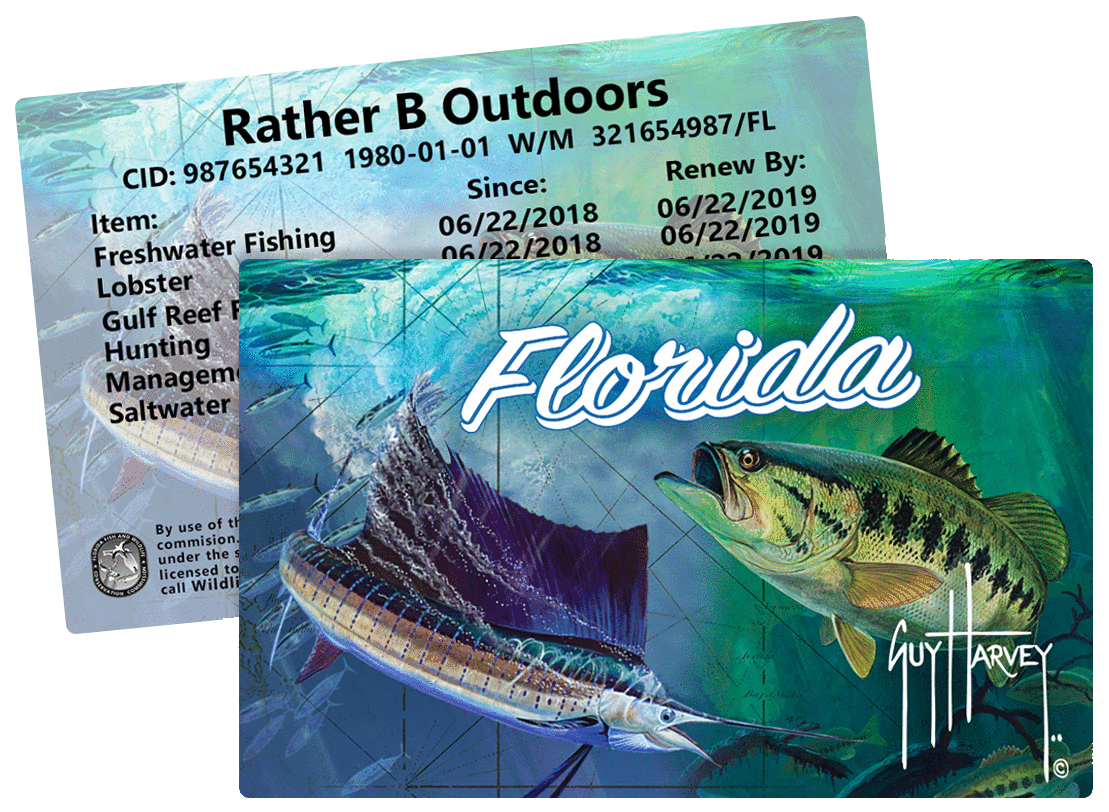
Once you have obtained your license, ensure you carry it with you at all times while fishing. This applies to both physical copies and digital versions. FWC officers may request to see your license during routine checks. Failure to produce a valid license can result in citations and fines.
Stay Informed on Regulations
A fishing license grants you the privilege to fish, but it does not exempt you from adhering to all FWC rules and regulations. Familiarize yourself with current fishing seasons, size restrictions, and bag limits for the species you intend to catch. The FWC website is the definitive source for this information.
By understanding where to buy your fishing license and the different types available, you can ensure a legal and enjoyable fishing experience in the diverse and abundant waters of Florida. Whether you’re casting a line from a pier in Miami Beach or exploring the tranquil springs of Central Florida, a valid fishing license is your key to unlocking the state’s premier angling opportunities.
LifeOutOfTheBox is a participant in the Amazon Services LLC Associates Program, an affiliate advertising program designed to provide a means for sites to earn advertising fees by advertising and linking to Amazon.com. Amazon, the Amazon logo, AmazonSupply, and the AmazonSupply logo are trademarks of Amazon.com, Inc. or its affiliates. As an Amazon Associate we earn affiliate commissions from qualifying purchases.