
Navigating the diverse retail landscape of the Sunshine State for your preferred spirits can be a delightful part of your visit, offering a glimpse into local commerce and consumer habits. Florida’s approach to alcohol sales is distinct, influenced by a blend of state regulations and local ordinances, creating a varied shopping experience depending on where your travels take you. Understanding these nuances will not only ensure you can procure your desired beverages but also enhance your appreciation for the state’s unique retail environment.
Understanding Florida’s Alcohol Sales Landscape
Florida’s laws governing the sale of alcoholic beverages are comprehensive, designed to balance public health and safety with the economic realities of the beverage industry. While the state sets overarching guidelines, the specifics of when and where liquor can be purchased often fall to individual counties and municipalities. This creates a fascinating mosaic of regulations, making it essential for visitors to be aware of the general rules and potential local variations.

State-Level Regulations and Their Impact
At the state level, the Florida Department of Business and Professional Regulation (DBPR) oversees the Division of Alcoholic Beverages and Tobacco, which is responsible for licensing and enforcing all laws related to alcohol. Key state-wide provisions include:
- Age Restrictions: Individuals must be 21 years of age or older to purchase or consume alcohol in Florida.
- Hours of Sale: Generally, alcohol sales are permitted from 7 a.m. to midnight, seven days a week. However, individual counties and municipalities have the authority to establish stricter hours, including prohibiting Sunday sales or limiting hours on specific holidays.
- Types of Licenses: The DBPR issues various alcohol licenses, distinguishing between establishments that sell for on-premises consumption (like restaurants and bars) and those that sell for off-premises consumption (liquor stores, grocery stores, convenience stores).
Local Ordinances: A Patchwork of Rules
The most significant variable in where you can buy liquor in Florida lies within its county and municipal ordinances. These local rules dictate whether certain types of establishments can sell alcohol, the specific hours of operation for alcohol sales, and sometimes even the types of alcohol that can be sold in different retail settings.
- “Dry” Counties and Municipalities: While rare in Florida, some very small communities might still have restrictions on alcohol sales. It is always advisable to confirm local ordinances, especially if you are traveling to more rural or historically conservative areas.
- Sunday Sales: Many counties in Florida permit the sale of alcohol on Sundays, but this was not always the case. Historically, some counties prohibited Sunday sales entirely. While widespread, it’s still a point where local variations can occur.
- Package vs. Open Sales: Florida distinguishes between establishments licensed for “package” sales (off-premises consumption) and those licensed for “open” sales (on-premises consumption). This means a restaurant may serve you a drink, but you cannot purchase a bottle of wine from them to take home unless they also hold a package license.
Where to Purchase Liquor in Florida
Florida offers a diverse range of retail outlets where you can purchase alcoholic beverages, catering to different needs and preferences. From specialized liquor stores to major retail chains, finding your desired drink is generally straightforward, provided you are aware of the local landscape.
Dedicated Liquor Stores: The Traditional Choice
The most straightforward and widely available option for purchasing liquor, wine, and beer for off-premises consumption are dedicated liquor stores. These establishments specialize in a wide array of spirits, wines, and craft beers, often offering a more extensive selection and knowledgeable staff.
- Selection and Variety: Liquor stores are your best bet for finding a broad range of brands, vintages, and types of alcohol, including imported and craft options. Whether you’re seeking a specific single malt scotch, a rare vintage wine, or a local craft brew, these stores are designed to meet those demands.
- Staff Expertise: Employees at liquor stores are often well-versed in their product offerings and can provide recommendations based on your preferences or intended use. This can be particularly helpful when exploring new spirits or seeking pairing suggestions for meals.
- Examples of Chains: Prominent liquor store chains operating across Florida include ABC Fine Wine & Spirits, Total Wine & More, and numerous independent “package stores” found in most towns and cities. These chains offer a consistent experience with a vast inventory.
Supermarkets and Grocery Stores: Convenience and Selection
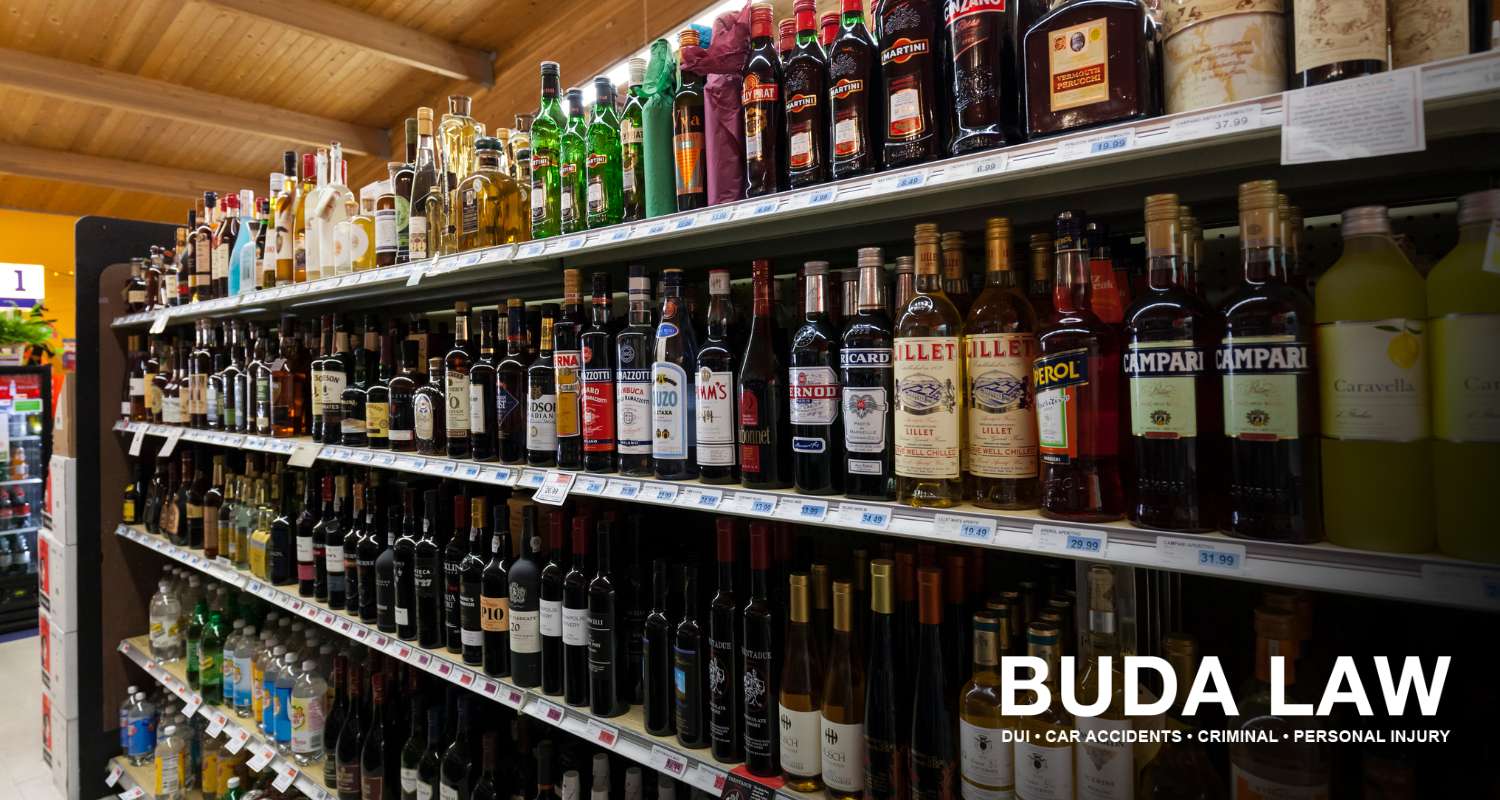
In Florida, supermarkets and larger grocery stores are significant players in the alcohol retail market, offering a convenient one-stop shopping experience. However, the specific types of alcohol they can sell can vary significantly by county.
- Beer and Wine Sales: Most supermarkets and grocery stores throughout Florida are permitted to sell beer and wine for off-premises consumption. This is a standard offering across virtually all counties.
- Spirits Sales (County Dependent): The sale of distilled spirits (liquor) in grocery stores is more variable. In many counties, large supermarket chains are licensed to sell liquor, offering a decent selection alongside their groceries. However, some counties may restrict liquor sales exclusively to dedicated liquor stores. It’s always wise to check local regulations if you’re looking for spirits at a supermarket outside of major metropolitan areas.
- Examples: Major grocery chains like Publix, Walmart Supercenter, and Target often have extensive alcohol sections where liquor is available, subject to local licensing.
Convenience Stores: Quick Stops for Essentials
Convenience stores, often found at gas stations and on street corners, are a ubiquitous part of Florida’s retail landscape. They primarily focus on readily available beverages, including beer and wine, and in some areas, may also offer basic spirits.
- Limited Selection: The selection at convenience stores is typically limited compared to liquor stores or larger supermarkets. You’ll generally find a range of popular domestic and imported beers, along with common wine varietals.
- Hours of Operation: Convenience stores often have extended hours, making them a convenient option for late-night or early-morning purchases, adhering to state and local ordinances.
- Spirits Availability: Similar to supermarkets, the availability of liquor at convenience stores is highly dependent on county and municipal licensing. In areas where convenience stores are permitted to sell liquor, the selection will be modest, focusing on well-known brands.
Restaurants, Bars, and Hotels: On-Premises Consumption
While the primary focus of this guide is on purchasing alcohol for off-premises consumption, it’s important to acknowledge that restaurants, bars, and hotels are licensed for on-premises sales. This means you can enjoy a drink at these establishments, but you cannot typically purchase bottles to take home unless they hold a separate package license.
- Dining and Entertainment: The experience of enjoying a cocktail, glass of wine, or beer at a restaurant or bar is a significant part of Florida’s tourism and local culture. From fine dining establishments in Miami to casual beachside bars in the Florida Keys, these venues offer a wide variety of beverages to complement your dining or leisure experience.
- Hotel Bars and Lounges: Many hotels across Florida feature bars and lounges that serve alcoholic beverages. These are convenient for guests looking for a drink without leaving their accommodation, often offering curated menus of cocktails and spirits. Some upscale resorts may even have specialty bars focusing on specific types of alcohol, such as a cigar lounge with a vast selection of whiskies.
Planning Your Liquor Purchase in Florida
To ensure a smooth and successful liquor purchasing experience during your travels in Florida, consider these practical tips:
Checking Local Regulations
Given the variability of local ordinances, the most crucial step is to verify the rules in the specific county or city you are visiting. A quick online search for “[County Name] alcohol sales hours” or “[City Name] liquor store regulations” can often provide the necessary information. Many county government websites will have sections dedicated to business licensing or alcoholic beverage control.
Understanding Sale Hours
Always be mindful of the operating hours for alcohol sales. While the statewide limit is midnight, some counties may enforce earlier closing times. Additionally, consider if your visit coincides with any local restrictions or holiday limitations.

Transportation and Responsible Consumption
When purchasing alcohol in Florida, remember to transport it responsibly. Keep purchases in the trunk of your vehicle, preferably in a bag, to avoid open container violations. Always designate a sober driver and practice responsible alcohol consumption, especially when exploring unfamiliar areas or engaging in activities like boating or visiting amusement parks.
By understanding the legal framework and the diverse retail options available, your quest to buy liquor in Florida can be a straightforward and even educational aspect of your visit, allowing you to fully enjoy all that the Sunshine State has to offer.
LifeOutOfTheBox is a participant in the Amazon Services LLC Associates Program, an affiliate advertising program designed to provide a means for sites to earn advertising fees by advertising and linking to Amazon.com. Amazon, the Amazon logo, AmazonSupply, and the AmazonSupply logo are trademarks of Amazon.com, Inc. or its affiliates. As an Amazon Associate we earn affiliate commissions from qualifying purchases.