
Florida, often hailed as the Sunshine State, offers an unparalleled fishing experience, drawing enthusiasts from across the globe to its abundant fresh and saltwater fisheries. From the vast freshwater expanses of Lake Okeechobee and the St. Johns River to the prolific marine ecosystems of the Gulf of Mexico and the Atlantic Ocean, the opportunities are endless. However, to legally partake in this popular pastime, understanding where and how to obtain a fishing license is paramount. This guide provides a comprehensive overview for both residents and visitors eager to cast a line in Florida’s captivating waters.
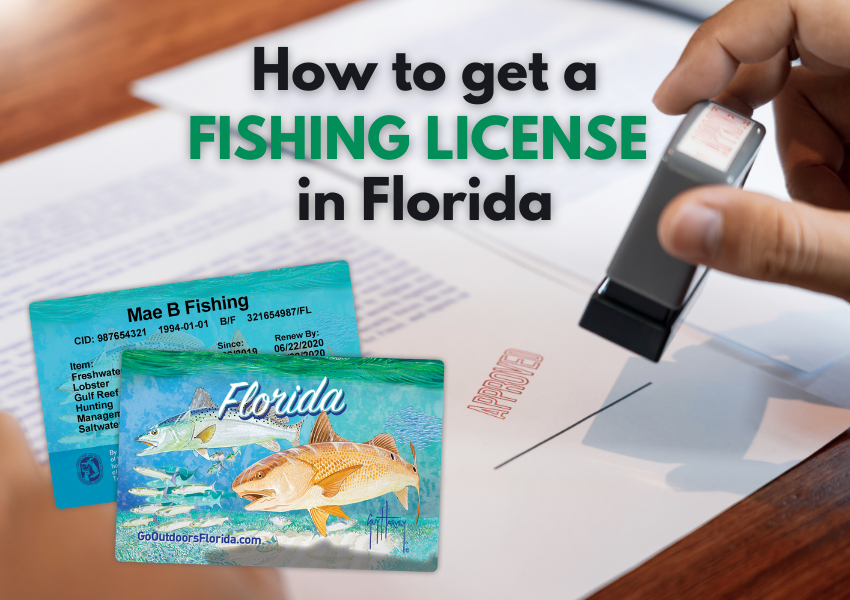
Understanding Florida’s Fishing License Requirements
Before delving into the specifics of purchasing a license, it’s crucial to understand who needs one, what types are available, and the core purpose behind these regulations. Fishing licenses in Florida serve a vital role in funding conservation efforts, ensuring the sustainability of fish populations and the health of aquatic habitats for future generations of anglers.
Who Needs a License?
Generally, anyone 16 years of age or older must possess a valid Florida fishing license to fish in the state’s public fresh or saltwater, unless specifically exempt. This applies to both residents and non-residents. The type of license required depends on whether you plan to fish in fresh water, salt water, or both. It’s also important to note that certain species, like snook or tarpon, or specific activities, like spearfishing, may require additional permits or tags.
Residency Definitions
Your residency status significantly impacts the cost and duration of available licenses. The Florida Fish and Wildlife Conservation Commission (FWC) defines a Florida resident as:
- Any person who has resided in Florida for six continuous months prior to applying for a license and claims Florida as their primary residence.
- A member of the United States Armed Forces stationed in Florida (and their dependents).
- Any student enrolled in a Florida college or university.
Proof of residency is typically required and can include a Florida driver’s license, voter’s registration card, or a utility bill with a Florida address. Non-residents include anyone who does not meet these criteria.
Types of Licenses Available
Florida offers a variety of fishing licenses designed to accommodate different needs:
Freshwater Fishing Licenses
These licenses cover fishing in inland lakes, rivers, and ponds. Options include:
- Annual Resident Freshwater Fishing License: Valid for 12 months from the date of purchase.
- Non-Resident Freshwater Fishing Licenses: Available for 3-day, 7-day, or annual durations.
Saltwater Fishing Licenses
These are required for fishing in the Atlantic Ocean, Gulf of Mexico, and associated bays and estuaries. Options include:
- Annual Resident Saltwater Fishing License: Valid for 12 months from the date of purchase.
- Non-Resident Saltwater Fishing Licenses: Available for 3-day, 7-day, or annual durations.
Combination Licenses
For those who enjoy both types of fishing, combination licenses offer convenience and often cost savings:
- Resident Freshwater and Saltwater Fishing License: An annual license covering both.
- Resident Gold Sportsman’s License: This comprehensive annual license includes freshwater and saltwater fishing, hunting, and various optional permits like migratory bird, deer, and Florida waterfowl permits. It’s an excellent value for avid outdoors enthusiasts.
Special Permits and Tags
Beyond the basic fishing license, certain species or methods require additional permits:
- Snook Permit: Required to harvest snook.
- Spiny Lobster Permit: Necessary for harvesting spiny lobster.
- Tarpon Tag: Required if you intend to keep a tarpon (catch-and-release is common, but a tag is needed for harvest).
Always check the latest FWC regulations, as species-specific rules, seasons, and bag limits can change.
Where to Purchase Your Florida Fishing License
Obtaining a Florida fishing license is a straightforward process, with several convenient options available to anglers. The FWC facilitates sales through various channels to ensure accessibility for everyone.
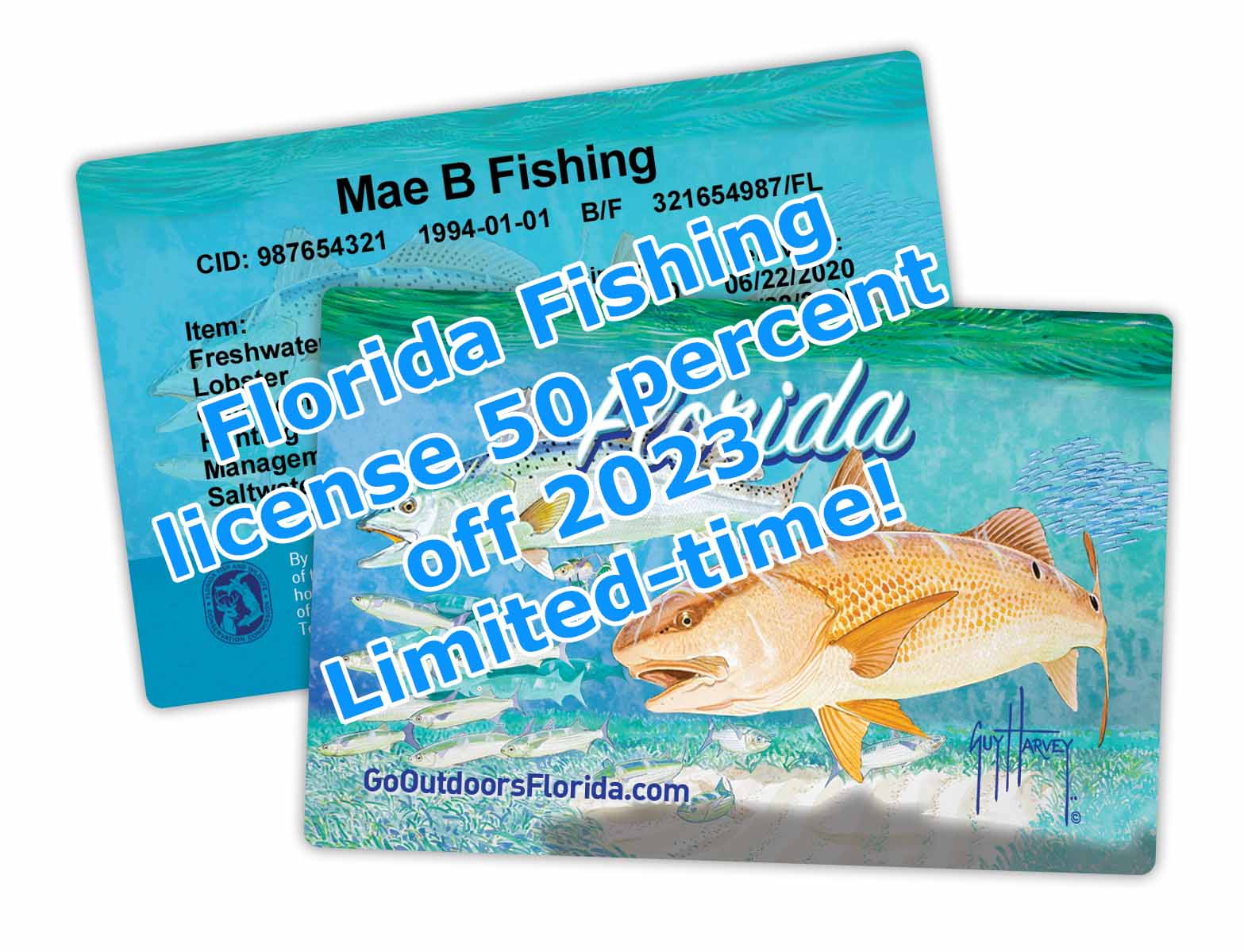
1. Online Through the FWC Website
The easiest and most recommended method for purchasing a fishing license is online directly through the FWC GoOutdoorsFlorida website. This platform is available 24/7, allowing you to purchase and print your license instantly from anywhere with internet access.
- Process: Visit GoOutdoorsFlorida.com, create an account or log in, select the desired license type, provide required personal and residency information, and complete the purchase using a credit or debit card.
- Benefits: Instant access, convenience, and the ability to retrieve your license if lost. You can also view your license history and manage your outdoor privileges.
- Tip: Save a digital copy of your license on your smartphone or print a physical copy to carry with you.
2. In Person at Local Retailers
For those who prefer a face-to-face transaction or need assistance, fishing licenses are available at numerous authorized vendors across the state. These typically include:
-
Sporting Goods Stores: Large retailers like Bass Pro Shops, Cabela’s, and local tackle shops frequently sell licenses.
-
Department Stores: Select Walmart and Kmart locations often have a sporting goods counter where licenses can be purchased.
-
Bait and Tackle Shops: Many independent bait and tackle stores are authorized license vendors and can also provide valuable local fishing advice.
-
County Tax Collector’s Offices: All 67 county tax collector’s offices and their sub-agents are authorized to sell fishing licenses. This is a reliable option, especially if you’re in a less populated area.
-
Process: Bring a valid form of identification (e.g., driver’s license) and proof of residency if purchasing a resident license. Staff will assist you in selecting the correct license and completing the purchase.
-
Benefits: Immediate physical license, direct assistance, and an opportunity to get local fishing tips or purchase gear.
3. By Phone
The FWC also offers a phone purchasing option, particularly useful if you don’t have internet access or are away from a retail location.
- Process: Call the toll-free number provided by the FWC (typically 1-888-HUNT-FLORIDA or 1-888-486-8356). Have your personal information and payment details ready.
- Benefits: Convenient for those without immediate internet or retail access.
- Tip: You’ll receive a confirmation number that serves as a temporary license until your physical license arrives by mail or you print it online.
Key Exemptions from License Requirements
While most anglers require a license, the FWC provides several exemptions to accommodate specific situations:
- Age: Children under 16 years of age do not need a license to fish in Florida.
- Seniors: Florida residents who are 65 years of age or older and can provide proof of age and residency are exempt from needing a freshwater or saltwater fishing license. However, they may still need special permits for certain species.
- Persons with Disabilities: Florida residents who are totally and permanently disabled may be eligible for a no-cost Permanent Person with a Disability Fishing License.
- Pier and Shoreline Fishing: In some public piers that have paid their own license, individuals fishing from these structures may be covered by the pier’s license. Always check with the specific pier for details.
- For-Hire Vessels (Charter Boats): If you are fishing from a licensed for-hire charter boat or guide, your fishing activities are typically covered under the vessel’s license. This is a popular option for tourists visiting destinations like the Florida Keys or Miami.
- Fish Management Areas (FMAs): Some public or private fish management areas may have their own licensing requirements or exemptions. Always check with the specific FMA before fishing.
- Free Fishing Days: The FWC designates several free fishing days each year, allowing residents and visitors to fish without a license for a limited period. These are excellent opportunities for beginners to try fishing.
Even if exempt, anglers must still adhere to all other fishing regulations, including bag limits, size limits, and closed seasons.
Responsible Tourism and Conservation Practices
Obtaining your fishing license is merely the first step in enjoying Florida’s rich aquatic environments. As tourists and recreational anglers, embracing responsible practices is crucial for preserving these natural resources.
- Know the Regulations: Before heading out, familiarize yourself with current fishing regulations for the specific waters you plan to fish. This includes size limits, bag limits, seasons, and any gear restrictions. The FWC website is the definitive source for this information.
- Practice Catch and Release: If you’re not planning to keep your catch, practice proper catch-and-release techniques to minimize stress and injury to the fish, especially for protected or vulnerable species.
- Protect Habitats: Avoid disturbing sensitive habitats like seagrass beds, coral reefs, and mangrove areas. Do not litter, and always dispose of fishing lines and other waste properly.
- Clean, Drain, Dry: When moving between different bodies of water, especially in freshwater systems like the Everglades or the Kissimmee Chain of Lakes, clean, drain, and dry your vessel and gear to prevent the spread of invasive species.
- Report Violations: If you witness fishing violations or environmental damage, report it to the FWC Wildlife Alert Hotline.
By understanding the licensing requirements and adhering to responsible fishing practices, you not only ensure a legal and enjoyable fishing trip but also contribute significantly to the long-term health and vibrancy of Florida’s world-class fisheries. Whether you’re targeting largemouth bass in a tranquil inland lake or chasing redfish along the coast, a valid license is your gateway to an unforgettable outdoor adventure in the Sunshine State.
LifeOutOfTheBox is a participant in the Amazon Services LLC Associates Program, an affiliate advertising program designed to provide a means for sites to earn advertising fees by advertising and linking to Amazon.com. Amazon, the Amazon logo, AmazonSupply, and the AmazonSupply logo are trademarks of Amazon.com, Inc. or its affiliates. As an Amazon Associate we earn affiliate commissions from qualifying purchases.