
Florida, the Sunshine State, offers a unique opportunity for wildlife enthusiasts to connect with one of its most gentle and iconic inhabitants: the manatee. These majestic marine mammals, often referred to as “sea cows,” are a beloved symbol of Florida’s natural beauty. While observing them from a distance is a treat, the chance to swim alongside them is an unforgettable experience. This guide delves into the prime locations and essential considerations for an ethical and awe-inspiring manatee encounter in Florida.
Understanding Manatee Season and Regulations
The most opportune time to swim with manatees in Florida is during the cooler months, typically from November 15th to March 31st. This period coincides with the manatees’ migration patterns, as they seek warmer waters found in the state’s natural springs and power plant discharge canals to escape the colder ocean temperatures. During the summer months, manatees are more dispersed throughout Florida’s waterways, making encounters less predictable.
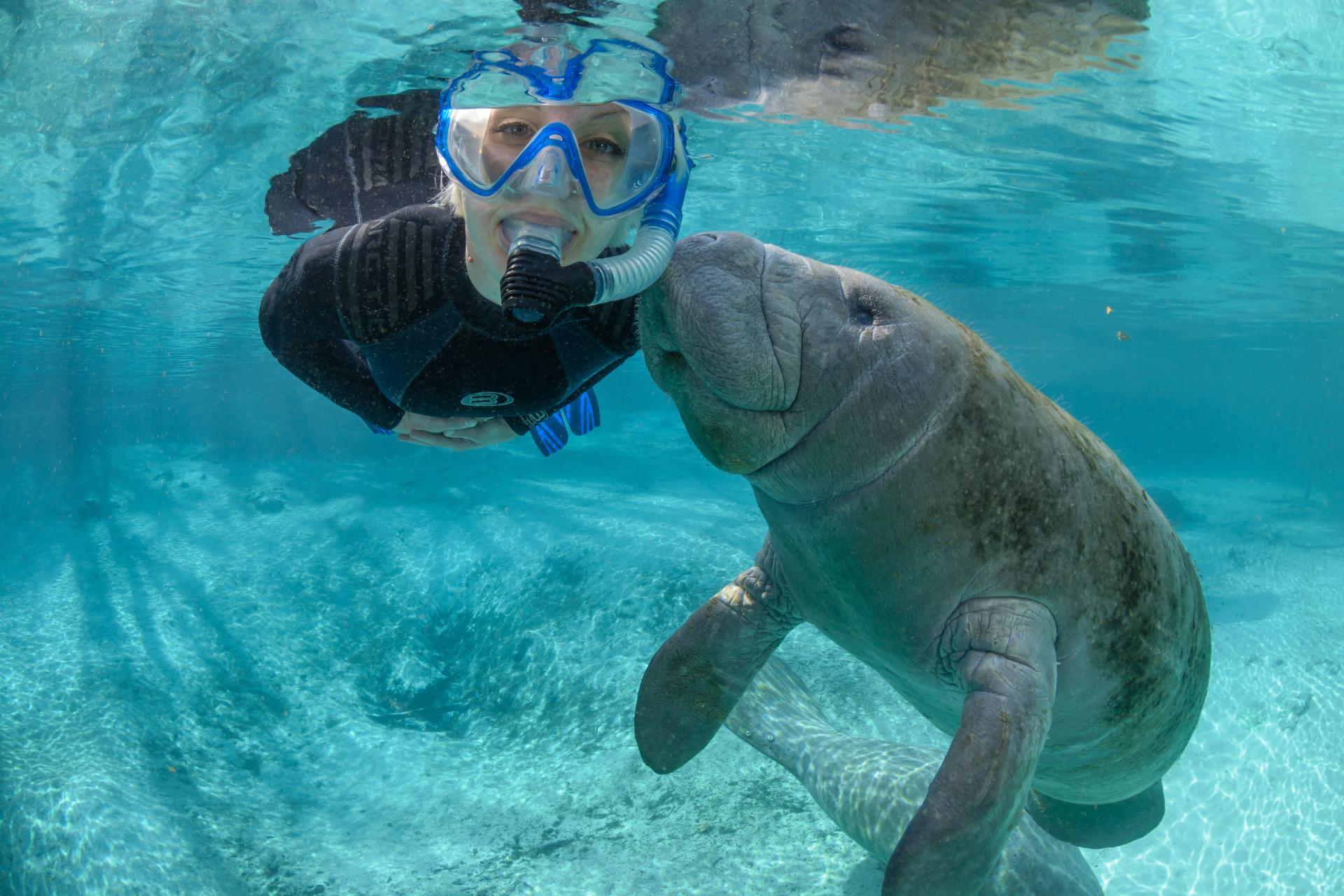
It is crucial to understand and adhere to the strict regulations designed to protect these vulnerable creatures. Manatees are protected under both federal and state laws. Interacting with them must be done responsibly to ensure their well-being and to preserve their populations for future generations.
Key Regulations for Responsible Encounters:
- Passive Observation: The core principle of swimming with manatees is passive observation. This means you should not chase, harass, herd, or touch the manatees. Allowing them to approach you is key.
- No Feeding or Giving Water: Feeding manatees or giving them water is strictly prohibited. They have specific dietary needs, and human food can be harmful.
- Maintain a Respectful Distance: While the goal is to swim with them, maintaining a respectful distance is paramount. Allow them space to move freely without feeling cornered or threatened.
- Use of Certified Tour Operators: For the best and most ethical experience, it is highly recommended to book tours with certified operators. These companies are knowledgeable about manatee behavior, local regulations, and best practices for minimizing disturbance. They often provide necessary equipment and guidance.
- No Flash Photography: The bright flash of a camera can startle manatees. If you plan to take photos or videos, ensure your equipment does not use a flash.
- Boating Safety: If you are on a boat, be aware of manatee warning signs and slow down in designated areas. Accidental collisions with boats are a significant threat to manatees.
Prime Locations for Manatee Encounters
Florida boasts several exceptional locations where you can legally and ethically swim with manatees. These areas are characterized by their warm springs and protected habitats, making them magnets for these gentle giants.
Crystal River: The “Manatee Capital of the World”
Crystal River is undeniably the most renowned destination for swimming with manatees in Florida. Its unique ecosystem, featuring Kings Bay and the surrounding waters, provides a critical refuge for hundreds of manatees during the winter months.
Kings Bay: The Epicenter
Kings Bay is a complex of interconnected springs that maintain a consistent temperature of approximately 72 degrees Fahrenheit year-round. This warmth is a major draw for manatees seeking refuge from the colder Gulf waters. The bay is home to several smaller springs, including Kings Spring, and is a designated Manatee Sanctuary.
- Tour Options: Numerous tour operators depart daily from Crystal River and offer various experiences. These typically include guided boat tours to prime manatee viewing spots, rental of snorkeling gear, and instruction on proper interaction techniques. Many tours also provide wetsuits, which are highly recommended as the spring water, while warm for manatees, can still feel cool to humans, especially during extended immersion.
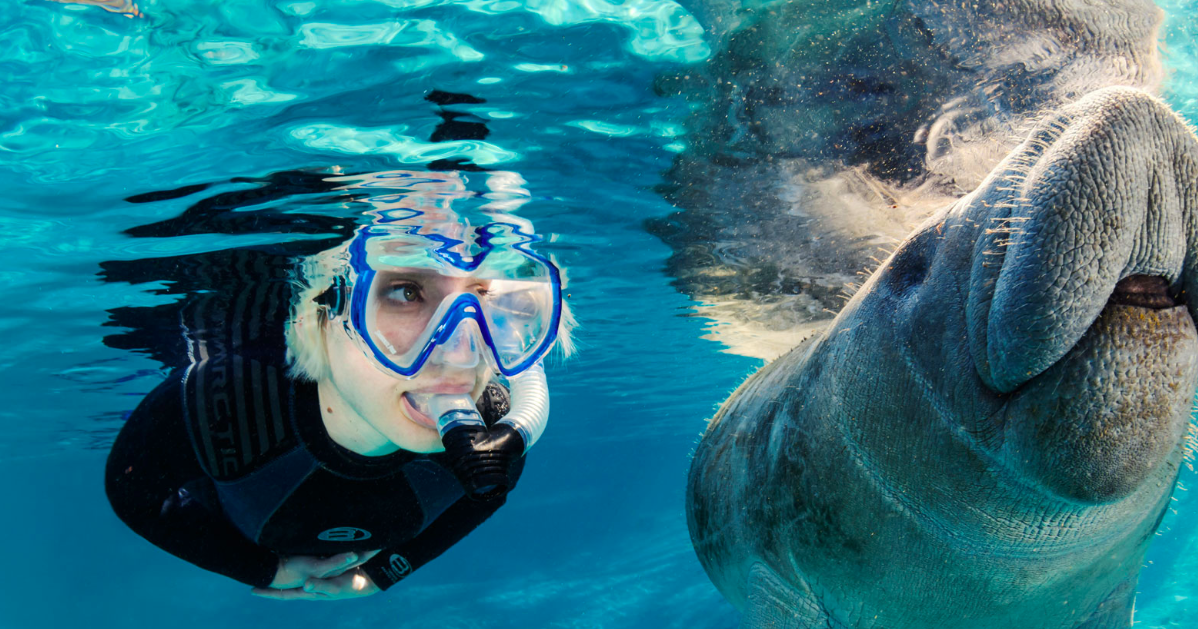
- In-Water Experiences: The highlight is undoubtedly the opportunity to enter the water with the manatees. Under the guidance of a certified captain, you’ll enter the water slowly and quietly, allowing manatees to approach if they choose. Lying on the sandy bottom or drifting gently are common and effective ways to observe them.
- Beyond the Tour: Even if you don’t opt for a guided tour, you can still see manatees in designated public areas within Kings Bay. However, these areas often have restrictions on where you can enter the water to minimize disturbance.
Homosassa Springs Wildlife State Park
Just south of Crystal River, Homosassa Springs Wildlife State Park offers another excellent opportunity, albeit with a slightly different approach. While you cannot swim directly with manatees in the main spring here due to their protected status within the park, it’s a fantastic place to observe them up close in a controlled environment.
- Fish Bowl Observatory: The park features an underwater observatory known as the “Fish Bowl,” where visitors can view manatees and other aquatic life swimming in the spring.
- Manatee Rehabilitation: The park is also home to a world-class manatee rehabilitation center, where injured or orphaned manatees are cared for before being released back into the wild. This provides an educational perspective on conservation efforts.
- Kayaking and Canoeing: In the surrounding Homosassa River, you might spot manatees in their natural habitat while kayaking or canoeing, but direct swimming interactions are generally not permitted in these areas outside of designated sanctuaries.
Blue Spring State Park
Located in Orange City, west of Orlando, Blue Spring State Park is another vital sanctuary for manatees during the winter months. The park’s main spring maintains a constant 72-degree Fahrenheit temperature, drawing large numbers of manatees to its sheltered waters.
- Boardwalk Viewing: While swimming with manatees is not permitted in the main spring during manatee season (November 15 – March 31), the park offers extensive boardwalks that provide excellent vantage points for observing them. You can watch dozens, sometimes hundreds, of manatees gathered in the spring run.
- Kayaking and Canoeing: Outside of the immediate spring head, the St. Johns River offers opportunities for kayaking and canoeing. While manatees can be spotted in the river, swimming interactions are not allowed in the park’s designated manatee refuge areas.
- Educational Opportunities: The park provides educational programs and exhibits that highlight the importance of manatee conservation and the challenges they face.
Weeki Wachee Springs State Park
Famous for its live mermaid shows, Weeki Wachee Springs State Park also offers a chance to see manatees in a natural setting, though direct swimming with them is restricted.
- Buccaneer Bay: This is the park’s waterpark area, where you can swim and enjoy water slides. While manatees are present in the general waters, interactions are managed to ensure their safety.
- River Cruise: The park offers a “Manatee River Cruise” that takes you along the Weeki Wachee River, providing opportunities to spot manatees in their natural environment from the boat.
- Springs Viewing: The main spring is a beautiful natural attraction, and manatees can sometimes be seen in or near its waters.
Preparing for Your Manatee Swim
A successful and memorable manatee swimming experience involves more than just showing up. Proper preparation ensures you respect the animals and maximize your enjoyment.
What to Bring:
- Swimsuit: Obviously essential for getting in the water.
- Towel: For drying off after your swim.
- Sunscreen: Even on cooler days, the Florida sun can be intense. Opt for reef-safe sunscreen to protect the marine environment.
- Hat and Sunglasses: For sun protection on the boat or while waiting for your turn in the water.
- Waterproof Camera: To capture the incredible moments. Remember to disable the flash.
- Comfortable Clothing: For before and after your water activities.
- Motion Sickness Medication: If you are prone to seasickness, it’s wise to bring medication, as boat rides can sometimes be choppy.
- Cash: For tips for your captain and crew, or for any small purchases.
What to Expect on a Tour:
- Briefing: Tour operators will provide a thorough briefing on manatee behavior, regulations, and safety procedures before you board the boat.
- Boat Ride: You’ll typically take a boat out to a designated manatee area. The ride can range from a few minutes to half an hour, depending on the location.
- Entering the Water: You’ll usually enter the water with a snorkel and mask, and often a wetsuit. The guide will instruct you on how to move slowly and quietly.
- Passive Observation: The focus is on letting the manatees come to you. You might spend time floating or lying on the bottom, observing their graceful movements.
- Duration: The amount of time spent in the water with the manatees varies but is typically around 30-60 minutes, depending on the manatees’ activity and the tour operator’s schedule.
Ethical Considerations and Conservation
The privilege of swimming with manatees comes with a profound responsibility. Understanding the conservation status of these animals and actively participating in their protection is vital.
Manatee Conservation:
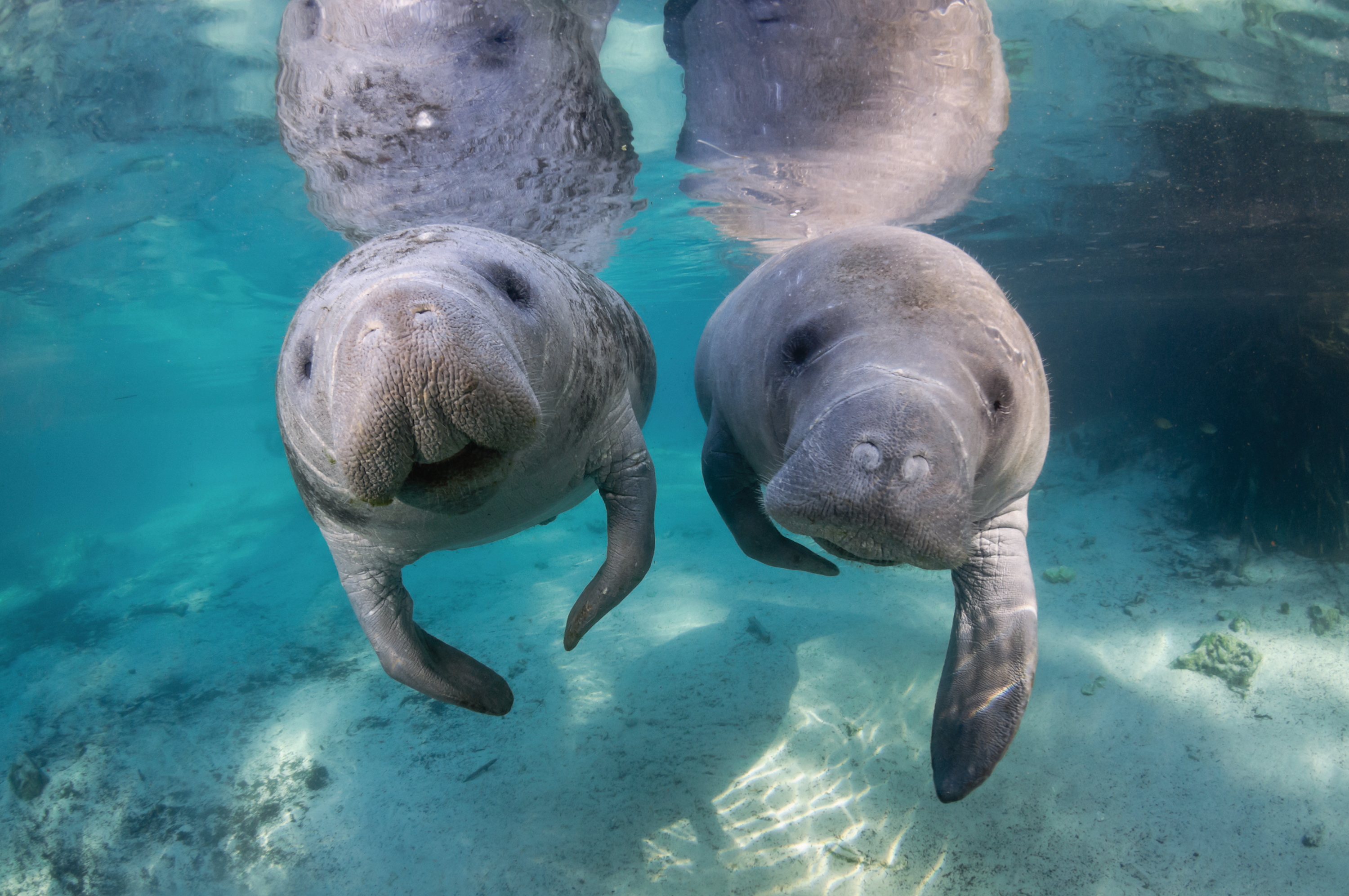
Manatees have faced significant threats, including habitat loss, entanglement in fishing gear, boat strikes, and pollution. While their populations have shown some recovery, they are still considered a vulnerable species.
- Support Responsible Tourism: By choosing reputable tour operators who prioritize manatee welfare, you directly support businesses that contribute to conservation efforts.
- Educate Yourself and Others: Share your knowledge about manatees and the importance of their protection with friends and family.
- Reduce Your Environmental Impact: When visiting Florida’s coastal areas, be mindful of your waste disposal, use eco-friendly products, and report any injured or distressed marine life to the appropriate authorities.
- Advocate for Protection: Support organizations and policies that work to protect Florida’s waterways and manatee habitats.
Swimming with manatees in Florida is more than just an activity; it’s an opportunity to witness the gentle majesty of nature up close and to become an advocate for these remarkable creatures. By choosing the right locations, respecting the regulations, and preparing thoughtfully, you can ensure a truly unforgettable and ethical encounter with Florida’s beloved sea cows.
LifeOutOfTheBox is a participant in the Amazon Services LLC Associates Program, an affiliate advertising program designed to provide a means for sites to earn advertising fees by advertising and linking to Amazon.com. Amazon, the Amazon logo, AmazonSupply, and the AmazonSupply logo are trademarks of Amazon.com, Inc. or its affiliates. As an Amazon Associate we earn affiliate commissions from qualifying purchases.