
Navigating the world of work as a teenager can feel like embarking on an adventure, especially in a vibrant state like California. While the allure of earning some money and gaining valuable experience is strong, it’s crucial to understand the legal framework that governs child labor. For 14-year-olds in California, this framework is designed to protect their well-being, ensuring that work doesn’t interfere with their education or development. This means certain jobs are off-limits, and specific regulations must be followed.
The Golden State, renowned for its diverse attractions from the theme parks of Anaheim to the scenic coastlines of Big Sur, offers a plethora of opportunities, but not all are accessible to 14-year-olds. The primary focus for this age group is on roles that are generally considered safe, non-hazardous, and allow ample time for schooling and extracurricular activities. Think of it as a guided exploration into the world of employment, with guardrails in place to ensure a positive experience.

Understanding the Legal Landscape for 14-Year-Old Workers
In California, the Child Labor Laws are overseen by the California Department of Industrial Relations (DIR). These laws are not arbitrary restrictions but are put in place to safeguard the health, safety, and educational future of young workers. For a 14-year-old, the most significant regulations revolve around the number of hours they can work, the types of jobs they can hold, and the need for proper documentation.
The fundamental principle is that education comes first. Therefore, working hours are strictly limited, especially during the school year. Outside of school hours is permissible, but even then, there are caps. On school days, a 14-year-old can typically work no more than 3 hours per day. During non-school days, including weekends and vacation periods, the limit extends to 8 hours per day. However, the weekly limit remains stringent: no more than 18 hours per week during the school year and a maximum of 40 hours per week during official school breaks, such as summer vacation.
Types of Work Permitted for 14-Year-Olds
The types of jobs available to 14-year-olds in California generally fall into categories that are considered safe and don’t involve hazardous machinery, strenuous physical labor, or exposure to harmful substances. These roles often involve customer service, light clerical duties, or assisting in retail and food service environments. The emphasis is on tasks that are simple, supervised, and do not pose any risk to the minor’s physical or mental well-being.
The Work Permit Application is a critical document. Before any 14-year-old can legally work, they must obtain a work permit from their high school or the local school district. This permit requires signatures from the parent or guardian, the employer, and the school. It serves as official authorization and confirms that the employment meets all legal requirements, including hour limitations and the type of work. This process ensures a collaborative approach to a young person’s first foray into the workforce.
Exploring Job Opportunities in California
When considering where a 14-year-old can work in California, it’s helpful to look at industries that frequently hire at this age. These sectors are accustomed to the regulations and often have established training programs suitable for younger employees. Many of these opportunities are found in settings that are also popular tourist destinations, allowing for a blend of local employment and exposure to the state’s vibrant tourism sector.
Retail and Food Service Roles
The most common sectors for 14-year-old employment are retail and food service. These industries are vast and offer a wide range of entry-level positions. In retail, jobs might include stocking shelves, bagging groceries, tidying up displays, or assisting customers with basic inquiries. Stores in shopping malls, supermarkets, and smaller local boutiques are often good places to start looking. For example, working at a local grocery store like a Ralphs or Safeway in cities like Los Angeles or San Diego could be an option.

In food service, roles typically involve customer interaction, preparing simple food items, and maintaining cleanliness. This could range from working at a fast-food chain like McDonald’s or In-N-Out Burger, where teens can learn about order taking, food assembly, and efficient service, to assisting in less demanding roles at cafes or ice cream parlors. The skills learned in these environments, such as communication, teamwork, and time management, are transferable and invaluable for future careers. Imagine helping out at a bustling cafe near Golden Gate Park in San Francisco, where you interact with locals and tourists alike.
Specific Examples in Hospitality and Entertainment
The hospitality and entertainment industries, which are cornerstones of California’s lifestyle and tourism, also present opportunities. While working directly in hotels or resorts in roles requiring more responsibility might be restricted, there are supporting positions. For instance, some amusement parks might hire 14-year-olds for roles like concession stand attendants, game operators, or general park attendants. Consider working at a family-friendly attraction in Orange County, such as a smaller amusement park or a petting zoo, where the tasks are age-appropriate and supervised.
Even in more upscale resorts or hotels, entry-level tasks might be available. These could include helping with event setup under supervision, assisting in gift shops within the property, or performing light cleaning duties in common areas. The key is that these roles are not physically demanding and do not involve handling alcohol or operating heavy machinery. For those interested in the luxury travel aspect, observing and learning in such environments, even in minor roles, can provide unique insights into the workings of the hospitality industry.
Community and Recreational Programs
Beyond traditional retail and food service, community centers, libraries, and recreational facilities often provide opportunities for younger teens. These environments are typically safe, supervised, and geared towards youth development. Roles might include assisting librarians with shelving books, helping to organize children’s activities, or acting as a junior counselor at a summer day camp.
Working at a local park district or a community swimming pool could involve tasks like assisting with facility maintenance, helping with sign-ins, or providing general support during events. These positions are excellent for gaining experience in a less commercially driven setting, focusing more on community service and engagement. Think about helping out at a community garden in a city like Sacramento, contributing to a local initiative and learning about sustainable practices.
Agriculture and Farming
In some rural areas of California, particularly in agricultural regions, there might be opportunities in light farm work. However, these are strictly regulated and depend heavily on the specific crop and tasks. Generally, 14-year-olds might be permitted to do tasks like picking berries, detasseling corn, or working in farm stands, provided these are not hazardous. It’s crucial to ensure that any agricultural work complies with all safety and hour regulations. The Central Valley of California, known for its extensive farming, might have such opportunities, though they are less common in urban settings.
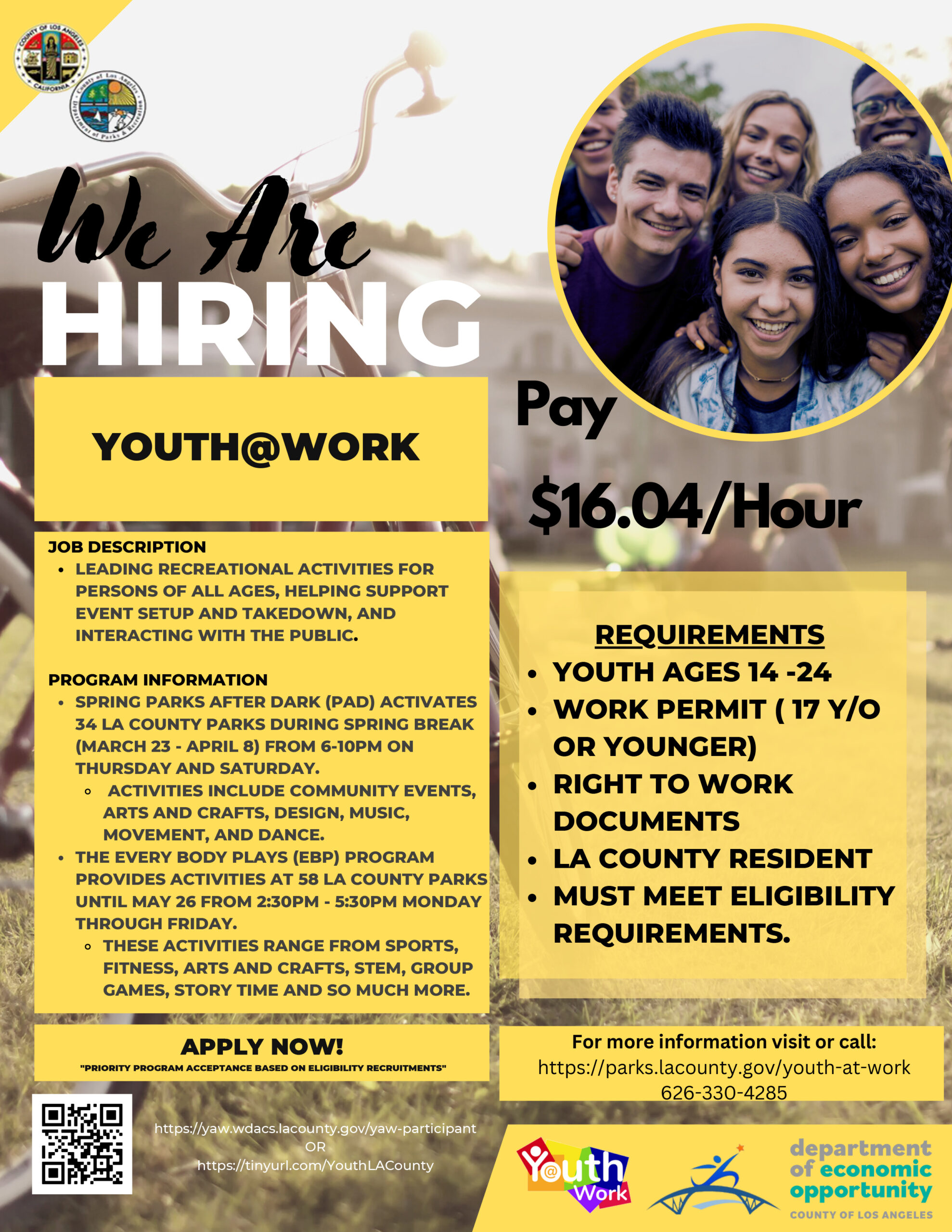
The Importance of a Work Permit and Employer Compliance
It cannot be stressed enough: obtaining a work permit is a mandatory step for all 14-year-old workers in California. Employers are legally obligated to verify that a minor has a valid work permit before hiring them. They must also adhere to all state and federal labor laws regarding minor employment, including the permitted hours of work and the types of tasks assigned.
Employers who violate these laws can face significant penalties. This regulatory framework ensures that the employment of 14-year-olds is conducted responsibly, prioritizing their education, safety, and overall well-being. When seeking employment, it’s advisable to inquire with potential employers about their understanding of and compliance with child labor laws. This also serves as an opportunity for the young applicant to gauge the professionalism and responsibility of the workplace.
In conclusion, while the world of work at 14 in California is governed by strict rules, there are indeed viable and beneficial opportunities. Focusing on sectors like retail, food service, community programs, and certain recreational activities, while always securing the necessary work permit, can provide a solid foundation for a young person’s entry into the workforce. These experiences, even in entry-level roles, offer invaluable lessons in responsibility, teamwork, and the value of a dollar, setting the stage for future growth and exploration in various lifestyles and careers.
LifeOutOfTheBox is a participant in the Amazon Services LLC Associates Program, an affiliate advertising program designed to provide a means for sites to earn advertising fees by advertising and linking to Amazon.com. Amazon, the Amazon logo, AmazonSupply, and the AmazonSupply logo are trademarks of Amazon.com, Inc. or its affiliates. As an Amazon Associate we earn affiliate commissions from qualifying purchases.