
Hurricane Harvey, a catastrophic storm that made landfall in August 2017, left an indelible mark on the state of Texas. While the storm’s impact was widespread, its most devastating effects were concentrated in specific regions, fundamentally altering the landscape and the lives of its residents. Understanding where Harvey made its most significant landfall is crucial for comprehending the scale of the disaster and its lasting repercussions.
The Initial Landfall: Rockport and the Texas Coast
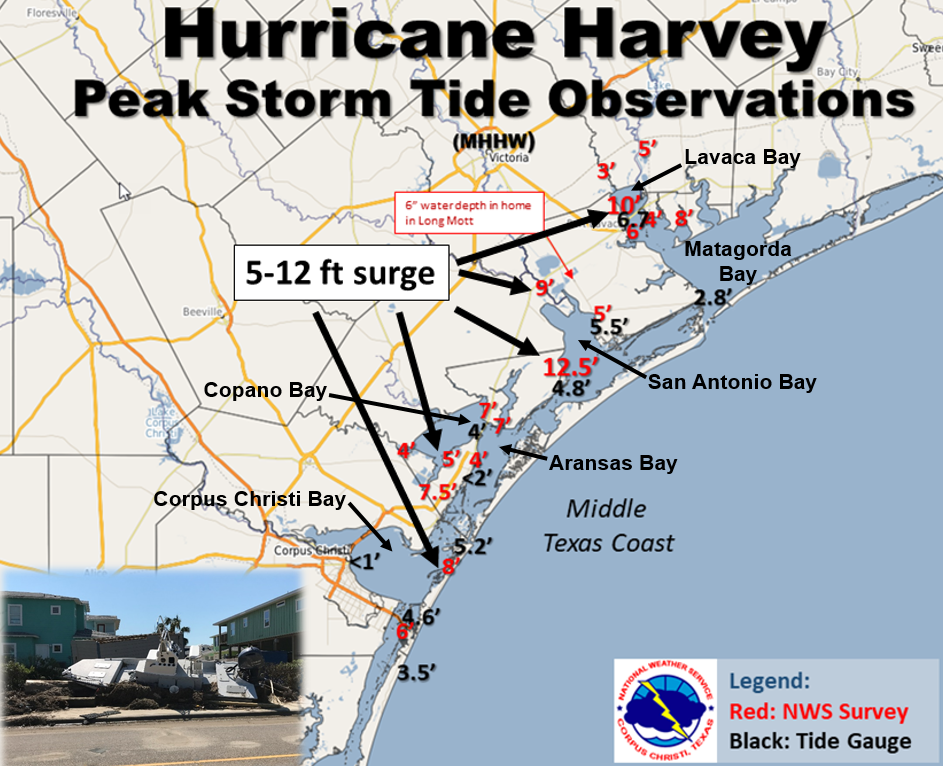
Hurricane Harvey first made landfall as a Category 4 hurricane on August 25, 2017, near Rockport, a small coastal town in Aransas County. This initial impact was characterized by ferocious winds, torrential rain, and a devastating storm surge that battered the Texas coast. The winds, reaching speeds of up to 130 miles per hour, ripped through buildings, uprooted trees, and caused widespread destruction to homes and infrastructure. The storm surge, estimated to be between 6 to 10 feet in some areas, inundated coastal communities, submerging streets and properties.
Rockport’s Resilience and the Coastal Strip
Rockport bore the brunt of Harvey’s initial fury. The town’s iconic waterfront was decimated, with businesses and residences reduced to rubble. The Aransas County Courthouse, a historic landmark, suffered significant damage. Beyond Rockport, numerous other coastal communities, including Port Aransas, Fulton, and Corpus Christi, experienced severe flooding and wind damage. The picturesque beaches and piers that once drew tourists were ravaged. The fishing and tourism industries, vital to the local economy, were crippled overnight.
Environmental Impacts Along the Coast
The ecological toll on the Texas coast was also profound. Sensitive marshlands were inundated, and marine life was disrupted. The powerful storm surge carried debris and pollutants, impacting water quality. Coastal ecosystems, already facing pressures from development and climate change, were further stressed by the hurricane’s passage.
The Unprecedented Rainfall: Houston and Inland Communities
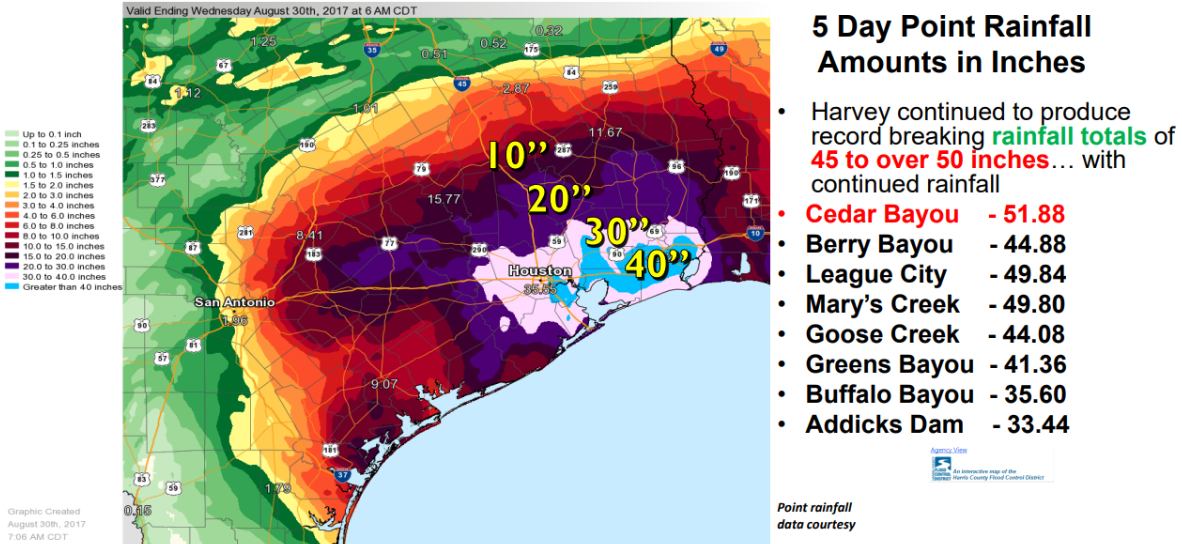
While the initial landfall was devastating, the true and most prolonged impact of Hurricane Harvey was the unprecedented amount of rainfall it unleashed over southeastern Texas. After making landfall, the storm stalled and meandered inland, transforming into a tropical storm and dumping record-breaking amounts of rain for several days. This atmospheric river-like phenomenon overwhelmed drainage systems and rivers, leading to catastrophic flooding in Houston, the nation’s fourth-largest city, and its surrounding metropolitan area.
Houston: A City Submerged
The scale of the flooding in Houston was unlike anything seen before. Over 40 inches of rain fell in some areas over a four-day period, surpassing all previous rainfall records for the city. The Bayous of Houston and surrounding waterways swelled to terrifying levels, overflowing their banks and inundating neighborhoods, streets, and businesses. Major highways became impassable, transforming the sprawling metropolis into a network of lakes and rivers.

The Bravery of Neighbors and Rescuers
The human response during the Houston flooding was a testament to the spirit of the community. Thousands of residents, using their own boats, kayaks, and even paddleboards, embarked on impromptu rescue missions, saving neighbors trapped by the rising waters. Professional first responders, including the Coast Guard and local fire departments, worked tirelessly, often in perilous conditions, to evacuate those in need. Shelters overflowed, and the sheer number of people displaced created an immense logistical challenge.
Infrastructure Under Siege
The extensive flooding tested the limits of Houston’s infrastructure. Power outages affected millions, and many areas lost access to clean water. Hospitals operated on backup generators, and some had to evacuate patients. The Houston Ship Channel, a vital artery for oil and gas transportation, was shut down, impacting national energy supplies. The city’s iconic Minute Maid Park and other cultural landmarks also experienced water damage.
Inland Communities: The Unforeseen Devastation
The rainfall did not spare communities further inland. Towns and cities along the Brazos River, San Bernard River, and other tributaries experienced severe flooding as rivers crested at historic levels. Places like Sugar Land, Katy, and Beaumont faced widespread inundation, with homes and businesses submerged for days. The rain that fell on Houston and surrounding areas eventually flowed downstream, exacerbating flooding in communities further south and east.
The Lingering Effects and the Path to Recovery
The impact of Hurricane Harvey extended far beyond the immediate devastation. The prolonged period of flooding led to significant mold growth in homes, creating long-term health hazards and making many residences uninhabitable for extended periods. The economic repercussions were immense, with billions of dollars in damages to homes, businesses, and public infrastructure. The emotional and psychological toll on survivors, many of whom lost everything, was profound.
Rebuilding and Resilience
The recovery process has been a long and arduous one, marked by both progress and ongoing challenges. Many communities have dedicated immense effort to rebuilding homes, businesses, and public spaces. The spirit of volunteerism and mutual aid that emerged during the crisis has continued to be a driving force in the recovery efforts. Organizations and individuals have worked tirelessly to provide support, resources, and assistance to those affected.
Lessons Learned and Future Preparedness
Hurricane Harvey served as a stark reminder of the vulnerability of coastal and urban communities to extreme weather events, particularly in the context of a changing climate. The storm highlighted critical needs for improved flood control infrastructure, more effective evacuation plans, and robust emergency response systems. The lessons learned from Harvey have spurred discussions and investments in resilience planning, aiming to better prepare Texas for future storms. Understanding where Harvey hit is not just about charting a storm’s path; it’s about recognizing the communities that bore its weight and the collective journey of recovery and preparedness that continues to unfold.
LifeOutOfTheBox is a participant in the Amazon Services LLC Associates Program, an affiliate advertising program designed to provide a means for sites to earn advertising fees by advertising and linking to Amazon.com. Amazon, the Amazon logo, AmazonSupply, and the AmazonSupply logo are trademarks of Amazon.com, Inc. or its affiliates. As an Amazon Associate we earn affiliate commissions from qualifying purchases.