
Florida, often celebrated as the Sunshine State, is an unparalleled magnet for global travelers, drawing millions to its pristine beaches, vibrant cities, and world-class attractions. From the magical theme parks of Orlando to the tranquil shores of the Gulf Coast and the eclectic charm of the Florida Keys, the state offers a kaleidoscope of experiences. However, its unique geographical position also places it squarely in the path of tropical weather systems, making hurricanes an intermittent but significant aspect of life and travel in the region. Understanding where these powerful storms have historically made landfall, their impact, and the state’s remarkable resilience is crucial for anyone planning a visit or considering a long-term stay.
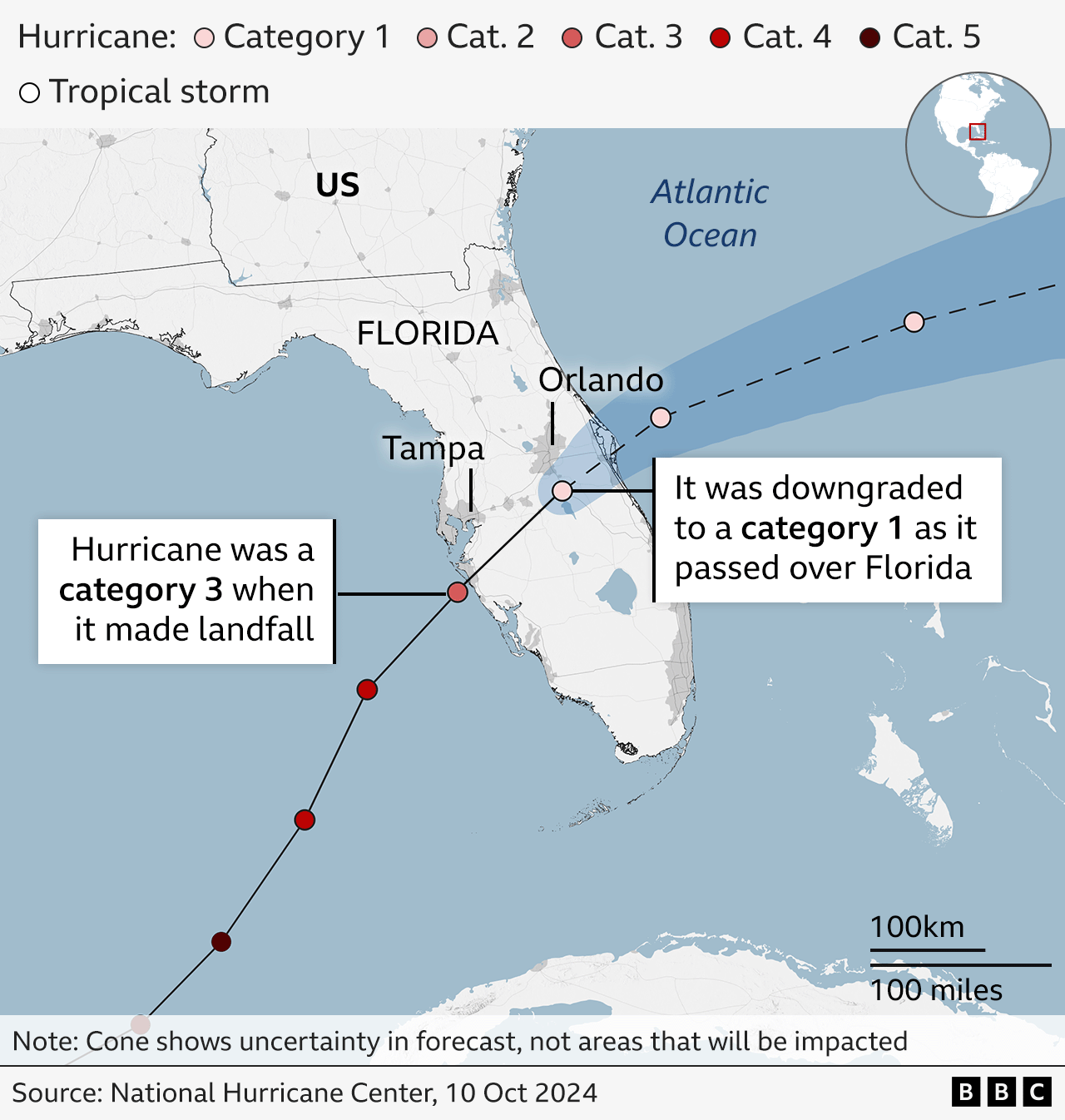
This comprehensive guide will delve into the specific regions of Florida most frequently affected by hurricanes, shed light on the devastating yet temporary consequences, and highlight the incredible spirit of recovery that swiftly follows. We aim to equip you with the knowledge needed to navigate future travel plans with confidence, ensuring that your Florida adventure remains as captivating and enjoyable as ever, even when contemplating the aftermath of these natural phenomena. Whether you’re seeking luxury travel experiences, planning family trips, or exploring budget travel options, knowing the landscape of hurricane impact and recovery is key to a seamless journey.
Florida’s Vulnerability and Common Hurricane Tracks
Florida’s extensive coastline, stretching over 1,350 miles, makes it particularly susceptible to hurricanes and tropical storms. The state experiences a hurricane season officially running from June 1st to November 30th, with peak activity typically occurring from August through October. Over centuries, various parts of the state have borne the brunt of these formidable weather events, shaping landscapes and communities.
A Brief History of Major Landfalls
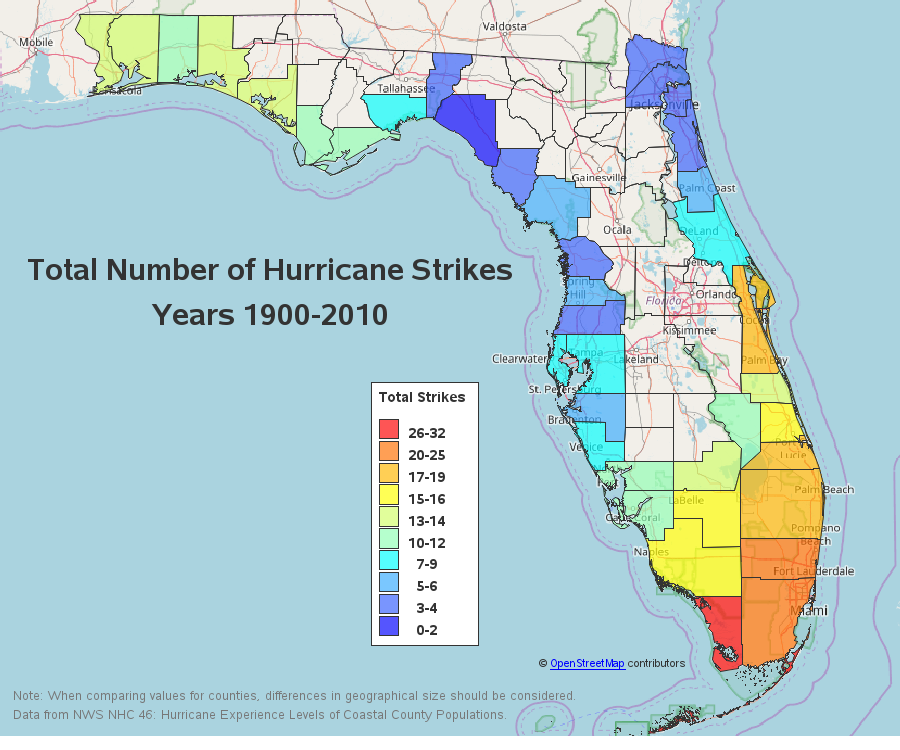
Historically, hurricanes impacting Florida have followed several common tracks, often dictated by steering currents in the Atlantic Ocean and the Gulf of Mexico. The Florida Panhandle, the Southwest Florida coast, and the Florida Keys are particularly vulnerable, though direct hits can occur anywhere along the peninsula. Major hurricanes like Hurricane Andrew in 1992, Hurricane Charley in 2004, Hurricane Irma in 2017, Hurricane Michael in 2018, and most recently, Hurricane Ian in 2022, have left indelible marks. Each of these storms carved a unique path of destruction, from the densely populated areas of Miami-Dade County to the charming fishing villages of the Gulf Coast, and the resilient island communities of the Keys. Understanding these historical patterns helps us appreciate the ongoing efforts in preparedness and recovery that are central to Florida’s tourism infrastructure and residential lifestyle.
Understanding Hurricane Categories and Their Impact
Hurricanes are classified into five categories based on the Saffir-Simpson Hurricane Wind Scale, with Category 1 being the least intense and Category 5 being the most catastrophic. The category determines the potential for wind damage, storm surge, and rainfall, all of which contribute to the overall impact on land.
- Category 1 (74-95 mph winds): Can cause significant damage to homes and infrastructure, primarily affecting power and communications.
- Category 2 (96-110 mph winds): Brings extensive damage to roofs and trees, leading to prolonged power outages.
- Category 3 (111-129 mph winds): Capable of causing devastating damage, ripping off entire roofs, destroying mobile homes, and leading to major flooding from storm surge.
- Category 4 (130-156 mph winds): Catastrophic damage occurs, with homes losing roofs and walls, extensive tree damage, and life-threatening storm surge.
- Category 5 (157 mph+ winds): Total destruction is expected, with many homes destroyed, widespread power outages lasting weeks or months, and critical infrastructure collapse.
Beyond wind speed, storm surge—the abnormal rise of water generated by a storm, over and above the predicted astronomical tide—is often the deadliest and most destructive aspect of a hurricane, particularly for low-lying coastal areas. Heavy rainfall also poses a significant threat, leading to widespread inland flooding, even far from the immediate coast. Florida’s flat topography makes it particularly vulnerable to both coastal and inland flooding.
Pinpointing the Impact: Recent Major Hurricanes and Affected Regions
While hurricanes can strike any part of Florida, recent major events have highlighted specific vulnerabilities and the extraordinary recovery efforts underway. These insights are vital for travelers assessing destinations and the current state of local tourism.
The Hurricane Ian Experience: Southwest Florida and Beyond
Hurricane Ian, a powerful Category 4 storm, made landfall in September 2022 near Cayo Costa in Lee County, becoming one of the most destructive hurricanes in Florida’s history. Its impact was particularly severe across Southwest Florida.
The idyllic barrier islands of Sanibel Island and Captiva, renowned for their pristine beaches, shelling opportunities, and charming resorts, experienced catastrophic damage. The causeway connecting Sanibel to the mainland was significantly breached, isolating the island and requiring monumental rebuilding efforts. Many hotels, vacation villas, and local businesses were obliterated or severely damaged.
The vibrant coastal city of Fort Myers and its popular adjacent Fort Myers Beach community bore the brunt of intense storm surge, which swept away homes, businesses, and beloved landmarks like the historic Fort Myers Beach Pier. Neighboring Naples, known for its upscale shopping and beautiful beaches, also suffered extensive flooding and wind damage, impacting many of its luxury hotels and attractions. Further inland, cities like Punta Gorda and Port Charlotte in Charlotte County faced widespread wind damage and freshwater flooding, affecting everything from residential areas to commercial centers and local tourism infrastructure. The recovery in these areas has been a long-term commitment, but the resilience of the local communities and the dedicated rebuilding of accommodations and attractions continues to progress steadily.
Hurricane Michael and the Panhandle Recovery
Five years prior, Hurricane Michael made history in October 2018 as one of only four Category 5 hurricanes to make landfall in the United States. It devastated the Florida Panhandle, specifically impacting Mexico Beach, Panama City, and the surrounding Bay County area. The destruction was near-total in many areas, with communities essentially wiped off the map.
Mexico Beach, a quiet coastal town, was almost entirely destroyed by the storm’s incredible intensity. Panama City Beach, a popular spring break destination, also sustained significant damage to its high-rise resorts, pier, and other attractions. The economic backbone of the region, heavily reliant on tourism, faced immense challenges.
The recovery from Hurricane Michael has been a testament to human perseverance. While some areas are still rebuilding, much of the Panhandle has made remarkable strides. New hotels and resorts have emerged, stronger and more resilient. Local culture and businesses have found innovative ways to re-establish themselves, welcoming visitors back to experience the natural beauty of the Emerald Coast. This region, once facing an uncertain future, is now steadily reclaiming its status as a beloved destination for family trips and beach getaways.
Florida Keys and Southeast Florida Resilience
The Florida Keys, a delicate chain of islands stretching southwest from the tip of Florida, are inherently exposed to tropical weather. Hurricane Irma in 2017 brought significant storm surge and wind damage, particularly to the Middle and Lower Keys, including Marathon and Key West. Many accommodations and attractions suffered damage, leading to temporary closures.
Despite their vulnerability, the Keys have consistently demonstrated extraordinary resilience. Due to their strong community bonds and robust rebuilding efforts, tourism rebounded relatively quickly. Iconic landmarks like the Ernest Hemingway Home and Museum and the Southernmost Point Buoy in Key West were meticulously restored, and the region continues to thrive as a unique destination for its distinct local culture, vibrant marine life, and laid-back atmosphere.
Meanwhile, major metropolitan areas along Florida’s Southeast Coast, including Miami, Fort Lauderdale, and West Palm Beach, often experience hurricane impacts in the form of heavy rainfall, strong winds, and coastal flooding. While the infrastructure in these densely populated areas is generally more robust, widespread power outages and significant disruption to travel and daily lifestyle can occur. Key transportation hubs like Miami International Airport and Fort Lauderdale-Hollywood International Airport are usually among the first to resume operations, minimizing long-term effects on global connectivity.
Navigating Post-Hurricane Travel: What You Need to Know
For travelers, understanding the post-hurricane landscape is essential for planning a successful and responsible trip. While the immediate aftermath can be challenging, Florida’s vastness means that many areas remain unaffected or recover with remarkable speed.
Assessing Destinations for Your Trip
After a hurricane, it’s crucial to assess the status of your chosen destination. The best approach is to consult official sources such as the Florida Division of Emergency Management, the National Hurricane Center, and local county emergency services. These agencies provide real-time updates on road closures, power restoration, and the overall recovery status of affected areas.
Check the websites of specific hotels, resorts, and attractions you plan to visit. Many establishments will have direct information regarding their operational status. Consider supporting local tourism in areas that are actively recovering. Your visit can provide much-needed economic stimulus, helping communities rebuild and thrive. However, always prioritize safety and respect any ongoing recovery operations. Don’t venture into areas that are explicitly deemed unsafe or still undergoing heavy cleanup.
Accommodation and Travel Logistics
Accommodation options can be significantly impacted in hurricane-hit regions. If you have existing bookings, contact your hotel, resort, or apartment provider directly to confirm their operational status. Many establishments will offer flexible cancellation policies or rebooking options during such events. Travel insurance that covers hurricane-related disruptions is highly recommended, especially for trips during hurricane season. This can safeguard your investment in flights, hotels, and other prepaid travel experiences.
Transportation infrastructure, including airports, roads, and bridges, may experience temporary closures. Key airports like Southwest Florida International Airport (RSW) in Fort Myers or Panama City Beach’s Northwest Florida Beaches International Airport (ECP) may have service disruptions. Always check flight statuses with your airline and review traffic advisories before embarking on your journey. Flexibility is key when traveling during or immediately after hurricane season.
Florida’s Resilience: Rebuilding and Remaining a Premier Destination
Despite the challenges posed by hurricanes, Florida consistently demonstrates an unparalleled ability to recover and rebuild, reaffirming its status as a top global travel destination.
Community Efforts and Tourism Rebound
The spirit of Floridians in the face of adversity is remarkable. Following major hurricanes, communities quickly mobilize, with countless volunteers, local businesses, and government agencies working tirelessly to restore normalcy. This collective effort is critical to the swift rebound of tourism.
From the reopening of beloved restaurants serving local food to the restoration of cherished landmarks and the rebuilding of stunning resorts, the resilience is evident everywhere. Take for instance, the extensive restoration work on the Sanibel Lighthouse after Hurricane Ian, a symbol of hope and progress for the island community. The commitment to rebuilding stronger and smarter ensures that Florida’s diverse appeal—from the vibrant nightlife of South Beach to the pristine wilderness of the Everglades National Park—remains intact for generations of visitors.
Planning Your Future Florida Getaway
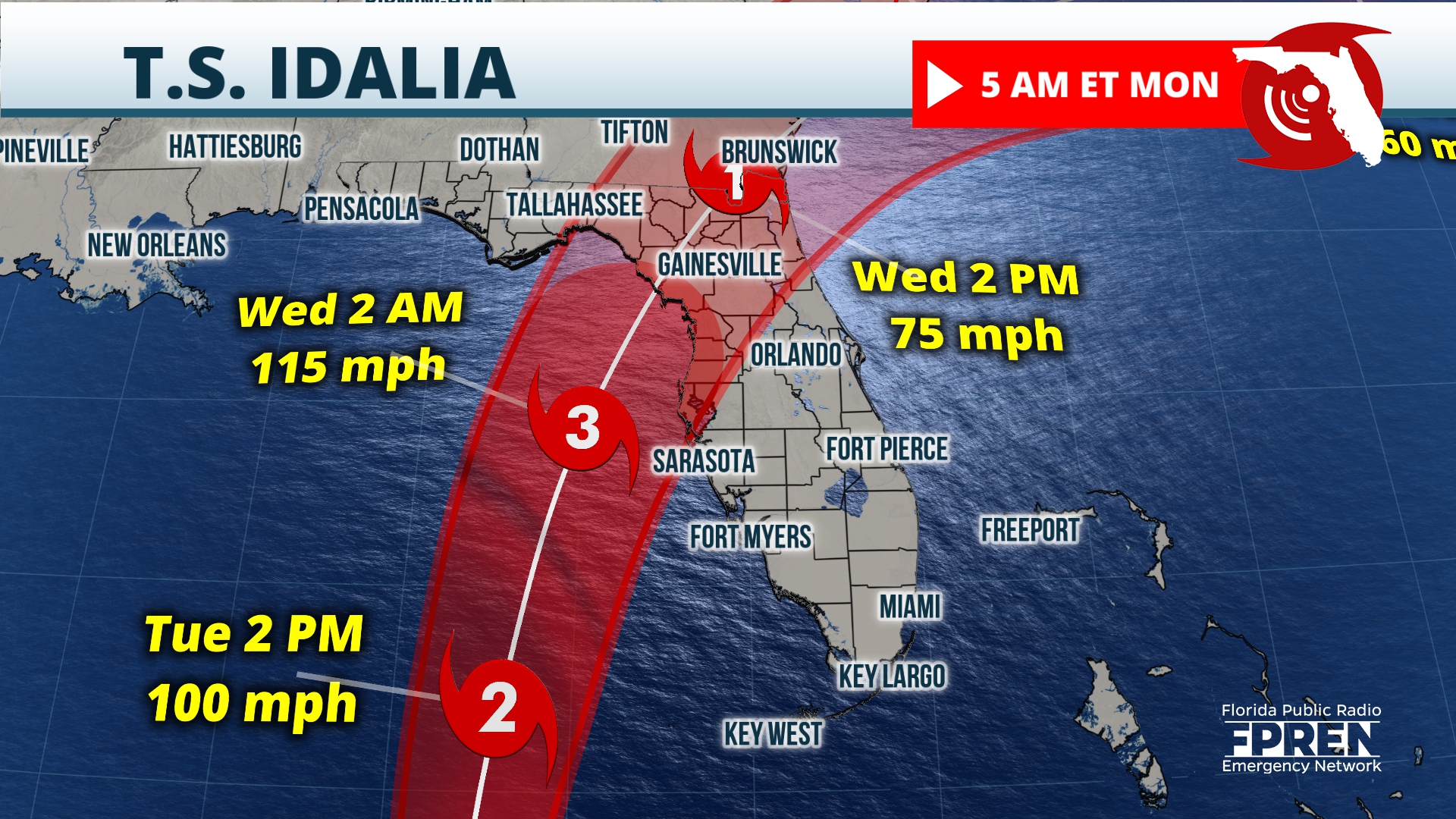
It’s important to remember that Florida is a vast state. While specific coastal regions may face hurricane impacts, many other areas remain untouched or recover quickly. Destinations like Orlando, home to Walt Disney World Resort, Universal Orlando Resort, and numerous other theme parks, are typically well-equipped to handle severe weather, often experiencing heavy rain and wind rather than direct coastal damage, and operations resume swiftly. The state’s interior and many northern regions are also less prone to severe hurricane impacts.
When planning your trip, consider the time of year. While hurricane season runs for several months, the probability of a direct hit on your specific chosen destination on any given day remains relatively low. Regardless, purchasing travel insurance and staying informed are always wise tips. Florida continues to offer an incredible array of activities and experiences, catering to every type of traveler, whether you’re seeking adventurous outdoor activities, relaxing beach vacations, or cultural immersions.
In conclusion, while hurricanes are an undeniable aspect of Florida’s climate, they do not diminish its enduring allure as a premier global travel destination. The state’s proactive preparedness, swift recovery efforts, and the indomitable spirit of its communities ensure that its hotels, attractions, and natural beauty remain accessible and welcoming. By staying informed and planning wisely, you can confidently embark on an unforgettable Florida adventure, enjoying everything this dynamic state has to offer, from its vibrant local culture to its world-class amenities and diverse landscapes.
LifeOutOfTheBox is a participant in the Amazon Services LLC Associates Program, an affiliate advertising program designed to provide a means for sites to earn advertising fees by advertising and linking to Amazon.com. Amazon, the Amazon logo, AmazonSupply, and the AmazonSupply logo are trademarks of Amazon.com, Inc. or its affiliates. As an Amazon Associate we earn affiliate commissions from qualifying purchases.