
Florida, a state renowned for its sun-drenched beaches, vibrant theme parks, and lush tropical landscapes, is also a frequent visitor to the path of powerful hurricanes. When these formidable storms make landfall, their impact can be widespread and devastating, affecting travel plans, tourism, and the very fabric of communities. For travelers and residents alike, understanding the specific areas impacted by a hurricane is crucial for safety, recovery, and informed decision-making. This article delves into the recent hurricane activity in Florida, focusing on where these storms have made their mark, and provides insights relevant to those interested in the state’s tourism, accommodation, and lifestyle.
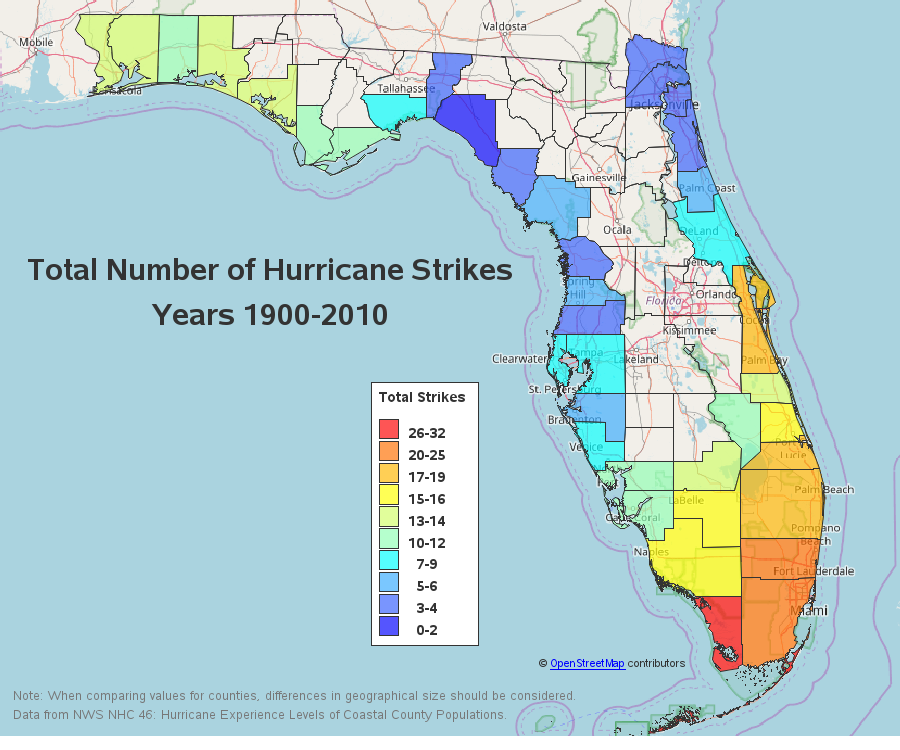
Understanding Hurricane Landfalls in Florida
The Sunshine State is particularly vulnerable to hurricanes due to its extensive coastline along both the Atlantic Ocean and the Gulf of Mexico. Its geography, coupled with warm ocean waters that fuel storm development, makes it a prime target. Hurricanes are characterized by their immense power, bringing with them destructive winds, torrential rainfall, and dangerous storm surge. The specific location of a hurricane’s landfall dictates the immediate areas of greatest impact, influencing everything from road closures and power outages to the availability of accommodations and the safety of tourist attractions.
Recent Hurricane Activity and Impact Zones
Pinpointing the exact location of a hurricane’s landfall is a critical piece of information for emergency services, residents, and anyone planning a trip to Florida. Over the years, various regions of the state have borne the brunt of these powerful weather systems. Understanding past trends can offer some insight, though each storm is unique and its path can be unpredictable.
When a hurricane strikes, the primary impact zone is typically where the eye of the storm makes landfall. This is often accompanied by the strongest winds and the most significant storm surge. However, the destructive force of a hurricane extends far beyond this immediate point. Heavy rainfall can lead to inland flooding, while powerful winds can cause widespread damage to infrastructure, homes, and natural landmarks hundreds of miles from the coast.
For instance, Hurricane Ian, which made landfall in 2022, was a catastrophic Category 4 storm that devastated parts of Southwest Florida, particularly the Fort Myers and Cape Coral areas. The storm surge in these regions was historically high, causing immense destruction to coastal properties and ecosystems. Further inland, heavy rainfall led to significant flooding in areas like Orlando, impacting theme parks and residential neighborhoods. The recovery efforts in these impacted zones were extensive and ongoing, highlighting the long-term consequences of such powerful storms.
Another notable storm, Hurricane Michael in 2018, made landfall as a Category 5 hurricane on the Florida Panhandle. The city of Mexico Beach and the surrounding communities of Panama City and Springfield experienced unprecedented levels of destruction. The sheer force of Michael reshaped the coastline and left a lasting scar on the landscape and the lives of its residents. The impact extended inland, affecting Tallahassee with strong winds and power outages.
Conversely, other hurricanes have made landfall in different parts of the state. Hurricane Irma in 2017 impacted a broad swath of Florida, with its eye passing over the Florida Keys before making a second landfall on the southwest coast near Naples. The storm then moved up the state, affecting major metropolitan areas like Miami, Fort Lauderdale, and Tampa Bay, causing widespread power outages and significant coastal flooding. Even areas that did not experience direct landfall often faced severe weather, including tornadoes and heavy rains, demonstrating the far-reaching influence of these storms.
Implications for Travel and Tourism
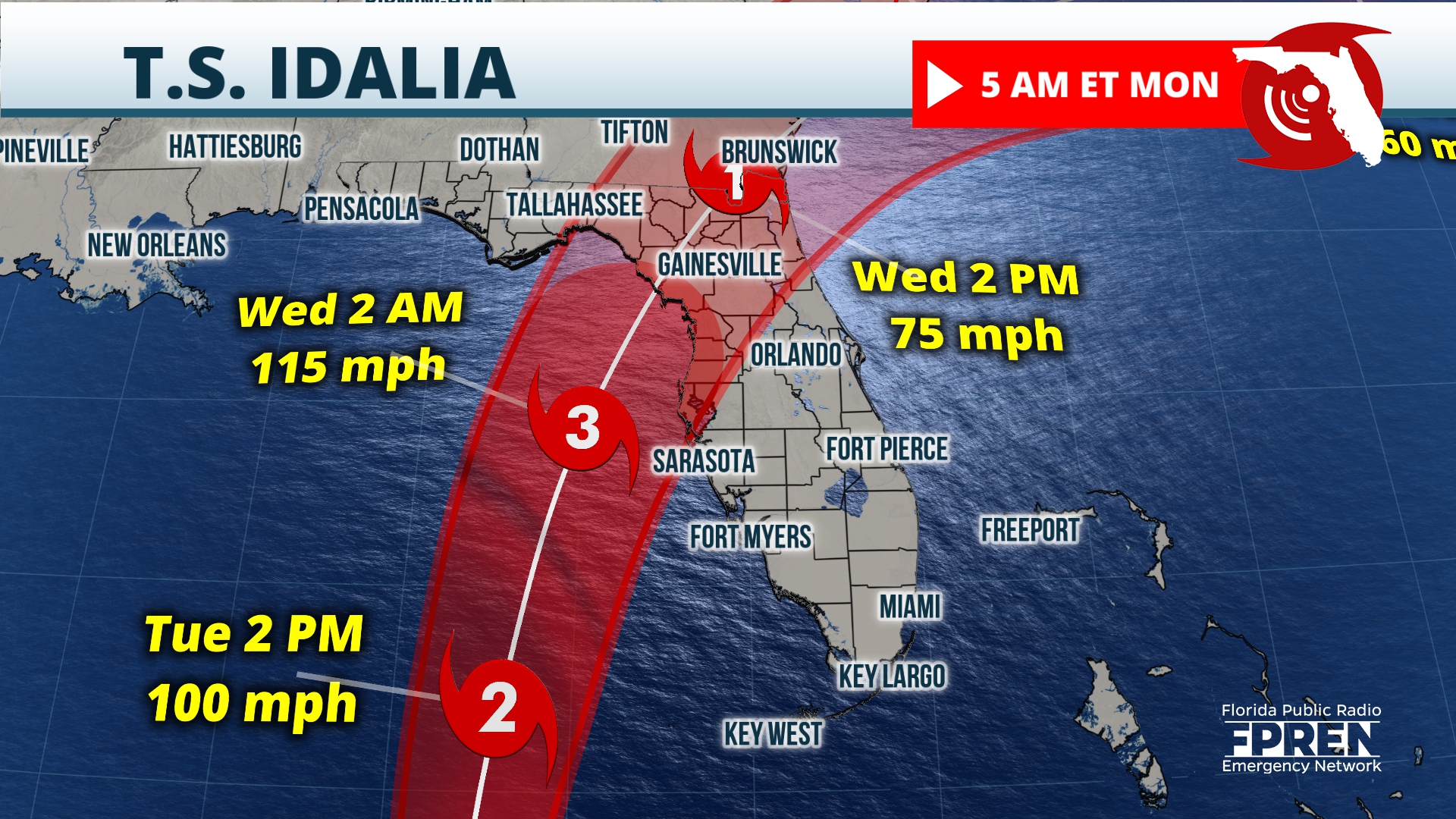
The impact of hurricanes on Florida‘s vibrant travel and tourism industry cannot be overstated. Destinations that are directly hit often experience significant disruptions. Airports may close, flights can be canceled, and major attractions, including world-renowned theme parks like Walt Disney World and Universal Orlando Resort, may temporarily shut down for safety assessments and damage control.
For travelers who had planned a trip to an affected area, the immediate concern is safety and understanding the extent of travel advisories and advisories from local authorities. Information from the National Hurricane Center becomes paramount in such situations. Websites dedicated to travel information often provide real-time updates on destinations, including advisories from airlines and hotel chains.
When a hurricane makes landfall, the economic impact on the tourism sector can be substantial. Hotels, resorts, and other accommodation providers in the affected areas may suffer extensive damage, leading to closures and a loss of revenue. This can also affect the availability of lodging in nearby, unaffected regions as displaced residents and recovery personnel seek shelter. For those looking to book accommodation, it is vital to check the status of their chosen destination and to be aware of cancellation policies, especially during hurricane season, which officially runs from June 1 to November 30.
Beyond the immediate disruption, hurricanes can also affect the long-term appeal of certain destinations. The recovery process for areas heavily impacted by storms can take months or even years. While Florida is resilient and communities work diligently to rebuild and restore their attractions, potential visitors may consider alternative destinations during periods of significant recovery. However, for many, the draw of Florida‘s unique offerings – its beaches, its entertainment, its cultural experiences – remains strong, and tourism often plays a crucial role in the economic recovery of these affected regions. Supporting these communities through responsible tourism once it is safe to do so can be a vital part of the rebuilding process.
Navigating Accommodation and Lifestyle Considerations
The aftermath of a hurricane presents unique challenges and considerations for accommodation and lifestyle in Florida. For those whose homes are damaged or destroyed, the search for temporary or long-term accommodation becomes a primary concern. This can put a strain on the local housing market, making it difficult to find available apartments, villas, or even hotel rooms.
For travelers, the importance of flexible booking policies and travel insurance cannot be emphasized enough. When planning a trip to Florida during hurricane season, it is prudent to research the historical hurricane activity of the specific region one plans to visit. Some areas, like the Florida Keys, have a long history of experiencing direct hurricane impacts.
The lifestyle of Florida residents, particularly those living in coastal communities, is deeply intertwined with the annual hurricane season. Many invest in hurricane shutters, secure their properties, and have emergency plans in place. The psychological impact of living in a hurricane-prone area also plays a role, with a heightened sense of awareness and preparedness during the months of higher storm activity.
Luxury travel in Florida can also be affected. High-end resorts and exclusive villas, particularly those located directly on the coast, are often the most vulnerable to storm surge and high winds. While these establishments often have robust emergency procedures and are built to withstand severe weather, significant impacts can lead to temporary closures and a shift in the availability of premium travel experiences. Similarly, budget travelers may find that post-hurricane periods offer opportunities for discounted travel to less affected areas, or conversely, face increased demand for cheaper accommodations from displaced individuals.

Rebuilding and Resilience: Florida’s Future
Despite the destructive power of hurricanes, Florida has consistently demonstrated remarkable resilience. Communities come together, and the spirit of rebuilding is strong. The tourism and accommodation sectors are vital to the state’s economy, and efforts are always underway to restore attractions and infrastructure.
When planning a trip to Florida, especially during hurricane season, staying informed is key. Reliable sources of information include the National Hurricane Center, local news outlets, and official state emergency management agencies. Understanding the potential risks and having a contingency plan can help ensure a safe and enjoyable experience, even in the face of unpredictable weather. For those involved in the travel industry, continuous adaptation and preparedness are essential to navigate the challenges posed by these powerful natural events and to continue offering the exceptional experiences that Florida is known for. The ongoing efforts to understand, predict, and mitigate the impact of hurricanes are crucial for the future of travel, tourism, and the overall lifestyle in this beloved state.
LifeOutOfTheBox is a participant in the Amazon Services LLC Associates Program, an affiliate advertising program designed to provide a means for sites to earn advertising fees by advertising and linking to Amazon.com. Amazon, the Amazon logo, AmazonSupply, and the AmazonSupply logo are trademarks of Amazon.com, Inc. or its affiliates. As an Amazon Associate we earn affiliate commissions from qualifying purchases.