
The allure of the Maine Coon cat is undeniable. With their majestic size, tufted ears, and bushy tails, they cut an impressive figure. Often hailed as the “gentle giants” of the feline world, their robust nature and friendly disposition have made them a beloved breed. But have you ever found yourself gazing at your magnificent Maine Coon and wondering about their origins? Where did this impressive breed truly come from? While there’s no single, definitive answer, the story of the Maine Coon is a captivating blend of natural adaptation, seafaring adventures, and perhaps a touch of folklore.
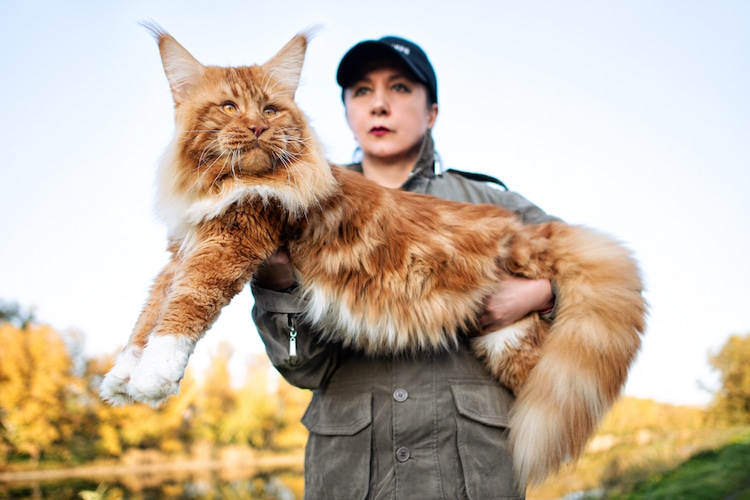
The most widely accepted theory points to the state of Maine as the birthplace of this distinctive breed. It’s here, amidst the rugged coastlines, dense forests, and harsh winters, that the ancestors of the modern Maine Coon are believed to have evolved. This environment played a crucial role in shaping their remarkable physical characteristics, making them perfectly suited for survival in the demanding New England landscape.
The Naturalist’s Perspective: Evolution in the Wild
One of the most compelling explanations for the Maine Coon’s existence lies in the realm of natural selection. It’s theorized that the breed emerged as a result of natural crossbreeding between domestic cats and the long-haired wildcats of North America, possibly the Canadian Lynx. This theory suggests that as European settlers arrived in America and established farms and homesteads, their domestic cats, often brought along on voyages, found themselves interacting with the native wild cat population.
The harsh Maine climate would have favored cats with robust adaptations. Long, thick, water-repellent fur would have been essential for insulation against the biting cold and damp conditions. Large, tufted paws would have acted like snowshoes, allowing them to traverse snowy terrain with ease. Their sturdy build and strong hunting instincts would have been vital for survival, enabling them to thrive in an environment where food could be scarce.
Over generations, these adaptations would have become more pronounced, leading to the development of a unique breed distinct from its European ancestors. The Maine Coon’s size, for instance, is thought to be a direct result of the need to conserve body heat. Larger animals have a smaller surface area to volume ratio, which helps them retain heat more effectively. Their distinctive bushy tail, often described as a “raccoon-like” tail, likely served as a warm wrap during frigid nights.
Seafaring Tales and the Voyage of the “Coon” Cats
Another fascinating thread in the origin story of the Maine Coon involves the seafaring heritage of New England. Maine, with its extensive coastline and numerous ports, was a hub for maritime activity. Ships, whether for trade or exploration, frequently traveled between Europe and America. It’s believed that long-haired cats were brought aboard these vessels to control rodent populations.
These seafaring cats, likely of Turkish Angora or Persian descent, would have been a common sight on ships. When these ships docked in Maine, some of these cats may have disembarked and found new homes ashore. Once in Maine, they would have encountered the already established domestic cat population, possibly including those with naturally occurring long fur due to the harsh environment.
The name “Maine Coon” itself is thought to be a blend of its geographical origin and a popular theory about its lineage. The “Maine” part is obvious, referring to the state. The “Coon” part, however, is more debated. One popular, though scientifically improbable, theory suggests a genetic link to raccoons. This idea stems from the cats’ resemblance to raccoons in their size, bushy tails, and sometimes brindled coat patterns. While it’s an amusing notion, genetically, cats and raccoons are entirely different species, making interbreeding impossible. It’s far more likely that “Coon” was simply a descriptive nickname derived from their appearance and perhaps the legend of cats being brought to Maine by sailors who might have referred to them colloquially.
Historical Records and Early Mentions
While concrete historical records from the early days of the breed are scarce, anecdotal evidence and early writings offer glimpses into the presence of large, long-haired cats in Maine. Captain Charles $mathrm{C}$ Woods, in his 1862 book “A History of Maine,” mentions “large, long-haired cats” that were common in the region. This provides an early written account of cats that sound remarkably like the modern Maine Coon, predating the formal establishment of cat breeds as we know them today.
Furthermore, the breed gained popularity and was even exhibited at cat shows in America as early as the late 19th century. The first recorded show cat of the breed was a brown tabby female named “Captain Jack,” owned by Mrs. G.R. Dresser. By the 1890s, Maine Coons were being documented in cat fancier publications. However, their popularity waned for a time, especially with the introduction of other long-haired breeds like the Persian and Angora from abroad.
The breed experienced a significant resurgence in the mid-20th century, thanks to the dedicated efforts of breeders and enthusiasts who worked to preserve and promote the Maine Coon. Organizations were formed, and efforts were made to establish breed standards, ensuring the continuation of this distinctive American treasure. Today, the Maine Coon is recognized by all major cat fancy organizations and is a popular choice for pet owners worldwide, celebrated for its charming personality and impressive physique.
Exploring the Maine Coon’s Distinctive Traits
The origin story of the Maine Coon is deeply intertwined with its physical and temperamental characteristics. These aren’t just any cats; they are a breed sculpted by their environment and, perhaps, by the adventurous spirit of those who brought their ancestors across the seas.
Physical Adaptations for a Harsh Climate
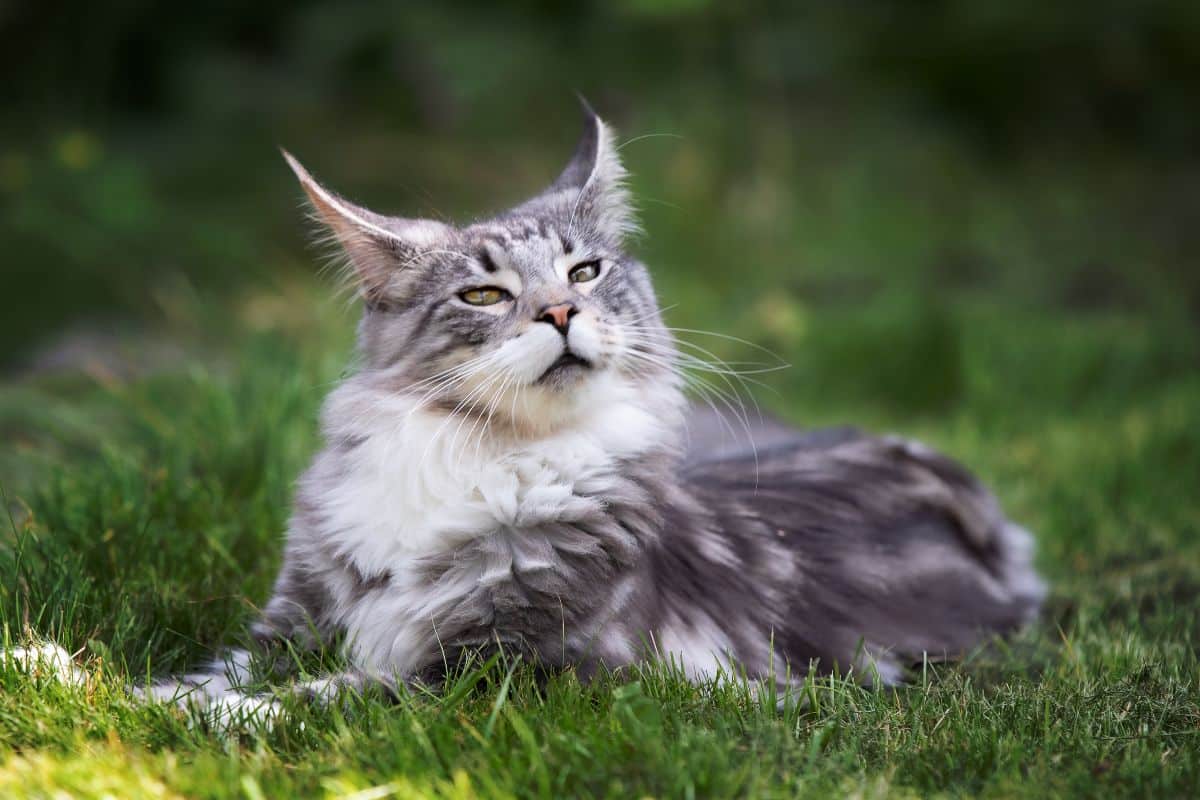
The rugged landscape of Maine demanded a cat built for resilience. The Maine Coon’s most striking feature is its size, making it one of the largest domesticated cat breeds. Males can weigh between 15 to 25 pounds, and females typically range from 10 to 15 pounds, though some can grow even larger. This substantial build is not just for show; it’s an adaptation that helps them retain body heat, a crucial advantage during the frigid New England winters.
Their fur is another testament to their origins. It’s a dense, shaggy double coat, with a shorter, softer undercoat and longer, coarser guard hairs on top. This provides excellent insulation and water resistance, protecting them from rain, snow, and the chill of their environment. The fur is notably longer around the neck, forming a “mane” that further enhances their majestic appearance and provides extra warmth.
The Maine Coon’s paws are large and well-furred, almost like snowshoes. This allows them to walk comfortably on snow and ice, providing better traction and preventing them from sinking. The tufts of fur between their toes also offer protection from the cold.
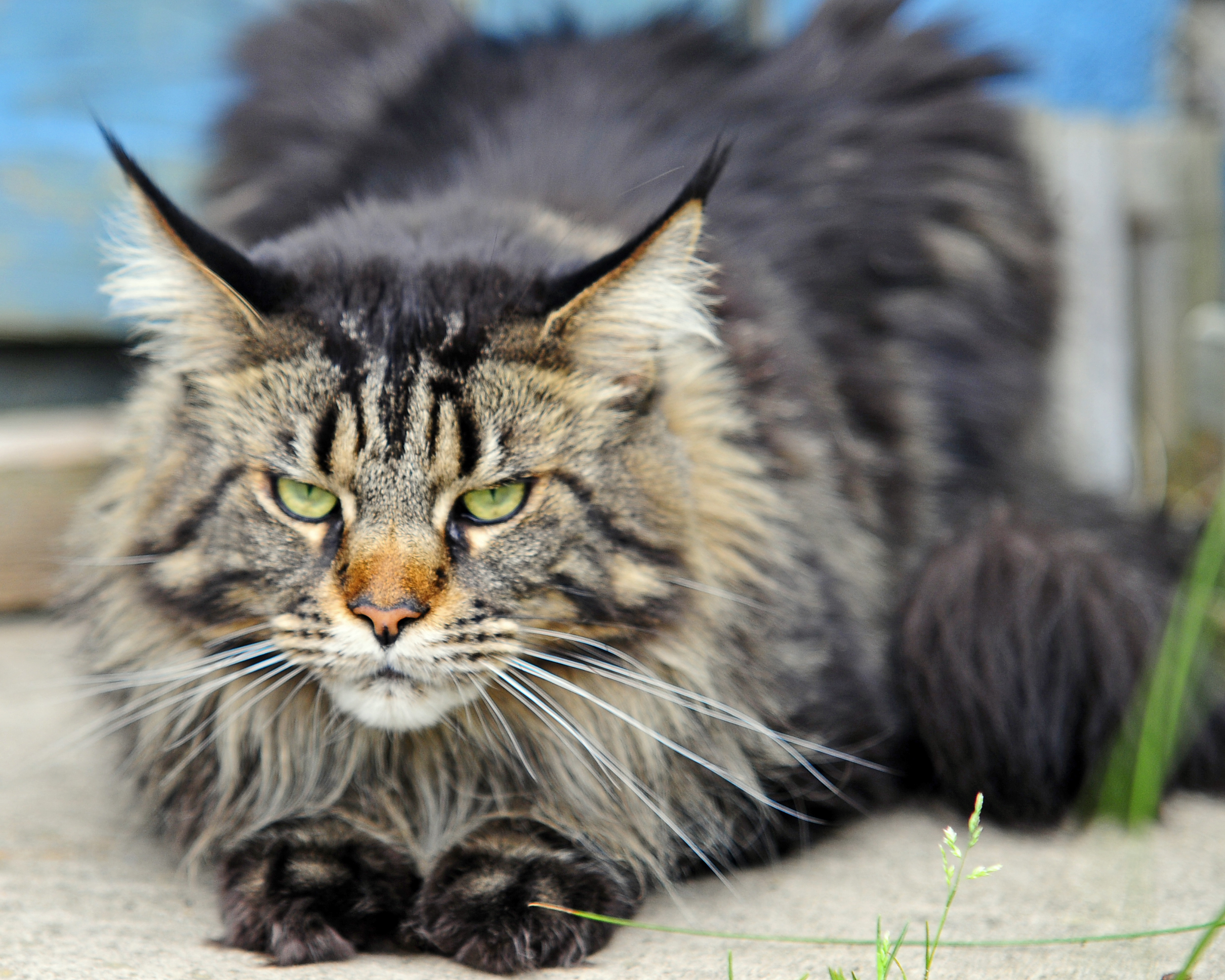
Their large, expressive eyes, often described as “wide-set,” are thought to have aided them in low-light hunting conditions in the dense forests of Maine. Their ears are large and set high on the head, often adorned with prominent ear tufts, which are believed to have evolved to help keep snow and cold out of their ears, much like those of the Canadian Lynx.
The “Gentle Giant” Temperament
Beyond their impressive physical stature, Maine Coons are renowned for their amiable and gentle disposition, earning them the nickname “gentle giants.” They are known for being friendly, outgoing, and playful cats. Unlike some breeds that can be aloof, Maine Coons often form strong bonds with their families and enjoy being involved in household activities.
They are often described as “dog-like” in their behavior, not in a way that they bark or wag their tails, but in their social nature and desire for companionship. They are known to follow their owners around the house, greet them at the door, and even enjoy playing fetch. Their intelligence is another notable trait; they are curious, adaptable, and can often be trained to do tricks or walk on a leash.
Maine Coons are typically good with children and other pets, making them an excellent choice for family households. Their playful nature means they retain a kitten-like demeanor well into adulthood, always ready for a game or an adventure. Despite their size, they are not typically aggressive, preferring to use their intelligence and charm to navigate their environment.
Their vocalizations are also distinctive. While they can purr like any other cat, they also possess a unique range of chirps, trills, and meows that they use to communicate. This varied vocal repertoire adds to their charming and engaging personality, making them a delight to have as companions.
Preserving the Legacy: The Maine Coon Today
The journey of the Maine Coon from its humble beginnings in the wilds of Maine to its status as a globally beloved breed is a testament to its unique appeal and the dedication of breed enthusiasts. Today, efforts are focused on preserving the breed’s distinctive characteristics and ensuring its health and longevity.
Modern Breeding and Health Considerations
The modern Maine Coon benefits from careful breeding practices aimed at maintaining the breed’s iconic traits while also addressing potential health concerns. Responsible breeders focus on genetic diversity and screen their breeding cats for common hereditary conditions.
One such condition that can affect Maine Coons is hip dysplasia, a malformation of the hip joint. While not exclusive to the breed, it’s something that conscientious breeders monitor and test for. Another concern is hypertrophic cardiomyopathy (HCM), a common heart disease in cats, for which genetic testing is becoming increasingly available.
Responsible breeders also prioritize temperament, ensuring that their kittens inherit the friendly, social nature that is so characteristic of the breed. Early socialization, proper nutrition, and veterinary care are all crucial components of raising healthy and well-adjusted Maine Coons.
The Maine Coon as a Global Companion
The Maine Coon’s popularity has transcended its native America, with enthusiasts and breeders in countries all over the world now dedicated to the breed. From the bustling metropolises of Europe to the sunny coasts of Australia, these magnificent cats have found loving homes.
For those considering bringing a Maine Coon into their lives, understanding their origin and needs is paramount. Their large size means they require ample space, and their thick coat needs regular grooming to prevent matting. Their intelligent and social nature means they thrive on interaction and mental stimulation.
Whether it’s their impressive size, their plush coat, or their enchanting personality, the Maine Coon continues to captivate hearts. The story of their origin – a blend of natural evolution in a challenging environment and perhaps a touch of seafaring romance – only adds to their mystique, making them one of the most admired and cherished feline breeds in the world. Their presence brings a touch of wild grandeur and gentle companionship into any home, a living legacy of the rugged beauty and adventurous spirit of Maine.
LifeOutOfTheBox is a participant in the Amazon Services LLC Associates Program, an affiliate advertising program designed to provide a means for sites to earn advertising fees by advertising and linking to Amazon.com. Amazon, the Amazon logo, AmazonSupply, and the AmazonSupply logo are trademarks of Amazon.com, Inc. or its affiliates. As an Amazon Associate we earn affiliate commissions from qualifying purchases.