
When the world thinks of Mardi Gras, the vibrant, bead-strewn streets of the French Quarter in New Orleans almost immediately come to mind. It is a city defined by its jazz, its unique culinary landscape, and a revelry that is practically synonymous with its cultural identity. However, for those who take a closer look at the annals of United States history, a different story emerges—one that begins in a port city along the Gulf Coast of Alabama. The debate over whether Mardi Gras originated in Mobile or New Orleans is more than just a case of local bragging rights; it is a fascinating exploration of the French colonial history of the New World.
The Roots of Celebration: Mobile’s Colonial Claim
To understand the origins of Mardi Gras, one must travel back to the early 18th century, long before the Louisiana Purchase brought the territory under American rule. In 1702, French settlers founded a colony at Twenty-Seven Mile Bluff, which was later moved to the current site of Mobile in 1711. It was here, in the oldest city in Alabama, that the first recorded celebration of Mardi Gras occurred on North American soil.
The Boeuf Gras Tradition
In 1703, French Catholic soldiers and settlers in Mobile established the Boeuf Gras (Fatted Calf) society. This group, inspired by the traditions they brought from France, held a formal celebration that included a masked procession and a parade featuring a bull—a direct ancestor of the modern-day floats. These early pioneers viewed the festival as a way to maintain their cultural heritage while living in the rugged, swampy frontier of the Deep South.
The Evolution of the Mistick Krewe
Mobile continued to formalize its celebrations throughout the 18th and early 19th centuries. By 1830, the Cowbellion de Rakin Society was formed, which is credited with being the first organized Mardi Gras parade in the United States. This group introduced the concept of structured “krewes,” secretive organizations that plan the themes, floats, and costumes that define the festival. Even as New Orleans began to rise in prominence, Mobile maintained its reputation as the birthplace of the celebration, viewing its traditions as the more authentic, original expression of the holiday.
New Orleans: The City That Perfected the Spectacle
While Mobile may hold the historical distinction of being the first, New Orleans quickly transformed the tradition into an international phenomenon. The Crescent City, with its unique blend of Spanish, French, and African influences, provided the perfect crucible for Mardi Gras to evolve from a local feast into a massive, city-wide explosion of art, music, and social commentary.

The Influence of 1857
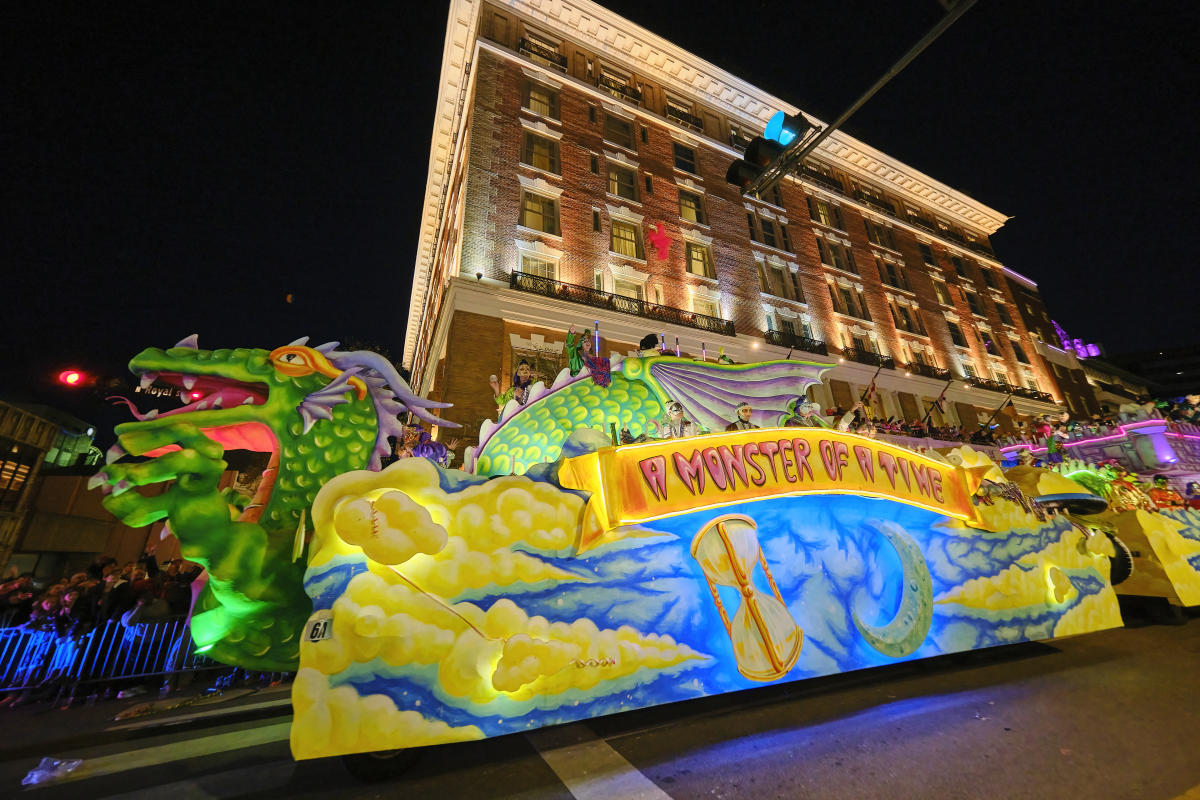
The turning point for New Orleans came in 1857 with the formation of the Mistick Krewe of Comus. Disillusioned with the increasingly chaotic and rowdy nature of the spontaneous street parties, a group of businessmen organized a sophisticated, torch-lit procession. This event, featuring high-quality floats and elaborate costumes, set the standard for what the world now recognizes as the “official” Mardi Gras parade. By introducing a thematic narrative to the parade, Comus helped shift the focus from simple revelry to artistic performance.
A Cultural Melting Pot
The cultural diversity of Louisiana played a pivotal role in the expansion of Mardi Gras. Throughout the 19th century, various immigrant groups, enslaved people, and free people of color contributed their own traditions to the festival. This interaction birthed the Zulu Social Aid and Pleasure Club, for instance, which challenged the racial exclusion common in early krewes and added a vibrant, Afro-Caribbean layer to the festivities. The sheer scale of the city allowed the celebration to grow into a multi-week season, drawing millions of visitors to the Mississippi River delta.
Why the Discrepancy Continues
The rivalry between these two cities remains a point of spirited contention. The primary reason for the confusion is the definition of “Mardi Gras.” If the criteria is the first organized celebration, Mobile wins decisively. However, if the definition relies on the modern, massive, tourism-driven event characterized by complex krewes, ornate floats, and international media attention, New Orleans is undoubtedly the epicenter.
Historical Commemoration vs. Modern Tourism
Mobile prides itself on the longevity and “proper” conduct of its parades. The festivals there are often described as more family-oriented and community-focused, maintaining a connection to the city’s 18th-century roots. Conversely, New Orleans embraces the role of a global destination. The Bourbon Street revelry, the St. Charles Avenue parades, and the intricate King Cake traditions have cemented the city’s status as the definitive Mardi Gras brand.
The Shared Legacy
Despite the debate, historians often point out that the two cities have actually shared traditions for centuries. The influence of French culture permeates both Alabama and Louisiana. In fact, the spirit of the holiday—the transition from the austerity of Lent to the abundance of Carnival—is a shared regional treasure. Whether one prefers the intimate, historical parades of Mobile or the grand, bustling spectacles of New Orleans, both cities offer a profound window into the history of North America.

Experiencing the Legacy Today
For the modern traveler, choosing between the two experiences depends on what they are seeking. A trip to Mobile allows for a deeper appreciation of the roots of the celebration, often providing a more manageable and less crowded environment. It is a chance to see history in motion in a city that treats its Mardi Gras traditions with a sense of solemnity and pride.
On the other hand, visiting New Orleans provides a sensory overload that is impossible to replicate elsewhere. The energy of the Bacchus parade or the satirical brilliance of Rex represents the pinnacle of American carnival art. Ultimately, the question of where Mardi Gras originated is not about choosing a winner, but about recognizing how a centuries-old tradition adapted to different environments to become one of the most significant cultural events in the Western Hemisphere. Both cities have done an exceptional job of preserving the spirit of “Fat Tuesday,” ensuring that the legacy continues to thrive for future generations.
LifeOutOfTheBox is a participant in the Amazon Services LLC Associates Program, an affiliate advertising program designed to provide a means for sites to earn advertising fees by advertising and linking to Amazon.com. Amazon, the Amazon logo, AmazonSupply, and the AmazonSupply logo are trademarks of Amazon.com, Inc. or its affiliates. As an Amazon Associate we earn affiliate commissions from qualifying purchases.