
The sporting landscape often experiences shifts, but few capture the imagination and generate as much discussion as the relocation of a major professional sports franchise. For decades, the Arizona Coyotes carved a niche in the desert, bringing the fast-paced action of the National Hockey League to a non-traditional market. However, after years of challenges regarding arena facilities and ownership stability, the franchise embarked on a significant journey, transitioning from the dry heat of Arizona to the stunning mountainous terrain of Utah. This move redefines a destination for hockey fans and introduces a vibrant new chapter for sports travel.
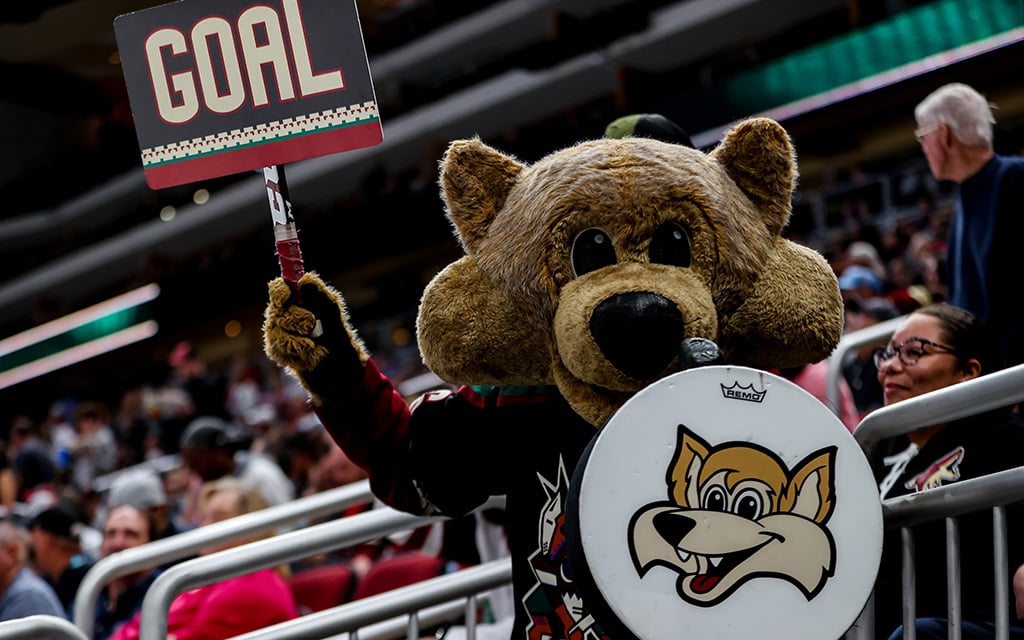
From the Desert to the Mountains: The Coyotes’ Relocation
The saga of the Arizona Coyotes has been a complex narrative of perseverance, passion, and persistent obstacles. For years, the team navigated various ownership changes and, crucially, a search for a permanent, modern arena solution that could sustain an NHL franchise. Their eventual move to Salt Lake City marks a pivotal moment, not just for the team, but for sports tourism in the Intermountain West.
A Legacy in Arizona
The Arizona Coyotes began their journey in 1996, relocating from Winnipeg, Manitoba to what was then a burgeoning sports market. Initially playing in Phoenix, they later moved to Glendale‘s Jobing.com Arena (later Gila River Arena). Despite a passionate core fanbase, consistent attendance and financial viability remained perennial challenges. The team’s recent tenure at the much smaller Mullett Arena in Tempe, a college hockey venue, underscored the urgent need for a long-term resolution. This period highlighted the difficulties faced by non-traditional hockey markets without dedicated, state-of-the-art facilities, pushing the franchise toward an inevitable, if regrettable, departure from the state it called home for nearly three decades. For fans who had made the pilgrimage to Arizona for a unique hockey experience, this chapter closed with a mix of sadness and understanding.
The Road to Utah
The decision to relocate was not made lightly. After various proposals for a new arena in the Phoenix metropolitan area failed to materialize, the NHL intervened, facilitating a sale and relocation to Salt Lake City. The buyer, Ryan Smith, owner of the NBA’s Utah Jazz and chairman of Smith Entertainment Group, presented a compelling vision for a new hockey market. Smith’s established sports infrastructure and commitment to professional sports in Utah offered the stability and ambition the franchise desperately needed. The move means the former Arizona Coyotes will now play as the Utah Hockey Club, marking a fresh start and establishing a new destination for hockey enthusiasts looking to combine their love for the game with a unique travel experience.
Salt Lake City: A New Hockey Destination
The arrival of an NHL team transforms Salt Lake City into a dual-sport destination, complementing its existing NBA presence. This development is significant for sports tourism, offering fans a fresh perspective on where to catch top-tier hockey while exploring a region renowned for its natural beauty and urban charm.
The Appeal of the Beehive State Capital
Salt Lake City, nestled at the foot of the majestic Rocky Mountains and near the vast Great Salt Lake, offers a compelling backdrop for a professional sports franchise. The city boasts a strong and growing economy, a burgeoning population, and a demonstrated passion for sports, evidenced by the fervent support for the Utah Jazz. Its infrastructure, honed from hosting the 2002 Winter Olympics, is robust, capable of accommodating large events and visitor influxes.
For travelers, Salt Lake City is easily accessible, served by a modern international airport with direct flights from numerous major cities. The city itself is walkable, with a vibrant downtown area featuring diverse dining, cultural attractions, and entertainment options. Beyond the urban core, the immediate proximity to world-class ski resorts like those in Park City and stunning national parks positions Salt Lake City as an ideal base for combining a hockey trip with outdoor adventures, especially during the winter months when the NHL season is in full swing. This blend of urban excitement and natural wonder makes Salt Lake City a highly attractive travel destination for a broad range of interests.
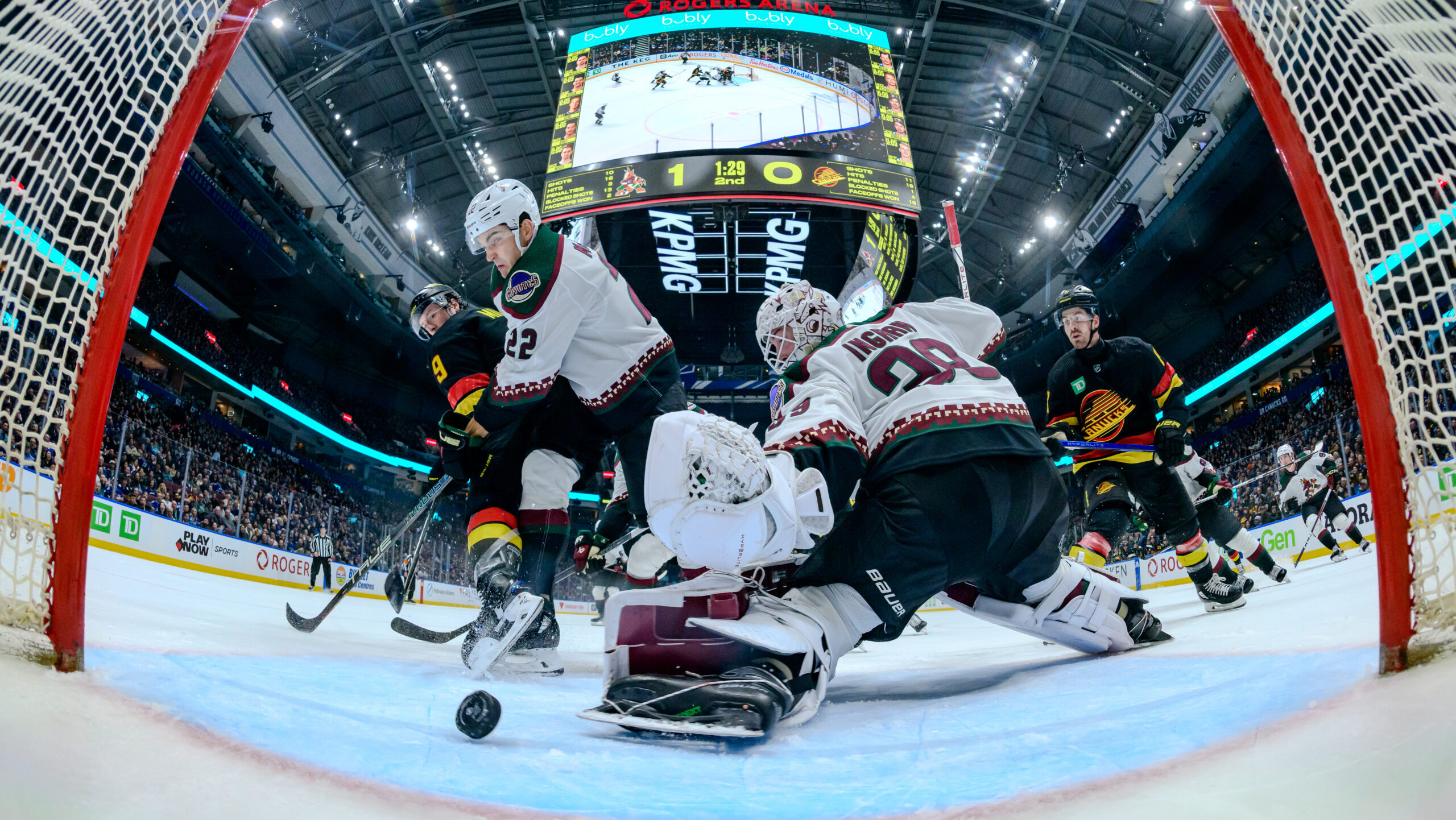
Delta Center: The Temporary and Future Home
The Utah Hockey Club will immediately begin playing its home games at the Delta Center, the current home of the Utah Jazz. This multi-purpose arena, located in the heart of downtown Salt Lake City, is a familiar landmark for sports fans. While primarily designed for basketball, the Delta Center has previously hosted hockey events, demonstrating its adaptability. Smith Entertainment Group has committed to significant renovations and upgrades to transform the arena into a truly dual-purpose facility, enhancing sightlines, amenities, and overall fan experience for hockey. The long-term vision includes potentially building a new, purpose-built arena tailored for both hockey and basketball, or further redeveloping the existing downtown footprint. Regardless of the exact future structure, the commitment to providing a first-class venue ensures that attending a Utah Hockey Club game will be a premium experience, central to any travel itinerary to Salt Lake City.
The Travel Experience for Hockey Enthusiasts
For dedicated hockey fans, the relocation of a team presents an exciting new opportunity for sports-centric travel. Planning a trip to see the Utah Hockey Club means discovering a new city and region, combining the thrill of live NHL action with the diverse attractions of Utah.
Planning Your Trip to Salt Lake City
Traveling to Salt Lake City for a hockey game is a straightforward and rewarding endeavor. The Salt Lake City International Airport (SLC) is a major hub, offering extensive domestic and international connections. Upon arrival, visitors will find efficient public transportation options, including light rail (TRAX), that connect the airport to downtown and other key areas. Many hotels are within walking distance or a short ride from the Delta Center, making game-day logistics simple.
When booking accommodations, travelers can choose from a range of options, from upscale hotels near the arena to more budget-friendly stays slightly further afield. Dining in Salt Lake City is a culinary adventure, with options spanning from sophisticated farm-to-table restaurants to casual eateries and vibrant brewpubs. Given the team’s inaugural season, securing game tickets in advance is highly recommended, especially for anticipated matchups against popular NHL rivals. It’s also wise to check the schedule for back-to-back home games or weekend series to maximize the travel experience.
Beyond the Rink: Exploring Utah
A trip to see the Utah Hockey Club is not complete without exploring the wider wonders of Utah. The state is often called “The Crossroads of the West” and “Ski Capital of the World” for good reason. For winter travelers, the proximity to world-class ski resorts such as Park City, Deer Valley, and Snowbird offers unparalleled opportunities for skiing and snowboarding just a short drive from the city. Even for non-skiers, the scenic drives and mountain towns provide breathtaking views and charming atmospheres.
In warmer months or for those looking beyond snow sports, Utah is home to five spectacular national parks – Zion National Park, Bryce Canyon National Park, Arches National Park, Canyonlands National Park, and Capitol Reef National Park – each offering unique geological formations and hiking trails. While some of these are a longer drive from Salt Lake City, a dedicated road trip can easily incorporate a game with an unforgettable exploration of the American West. Within Salt Lake City itself, visitors can explore Temple Square, the historic heart of the Church of Jesus Christ of Latter-day Saints, or wander through the vibrant neighborhoods, discovering local boutiques and art galleries. Combining a hockey game with these attractions transforms a simple sports trip into a rich and diverse travel adventure.

Economic and Cultural Impact on the New Destination
The relocation of a major professional sports team brings with it significant economic and cultural implications for its new home. For Salt Lake City and the state of Utah, the Utah Hockey Club is not just a sports team; it’s a new anchor for local tourism and community identity.
Economically, the influx of an NHL franchise means increased revenue for local businesses, from hotels and restaurants to retail shops and transportation services. Away teams and their staff, along with visiting fans, will contribute directly to the local economy. The development of a state-of-the-art practice facility, likely in areas like West Valley City, will also create jobs and further stimulate local commerce. Beyond direct spending, the team’s presence raises the city’s profile on a national and international stage, potentially attracting further investment and tourism. The visibility of Salt Lake City as a premier sports destination, capable of hosting world-class events, will only grow.
Culturally, the arrival of the Utah Hockey Club enriches the local identity and offers new opportunities for community engagement. Hockey, while growing in popularity, introduces a distinct sports culture that complements the existing passions for basketball and outdoor pursuits. Youth hockey programs are expected to see a boost, fostering new generations of fans and players. The team will become a source of civic pride, uniting residents behind a common banner. For visitors, engaging with this burgeoning hockey culture offers an authentic glimpse into Salt Lake City’s evolving social fabric. This integration of sports into the cultural tapestry makes Salt Lake City an even more dynamic and engaging travel destination.
LifeOutOfTheBox is a participant in the Amazon Services LLC Associates Program, an affiliate advertising program designed to provide a means for sites to earn advertising fees by advertising and linking to Amazon.com. Amazon, the Amazon logo, AmazonSupply, and the AmazonSupply logo are trademarks of Amazon.com, Inc. or its affiliates. As an Amazon Associate we earn affiliate commissions from qualifying purchases.