
The moment you step foot in Boston, Massachusetts, a symphony of sounds awaits, from the bustling trams of the MBTA to the vibrant chatter of Fenway Park on game day. Yet, for many visitors, one particular sound stands out above the rest: the distinctive Boston Accent. More than just a quirky way of speaking, this accent is a living artifact, a verbal fingerprint that tells the story of centuries of settlement, immigration, and cultural evolution. Understanding its origins is not merely an academic exercise; it’s a doorway to deeper cultural immersion, allowing tourists to connect with the very soul of Beantown and its people. It adds a unique layer to the local charm, transforming everyday interactions into authentic cultural encounters that define a truly memorable trip.

The Distinctive Sound of Beantown’s Cultural Identity
The Boston Accent is arguably one of the most recognizable and often parodied regional accents in the United States. Its quintessential features are instantly identifiable: the characteristic dropping of the ‘r’ sound in certain positions (non-rhoticity) and the broad ‘a’ sound. Imagine hearing a local pronounce “car” as “cah,” or “Harvard” as “Hah-vahd,” especially prevalent in neighborhoods like South Boston or Charlestown. For tourists, encountering this accent isn’t just about understanding directions or ordering clam chowder; it’s an integral part of the immersive experience. It’s the sound of history, resilience, and unique regional pride. This linguistic quirk enriches the local culture, making every conversation an opportunity to engage with the city’s heritage. Listening to the locals is as much a part of appreciating Boston as walking the Freedom Trail or exploring the North End.
A Deep Dive into Linguistic History
To truly appreciate the Boston Accent, one must travel back in time, tracing its lineage through the tides of migration and the evolution of the English language itself. This accent is not merely a modern affectation but a linguistic fossil, preserving speech patterns that have long faded elsewhere.
Roots in Colonial English
The origins of the Boston Accent are deeply embedded in the speech of the early settlers who arrived in the Massachusetts Bay Colony during the 17th and 18th centuries. The majority of these colonists hailed from East Anglia and other non-rhotic regions of Southern England. At that time, non-rhoticity – the practice of dropping the ‘r’ sound after a vowel, as in “park” becoming “pahk” – was a prestigious speech pattern among the upper classes in London. As Boston flourished into a major port and intellectual hub, it maintained strong cultural and economic ties with England, particularly with these influential southern regions. This consistent connection meant that the speech patterns of the early colonists, including their non-rhotic pronunciation, were reinforced and preserved rather than diluted by other evolving American accents.
The Great Vowel Shift and Beyond
The evolution of the Boston Accent is also intricately linked to broader linguistic phenomena like the Great Vowel Shift, a series of changes in the pronunciation of English long vowels that occurred between the 14th and 18th centuries. While this shift standardized much of English pronunciation, regional variations persisted. The broad ‘a’ sound, for example, in words like “bath,” “dance,” or “father,” is another hallmark of the Boston Accent. This pronunciation, where the ‘a’ sounds more like the ‘ah’ in “spa,” is also a relic of older English speech patterns. Unlike many other parts of the United States where this vowel sound became flatter, Boston retained the older, broader pronunciation, distinguishing it from most American English speakers. This subtle yet significant difference further solidifies the accent’s historical ties to its transatlantic roots.
Non-Rhoticity Explained
The most defining characteristic of the Boston Accent is its non-rhoticity. This means that the ‘r’ sound is only pronounced if it’s followed by a vowel sound. So, “park the car” becomes “pahk the cah.” However, if a word ending in ‘r’ is followed by a word starting with a vowel, the ‘r’ sound reappears, often as an intrusive ‘r’. For instance, “idea” might become “idear” if followed by “is.” This linguistic feature is not unique to Boston; it’s shared with other non-rhotic accents like those found in New York City, parts of the American South, and, crucially, Standard British English (Received Pronunciation). For visitors, this is the most striking difference from the rhotic American English they might be accustomed to, offering a direct auditory link to the city’s colonial past and its enduring connection to the United Kingdom.
Geographical and Social Influences
The unique trajectory of the Boston Accent was not just about initial settlement but also about how the city interacted with the rest of the world and its own evolving demographics.
Isolation and Preservation
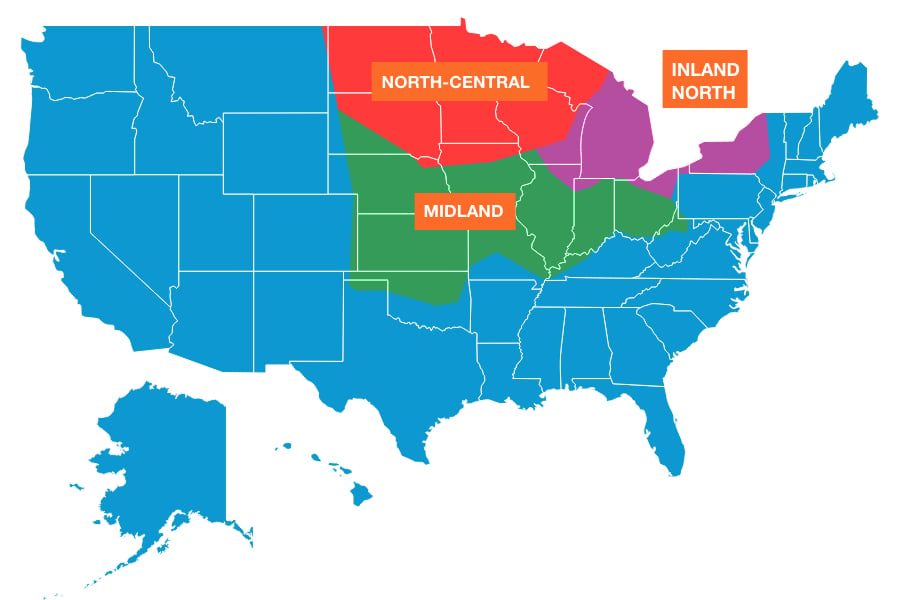
In its early days, Boston was geographically somewhat isolated from other major inland settlements. While it was a bustling port, connecting it to the wider world, its interaction with the developing inland American accents was less profound than one might assume. This relative isolation, combined with its status as a major cultural and economic center for New England, allowed its distinctive speech patterns to solidify and diverge from those emerging in other parts of the United States. Think of it as a linguistic island, where certain speech characteristics were able to thrive and be preserved, while the rest of the continental speech evolved in different directions, adopting rhoticity as the norm. This historical dynamic shaped the Boston Accent into the singular sound it is today.
Immigration Waves
While the accent’s core features solidified early on, subsequent waves of immigration throughout the 19th and 20th centuries added layers of richness and variation, contributing to the nuances heard across the city today. Large influxes of Irish immigrants, particularly following the Great Famine, had a profound impact. Irish English itself has rhotic and non-rhotic variations, and the specific dialects brought by these groups blended with and reinforced existing Bostonian speech patterns. Similarly, significant communities of Italian immigrants in the North End and Portuguese immigrants in areas like East Boston or nearby New Bedford and Fall River introduced new rhythms and phonetic influences. These vibrant cultural mosaics created subtle variations within the broader Boston Accent, making the speech patterns in a neighborhood like the North End distinct from those in South Boston or Cambridge. For visitors, this highlights the diverse heritage of the city, where linguistic traditions intertwine with the unique flavors of each district.
Class and Education
Historically, certain features of the Boston Accent were also subtly influenced by social class and education. While the non-rhotic ‘r’ was initially prestigious, over time, some pronunciations became associated with particular social strata. Institutions like Harvard University and MIT attracted scholars from around the globe, creating a more standardized or educated version of the accent among their faculty and students, often with less pronounced regionalisms. However, today, these class distinctions are far less rigid, and the accent is more broadly distributed across all segments of Boston society, albeit with individual variations. It’s a unifying cultural thread, rather than a divisive one, making it a truly democratic element of Boston’s local culture.
Experiencing the Accent as a Tourist
For the curious traveler, encountering the Boston Accent is an essential part of the cultural tapestry that makes Boston so unique. It’s not just about hearing it; it’s about appreciating the deep history and local identity it represents.
Neighborhood Exploration
The best way to experience the nuances of the Boston Accent is to immerse yourself in the city’s diverse neighborhoods. Take a stroll through the historically Irish-American streets of South Boston, where the accent often has a pronounced lilt. Wander through the North End, Boston’s oldest residential community, and listen to the multi-generational voices that echo the area’s Italian heritage. Or venture across the Charles River to Charlestown, another historic area, where you’ll find that characteristic sound woven into the fabric of daily life. Each area offers a slightly different cadence, a unique twist on the classic Bostonian speech, reflecting its distinct community story.
Engaging with Locals
Don’t be shy! Striking up conversations with locals is the most authentic way to hear the accent in its natural habitat. Order a coffee at a corner shop in Beacon Hill, chat with a vendor at Quincy Market, or ask for directions from a local walking the Freedom Trail. Most Bostonians are proud of their city and its unique heritage, and many will be happy to share their stories. These interactions aren’t just transactional; they are opportunities to experience Boston’s genuine hospitality and its distinctive sound firsthand. You might find yourself saying “wicked” after a few days!
Cultural Immersion Beyond the Streets
To deepen your understanding and appreciation, consider some preparatory or follow-up cultural engagement. Watch Boston-set films like The Departed, Good Will Hunting, or The Town before your trip. While Hollywood portrayals can sometimes be exaggerated, they offer a good introduction to the sound. Read books by Bostonian authors or about local history, such as the Boston Tea Party or the ride of Paul Revere. Understanding the historical and social context behind the accent will enrich your experience of hearing it on the streets. The Boston Accent is not just a collection of sounds; it’s a living testament to the city’s past, a vibrant part of its present, and a fascinating element that adds profound depth to any visitor’s exploration of Boston’s rich local culture. It transforms a simple visit into a truly unforgettable Boston experience.
LifeOutOfTheBox is a participant in the Amazon Services LLC Associates Program, an affiliate advertising program designed to provide a means for sites to earn advertising fees by advertising and linking to Amazon.com. Amazon, the Amazon logo, AmazonSupply, and the AmazonSupply logo are trademarks of Amazon.com, Inc. or its affiliates. As an Amazon Associate we earn affiliate commissions from qualifying purchases.