
Florida, affectionately known as the Sunshine State, beckons millions of visitors each year with its pristine beaches, vibrant cities, world-class attractions, and unique natural landscapes. From the theme park capital of Orlando to the tropical paradise of the Florida Keys, and the luxurious shores of Miami, the state offers an unparalleled diversity of experiences for every type of traveler. However, for all its allure, Florida is also situated in a region prone to tropical storms and hurricanes, particularly during the official hurricane season which runs from June 1st to November 30th.
Understanding where hurricanes typically make landfall and the subsequent impact on specific regions is crucial for anyone planning a trip, considering accommodation options, or simply curious about the state’s geography and resilience. While the mere mention of a hurricane can raise concerns, Florida has developed robust preparedness and recovery mechanisms, and its communities consistently demonstrate remarkable strength in rebuilding and welcoming visitors back. This article delves into the areas most commonly affected by these powerful storms, examines the recovery efforts, and provides essential insights for those looking to explore this beautiful state responsibly and safely. We’ll explore how these natural phenomena shape the tourism landscape, impact local economies, and influence the evolving lifestyle of residents and visitors alike.
Understanding Florida’s Vulnerability: A Look at Past Hurricane Impacts
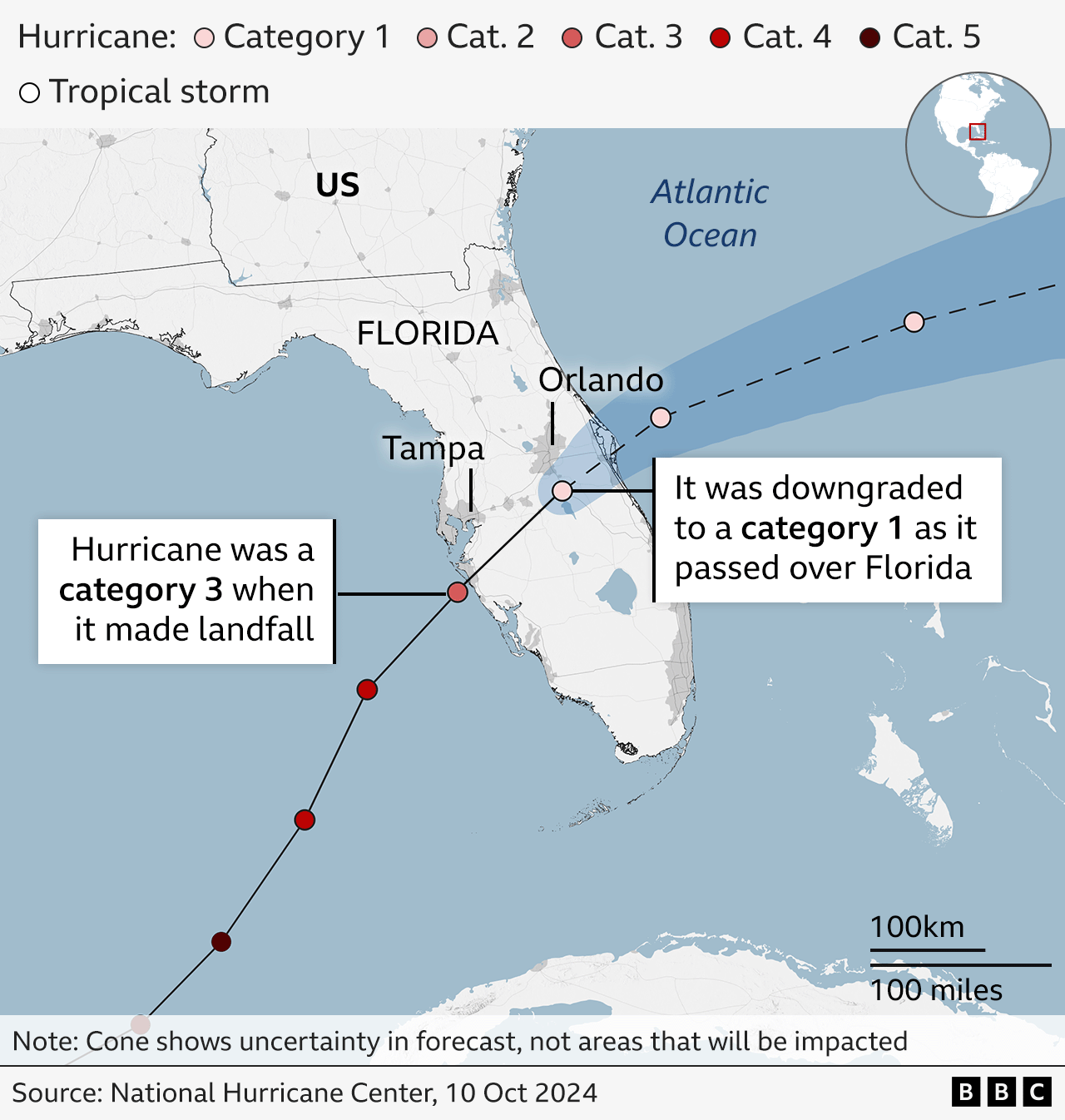
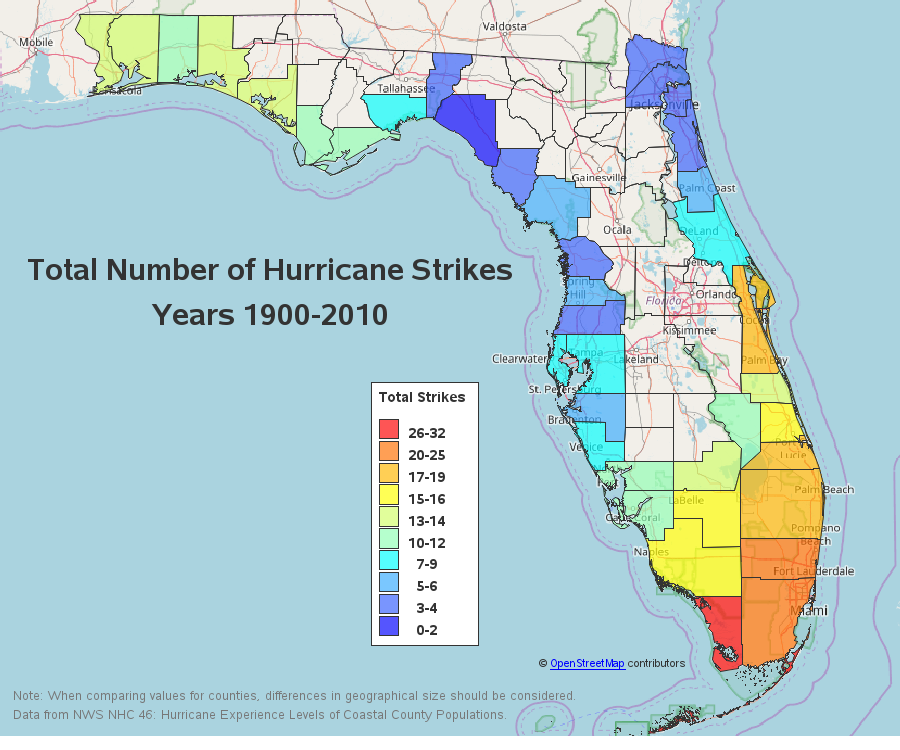
Florida’s extensive coastline, bordering both the Gulf of Mexico and the Atlantic Ocean, makes it inherently vulnerable to hurricanes. These storms typically track either from the Atlantic, often impacting the eastern seaboard, or develop in the Gulf, threatening the western coast and the panhandle. The severity and widespread impact of a hurricane depend on its category, speed, and exact path, often leaving a path of destruction that affects everything from coastal infrastructure and landmarks to local businesses and residential areas.
The Gulf Coast’s Resilience: From Ian to Michael
The Gulf Coast of Florida has, in recent years, borne the brunt of some of the most devastating hurricanes. These storms, often intensifying rapidly over the warm Gulf waters, bring not only destructive winds but also catastrophic storm surge, which can inundate coastal communities.
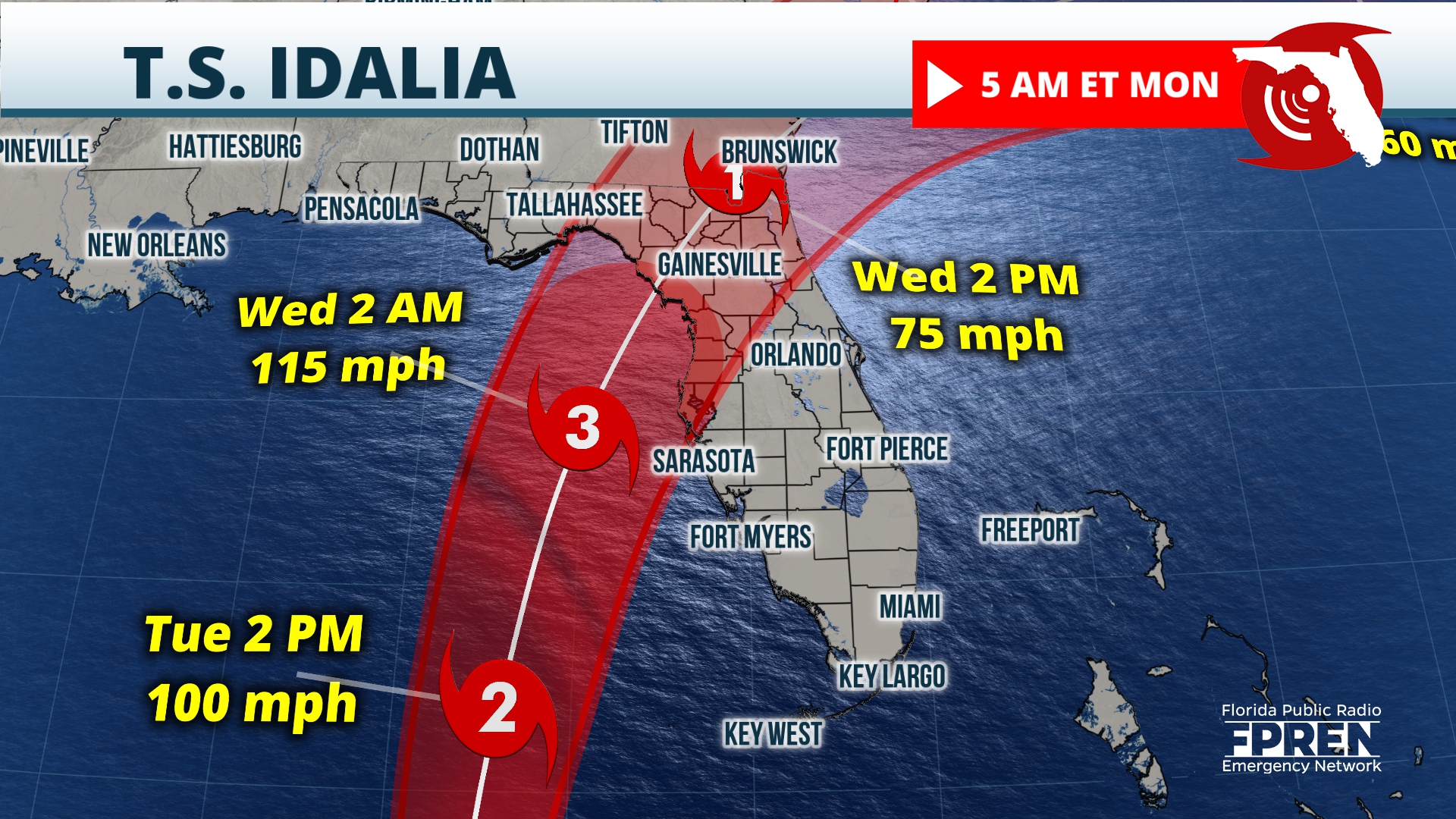
Perhaps one of the most impactful recent storms was Hurricane Ian in September 2022. This powerful Category 4 hurricane made landfall in Southwest Florida, causing widespread devastation. The eye of Ian struck near Cayo Costa in Lee County, but its effects were felt across a broad area. Cities like Fort Myers, Cape Coral, and Naples experienced immense damage from both wind and water. The barrier islands of Sanibel Island and Captiva Island were particularly hard-hit, with their causeways destroyed, rendering them inaccessible for extended periods. These islands, famous for their shell-laden beaches and tranquil resorts like the Sundial Beach Resort & Spa, faced massive rebuilding challenges. Many hotels and resorts in the area, including the Hyatt Regency Coconut Point Resort and Spa in Bonita Springs, sustained significant damage, leading to closures and extensive renovations. The impact on the local tourism industry was profound, as businesses, attractions, and accommodations had to rebuild from the ground up. However, the spirit of these communities has proven strong, with impressive strides made in recovery, attracting visitors back to their beloved beaches and waterfronts.
Further north, the Florida Panhandle has also seen its share of severe storms. Hurricane Michael in 2018 was a Category 5 monster that made landfall near Mexico Beach and Tyndall Air Force Base. The sheer force of Michael leveled entire communities, with cities like Mexico Beach, Port St. Joe, and parts of Panama City experiencing near-total destruction. The storm’s impact extended far inland, demonstrating the widespread reach of these powerful systems. State parks and natural landmarks, such as St. Andrews State Park, were dramatically altered, losing vast swathes of their natural beauty. The recovery in the Panhandle has been a multi-year process, with communities showing incredible perseverance in restoring their homes, businesses, and tourism infrastructure. New hotels, restaurants, and attractions have emerged, signaling a strong return for these popular beach destinations.
The Atlantic Coastline: From Dorian to Matthew
Florida’s Atlantic Coastline is also routinely threatened by hurricanes, especially those that track up from the Caribbean or form off the coast of Africa. While direct landfalls are less frequent for major storms compared to the Gulf, these systems can still bring significant impact, primarily through coastal erosion, strong winds, and heavy rainfall.
Hurricane Matthew in 2016 skirted the Florida coastline, causing significant damage from Palm Beach north to Jacksonville. While the eye remained offshore, the prolonged battering by hurricane-force winds and storm surge led to considerable beach erosion, power outages, and damage to coastal properties. Historic St. Augustine, with its ancient landmarks like the Castillo de San Marcos, experienced severe flooding in its downtown area, highlighting the vulnerability of low-lying historic districts.
Similarly, Hurricane Dorian in 2019, though primarily impacting the Bahamas, stalled off the Florida coast, bringing prolonged periods of strong winds and storm surge to areas like Fort Lauderdale, West Palm Beach, and Cocoa Beach. While it avoided a direct hit, the disruption to travel plans and the precautionary measures taken by residents and tourism businesses underscored the constant threat posed by these storms. Major resorts along this stretch, such as The Breakers Palm Beach, have extensive hurricane preparedness plans to ensure the safety of their guests and the integrity of their properties, showcasing the industry’s commitment to resilience. The vibrant lifestyle and diverse attractions of cities like Miami, with its world-renowned Art Deco Historic District, typically bounce back swiftly from such close calls.
Central Florida’s Inland Reach: Disney World and Beyond
Even Central Florida, which is inland and less susceptible to storm surge, can feel the significant effects of hurricanes. When a major hurricane makes landfall on either coast, its heavy rainfall and high winds often extend hundreds of miles inland. This region, home to major theme parks like Walt Disney World Resort, Universal Orlando Resort, and SeaWorld Orlando, becomes vulnerable to flooding, power outages, and localized damage.
For example, both Hurricane Ian in 2022 and Hurricane Irma in 2017 brought significant rainfall and tropical storm to hurricane-force winds to the Orlando area, leading to temporary closures of theme parks and other attractions. While these closures are inconvenient for visitors, they are a testament to the proactive safety measures taken by these major resorts to protect their guests and staff. The vast infrastructure of Walt Disney World Resort, for instance, includes extensive drainage systems and emergency preparedness teams, allowing for quick recovery once a storm passes. Visitors staying in Orlando often choose hotels or apartments that offer robust amenities and contingency plans, reinforcing the importance of informed booking decisions. The robust tourism ecosystem of Central Florida means that while temporary disruptions occur, the area typically recovers swiftly, minimizing long-term impact on its popularity as a premier travel destination.
Navigating Florida’s Recovery and Planning Your Visit
Despite the recurrent threat of hurricanes, Florida’s resolve and commitment to its tourism industry remain unwavering. The rapid response and recovery efforts are a testament to the resilience of its communities and the state’s strategic planning. For travelers, understanding these dynamics is key to planning a safe, enjoyable, and impactful visit.
The Spirit of Resilience: Communities Rebuilding
Across Florida, the aftermath of a hurricane invariably showcases an inspiring spirit of resilience. Local communities, businesses, and government agencies mobilize quickly to clear debris, restore infrastructure, and rebuild affected areas. The Florida tourism industry, a cornerstone of the state’s economy, plays a vital role in these recovery efforts. Organizations like Visit Florida work tirelessly to provide up-to-date information on the status of destinations and encourage visitors to return when it is safe to do so.
Supporting these areas through travel is one of the most effective ways to contribute to their economic recovery. When you choose to stay in a renovated hotel, dine at a local restaurant, or visit a reopened attraction in a previously impacted area, you are directly helping these communities get back on their feet. The long-term recovery of places like Fort Myers Beach, Sanibel Island, and Mexico Beach hinges on the continued support of visitors who appreciate their unique charm and enduring beauty. Many resorts and accommodation providers often offer special packages to entice visitors back, highlighting their renewed facilities and the welcoming nature of the local populace.
Travel Smarter: Essential Tips for Visiting During Hurricane Season
For those planning to visit Florida, especially during the hurricane season (June to November), intelligent preparation is paramount. While September and October are statistically the most active months, a hurricane can develop at any time during the season.
- Best Time to Visit: To minimize hurricane risk, consider visiting Florida during the spring (March to May) or late fall/early winter (December to February). These months offer pleasant weather and are outside the peak hurricane period.
- Invest in Travel Insurance: This is perhaps the most crucial tip. Comprehensive travel insurance can protect your investment by covering unforeseen events like trip cancellations, delays, or medical emergencies due to a hurricane. Ensure your policy specifically covers weather-related disruptions.
- Monitor Weather Forecasts: Stay informed by regularly checking reputable sources like the National Hurricane Center (NHC) or local news outlets. If a storm is developing, follow official advisories from county emergency management services.
- Flexible Booking Policies: When making reservations for hotels, flights, or other accommodations, inquire about their hurricane cancellation or rebooking policies. Many resorts offer more lenient policies during hurricane season.
- Choose Resilient Accommodations: Opt for hotels, villas, or apartments that are known for robust construction and comprehensive emergency plans. Larger hotel chains often have centralized protocols for guest safety.
- Have an Evacuation Plan: Familiarize yourself with local evacuation routes and shelter information, especially if staying in a coastal area.
- Stay Informed Locally: Once in Florida, pay attention to local advisories and follow instructions from emergency services. This might include recommendations for conserving resources or preparing for potential impacts.
By taking these precautions, you can significantly mitigate risks and enjoy your Florida vacation with greater peace of mind, even during hurricane season.
Florida’s Enduring Allure: Why the Sunshine State Remains a Top Destination
Despite the occasional challenges posed by hurricanes, Florida’s magnetic appeal as a global travel destination endures. The state’s natural beauty, vibrant culture, and diverse attractions continue to draw visitors year after year, reinforcing its position as a top choice for holidays.
Beyond the Storms: Celebrating Florida’s Diverse Offerings
Florida offers an incredible array of experiences that extend far beyond its hurricane-prone coastlines. The state’s geographical diversity ensures there’s always an alternative or a new adventure to discover.
The iconic Florida Keys, stretching from Key Largo to Key West, offer a unique island lifestyle with world-class fishing, diving, and a laid-back atmosphere. While vulnerable to storms, their recovery efforts are swift, and their unique charm remains undiminished. On the west coast, cities like Sarasota boast stunning beaches, a thriving arts scene, and cultural landmarks like the Ringling Museum of Art. Nearby, St. Petersburg has transformed into a cultural hub with vibrant murals, galleries, and the famous Dalí Museum.
For nature enthusiasts, the vast wilderness of Everglades National Park provides an unparalleled opportunity to explore unique ecosystems and wildlife. The natural springs of North Florida, like those in Gainesville, offer crystal-clear waters perfect for swimming, snorkeling, and diving. And the historic charm of St. Augustine, the nation’s oldest continuously inhabited European-established settlement, provides a fascinating journey through time.
Whether you’re seeking a luxury travel experience at a five-star resort in Palm Beach, a budget travel family trip to the theme parks of Orlando, or a serene escape to a barrier island like Anna Maria Island, Florida’s diverse offerings cater to every preference. The state’s commitment to maintaining its natural beauty and enhancing its cultural richness ensures that there are always new destinations and experiences to explore, well beyond the immediate impacts of any storm.
Future-Proofing Tourism: Innovation and Sustainability
Florida’s tourism industry is constantly evolving, with a growing focus on innovation and sustainability to mitigate future hurricane impacts and ensure the long-term viability of its destinations. This includes investments in resilient infrastructure, stricter building codes for new hotels and resorts, and ongoing environmental conservation efforts.
Efforts to restore and protect coastal ecosystems, such as dunes and mangroves, are crucial as they provide natural barriers against storm surge and erosion. Many accommodation providers are adopting sustainable practices, from energy efficiency to water conservation, and contributing to local restoration projects. The continuous improvement in forecasting technology and early warning systems also allows for better preparedness, minimizing human and economic losses. Florida is not just recovering; it is adapting, innovating, and building a more resilient future for its vibrant tourism sector. This forward-thinking approach ensures that the state will continue to offer world-class travel and tourism experiences for generations to come.
In conclusion, while hurricanes are an undeniable aspect of Florida’s climate, they are a force the state has learned to live with, prepare for, and recover from with remarkable tenacity. Understanding where these storms typically hit—from the Southwest Florida coast and the Panhandle to the Atlantic coastline and even inland Central Florida—empowers travelers to make informed decisions. Florida’s unwavering spirit, its proactive recovery efforts, and its commitment to a sustainable future mean that the Sunshine State remains a premier destination offering unparalleled experiences. With responsible planning and an appreciation for its resilient communities, visitors can continue to enjoy the magic of Florida, confident in its ability to shine, come rain or shine.
LifeOutOfTheBox is a participant in the Amazon Services LLC Associates Program, an affiliate advertising program designed to provide a means for sites to earn advertising fees by advertising and linking to Amazon.com. Amazon, the Amazon logo, AmazonSupply, and the AmazonSupply logo are trademarks of Amazon.com, Inc. or its affiliates. As an Amazon Associate we earn affiliate commissions from qualifying purchases.