
Florida, often lauded as the Sunshine State, is a beacon for travelers seeking pristine beaches, vibrant cities, and world-class attractions. From the theme park capital of Orlando to the bustling metropolis of Miami, and the tranquil shores of the Gulf Coast, its diverse landscapes offer an unparalleled array of experiences. However, Florida’s geographic position, jutting into the warm waters of the Atlantic Ocean and the Gulf of Mexico, also places it squarely in the path of tropical cyclones during hurricane season, which typically runs from June 1st to November 30th. For both residents and prospective tourists, understanding where hurricanes have historically made landfall and their subsequent impact is crucial for travel planning, safety, and appreciating the resilience of its communities. This article delves into the areas of Florida most frequently affected by these powerful storms, highlighting the recovery efforts and what travelers can expect.
Florida’s Vulnerability and Historical Hurricane Landfalls
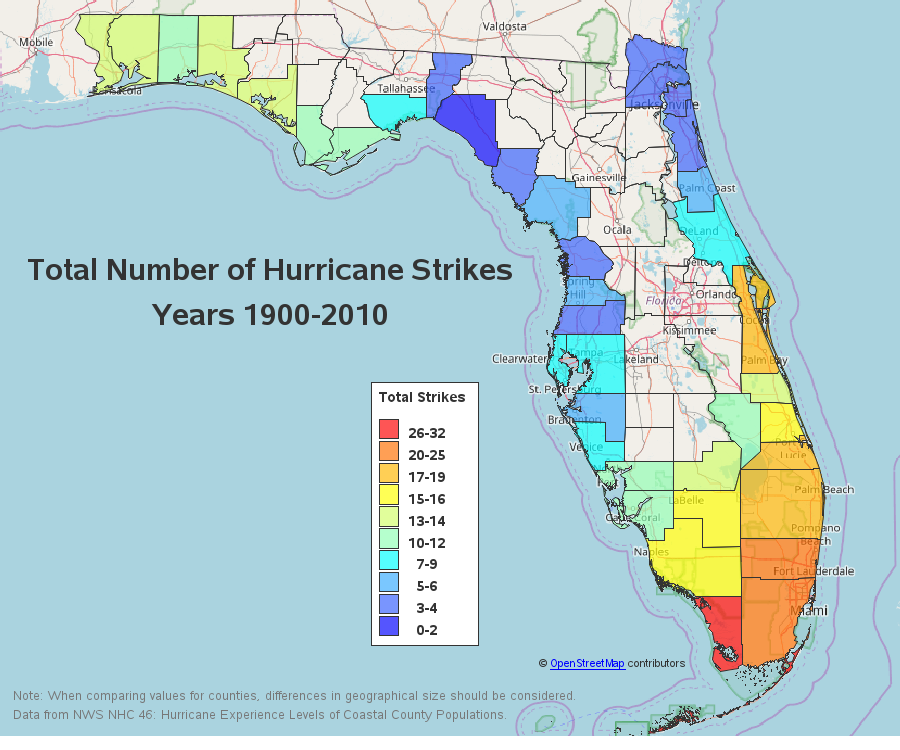
Florida’s extensive coastline and low elevation make it particularly susceptible to the destructive forces of hurricanes. The state has experienced numerous direct hits and significant impacts from these storms throughout its history, each leaving an indelible mark on its landscape and people. Understanding the patterns of these events provides valuable context for anyone considering a visit.
Geographic Exposure and Climate Factors
The peninsula of Florida is essentially surrounded by warm oceanic waters, which are the primary fuel source for hurricanes. As the waters heat up during the summer months, they create ideal conditions for tropical disturbances to form and intensify. Both the Atlantic Ocean and the Gulf of Mexico act as breeding grounds, meaning that different parts of Florida are vulnerable depending on the storm’s origin and track. The flat topography of much of the state also makes it prone to widespread flooding, both from torrential rainfall and storm surge, which can inundate coastal areas, affecting everything from beachfront hotels to popular tourist attractions and crucial infrastructure.
A Legacy of Resilience: Noteworthy Hurricanes and Their Paths
Florida has a long history of grappling with hurricanes, dating back centuries. In more recent memory, several storms stand out for their profound impact. Hurricane Andrew in 1992 devastated South Florida, particularly areas like Homestead and Florida City, showcasing the immense power of a Category 5 storm. The 2004 hurricane season was particularly active, with storms like Hurricane Charley, Hurricane Frances, Hurricane Ivan, and Hurricane Jeanne making multiple landfalls and crossing the state, affecting various regions from the southwest coast to the Florida Panhandle and the Atlantic coast. Later, Hurricane Wilma in 2005, Hurricane Irma in 2017, Hurricane Michael in 2018, and most recently Hurricane Ian in 2022, have each carved their own paths of destruction and subsequent recovery, providing important lessons for future preparedness and showcasing the unwavering spirit of Florida’s communities.
Major Hurricane Landfalls and Regional Impacts
While no part of Florida is entirely immune to hurricane threats, certain regions have historically borne the brunt of direct landfalls. These areas often experience the most significant damage to infrastructure, natural landscapes, and the tourism industry, but also demonstrate remarkable resilience in their recovery efforts.
Southwest Florida’s Resilience: The Case of Hurricane Ian
One of the most impactful recent landfalls occurred in Southwest Florida with Hurricane Ian in September 2022. This powerful Category 4 storm made a direct hit near Cayo Costa, devastating popular coastal communities. The cities of Fort Myers and Cape Coral experienced catastrophic storm surge and widespread flooding, impacting homes, businesses, and essential services. The barrier islands of Sanibel Island and Captiva Island, renowned for their pristine beaches, shelling opportunities, and charming boutique hotels, were particularly hard hit, with sections of the Sanibel Causeway washed away. Further south, Naples, known for its luxury resorts, upscale shopping, and beautiful pier, also suffered significant flooding and damage, though its robust infrastructure aided in a quicker initial response. North of the landfall point, areas like Port Charlotte and Punta Gorda faced immense wind damage and inland flooding.
In the aftermath, the focus quickly shifted to recovery and rebuilding. Many iconic beachfront resorts and hotels, such as the Hyatt Regency Coconut Point Resort & Spa or smaller independent accommodations across Fort Myers Beach, undertook extensive renovations. The rebuilding of the Sanibel Causeway was a monumental effort, restoring vital access to the islands and allowing their unique ecosystems and tourist offerings to begin their journey back to full vitality. Travelers interested in supporting recovery can find numerous attractions, local restaurants, and ecotourism experiences now open, offering a chance to witness the incredible resilience of this community while enjoying the region’s natural beauty. Many long-term stay options and vacation rentals have also been restored, providing ample accommodation choices.
Panhandle’s Challenges: Remembering Hurricane Michael
The Florida Panhandle is another region historically vulnerable to intense hurricanes, particularly those that rapidly intensify in the warm waters of the Gulf of Mexico. Hurricane Michael in October 2018 stands out as one of the most powerful storms to ever hit the United States mainland, making landfall as a Category 5 hurricane near Mexico Beach. The destruction in Mexico Beach, Port St. Joe, and Panama City was catastrophic, with entire communities leveled by extreme winds and storm surge. The critical Tyndall Air Force Base also sustained immense damage.
The Panhandle is known for its “Emerald Coast,” characterized by stunning white-sand beaches, emerald-green waters, and a more laid-back, family-friendly tourism vibe compared to other parts of Florida. Landmarks like St. Andrews State Park in Panama City Beach, famous for its pristine beaches, camping, and snorkeling, were severely impacted. The recovery process has been extensive and ongoing for years, with significant investment in rebuilding infrastructure, homes, and businesses. Today, much of the Panhandle has made remarkable strides. Resorts and hotels, from the luxurious Hyatt Place Panama City Beach to independent vacation rentals, are open and welcoming guests. The local culture, rich with fresh seafood and outdoor activities like deep-sea fishing and dolphin tours, is thriving once again. Visitors can enjoy attractions like Pier Park in Panama City Beach, which quickly reopened and expanded, symbolizing the region’s determination to bounce back.
Southeast and Central Florida: Broader Impacts and Quick Recovery
While direct landfalls of major hurricanes often target the Gulf Coast or the Panhandle, Southeast and Central Florida are by no means immune to hurricane impacts. These regions, including major cities like Miami, Fort Lauderdale, West Palm Beach, Orlando, and Tampa, frequently experience heavy rainfall, strong winds, and localized flooding even from storms making landfall hundreds of miles away. Hurricane Irma in 2017, for instance, tracked up the entire state, affecting nearly every county with hurricane-force winds in some areas, and significant rainfall and power outages across vast stretches.
The tourism infrastructure in these areas is incredibly robust. Orlando, home to global attractions like Walt Disney World Resort, Universal Orlando Resort, and SeaWorld Orlando, has highly developed hurricane preparedness plans. Theme parks typically close for a day or two during a direct threat and reopen quickly once the storm passes and safety checks are completed. Hotels, from budget-friendly accommodations near the parks to luxury suites at the Ritz-Carlton Orlando, Grande Lakes, are built to withstand hurricane-force winds and often serve as shelters or provide safe havens for guests.
Miami and Fort Lauderdale, with their iconic South Beach, vibrant Art Deco Historic District, and bustling cruise ports, are well-versed in hurricane preparations. While these areas can experience significant storm surge and wind damage, particularly in older buildings or vulnerable coastal zones, the modern high-rise hotels and resorts are constructed to stringent building codes. Post-storm recovery is typically swift, with a focus on restoring power, clearing debris, and resuming normal tourism operations. Even in the Florida Keys, stretching down to Key West, which are highly exposed, communities have developed sophisticated evacuation and recovery protocols, often bouncing back with remarkable speed, preserving their unique island lifestyle and attractions like the Ernest Hemingway Home and Museum.
Planning Your Florida Trip: Hurricane Preparedness for Travelers
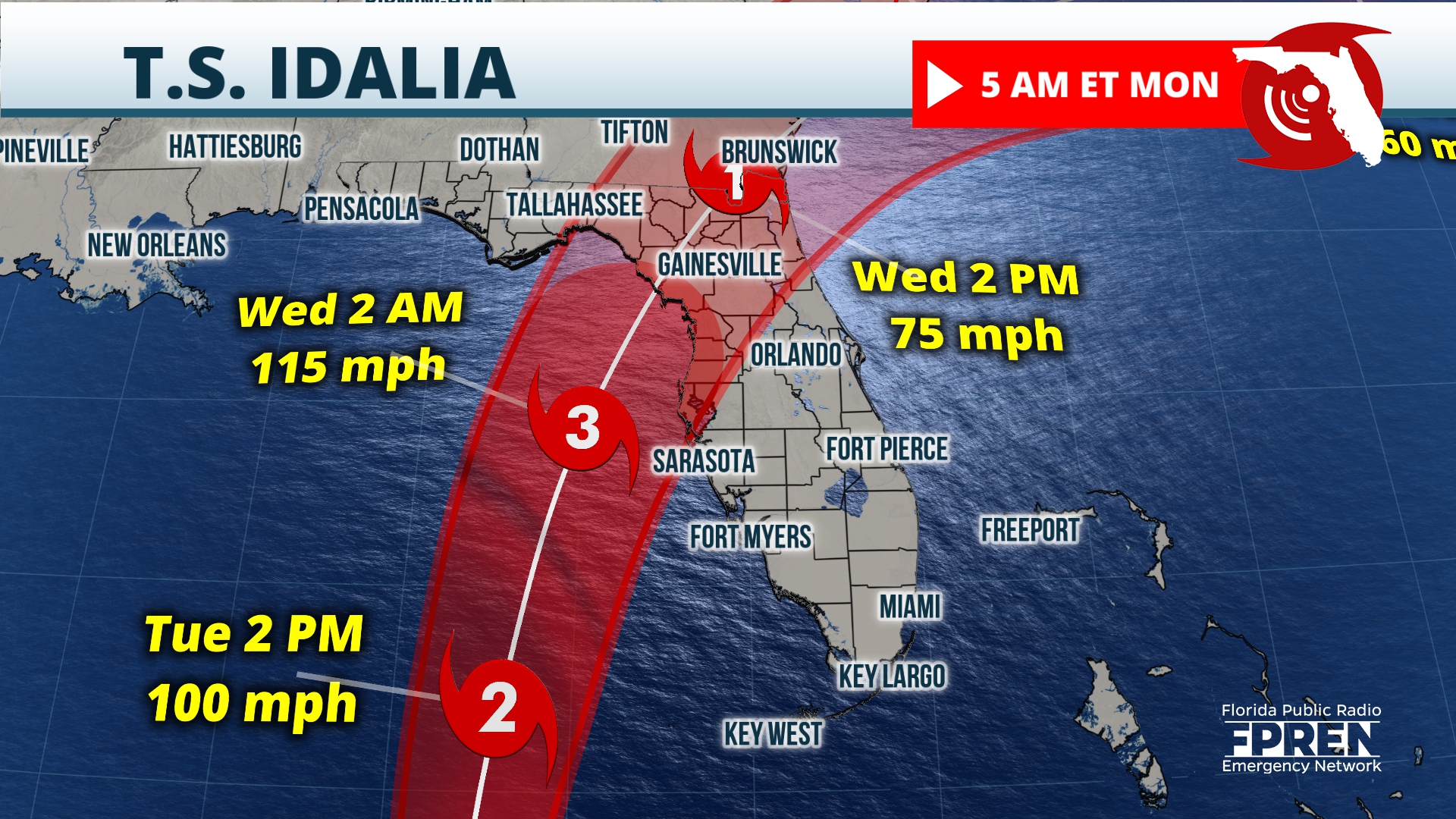
Visiting Florida during hurricane season is a common occurrence, and with proper planning, it can be just as enjoyable as any other time of year. However, it’s essential to integrate hurricane preparedness into your travel itinerary to ensure a safe and stress-free experience.
Best Time to Visit and Travel Insurance Considerations
While hurricane season technically runs for six months, the peak activity typically occurs from mid-August through October. Visiting outside of this window, particularly from December to May, generally offers the lowest risk of hurricane encounters, along with pleasant weather. However, if your travel plans fall within hurricane season, consider purchasing comprehensive travel insurance. A robust policy should cover trip cancellation or interruption due to weather events, emergency medical expenses, and even evacuation costs. Carefully review the terms and conditions, especially regarding “named storms” or “pre-existing conditions” (of the storm, not your health), to ensure you understand what is covered. Many resorts and airlines also offer “hurricane guarantees” or flexible rebooking options during these months, so it’s worth checking with your specific providers.
Staying Informed and Flexible Accommodation Choices
Staying informed is paramount. Before and during your trip, regularly monitor weather forecasts from reliable sources like the National Hurricane Center (NHC) and local news outlets. Sign up for weather alerts for your destination. When booking accommodation, opt for hotels, resorts, or vacation rentals with flexible cancellation policies. Many major hotel chains like Marriott, Hilton, or IHG typically have clear guidelines for cancellations or changes due to severe weather. Researching a property’s construction and emergency procedures can also add peace of mind. For example, some hotels in vulnerable coastal areas are built with reinforced structures or have backup generators. Consider booking flights with airlines that offer waivers for changes during hurricane threats, or those that allow easy rebooking with minimal fees. Having a contingency plan for alternative destinations or flexible dates can make a significant difference.
Supporting Recovery Through Mindful Tourism
One of the most impactful ways travelers can contribute to Florida’s ongoing resilience is by actively supporting the communities that have been impacted by hurricanes. Choosing to visit areas like Southwest Florida or the Panhandle post-recovery helps inject vital funds into local economies. Stay at local hotels, dine at family-owned restaurants, book tours with local operators, and purchase goods from small businesses. Many areas have remarkable stories of recovery and rebuilding, and witnessing this firsthand can be an inspiring part of your travel experience. Exploring natural landmarks such as the newly restored beaches of Sanibel or the vibrant marine life returning to protected areas demonstrates solidarity and directly aids in the economic resurgence of these beautiful destinations. Your visit becomes more than just a trip; it becomes an act of support for the enduring spirit of Florida.
In conclusion, while hurricanes are an undeniable aspect of Florida’s climate, they do not diminish its allure as a premier travel destination. By understanding the historical impact zones, appreciating the incredible recovery efforts, and adopting a proactive approach to travel planning and insurance, visitors can safely and enjoyably experience all that the Sunshine State has to offer. From the theme park magic of Orlando to the shell-strewn beaches of the Gulf Coast and the vibrant cultural tapestry of Miami, Florida continues to welcome millions of tourists annually, a testament to its beauty, resilience, and the enduring charm of its diverse regions.
