
The vast expanse of Texas is a land of legendary landscapes, rich history, and vibrant culture. From the rolling plains of the Panhandle to the sun-drenched shores of the Gulf Coast, this iconic American state beckons travelers with its diverse attractions. But before one can explore the Alamo or savor authentic Tex-Mex cuisine, a fundamental question arises: where did the very name, Texas, originate? Understanding the etymology of this renowned state offers a fascinating glimpse into its foundational interactions and enduring identity.
The Caddoan Roots of “Texas”
The name Texas is not a word of Spanish or English origin, but rather a linguistic legacy left by the indigenous peoples who inhabited the region long before European arrival. Specifically, the name derives from a word within the Caddoan language family, spoken by the Caddo confederacy. The Caddo were a prominent group of Native American tribes who established complex societies across what is now eastern Texas, western Louisiana, southwestern Arkansas, and southeastern Oklahoma.
“Tejas” and the Meaning of Friendship
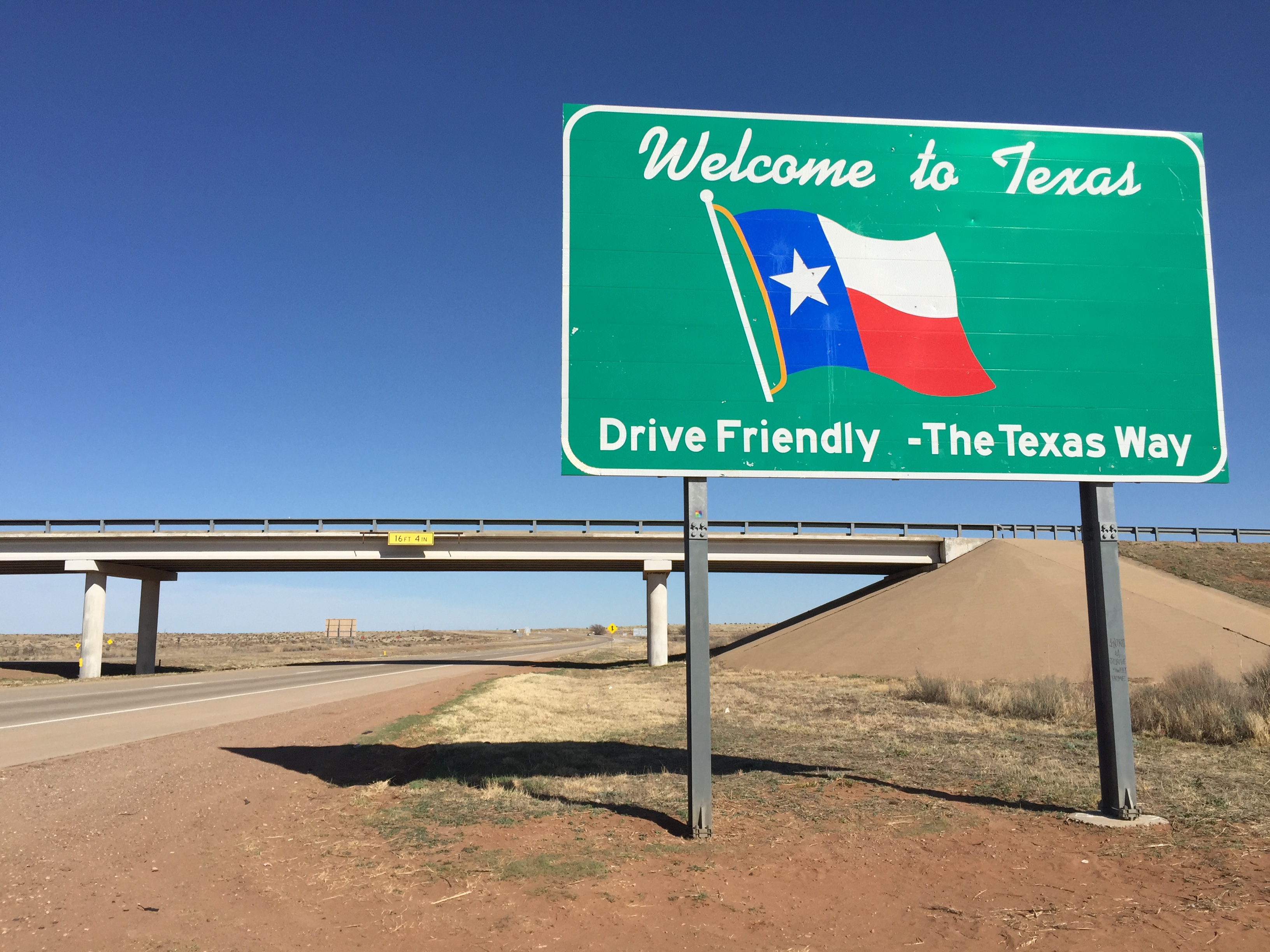
The specific Caddoan term that gave rise to the name Texas is believed to be “táysha” or a similar variation. This word, within the Hasinai dialect of the Caddo, meant “friend” or “ally.” When Spanish explorers and missionaries first encountered these tribes in the late 17th century, they were struck by the friendly and welcoming disposition of the Caddo people. In their attempts to communicate and establish relations, the Spanish adopted and adapted the term.
The Spanish rendered the Caddo word as “Tejas” (pronounced “TEH-has”). This transliteration became the common designation for the indigenous people and, subsequently, for the territory they inhabited. The Spanish missions established in the region, such as the Mission San Francisco de los Tejas (founded in 1690), further cemented “Tejas” as the geographical identifier. The very act of naming the land after the concept of friendship speaks volumes about the initial interactions between the Caddo and the arriving Europeans, setting a perhaps aspirational tone for the future of the region.
The Spanish Influence and Evolution of the Name

The Spanish colonial period was instrumental in shaping the identity and nomenclature of the region. As Spain expanded its influence and established a presence in North America, the territory that would eventually become Texas was known by various names, including “Nuevo Santander” and “Provincias Internas de Oriente.” However, the familiar term “Tejas” persisted, rooted in its indigenous origins and the establishment of Spanish missions.
From “Tejas” to “Texas”
The transition from “Tejas” to the modern spelling “Texas” is a natural evolution of language and a reflection of anglicization as English-speaking settlers began to arrive in greater numbers. The “j” in Spanish often produces a sound similar to the English “h” or “y,” and as the name was adopted into English, the spelling shifted to reflect its pronunciation. Over time, the “j” was replaced by an “x,” resulting in the familiar “Texas” we use today. This linguistic shift mirrors the broader demographic and cultural changes that would eventually lead to the Republic of Texas and its eventual statehood within the United States of America.
The enduring legacy of the Caddo people is thus embedded in the very name of the state, a constant reminder of the land’s original inhabitants and the foundational concept of friendship that played a role in its early naming. This historical resonance adds a layer of depth to any visit to the Lone Star State, encouraging an appreciation for the deep roots that nourish its present-day identity.
Exploring the Legacy of the Name
The name Texas is more than just a label; it’s a historical marker that tells a story of cultural encounters, linguistic adaptations, and the formation of a distinct regional identity. For travelers, understanding this etymology enriches the experience of visiting various landmarks and engaging with the local culture.
The “Lone Star State” and its Indigenous Heritage
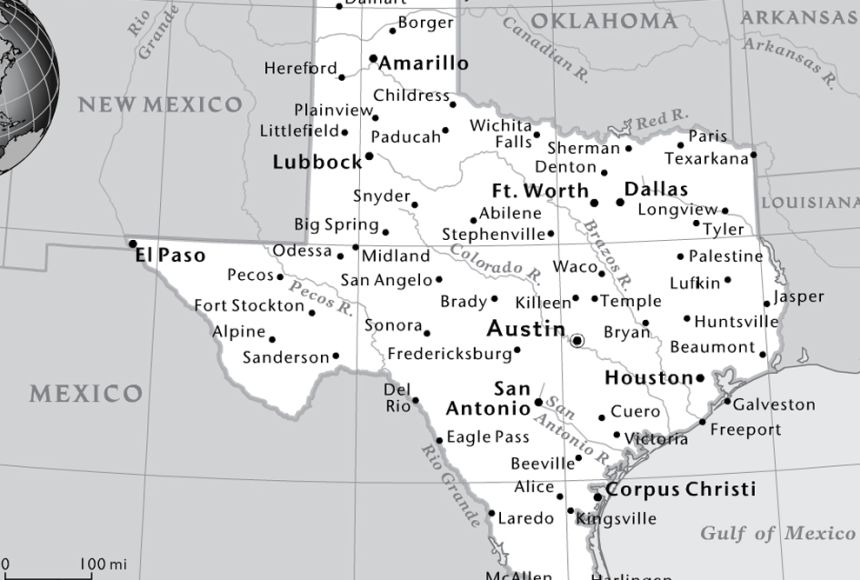
While Texas is famously known as the “Lone Star State,” a moniker adopted during its time as an independent republic, its original name carries a different, yet equally significant, meaning. The Caddoan word for “friend” underscores a fundamental aspect of human interaction that underpins the development of any society. It speaks to the importance of relationships, alliances, and mutual understanding – concepts that were vital for survival and prosperity for the indigenous peoples and later for the diverse groups who settled the region.
When exploring cities like San Antonio, with its rich Spanish colonial past, or visiting the historical sites that dot the landscape, remembering the origin of the name “Texas” adds a profound dimension. It encourages us to look beyond the surface and appreciate the layers of history that have shaped this remarkable destination. From the architectural grandeur of San Antonio Missions National Historical Park to the vast ranches of West Texas, the spirit of connection, originally symbolized by “Tejas,” continues to resonate. The name serves as an enduring testament to the Caddo people and their welcoming spirit, a foundational element in the grand narrative of Texas.
LifeOutOfTheBox is a participant in the Amazon Services LLC Associates Program, an affiliate advertising program designed to provide a means for sites to earn advertising fees by advertising and linking to Amazon.com. Amazon, the Amazon logo, AmazonSupply, and the AmazonSupply logo are trademarks of Amazon.com, Inc. or its affiliates. As an Amazon Associate we earn affiliate commissions from qualifying purchases.