
Navigating the official requirements for establishing your identity and residency in a new place can sometimes feel like embarking on a complex journey. While the allure of Texas—its vast landscapes, vibrant cities, and rich cultural tapestry—draws many, understanding the practicalities, such as obtaining a Texas ID card, is a crucial step for residents and long-term visitors alike. This guide aims to demystify the process, offering a clear path to acquiring this essential document, and integrating it seamlessly with your Texas travel and lifestyle experiences.
For anyone planning an extended stay, considering a move, or simply engaging deeply with the Texas experience beyond a fleeting visit, a state-issued identification card is indispensable. It serves as a vital form of identification for a multitude of purposes, from opening bank accounts and accessing healthcare to, in some cases, fulfilling the requirements for certain types of local tourism and activities. This document is your key to unlocking a more integrated and convenient life within the Lone Star State, ensuring you can fully appreciate everything from the bustling streets of Austin to the historic charm of San Antonio and the expansive beauty of Big Bend National Park.
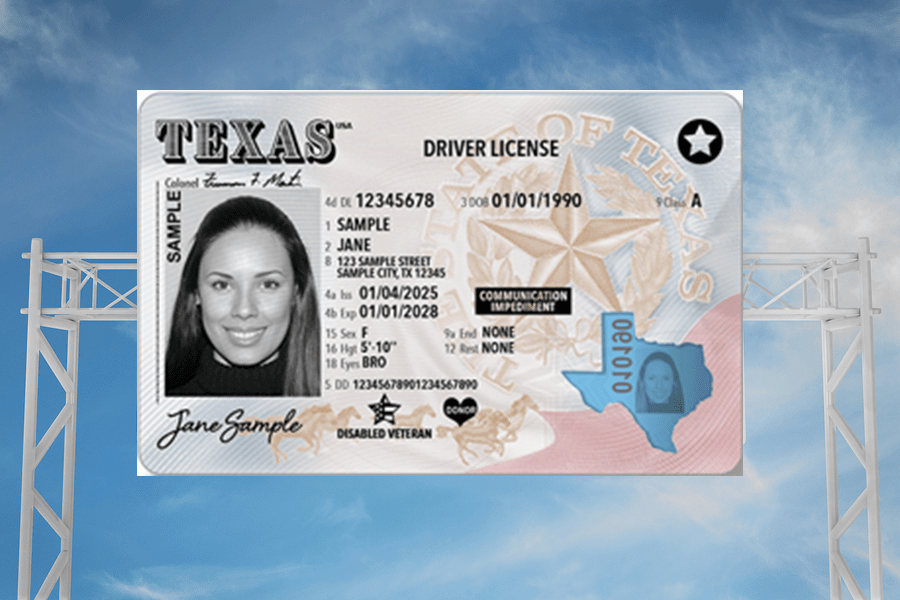
The process for obtaining a Texas ID card is managed by the Texas Department of Public Safety (DPS). While the primary purpose of an ID card is identification, it also plays a subtle role in how you can interact with certain aspects of Texas tourism and lifestyle. For instance, some local tours or accommodations might require valid government-issued ID for booking or check-in. Therefore, understanding where to get your Texas ID card is not just about administrative necessity; it’s about facilitating your deeper engagement with the state’s offerings.
Understanding the Texas ID Card and Its Importance
The Texas ID card, officially known as a Texas Driver License or Texas Identification Certificate, is a primary form of identification issued by the state. While many people associate identification cards primarily with driving, a non-driver ID card serves the exact same purpose for identification purposes. It is a crucial document for verifying your identity, age, and residency within Texas.
Who Needs a Texas ID Card?
The need for a Texas ID card extends beyond new residents. It is essential for:
- New Residents: If you move to Texas, you will eventually need to obtain a Texas Driver License if you plan to drive, or a Texas Identification Certificate if you do not. This is a legal requirement within a specified timeframe after establishing residency.
- Students: College students attending universities in Texas, such as the University of Texas at Austin or Texas A&M University, may find a Texas ID card beneficial for accessing campus facilities, participating in certain student activities, or establishing local residency for various services.
- Temporary Residents and Visitors: Individuals staying in Texas for extended periods, perhaps for work assignments or long-term travel, might opt for a Texas ID card to simplify daily transactions and interactions. This can be particularly useful when exploring local attractions or staying in various accommodations across the state.
- Individuals Without a Driver’s License: For those who do not drive or are unable to obtain a Texas Driver License, a Texas Identification Certificate provides a fundamental form of government-issued identification. This is critical for many everyday activities.
- Age Verification: The ID card is essential for proving your age, whether for purchasing age-restricted items, entering certain establishments, or accessing age-specific events and attractions throughout Texas.
Benefits of Having a Texas ID Card
Beyond the legal mandate for new residents, a Texas ID card offers numerous practical benefits that can enhance your experience of living in or visiting Texas:
- Access to Services: Many essential services, such as opening a bank account, applying for certain jobs, or accessing state and federal benefits, require a valid government-issued ID.
- Travel and Accommodation: When booking hotels in cities like Dallas or Houston, or even a secluded resort in the Texas Hill Country, a valid ID is often required at check-in. Similarly, some guided tours or adventure experiences, particularly those involving age restrictions or requiring a waiver, will necessitate this form of identification.
- Financial Transactions: Conducting financial transactions, including cashing checks or making significant purchases, often requires a valid photo ID.
- Voting: While specific requirements apply, a Texas Driver License or ID card can be used as a form of identification to vote in Texas elections.
- Proof of Identity for Law Enforcement: In situations requiring identification, such as traffic stops or interactions with law enforcement, a Texas ID card is the standard document to present.
- Enjoying Texas Culture and Lifestyle: From visiting historical landmarks like the Alamo in San Antonio to enjoying the vibrant food scene in Austin, having a Texas ID card smooths out many practical aspects of experiencing the local culture and lifestyle. It allows for a more seamless integration, whether you are a seasoned resident or a curious traveler exploring the diverse attractions of Texas.
The Application Process: What You Need and Where to Go
Securing your Texas ID card involves a straightforward but detailed application process. The Texas Department of Public Safety (DPS) oversees issuing these identification documents, and understanding the requirements beforehand will make your visit to a Texas DPS office much smoother.
Gathering Necessary Documentation

To apply for a Texas ID card, you will need to present specific documents to prove your identity, citizenship or lawful presence in the United States, and Texas residency. The DPS has strict guidelines on what is acceptable, and it is crucial to have these documents ready:
- Proof of Identity: This typically includes documents like your birth certificate, a valid U.S. Passport, or a valid Permanent Resident Card.
- Proof of Citizenship or Lawful Presence: This can be your birth certificate, a U.S. Passport, a Certificate of Citizenship, or a Naturalization Certificate. For non-U.S. citizens, a valid foreign passport with an I-94 form and visa, or an employment authorization document, may be required.
- Proof of Social Security Number: Your Social Security card is the most common document, but other forms may be accepted.
- Proof of Texas Residency: You will need to provide at least two documents that show you live in Texas. Examples include a utility bill, a lease agreement, a mortgage statement, or a bank statement. These documents must list your Texas address and be recent.
It is highly recommended to visit the official Texas Department of Public Safety website to review the most current list of acceptable documents, as requirements can change. They often provide a helpful checklist to ensure you have everything you need.
Choosing the Right Texas DPS Location
The application for a Texas ID card is processed at Texas Driver License offices, also known as Texas DPS or DPS offices. These offices are spread throughout the state, ensuring accessibility for residents in both major urban centers and more rural areas.
- Locating a DPS Office: You can find the nearest DPS office by using the online locator tool on the Texas Department of Public Safety website. This tool allows you to search by city, county, or zip code. When planning your visit, consider the office’s operating hours, as they can vary.
- Appointments vs. Walk-ins: While some DPS offices may accommodate walk-in customers, it is often advisable to schedule an appointment in advance, especially if you are applying in a large city like Houston, Dallas, or San Antonio. Appointments can significantly reduce your wait time. The DPS website usually provides information on how to book an appointment.
- The Application Day: On the day of your appointment or visit, arrive a little early to complete any necessary forms. You will have your photograph taken, provide your fingerprints, and submit your supporting documents. The fee for the ID card can vary, so be prepared to pay with cash, check, or a credit/debit card, depending on the office’s accepted payment methods.
Once your application is approved, you will typically receive your official Texas ID card by mail within a few weeks. In the interim, you may be provided with a temporary identification document.
Leveraging Your Texas ID Card for Enhanced Travel and Lifestyle Experiences
Having your Texas ID card in hand is more than just an administrative achievement; it’s a gateway to fully immersing yourself in the Texas lifestyle and unlocking a more convenient travel experience. From securing comfortable accommodations to exploring the state’s diverse attractions, your ID card plays a practical role in making the most of your time in the Lone Star State.
Seamless Accommodation and Travel Planning
Whether you’re planning a luxurious getaway to a resort in the Texas Hill Country, a family vacation to a water park in Arlington, or a business stay in a downtown Houston hotel, your Texas ID card facilitates the process.
- Hotel Check-ins: Most hotels, from boutique inns in Fredericksburg to major chains like the Hyatt Regency Dallas, require a valid photo ID upon check-in. This is standard procedure for verifying the identity of guests, preventing fraud, and ensuring security. Having your Texas Driver License or Identification Certificate readily available will make this process swift and hassle-free. This is also true for alternative accommodations such as vacation rentals or serviced apartments you might find through platforms like Airbnb or booking sites.
- Car Rentals: If you plan to rent a car to explore the vast expanses of Texas, from the Gulf Coast to the Panhandle, a valid driver’s license (which often doubles as your primary ID) is mandatory. Even if you have a non-driver ID, you’ll need a Texas Driver License for car rentals.
- Accessing Attractions: While many Texas landmarks and attractions, such as The Alamo or the Space Center Houston, do not strictly require an ID for entry, some may ask for it for age verification for specific exhibits or tours. Certain adventure activities, like zip-lining or guided horseback riding tours in areas like San Marcos, might also require a signed waiver that necessitates identification.
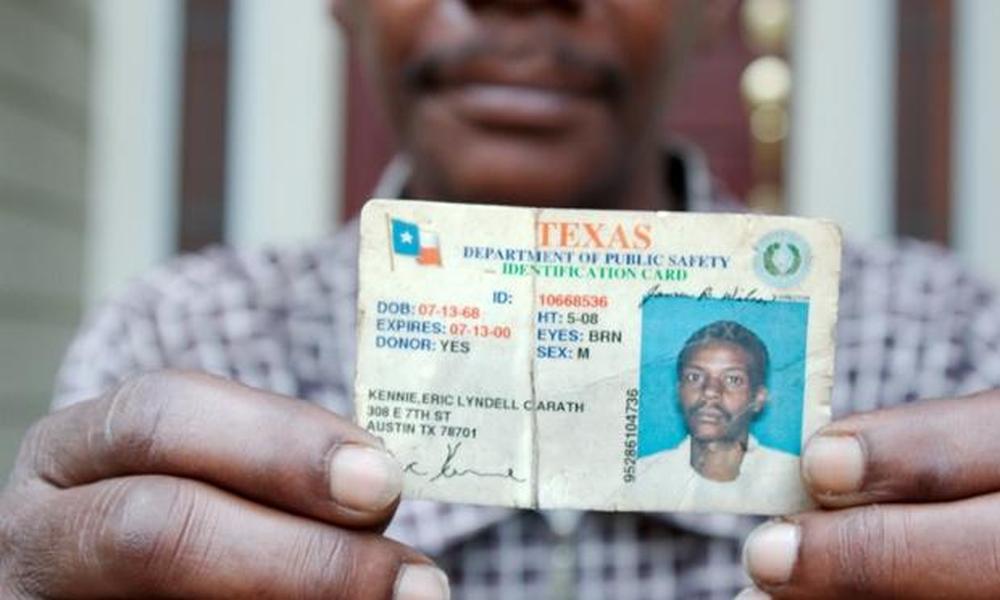
Engaging with Local Culture and Lifestyle
Beyond travel, your Texas ID card can enhance your day-to-day life and your ability to engage with the local culture and lifestyle Texas has to offer.
- Dining and Entertainment: While not always required for casual dining, some upscale restaurants or bars might ask for ID to verify age for entry or service of alcohol. Your ID ensures you can enjoy the full spectrum of Texas dining and entertainment, from experiencing the vibrant live music scene in Austin to savoring authentic Tex-Mex cuisine in El Paso.
- Financial and Administrative Tasks: As mentioned, opening a bank account, applying for certain services, or even picking up packages at a shipping store often requires a valid ID. This is fundamental to managing your finances and practical needs while living or staying in Texas.
- Participating in Local Events: Many local festivals, farmers’ markets, and community events in cities like Fort Worth or Plano are open to all. However, if any part of the event involves age-restricted activities or raffles, your ID will be necessary.
In essence, obtaining a Texas ID card is a practical step that significantly smooths your transition into life in Texas. It provides the necessary credentials to access services, enjoy accommodations, and engage with the rich tapestry of experiences the state offers, making your journeys and your stay in Texas more enjoyable and convenient. Whether you are a visitor marveling at the Dallas Arts District or a long-term resident enjoying the tranquility of the Texas Coast, your ID card is a foundational tool.
LifeOutOfTheBox is a participant in the Amazon Services LLC Associates Program, an affiliate advertising program designed to provide a means for sites to earn advertising fees by advertising and linking to Amazon.com. Amazon, the Amazon logo, AmazonSupply, and the AmazonSupply logo are trademarks of Amazon.com, Inc. or its affiliates. As an Amazon Associate we earn affiliate commissions from qualifying purchases.