
Understanding the process for obtaining a voter ID card in Alabama is crucial for any resident planning to exercise their democratic right. While Alabama has implemented strict voter ID laws, the state also provides several accessible avenues for citizens to acquire the necessary identification. This guide aims to demystify the process, outlining the types of IDs accepted, where to get them, and what documentation you might need, ensuring you are fully prepared for Election Day. Whether you’re a seasoned voter or preparing to cast your first ballot, clarity on voter ID requirements is paramount for a smooth and informed voting experience.

Understanding Alabama’s Voter ID Requirements
Alabama law mandates that voters present a valid photo ID at their polling place. This requirement is designed to enhance election security and prevent voter fraud. The state recognizes a range of identification documents, offering flexibility for different individuals. It is important to note that a voter ID card itself is not the only acceptable form of identification; several other official documents can serve this purpose.
Acceptable Forms of Photo Identification
The Alabama Secretary of State’s office outlines several acceptable forms of photo ID. These are broadly categorized to ensure most eligible voters can comply with the law.
- Alabama Driver’s License: This is one of the most common forms of ID accepted. It must be current or have expired no more than 60 days prior.
- Alabama Non-Driver ID: For individuals who do not drive, the state offers non-driver identification cards, which are also valid for voting.
- Voter ID Card: This specific card is issued by the county probate judge. It’s a dedicated identification for voting purposes.
- Alabama Photo ID issued by a State Agency: This can include IDs from agencies like the Alabama Department of Public Safety.
- U.S. Passport: A valid U.S. passport is a widely accepted form of identification.
- Employment ID: Certain employment identification cards, such as those issued by federal, state, or local government agencies, are acceptable.
- Student or Employee ID from a Public University, College, or Community College in Alabama: Identification cards from accredited Alabama public educational institutions are valid.
- Military ID: Active duty or retired military personnel can use their military ID.
- Tribal ID: Identification cards issued by federally recognized Native American tribes are also accepted.
It is essential to ensure that the ID presented is valid and contains your photograph. If your ID has expired, it must be within the 60-day grace period for driver’s licenses. For other forms of identification, validity is generally required.
Voter ID Cards: A Closer Look
While a voter ID card is a specific type of acceptable identification, it’s important to understand that you don’t necessarily need this particular card if you possess another valid form of photo ID. However, for those who may not have a driver’s license or other readily available photo IDs, obtaining a voter ID card is a direct route to meeting the voting requirement. These cards are designed to be accessible to all eligible voters.
Where to Obtain Your Voter ID Card in Alabama
The primary location for obtaining a voter ID card in Alabama is at the county probate judge’s office in your county of residence. These offices are strategically located across the state to serve all citizens. The process is generally straightforward, but it requires specific documentation to verify your identity and eligibility.
The Process at the Probate Judge’s Office
To obtain a voter ID card, you will typically need to visit your local probate judge’s office during their regular business hours. It is advisable to call ahead to confirm their operating hours and any specific appointment requirements, as these can sometimes vary by county.
The application process involves presenting certain documents to prove your identity and your status as a resident of Alabama. The probate judge’s office will review your submitted documentation to issue the voter ID card. This card is specifically for voting purposes and is issued free of charge to eligible voters.
Required Documentation
When you go to the probate judge’s office to apply for a voter ID card, you will need to bring proof of identity and residency. The specific documents accepted can vary slightly, but generally include:
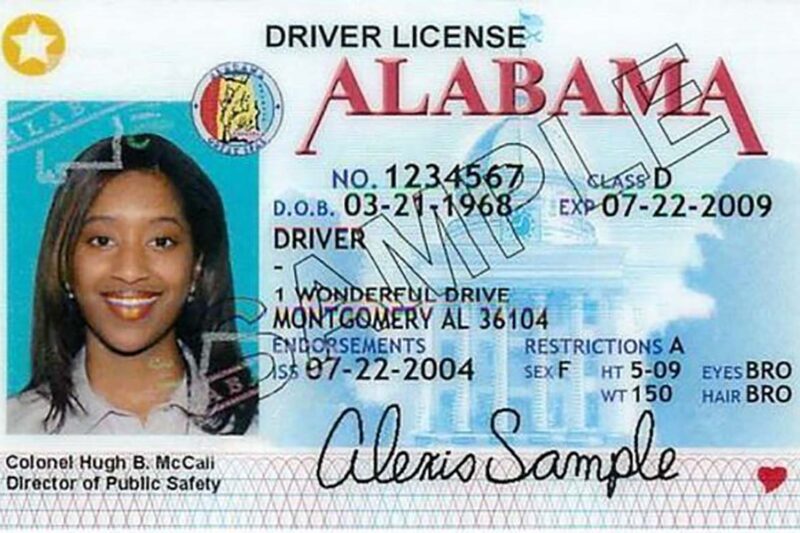
- Proof of Identity: This is usually demonstrated through an existing form of identification, even if it’s not a photo ID that meets the voting requirements. Examples include:
- A birth certificate
- Social Security card
- Utility bills with your name and address
- Bank statements
- Any other government-issued document that can verify your identity.
- Proof of Residency: This confirms that you live in Alabama and in the county where you are applying. Acceptable documents typically include:
- Utility bills (electricity, gas, water)
- Lease agreements
- Bank statements
- Official mail from government agencies
It is crucial to bring original documents or certified copies, as photocopies may not be accepted. The probate judge’s office will verify these documents to ensure they meet the state’s requirements before issuing your voter ID card.
Alternatives to the Voter ID Card
For many Alabama residents, obtaining a voter ID card is not necessary because they already possess one of the other acceptable forms of photo identification. Understanding these alternatives can save you time and effort.
Other Accepted Photo IDs
As mentioned previously, a wide array of photo IDs are accepted at the polls. If you have any of the following, you can use them to vote:
- Alabama Driver’s License: If you have a valid driver’s license from Alabama, this is your most straightforward option.
- Alabama Non-Driver ID: This is a perfect alternative for non-drivers.
- U.S. Passport: A standard U.S. passport is a universally recognized form of identification.
- Employment Identification: If you work for a government entity or a company that issues official employee IDs with your photo, these might be acceptable.
- Student or Employee IDs: Identification from public universities, colleges, or community colleges in Alabama can be used.
- Military ID: Active duty or retired military personnel can use their military identification.
- Tribal ID: If you are a member of a federally recognized Native American tribe, your tribal ID is valid.
What If I Don’t Have Any of These?
If you find yourself without any of the acceptable photo IDs and are unable to obtain one before an election, Alabama offers a provisional ballot option. A provisional ballot allows you to cast your vote, but it will only be counted if you can later provide valid identification to election officials. You will typically have a few days after the election to present your ID.
To avoid the complexities of provisional ballots, it is always best to secure an acceptable form of photo ID well in advance of any election. The probate judge’s office is your dedicated resource for obtaining the specific voter ID card if other options are not available or suitable for you.
Voter Registration and Voter ID: A Connected Process
Obtaining a voter ID card is distinct from registering to vote, though both are essential steps for participating in elections. You must be registered to vote before you can cast a ballot, and you must present a valid ID at the polling place.
Registering to Vote
If you are not yet registered to vote, you can do so online through the Alabama Secretary of State’s website, by mail, or in person at your local county courthouse or probate office. You must meet the eligibility requirements: be a U.S. citizen, a resident of Alabama, and at least 17 years old (you can register at 17 but must be 18 to vote). Your registration must be completed at least 10 days before an election.
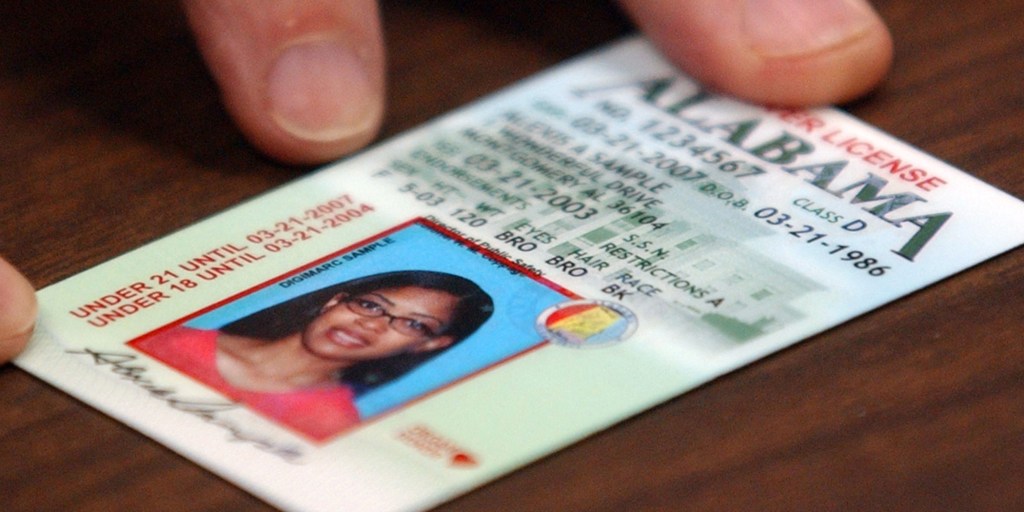
Obtaining Your Voter ID Card While Registering or Updating Information
The probate judge’s office is also where you can typically handle voter registration matters, including updating your address or other personal information. While you’re there for voter registration, you can inquire about getting your voter ID card if you don’t already have an acceptable form of photo ID. This can streamline the process by allowing you to handle multiple election-related tasks in one visit.
Ensuring you have a valid photo ID and are registered to vote are the cornerstones of participating in Alabama’s electoral process. The state provides clear guidelines and accessible locations, like the probate judge’s office, to help all eligible citizens meet these requirements and make their voices heard.
LifeOutOfTheBox is a participant in the Amazon Services LLC Associates Program, an affiliate advertising program designed to provide a means for sites to earn advertising fees by advertising and linking to Amazon.com. Amazon, the Amazon logo, AmazonSupply, and the AmazonSupply logo are trademarks of Amazon.com, Inc. or its affiliates. As an Amazon Associate we earn affiliate commissions from qualifying purchases.