
The allure of the Maine Coon cat is undeniable. With their imposing size, majestic ruff, and tufted ears, they are often described as the “gentle giants” of the feline world. But beyond their striking appearance lies a rich history and a captivating origin story deeply intertwined with the rugged landscapes and maritime heritage of the northeastern United States. To truly understand where these magnificent creatures hail from, we must journey back in time, exploring the legends, the science, and the undeniable charm that defines the Maine Coon Cat.
The Misty Origins: Legends and Folklore
The exact origins of the Maine Coon cat are shrouded in a delightful blend of folklore and conjecture. While scientific evidence points towards natural development, local legends offer more romantic, albeit less factual, explanations for their existence. These tales, passed down through generations, contribute to the mystique surrounding this beloved breed.
The Viking Connection
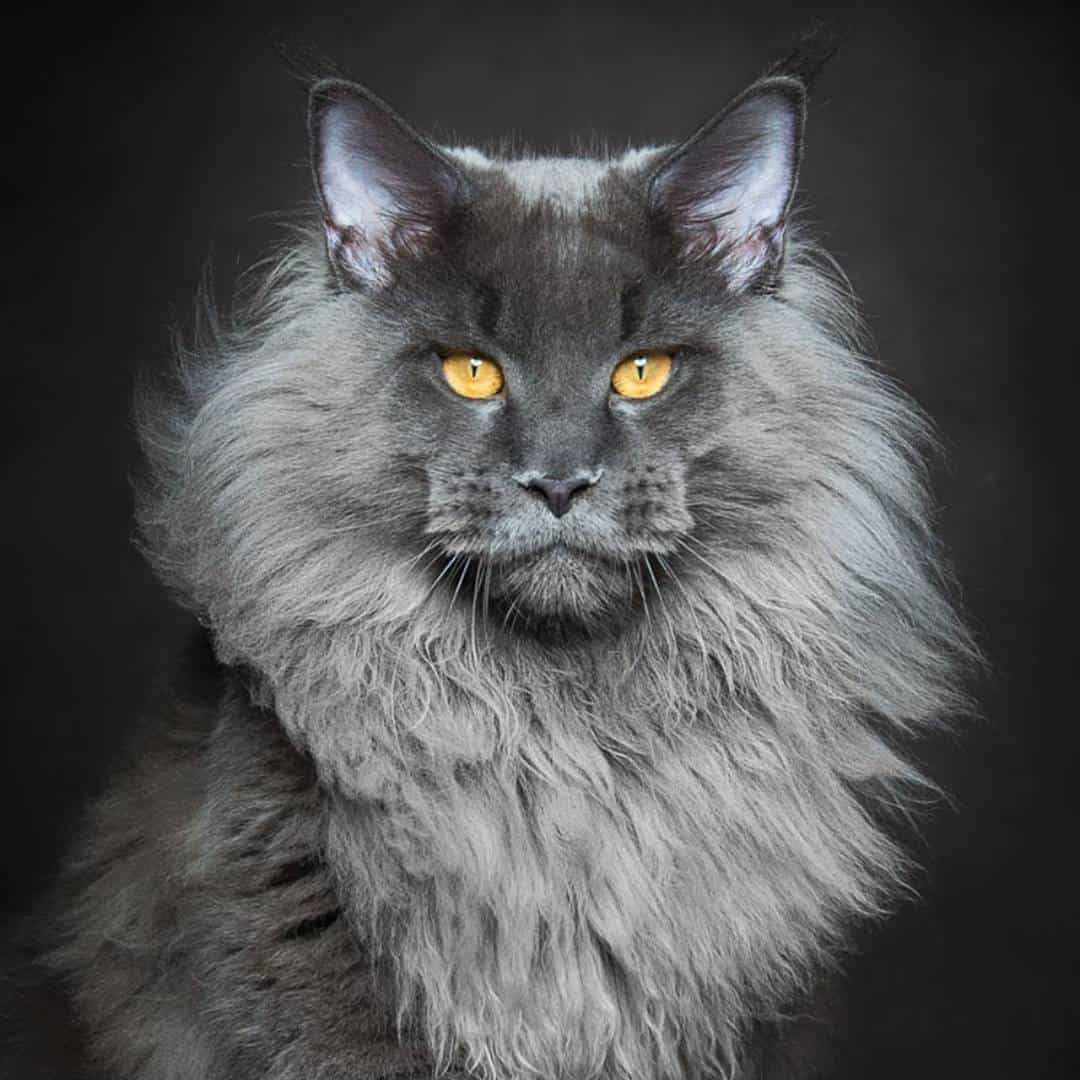
One of the most persistent and enchanting legends suggests a connection to the seafaring Vikings. The story goes that Norse sailors, who traversed the Atlantic and settled in the Americas centuries ago, brought their long-haired cats with them. These hardy felines, adept at keeping the ships’ rodent populations in check, supposedly interbred with the native short-haired domestic cats of the region, eventually giving rise to the robust Maine Coon. The breed’s substantial size, thick fur, and even their distinctive bushy tails are often cited as evidence supporting this theory, evoking images of their supposed Norse ancestors braving the harsh seas.
The French Royal Connection
Another captivating tale links the Maine Coon to Marie Antoinette. As the deposed Queen of France faced her impending doom during the French Revolution, she allegedly sent her prized collection of Turkish Angora cats to America for safekeeping. These elegant, long-haired cats were then said to have found their way to Maine, where they bred with the local feline population. While a romantic notion, it’s largely considered a fanciful embellishment rather than a historical fact, yet it adds another layer to the breed’s intriguing backstory.
The “Coon” Cat Hypothesis
The most straightforward and widely accepted explanation for the “Coon” in Maine Coon’s name stems from a more down-to-earth observation: their appearance. Many early observers noted a striking resemblance between the Maine Coon’s bushy, ringed tail and that of a raccoon. This led to the popular, though biologically impossible, belief that the cats were a hybrid offspring of cats and raccoons. While scientifically impossible, this “coon cat” theory cemented the breed’s name and continues to be a charming anecdote associated with their origins.
The Scientific Explanation: Natural Selection in Action
While legends add a touch of fantasy, the scientific consensus points towards the Maine Coon as a product of natural selection, a testament to the harsh realities and unique environment of early colonial Maine. The breed likely evolved independently, adapting to the challenging climate and developing specific traits that allowed them to thrive.
Adaptation to the Harsh Climate
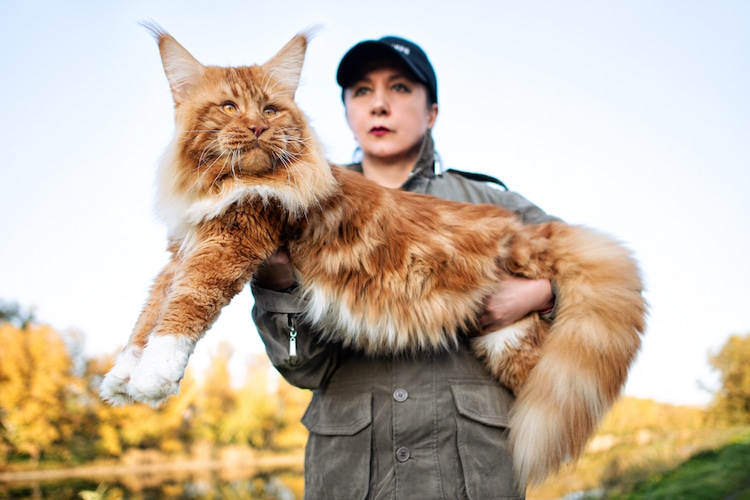
The winters in Maine are notoriously cold and snowy. For a feline to survive and reproduce in such an environment, specific adaptations would be crucial. The Maine Coon’s dense, water-repellent double coat, with its longer guard hairs and soft undercoat, provides excellent insulation against the biting winds and freezing temperatures. Their large, tufted paws act like snowshoes, distributing their weight and preventing them from sinking into deep snow. Furthermore, their ability to lower their body temperature to match the ambient temperature is a remarkable adaptation for surviving in extreme cold.
A Maritime Breed
The maritime industry played a significant role in the development and spread of the Maine Coon. Coastal towns and port cities in Maine were bustling with activity, and ships were a common sight. Cats were essential on these vessels, serving as natural pest controllers, protecting vital food supplies from rodents. It is highly probable that these early, hardy cats, with their robust builds and survival instincts, were the ancestors of the Maine Coon. As ships docked and departed from ports like Portland, these cats would have been introduced to different regions, contributing to the breed’s natural spread.
Breed Development and Recognition
The Maine Coon’s journey from a common farm and ship cat to a recognized pedigree breed is a fascinating one. By the late 19th century, the breed’s unique qualities were gaining attention. The first recorded mention of the Maine Coon in cat literature dates back to 1861. In 1895, a brown tabby Maine Coon named “Captain Jenks of the Horse Marines” won best in show at a cat exhibition in Madison Square Garden, solidifying their presence and popularity. Despite a dip in popularity in the early 20th century due to the introduction of other long-haired breeds like the Persian, dedicated breeders worked to preserve and promote the Maine Coon, eventually leading to its official recognition by various cat fancy associations.
Traits and Characteristics: A Reflection of Their Homeland
The rugged, resilient nature of their homeland is mirrored in the physical and temperamental characteristics of the Maine Coon. These cats are not just physically imposing; they possess a gentle, intelligent, and playful disposition that makes them cherished companions.
Physical Attributes
The most striking feature of the Maine Coon is its size. They are one of the largest domestic cat breeds, with males often weighing between 15 to 25 pounds and females typically weighing 10 to 15 pounds. Their bodies are long, muscular, and rectangular, with a broad chest. The head is medium-width, with a square muzzle, large, expressive eyes, and large, well-tufted ears that often sport lynx tips. The tail is a defining characteristic – long, bushy, and tapering, often described as “like a raccoon’s tail.” Their hindquarters are higher than their forequarters, giving them a unique, powerful gait.
Temperament and Personality
Despite their formidable appearance, Maine Coons are known for their sweet and amiable nature. They are often described as dog-like in their loyalty and affection, enjoying the company of their human families and often following them from room to room. They are intelligent, curious, and playful, retaining a kitten-like enthusiasm for toys and games well into adulthood. Their vocalizations are also unique; rather than loud meows, they often produce a series of chirps, trills, and soft yowls, which adds to their distinctive charm. They are generally good with children and other pets, making them an ideal family companion.
The Enduring Appeal of the Maine Coon
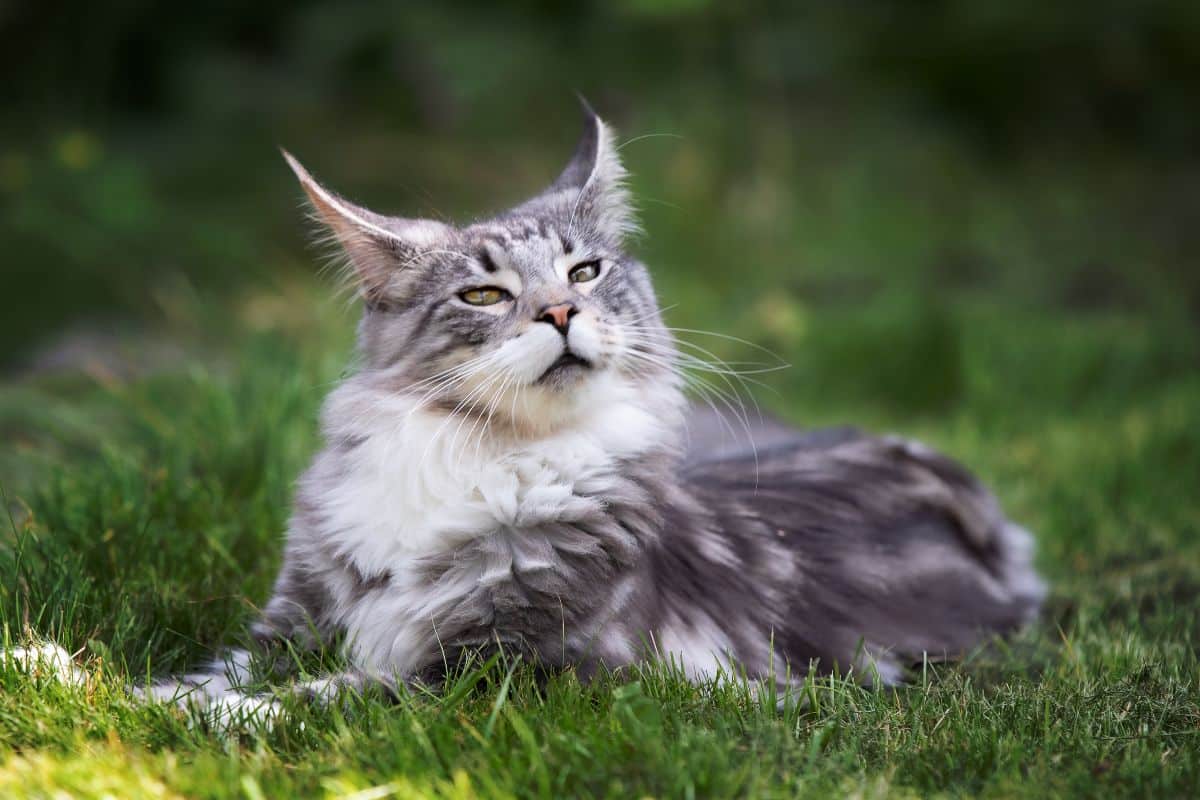
From the windswept coasts of Maine to homes around the globe, the Maine Coon cat has captivated hearts with its majestic presence and gentle spirit. Their journey from the wild to the hearth is a testament to their adaptability and the enduring appeal of a creature perfectly suited to its environment. Whether you believe in Viking sailors or royal cats, the origins of the Maine Coon are as fascinating as the cats themselves, a story woven from nature, history, and a touch of enduring magic.
LifeOutOfTheBox is a participant in the Amazon Services LLC Associates Program, an affiliate advertising program designed to provide a means for sites to earn advertising fees by advertising and linking to Amazon.com. Amazon, the Amazon logo, AmazonSupply, and the AmazonSupply logo are trademarks of Amazon.com, Inc. or its affiliates. As an Amazon Associate we earn affiliate commissions from qualifying purchases.