
The confluence of the Missouri River and the Mississippi River is a geographical marvel and a cornerstone of North American hydrological history. This meeting point, often referred to as the “Confluence,” is not merely a spot where two great waterways merge; it represents a nexus of commerce, ecology, and human settlement that has shaped the destiny of the United States. Understanding where these two mighty rivers join is essential for appreciating the natural landscape, the historical development of the region, and the ongoing importance of riverine systems.
The Geographical Convergence
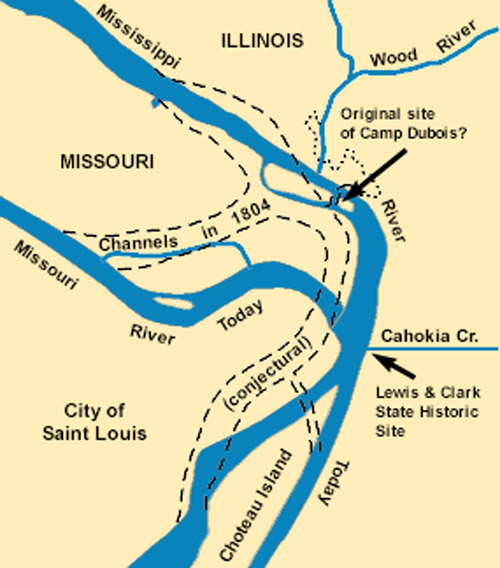
The exact location where the Missouri River flows into the Mississippi River is near the city of St. Louis, Missouri. More specifically, the confluence occurs just north of downtown St. Louis, in the area commonly known as the Chain of Rocks. It’s here that the Missouri River, carrying sediment and water from its vast drainage basin that stretches into the Rocky Mountains, discharges its flow into the more established channel of the Mississippi River.
The Missouri River’s Journey
The Missouri River is the longest river in North America and the second-longest tributary of the Mississippi River system. Its source is often cited as Brower’s Spring in the Beartooth Mountains of Montana. From its rugged headwaters, the Missouri River carves its way through the Great Plains, traversing states like North Dakota, South Dakota, Nebraska, and Iowa before its ultimate destination. Its journey is characterized by a dynamic and ever-changing course, historically known for its “Big Muddy” nickname due to the high sediment load it carries. This sediment is a crucial factor in the geography of the confluence, contributing to the unique characteristics of the merged river.
The Mississippi River’s Path
The Mississippi River, on the other hand, is one of the world’s major river systems and the primary river of the continental United States. Its source is Lake Itasca in Minnesota. From there, it flows southward, forming state boundaries and passing through major cities like Minneapolis, St. Paul, Memphis, and eventually New Orleans before emptying into the Gulf of Mexico. The Mississippi, prior to the confluence with the Missouri, is already a substantial river, having collected drainage from a vast portion of the central United States.
The Merging Waters
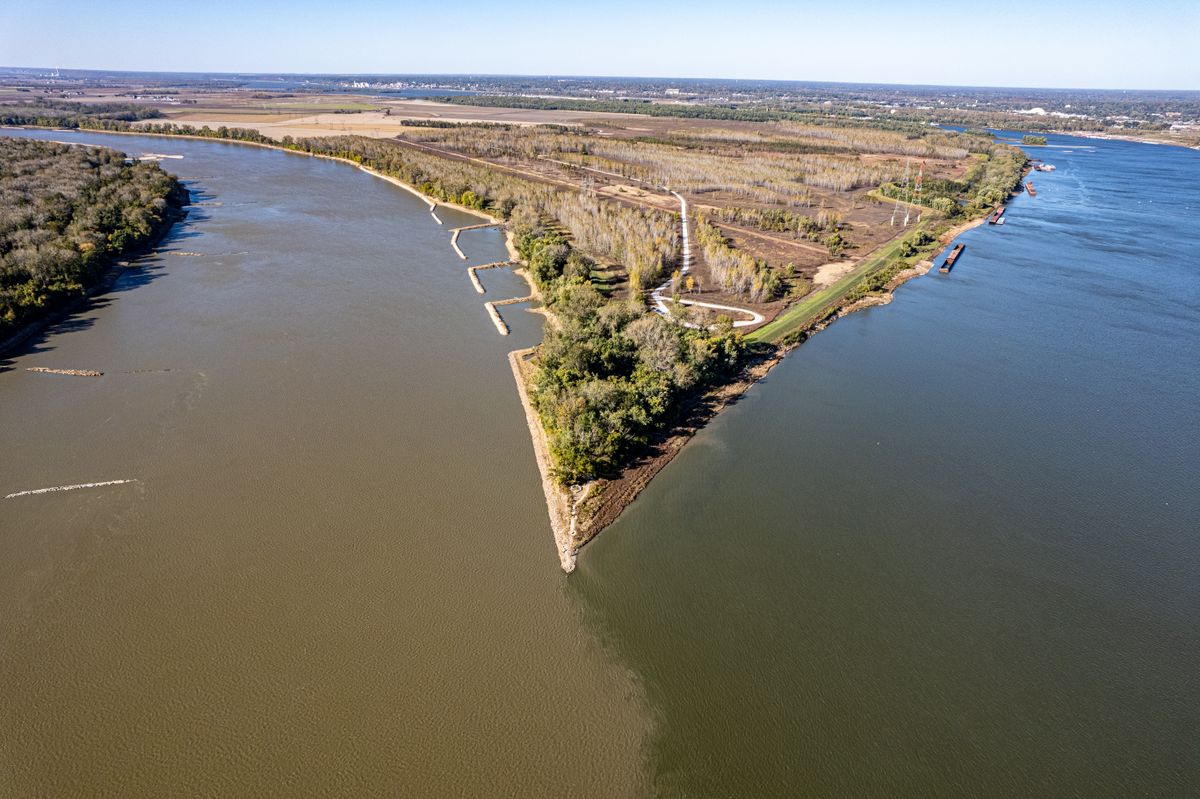
When the Missouri River meets the Mississippi River near St. Louis, the visual and physical impact is significant. The Missouri’s higher volume, sediment content, and often warmer temperature create a distinct demarcation in the water for a noticeable distance downstream. The Mississippi River, carrying water from a more northern and eastern drainage, appears somewhat clearer and cooler in contrast. This mixing zone is a dynamic environment, constantly reshaped by the forces of the two rivers.
Historical Significance of the Confluence
The confluence of the Missouri and Mississippi Rivers has been a focal point of human activity for millennia. Indigenous peoples recognized the strategic importance of this meeting place, establishing settlements and trade routes along its banks. Later, European explorers and settlers were drawn to the region, understanding its potential for transportation, commerce, and agriculture.
Indigenous Peoples of the Confluence
Long before European arrival, Native American tribes, including the Mississippian culture and later tribes like the Osage and Illinois, utilized the confluence. The abundant fish and game, fertile floodplains, and accessible waterways provided the resources necessary for thriving communities. Archaeological evidence, such as mounds found in the region, speaks to the sophisticated societies that once inhabited this vital area. The rivers served as highways for travel, trade, and communication, connecting distant communities across vast distances.
Exploration and Settlement
European explorers like Jacques Marquette and Louis Jolliet navigated these rivers in the late 17th century, recognizing their potential for opening up the interior of the continent. The establishment of St. Louis in 1764 by French fur traders marked a significant step in formalizing human settlement at the confluence. The city’s location provided unparalleled access to both the westward-flowing Missouri River and the southward-flowing Mississippi River, making it a crucial hub for the fur trade and a launching point for westward expansion.
The Gateway to the West
The confluence became synonymous with the westward expansion of the United States. The Louisiana Purchase in 1803, which doubled the size of the nation, made the Mississippi River and its tributaries even more critical. The iconic Gateway Arch in St. Louis stands as a monument to this era, symbolizing the city’s role as the “Gateway to the West.” The Lewis and Clark Expedition, which departed from near the confluence in 1804, embarked on a monumental journey of discovery, charting the course of the Missouri River and extending American influence across the continent.
Ecological Importance of the Confluence Region
The confluence of the Missouri and Mississippi Rivers is a remarkably diverse ecological zone. The mixing of waters, the unique geological formations, and the vast floodplains create habitats that support a rich array of flora and fauna.
Aquatic Life and Habitats
The distinct characteristics of the Missouri River (turbid, high sediment) and the Mississippi River (clearer, more nutrient-rich) create a gradient of aquatic environments. This diversity supports a wide range of fish species, including catfish, bass, and paddlefish, as well as numerous invertebrate populations. The constantly shifting sediments influence habitat formation, creating sandbars, shallow areas, and deeper channels that are essential for different aquatic organisms at various stages of their life cycles.
Avian Populations and Migratory Birds
The floodplains and riparian zones surrounding the confluence are critical stopover points and nesting grounds for migratory birds. The Great Mississippi Flyway, one of the major bird migration routes in North America, passes directly through this region. Waterfowl, shorebirds, and numerous songbirds rely on the wetlands, forests, and open waters for food and shelter during their arduous journeys. Efforts to preserve and restore these habitats are vital for the health of continental bird populations.
Terrestrial Ecosystems and Biodiversity
Beyond the aquatic and avian life, the confluence area supports diverse terrestrial ecosystems. The alluvial soils of the floodplains are highly fertile, supporting riparian forests of cottonwoods, willows, and sycamores. These forests provide habitat for mammals such as deer, raccoons, and various rodents, as well as a multitude of insects and amphibians. The ongoing challenge is to balance the ecological needs of these natural areas with the demands of human development and industrial activity in the surrounding urban and agricultural landscapes.
Experiencing the Confluence Today
While the primary role of the confluence is now largely ecological and historical, it continues to be a point of interest for travelers and residents alike. Various sites and activities offer opportunities to engage with this significant geographical and historical landmark.
Visiting the Confluence Point
Directly witnessing the confluence can be a unique experience. While the exact point of merging is often dynamic and can be difficult to pinpoint precisely from land, areas like St. Louis Riverfront offer views of the mighty rivers and the vastness of their combined flow. Boat tours on the rivers provide a different perspective, allowing visitors to see how the waters interact and to appreciate the scale of this natural phenomenon.
Attractions Near the Confluence
The area around the confluence is rich with attractions. The Gateway Arch National Park in St. Louis is a must-visit, offering not only iconic views but also a museum detailing the westward expansion. The Missouri History Museum provides further context on the region’s past. For nature enthusiasts, parks and wildlife refuges along the riverbanks offer opportunities for birdwatching, hiking, and appreciating the riparian ecosystems. The nearby Chain of Rocks Bridge, now a pedestrian and bicycle path, offers a unique vantage point over the Mississippi River and hints at the confluence upstream.

The Future of the Confluence
The Missouri and Mississippi Rivers continue to be vital arteries for transportation, particularly for bulk goods moving via barge. Maintaining navigable channels, managing flood risks, and protecting the ecological integrity of the confluence are ongoing challenges that require careful planning and cooperation. As climate change and increased human activity place new pressures on these systems, understanding and appreciating the confluence of these two great rivers remains as important as ever for comprehending the landscape and history of the United States.
LifeOutOfTheBox is a participant in the Amazon Services LLC Associates Program, an affiliate advertising program designed to provide a means for sites to earn advertising fees by advertising and linking to Amazon.com. Amazon, the Amazon logo, AmazonSupply, and the AmazonSupply logo are trademarks of Amazon.com, Inc. or its affiliates. As an Amazon Associate we earn affiliate commissions from qualifying purchases.