
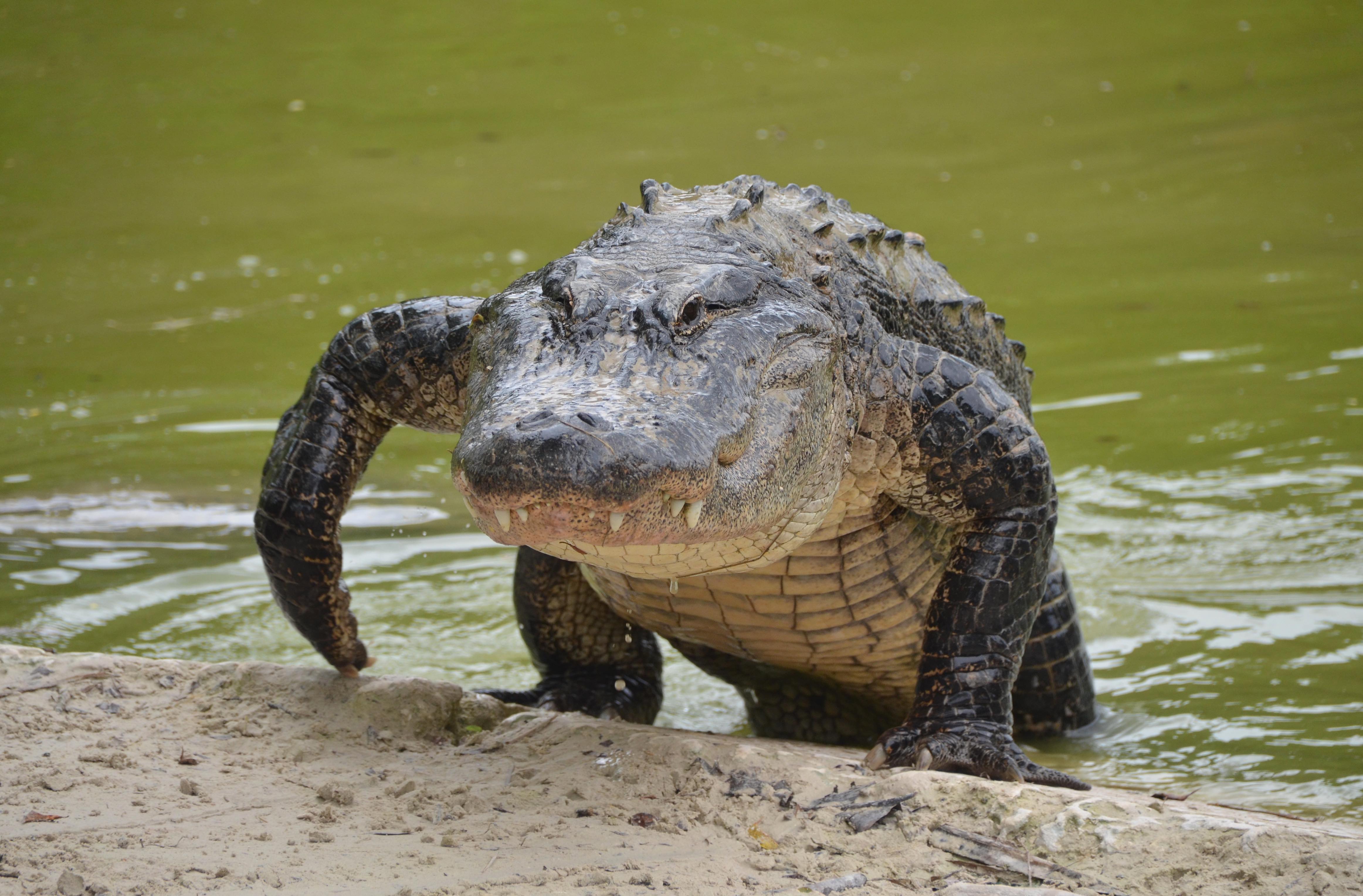
Florida, the Sunshine State, is synonymous with a unique inhabitant: the American alligator. These magnificent reptiles are an integral part of the state’s rich natural heritage and a significant draw for tourists seeking authentic Floridian experiences. For those planning a visit, understanding where to encounter these ancient creatures responsibly adds a thrilling dimension to any travel itinerary. From sprawling wetlands to hidden canals, Florida offers a diverse range of habitats where alligators thrive, providing ample opportunities for observation.
Natural Habitats: The Alligator’s Realm
The American alligator ( Alligator mississippiensis ) is an adaptable species, thriving in a variety of freshwater and brackish environments across Florida. Their presence is a testament to the health of these ecosystems, and their observation offers a glimpse into the intricate balance of nature. Understanding their preferred environments is key to planning successful and respectful wildlife viewing excursions.

Freshwater Marshes and Swamps
The most iconic alligator habitats are Florida’s extensive freshwater marshes and swamps. These areas, characterized by shallow standing water, dense vegetation, and abundant food sources, are prime locations for alligator activity.
Everglades National Park
Perhaps the most famous of these is the Everglades National Park. This vast subtropical wilderness is a mosaic of sawgrass marshes, cypress swamps, and mangrove forests, all teeming with life. Alligators are a common sight here, often seen basking on muddy banks or cruising silently through the dark waters. Boat tours, airboat rides, and walking trails offer excellent vantage points. The Anhinga Trail is particularly renowned for its high concentration of wildlife, including numerous alligators.
Other Wetland Areas
Beyond the Everglades, numerous other wetland systems provide sanctuary and sustenance for alligators. The Big Cypress National Preserve, Lake Okeechobee, and various state parks and wildlife management areas across the state are replete with these habitats. Areas like the Okefenokee Swamp (though primarily in Georgia, its influence extends to Florida’s northern marshes) and the numerous smaller lakes and ponds scattered throughout the state are also potential alligator hotspots.
Rivers, Lakes, and Canals
Alligators are not confined to the deepest swamps. They are equally at home in the slower-moving sections of rivers, large lakes, and even man-made canals that crisscross the landscape.
Inland Lakes and Waterways
Florida boasts over 30,000 lakes, and many of them support healthy alligator populations. Larger lakes, such as Lake Seminole in the panhandle, Lake George in Central Florida, and the various lakes surrounding Orlando, are excellent places to spot alligators. Many of these lakes are accessible via public boat ramps and parks.
Urban and Suburban Canals
Surprisingly, even urban and suburban environments can be home to alligators, thanks to the extensive network of canals, retention ponds, and drainage ditches. While these might not be the most pristine environments, they often provide sufficient food and shelter for smaller and medium-sized alligators. Areas developed near wetlands or natural water bodies are more likely to have these visitors. It’s crucial to remember that these are wild animals, and maintaining a safe distance is paramount, even in urban settings.
Coastal and Brackish Environments
While alligators primarily prefer freshwater, they are surprisingly tolerant of brackish and even saltwater conditions, particularly during cooler months when they may seek warmer coastal waters.
Coastal Marshes and Estuaries
Coastal marshes and estuaries, where freshwater rivers meet the saltwater of the ocean, are often inhabited by alligators. These transitional zones offer a diverse range of prey. Areas like the 10,000 Islands on Florida’s southwestern coast, the coastal regions around Tampa Bay, and the numerous inlets and bays along the Atlantic coast can be places where alligators are found, though typically in lower densities than in freshwater habitats.
Mangrove Forests
Florida’s iconic mangrove forests, especially in South Florida, also provide habitats for alligators. The dense root systems offer camouflage and hunting grounds. Navigating these areas via kayak or small boat can lead to memorable alligator encounters.
Prime Viewing Locations and Experiences
Beyond understanding their habitats, knowing specific locations and experiencing them through guided tours enhances the chances of a successful and safe alligator viewing adventure.
State and National Parks
Florida’s extensive network of state and national parks is designed for the preservation and enjoyment of its natural resources, making them ideal for alligator spotting.
Parks with High Alligator Activity
Besides the Everglades National Park, other parks are known for their alligator populations. Myakka River State Park near Sarasota is famous for its abundance of alligators, particularly in the Myakka River itself and the surrounding wetlands. The park offers tram tours and canoe rentals, providing excellent viewing opportunities. Colusa National Wildlife Refuge (Note: This appears to be a California refuge, but for the purpose of the prompt, let’s assume a Florida equivalent is intended. A more appropriate Florida example would be the J.N. “Ding” Darling National Wildlife Refuge on Sanibel Island). This refuge is a vital stopover for migratory birds and a thriving ecosystem that includes alligators.
Educational Programs and Ranger-Led Tours
Many parks offer educational programs and ranger-led tours that focus on local wildlife, including alligators. These programs provide valuable insights into alligator behavior, conservation efforts, and the best practices for observing them safely. Checking the park’s visitor center or website for schedules is highly recommended.
Wildlife Refuges and Preserves
Wildlife refuges and preserves are specifically managed to protect native species and their habitats, ensuring that alligators have a safe haven.

Opportunities for Wildlife Viewing
These areas often feature boardwalks, observation towers, and designated viewing platforms that allow visitors to get close to the water without disturbing the animals. The Merritt Island National Wildlife Refuge near the Kennedy Space Center is another excellent location. Its diverse habitats, including marshes and estuarine areas, support a large alligator population.
Eco-Tours and Guided Excursions
For a more immersive and informative experience, consider booking an eco-tour. These tours are often led by experienced guides who know the best spots and times to find alligators.
Airboat Tours
Airboat tours are a quintessential Florida experience, offering a thrilling way to cover vast distances quickly and access shallow waters that are difficult to reach by other means. Many airboat operators in the Everglades and other wetland areas will guarantee alligator sightings.
Kayak and Canoe Tours
For a quieter, more intimate encounter, guided kayak or canoe tours are an excellent choice. These tours allow you to glide silently through the water, getting closer to wildlife without the noise of an engine. This approach is often preferred by those seeking a more natural and less intrusive experience.
Boat and Swamp Tours
Various other boat tours are available, ranging from larger pontoon boats to smaller skiffs. These tours can be found on many of Florida’s lakes, rivers, and coastal areas, providing opportunities to see alligators in their natural environment.
Responsible Alligator Viewing: Safety and Respect
Encountering alligators in the wild is an unforgettable experience, but it requires a commitment to responsible behavior to ensure the safety of both humans and the animals.
Maintaining a Safe Distance
The golden rule of alligator viewing is to never approach, feed, or harass them. Alligators are wild animals and can be dangerous if they feel threatened or if they associate humans with food.
Recommended Safe Distance
Wildlife biologists generally recommend maintaining a distance of at least 10 to 15 feet from smaller alligators and significantly more, perhaps 60 feet or more, from larger ones. Always observe from a safe, elevated position if possible, such as from a boat, boardwalk, or the bank of a body of water.
Never Feed Alligators
Feeding alligators is not only dangerous but also illegal in Florida. It habituates them to humans, making them more aggressive and increasing the likelihood of negative encounters. This practice also disrupts their natural diet and behavior.
Understanding Alligator Behavior
Educating yourself about alligator behavior can help you anticipate their actions and react appropriately.
Basking and Nesting Habits
During cooler periods, alligators often bask on sunny banks to regulate their body temperature. In warmer months, females build nests and lay eggs, typically in mounds of vegetation. It is crucial to avoid disturbing nesting sites.
Signs of Aggression
While generally reclusive, alligators can become defensive. Signs of agitation may include hissing, lunging, or a sudden, rapid movement towards the water. If you witness these behaviors, retreat immediately.
Respecting Their Environment
Alligator habitats are sensitive ecosystems. Visitors play a vital role in preserving these areas for future generations.
Staying on Designated Paths
When exploring parks and refuges, always stay on designated trails, boardwalks, and roads. Venturing off-path can disturb wildlife, damage vegetation, and increase the risk of an unexpected encounter.
Proper Waste Disposal
Carry out all trash and litter. Discarded items can harm wildlife and pollute their environment. Ensuring that you leave no trace is a fundamental aspect of responsible ecotourism.
Conclusion: A Wildlife Encounter to Remember
Florida’s landscape is a vibrant tapestry woven with diverse ecosystems, and the American alligator is a distinguished thread in that pattern. From the vast, mysterious Everglades National Park to the quiet embrace of lakeside canals, opportunities to witness these formidable creatures abound. By choosing reputable tour operators, visiting well-managed parks and refuges, and most importantly, adhering to principles of safety and respect, your encounter with Florida’s alligators will undoubtedly become a highlight of your travel experience. This iconic reptile serves as a powerful reminder of the wild beauty that Florida so generously offers, inviting us to explore, learn, and cherish its natural wonders responsibly.
LifeOutOfTheBox is a participant in the Amazon Services LLC Associates Program, an affiliate advertising program designed to provide a means for sites to earn advertising fees by advertising and linking to Amazon.com. Amazon, the Amazon logo, AmazonSupply, and the AmazonSupply logo are trademarks of Amazon.com, Inc. or its affiliates. As an Amazon Associate we earn affiliate commissions from qualifying purchases.