
Unraveling the Origins of a Culinary Icon
The New York Strip Steak, a staple in steakhouses across the globe and a coveted cut for home cooks, carries with it an air of sophisticated dining. Its name evokes images of bustling New York City bistros and elegant dinners. But beyond the romantic association, where does this particular cut of beef truly originate, and what makes it so special? Understanding the provenance of the New York Strip is not merely an academic exercise for the culinarily curious; it’s a journey into the anatomy of the cow, the art of butchery, and the rich tapestry of American culinary history. This exploration will delve into the specific section of the bovine from which the New York Strip is derived, the anatomical reasons for its desirable texture and flavor, and the historical context that has cemented its status as a premier steak.
The Anatomy of the Cow: Pinpointing the Strip Loin
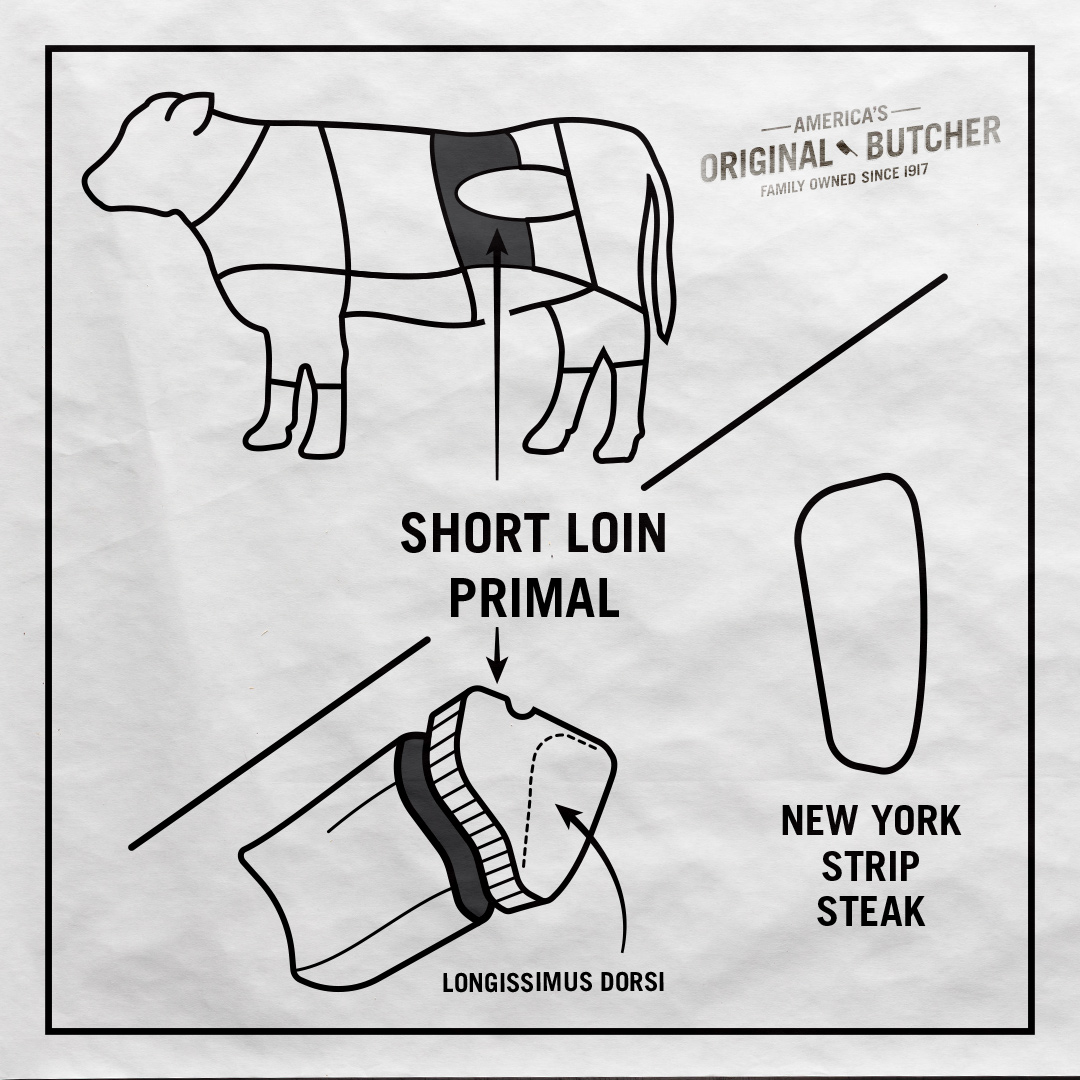
At its core, the New York Strip Steak is a testament to skillful butchery. It is meticulously carved from a specific primal cut of beef known as the short loin. This section of the animal is located along the back, behind the rib cage and in front of the sirloin. The short loin is a particularly prized area because it houses some of the most tender and flavorful muscles, which are minimally worked during the animal’s life.
Within the short loin, the New York Strip Steak is precisely separated from the adjacent cuts. To its front, it borders the rib primal, yielding cuts like the Ribeye Steak. To its rear, it transitions into the sirloin primal. Crucially, the New York Strip is situated on the outside of the spine. This anatomical positioning is key to its characteristics. The muscles here, shielded by the backbone, experience less strain, resulting in a tender texture that is a hallmark of this steak.
The Strip Loin: A Closer Look
The specific muscle from which the New York Strip is cut is known as the Longissimus dorsi. This large, long muscle runs parallel to the spine and is responsible for flexing the back. Because it’s not a weight-bearing muscle, it remains exceptionally tender. When a butcher separates the short loin into individual steaks, they are essentially portioning this muscle. The characteristic strip of fat that often runs along one edge of the New York Strip is the external fat cap, a flavorful component that renders down during cooking, adding moisture and richness to the steak.
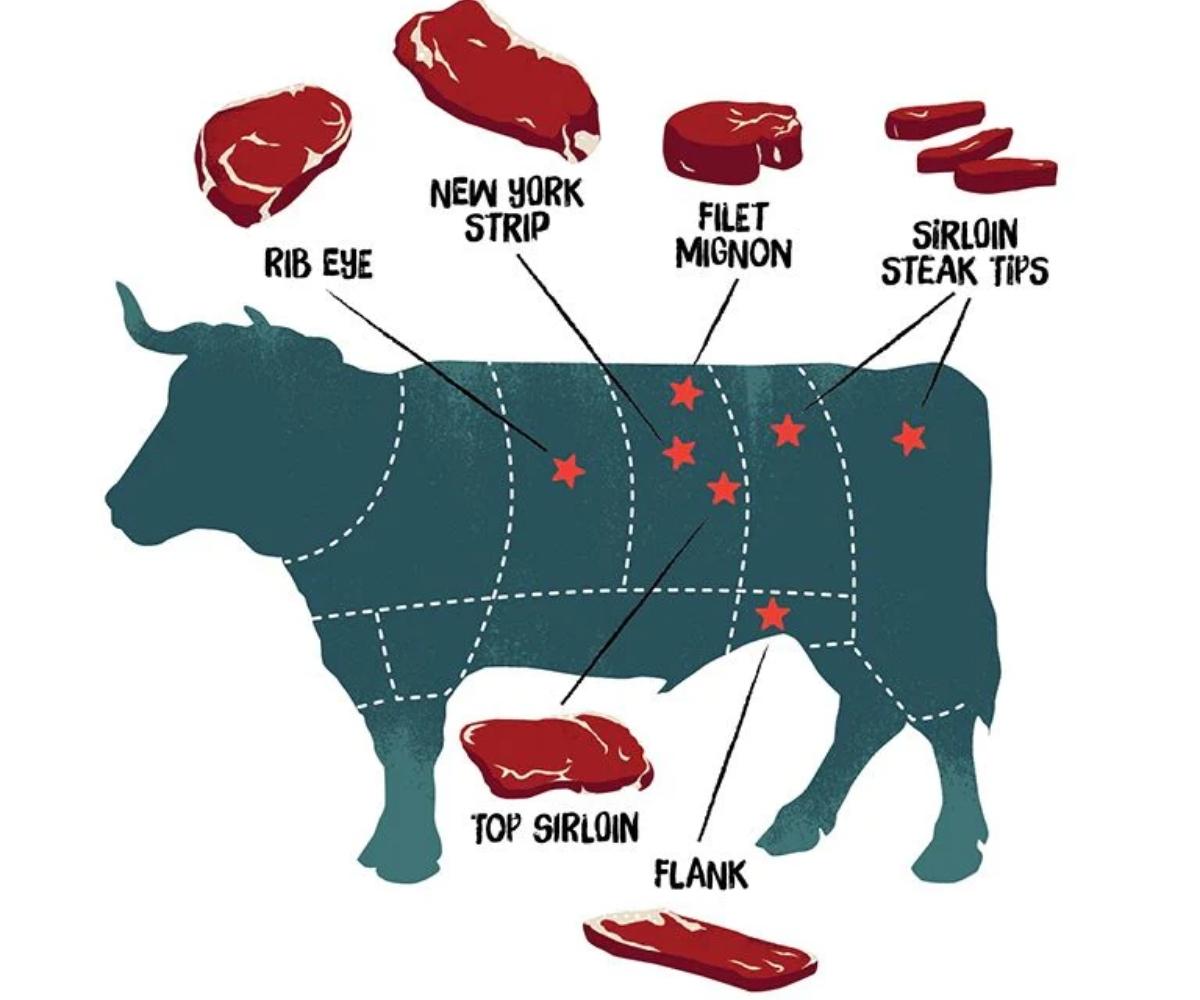
Unlike its close cousin, the Filet Mignon, which is cut from the tenderloin muscle (also within the short loin but located under the spine), the New York Strip offers a more robust, beefier flavor. This difference in flavor profile is directly linked to the muscle’s function and fat marbling.
Butchery and Fabrication: Crafting the Perfect Steak
The journey from live animal to plated steak involves skilled hands and precise techniques. The process of transforming a whole carcass into individual cuts is known as fabrication. For the New York Strip, this begins with the separation of the short loin from the rest of the carcass. This is a critical step, as the short loin is one of the most valuable primal cuts.
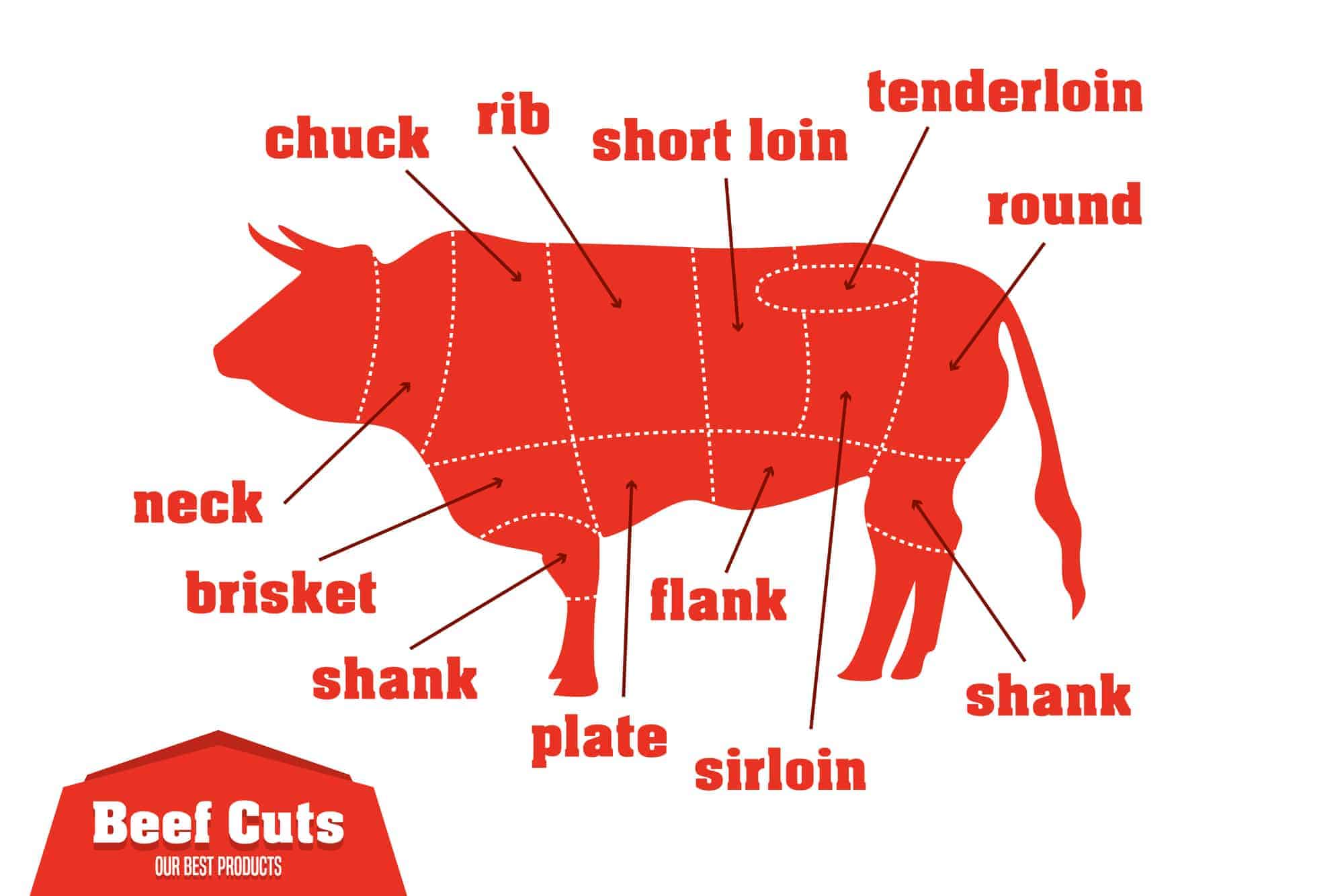
Once the short loin is isolated, the butcher then carefully separates it from the rib primal and the sirloin primal. Within the short loin itself, further divisions are made. The bone-in version of the short loin can yield T-bone and Porterhouse steaks, which include a portion of the tenderloin. However, for the boneless New York Strip, the butcher meticulously removes the bone and any connective tissue, isolating the Longissimus dorsi muscle.
The Art of the Cut
The thickness of a New York Strip steak is also a factor determined by the butcher. A well-cut New York Strip will typically be between 1 to 1.5 inches thick. This thickness is ideal for achieving a beautiful sear on the outside while maintaining a tender, juicy interior, whether cooked to a medium-rare or medium. The skill of the butcher ensures consistency in size and shape, which is essential for even cooking. Modern butchery practices often involve aging the beef, a process that further enhances tenderness and develops complex flavors. Dry-aging, where the beef is aged in a controlled, low-humidity environment, or wet-aging, where the beef is vacuum-sealed, are common methods employed to elevate the quality of the New York Strip.
The Culinary Appeal: Why the New York Strip Reigns Supreme
The enduring popularity of the New York Strip Steak is a confluence of its inherent qualities and its versatile nature in the kitchen. Its balanced profile—a delightful interplay of tenderness and robust beefy flavor, coupled with a pleasing chew—makes it a favorite among steak aficionados.
Flavor and Texture
The Longissimus dorsi muscle, by its nature, is well-marbled with intramuscular fat. This marbling melts during the cooking process, basting the steak from within and contributing significantly to its succulence and rich flavor. While not as buttery as a filet mignon, the New York Strip offers a more pronounced beefy character, often described as having a slight mineral note. The strip of external fat also plays a crucial role, rendering down to add a wonderful richness.
Versatility in Preparation
The New York Strip is remarkably adaptable to various cooking methods. It excels when grilled over high heat, creating a beautiful char and smoky aroma. Pan-searing in a cast-iron skillet, often finished with butter, garlic, and herbs like rosemary and thyme, is another highly effective technique that builds a gorgeous crust. Its thickness allows it to withstand these high-heat cooking methods without becoming overcooked internally. This makes it a perfect canvas for a variety of marinades, rubs, and sauces, from classic peppercorn sauce to a vibrant chimichurri.
A Staple in Restaurants and Homes
The New York Strip Steak has become synonymous with fine dining. Its presence on menus of renowned steakhouses, from the classic establishments of Manhattan to contemporary eateries worldwide, underscores its esteemed position. Restaurants such as Peter Luger Steak House and Keens Steakhouse have built reputations, in part, on the quality of their New York Strip offerings. It is often served simply, allowing the quality of the beef to shine, perhaps with a side of creamed spinach or a baked potato.
Beyond the professional kitchen, the New York Strip has also found a permanent place in home cooking. Its availability at most butcher shops and supermarkets, coupled with its forgiving nature when cooked, makes it an accessible yet sophisticated choice for a special meal. Mastering the cooking of a New York Strip at home can be an incredibly rewarding experience, offering a taste of restaurant-quality dining without leaving the comfort of one’s own kitchen. The knowledge of its origin, from the specific muscle on the cow to the careful hand of the butcher, deepens the appreciation for every delicious bite.
LifeOutOfTheBox is a participant in the Amazon Services LLC Associates Program, an affiliate advertising program designed to provide a means for sites to earn advertising fees by advertising and linking to Amazon.com. Amazon, the Amazon logo, AmazonSupply, and the AmazonSupply logo are trademarks of Amazon.com, Inc. or its affiliates. As an Amazon Associate we earn affiliate commissions from qualifying purchases.