
Arizona, a state synonymous with vast deserts, striking red rock formations, and sun-drenched landscapes, is also a place where water is a precious, vital resource. For residents and visitors alike, understanding the origins and management of the state’s water supply is crucial to appreciating its unique environment and sustaining its growth. While the iconic image of Arizona might be one of arid beauty, the reality is a complex and intricate system that brings life-sustaining water to its communities and natural wonders. This exploration delves into the multifaceted sources that quench Arizona’s thirst, highlighting the ingenuity and challenges involved in water management in a desert climate.

The narrative of water in Arizona is not a simple one; it is a story woven from multiple threads, each representing a significant source or management strategy. From the mighty Colorado River to intricate underground aquifers and innovative conservation efforts, the state has developed a comprehensive approach to securing its water future. This is a landscape where reservoirs like Lake Mead and Lake Powell are not just bodies of water but critical lifelines, and where agricultural practices are as mindful of water usage as they are of crop yields. Understanding these sources provides a deeper appreciation for the natural environment and the human endeavors that make life possible in this arid state.
The Mighty Colorado River: A Lifeline for the Southwest
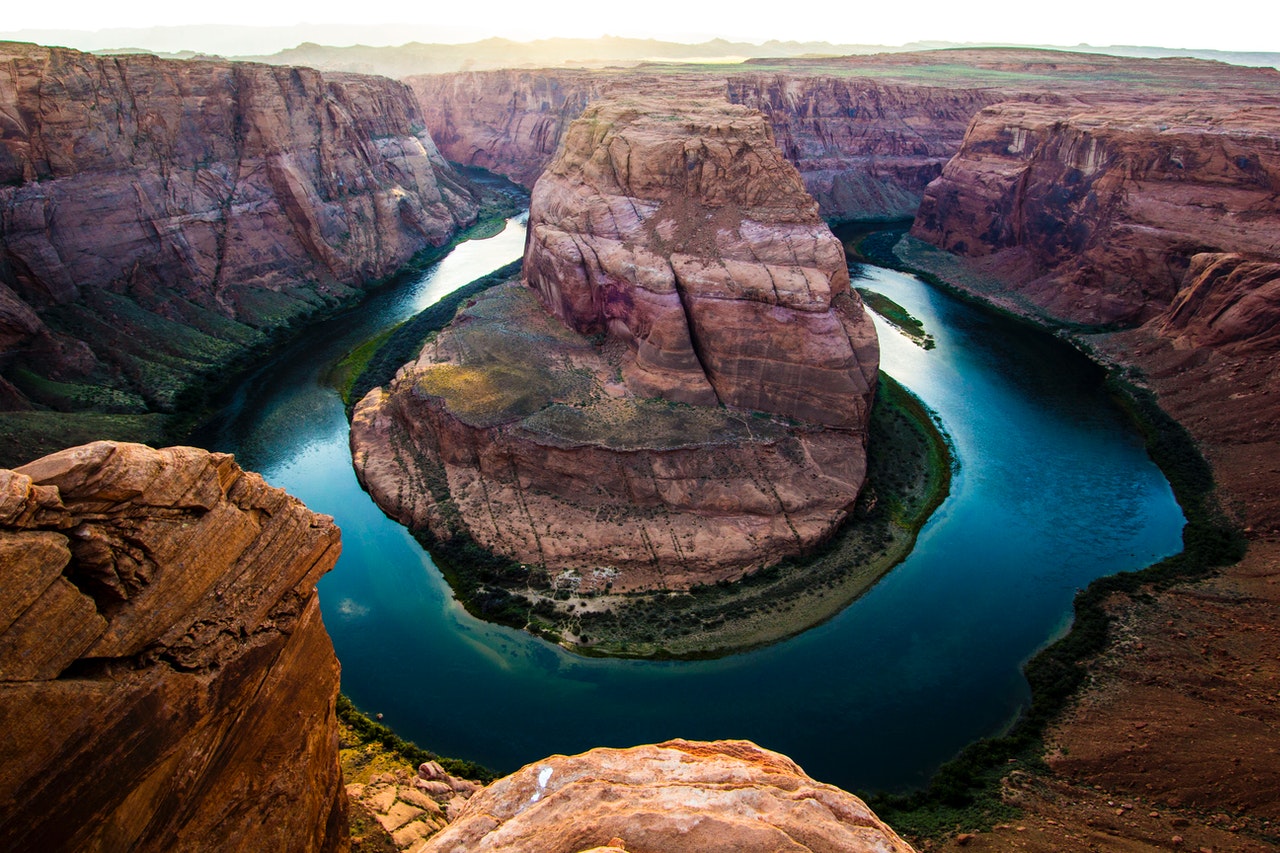
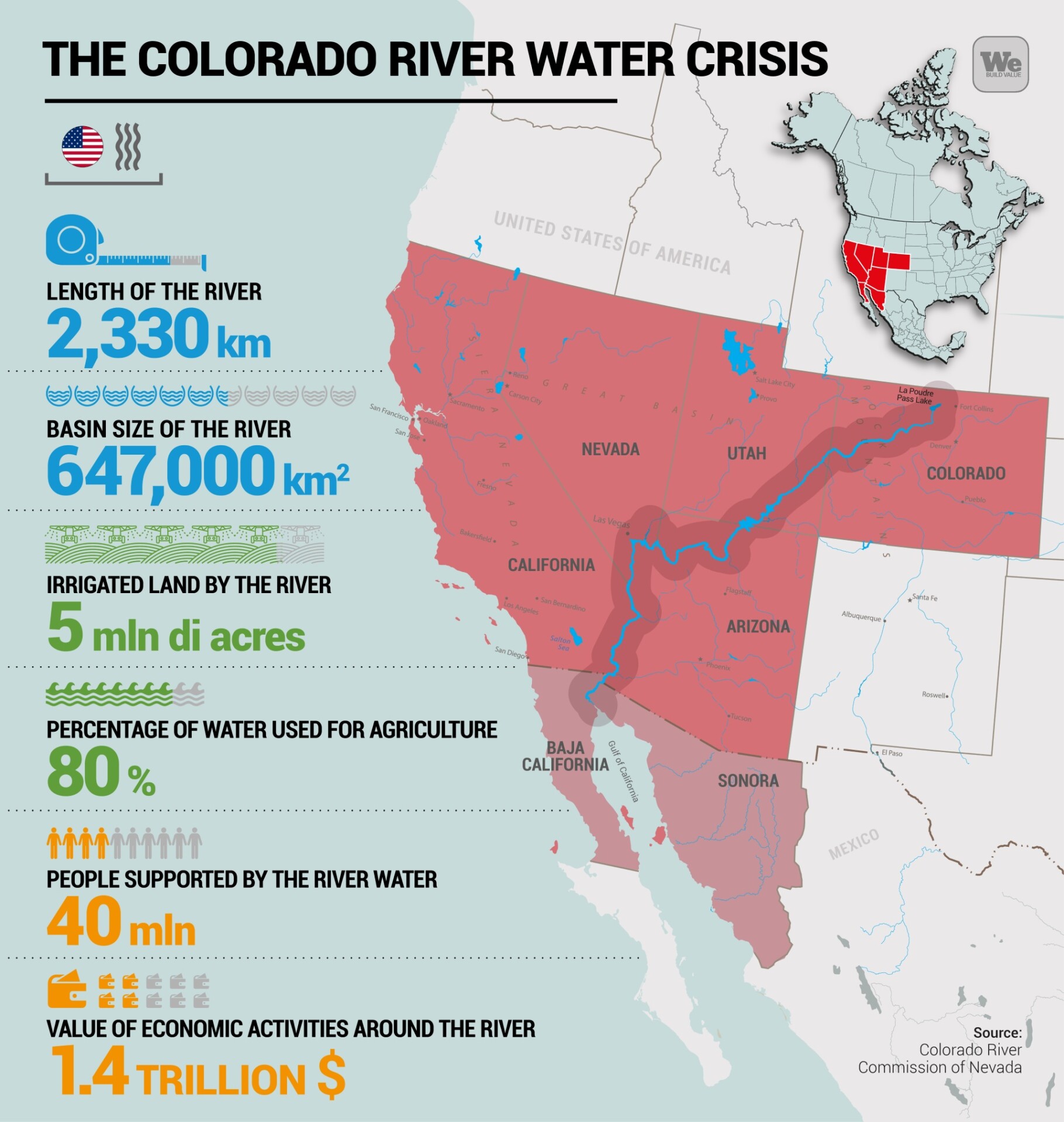
The Colorado River stands as the most significant and vital source of surface water for Arizona, supplying a substantial portion of the state’s needs. This mighty river, traversing through seven states and two countries, is a complex and heavily managed system, with its water allocated through a series of agreements and compacts. For Arizona, the Colorado River is not just a water source; it’s a cornerstone of its economy, supporting agriculture, growing urban populations, and numerous industries.
The Central Arizona Project: Tapping the Colorado’s Bounty
The Central Arizona Project (CAP) is Arizona’s engineering marvel, a 336-mile-long canal system that is instrumental in delivering Colorado River water to the state’s major population centers and agricultural regions. Initiated in the 1960s and completed in stages, the CAP is a testament to human ambition and its ability to overcome geographical challenges. It carries water from Lake Havasu, where it is diverted from the Colorado River, all the way to Tucson, more than 300 miles to the south.
The CAP’s journey begins with the Havasu Pumping Station, which lifts water from Lake Havasu into the main canal. From there, a series of pumping stations, siphons, and aqueducts, including the impressive Buttes Reservoir and the Salt-Gila Aqueduct, transport the water across the state. This sophisticated infrastructure ensures that water reaches communities that would otherwise be entirely reliant on groundwater, supporting industries and cities like Phoenix, Tucson, and the agricultural heartlands in between. The CAP’s importance cannot be overstated; it is the primary means by which Arizona fulfills its allocation of Colorado River water, a critical component of the state’s water portfolio. Without the CAP, the development and sustained prosperity of large parts of Arizona would be an impossibility.
Challenges and Sustainability of Colorado River Water
Despite its immense importance, the Colorado River faces significant challenges, primarily due to a prolonged drought and increasing demand from the seven basin states. Decades of below-average rainfall have led to historically low levels in Lake Mead and Lake Powell, two of the largest reservoirs in the United States and crucial storage facilities for Colorado River water. This has necessitated a series of unprecedented water-saving measures and negotiations among the states to ensure the long-term viability of the river’s supply.
Arizona, as a senior water rights holder, has historically received a significant portion of the Colorado River‘s flow. However, the shrinking supply has led to reduced allocations, particularly for agricultural users who have seen their access to this surface water diminish. This has spurred a greater reliance on groundwater and increased emphasis on water conservation across all sectors. The ongoing discussions and agreements surrounding the future management of the Colorado River are critical for Arizona‘s water security and are a continuous balancing act between the needs of a growing population and the health of a vital, yet strained, natural resource. The state actively participates in these regional dialogues, seeking sustainable solutions that balance economic development with ecological preservation.
Groundwater: The Hidden Reservoir Beneath the Surface
While the Colorado River provides a substantial portion of Arizona’s water, a significant and often unseen source of water comes from beneath the earth’s surface: groundwater. This hidden reservoir has historically been a critical supply, particularly for areas not directly served by surface water canals, and continues to play a vital role in meeting the state’s diverse water needs. Understanding groundwater requires looking at its origins, its management, and the challenges associated with its depletion.
Aquifers: Nature’s Underground Water Storage
Arizona is home to numerous aquifers, which are underground layers of rock and soil that hold and transmit groundwater. These aquifers are replenished by rainfall and snowmelt that percolates through the ground over long periods. Historically, many communities and agricultural operations relied heavily on pumping groundwater from these aquifers for their water supply. The Phoenix Active Management Area (AMA) and the Tucson Active Management Area (AMA), for instance, have vast underground water reserves that have supported the growth of these major metropolitan areas.
However, the reliance on groundwater is not without its challenges. In many areas, the rate of groundwater withdrawal has exceeded the rate of natural replenishment, leading to a decline in groundwater levels. This phenomenon, known as groundwater depletion, can have significant consequences, including land subsidence (sinking of the ground surface), increased pumping costs, and a reduction in the long-term availability of this vital resource. Recognizing these issues, Arizona has implemented regulations and management strategies to ensure the sustainable use of its groundwater resources.
Groundwater Management and Conservation Efforts
Arizona has a robust groundwater management framework, primarily governed by the Arizona Groundwater Management Act of 1980. This legislation established Active Management Areas (AMAs) in the state’s most populated and water-stressed regions, with the goal of achieving “safe yield,” meaning that groundwater withdrawals would not exceed the rate of natural recharge over the long term. Within these AMAs, strict regulations are in place to limit new groundwater withdrawals and encourage conservation.
Beyond regulatory measures, a strong emphasis is placed on water conservation across all sectors in Arizona. This includes promoting water-efficient landscaping, encouraging the use of low-flow fixtures in homes and businesses, and implementing tiered water pricing structures to incentivize reduced consumption. Agricultural users, a major consumer of water in the state, have also been instrumental in adopting water-saving irrigation techniques, such as drip irrigation and laser leveling, to maximize crop yields with minimal water usage. These collective efforts are crucial for the responsible stewardship of Arizona’s precious groundwater resources, ensuring their availability for future generations.
Other Water Sources and Innovative Solutions
Beyond the Colorado River and groundwater, Arizona is increasingly exploring and utilizing other water sources and innovative technologies to supplement its water supply and enhance its water security. These efforts reflect the state’s commitment to a diversified water portfolio and its proactive approach to water management in a challenging environment.
Reclaimed Water and Desalination: Emerging Possibilities
Reclaimed water, also known as recycled water, is a rapidly growing source of water for Arizona. This treated wastewater is purified to a high standard and can be used for a variety of non-potable purposes, such as irrigation of parks, golf courses, and agricultural fields, as well as for industrial processes. This reduces the demand on precious potable water supplies and offers a sustainable solution for many water needs. Cities like Scottsdale and Tempe have been at the forefront of implementing large-scale reclaimed water systems, demonstrating their effectiveness and value.
Furthermore, while Arizona is landlocked, the concept of desalination is being explored, particularly in the context of potential partnerships and advancements in technology. Although large-scale desalination of ocean water is not currently a primary source for Arizona, research into brackish water desalination (removing salt from underground saline water) and innovative methods to reduce the cost and energy requirements of desalination are ongoing. The potential for future collaboration with coastal states or the development of advanced technologies could make desalination a more viable option in the long term for specific needs.
Stormwater Harvesting and Conservation Technologies
Stormwater harvesting is another innovative practice gaining traction in Arizona. This involves capturing and storing rainwater that falls on roofs, streets, and other surfaces, rather than allowing it to run off and be lost. Captured stormwater can be used for irrigation or to recharge groundwater aquifers. Projects focusing on reducing runoff and maximizing water capture are becoming increasingly common in urban and rural settings alike.
The state also benefits from a continuous drive towards adopting cutting-edge water conservation technologies. This includes advanced metering infrastructure that provides real-time water usage data to consumers, enabling better monitoring and control. Smart irrigation systems that adjust watering schedules based on weather conditions and soil moisture are also widely adopted by both municipalities and private entities. These technologies, combined with ongoing public education campaigns, are crucial in fostering a culture of water conservation and ensuring the efficient use of every drop available to Arizona. The commitment to exploring and implementing these diverse strategies underscores Arizona‘s dedication to securing its water future in a dynamic and evolving landscape.
LifeOutOfTheBox is a participant in the Amazon Services LLC Associates Program, an affiliate advertising program designed to provide a means for sites to earn advertising fees by advertising and linking to Amazon.com. Amazon, the Amazon logo, AmazonSupply, and the AmazonSupply logo are trademarks of Amazon.com, Inc. or its affiliates. As an Amazon Associate we earn affiliate commissions from qualifying purchases.