
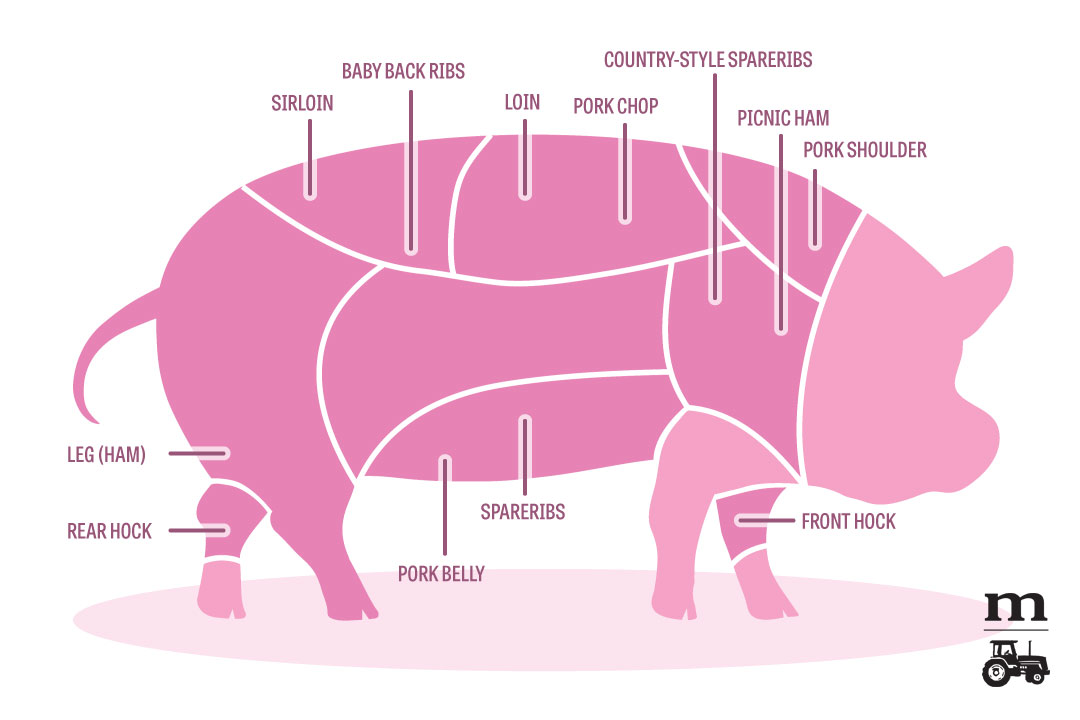
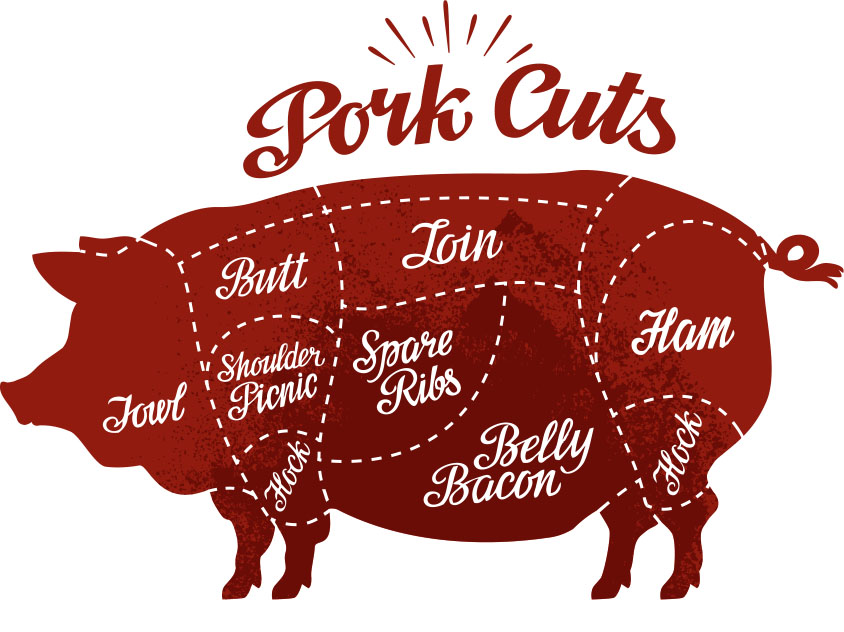
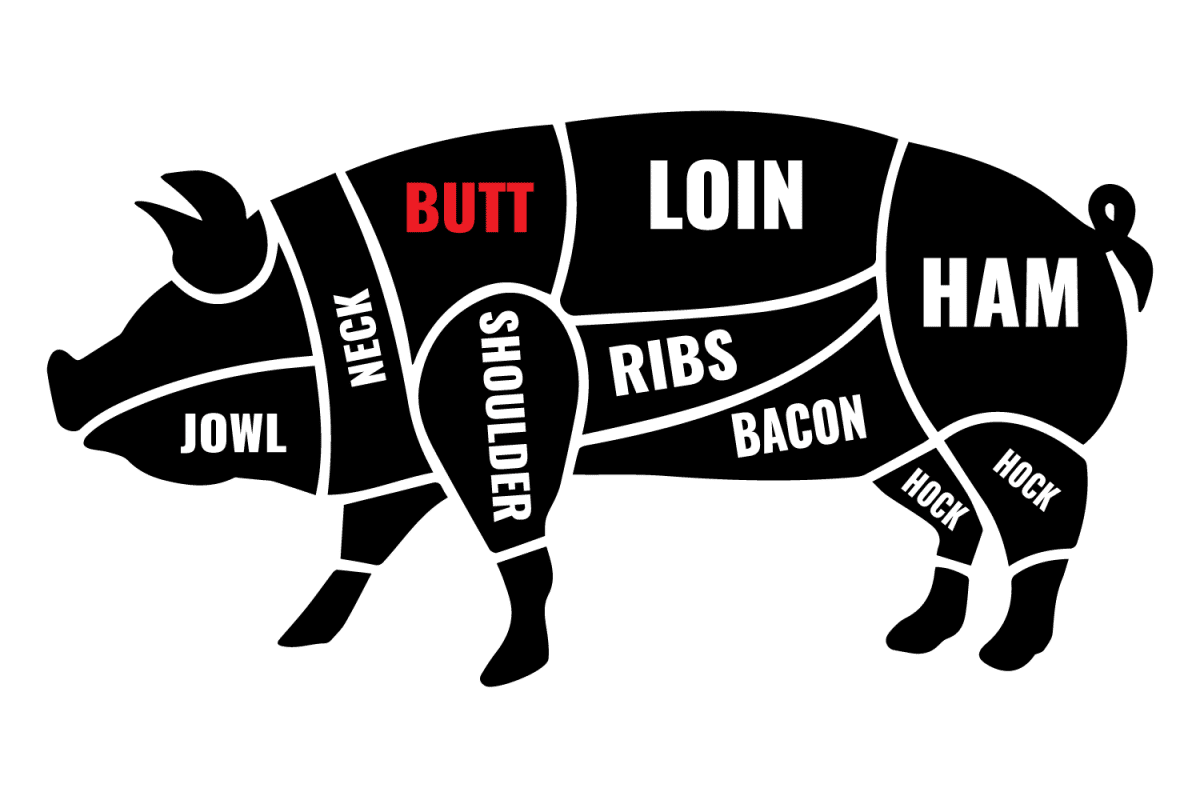
The term “Boston butt” conjures images of either a geographical anomaly or a peculiar cut of meat. For the uninitiated, it’s the latter: a highly prized cut of pork, the upper part of a pig’s front shoulder, commonly used for pulled pork barbecue. Its seemingly incongruous name, however, holds a fascinating story rooted in the history of American food preservation and regional culinary evolution, making it a pivotal piece of any food tourism exploration in the United States.
Unpacking the Name: A Historical Journey
The origin of the name “Boston butt” is not, as many might assume, directly tied to the pig’s rear end, nor is it exclusive to Boston in terms of its culinary application today. Instead, it’s a relic of colonial meatpacking practices and shipping logistics, particularly from the New England region. To truly appreciate this culinary staple, one must delve into its historical context.
Colonial Storage and Shipping Practices
In pre-refrigeration colonial America, preserving meat was a critical challenge. Pork, being a versatile and readily available protein, was a staple. Butchers would typically divide a pig into several primary cuts. The shoulder was often divided further. The upper part of the shoulder, comprising the shoulder blade bone, a good amount of muscle, and some fat, was deemed a less desirable cut than, say, the loin or ham, often destined for grinding or stewing locally.
However, when pork was prepared for shipping, especially to other colonies or abroad, specific methods were employed. Meat packers in Boston and other New England ports would take these shoulder cuts, salt or brine them extensively, and then pack them into wooden barrels, often called “butts.” These barrels were a common unit of measurement and storage for various goods, from wine to flour. Thus, the “pork shoulder packed in a butt” from Boston became known simply as “Boston butt.”
The name stuck, distinguishing this particular cut and its preparation method from other parts of the pig or other regional packing styles. While other areas might have packed pork shoulders, the Boston method, or at least the terminology associated with it, gained traction and eventually became a standardized butcher’s term across the nation, even as the practice of barrel packing largely faded with modern refrigeration. This historical quirk means that when you order a Boston butt today, you are indirectly referencing centuries-old shipping container technology rather than a specific anatomical location on the pig.
The Hog Butcher for the World
While the name may have New England roots, the culinary destiny of the Boston butt largely lies in the American South and Midwest, regions renowned for their pork production and barbecue traditions. Cities like Chicago, once dubbed “the hog butcher for the world,” played a massive role in standardizing cuts and distribution, further cementing terms like “Boston butt” into the national lexicon of butchery. These industrial hubs processed vast quantities of pork, sending cuts across the country, including to the Deep South where barbecue would elevate the humble shoulder to an art form. Understanding this historical progression is key for any food tourist interested in the provenance of American culinary icons.
Geographic Roots and Culinary Traditions
Beyond its nomenclature, the Boston butt’s true home, culinarily speaking, is undeniably the American Barbecue Belt. This region stretches across the Southern United States, where barbecue is not just food; it’s a way of life, a cultural cornerstone, and a major draw for culinary tourism. Here, the Boston butt reigns supreme, particularly in the creation of succulent pulled pork.
The Southern Barbecue Belt
The Southern United States is a mosaic of distinct barbecue styles, each with its own preferred cuts, sauces, and cooking methods. From the vinegar-based sauces of North Carolina to the sweeter, thicker glazes of Kansas City and Memphis, the Boston butt plays a central role in many of these traditions. Its high fat content and marbling make it ideal for the “low and slow” cooking method that defines authentic barbecue, resulting in incredibly tender, flavorful meat that shreds effortlessly.
In regions like the Carolinas, pulled pork from the Boston butt is often served simply, allowing the smoky flavor of the meat and the tang of the sauce to shine. Traveling through these states offers a delicious pilgrimage for foodies, where roadside stands and renowned barbecue joints alike feature this cut prominently. Each stop provides a nuanced understanding of regional differences in preparation and presentation, a rich tapestry of taste for the discerning traveler.
North Carolina’s Whole Hog vs. Boston Butt
While North Carolina is famous for its whole-hog barbecue, where an entire pig is cooked and chopped, the Boston butt is still a celebrated cut within the state’s culinary landscape. In fact, many restaurants and home cooks opt for the Boston butt because it provides a consistent, manageable portion of the most desired meat from the hog for pulling. The shoulders, particularly the butt, are the most forgiving and flavorful cuts for slow smoking.
Visiting North Carolina reveals the delightful dichotomy: experiencing the grand spectacle of a whole hog cookout versus the focused perfection of a Boston butt. Both offer distinct but equally satisfying barbecue experiences, demonstrating the versatility and deep cultural integration of pork in the region. Tourists can immerse themselves in workshops or simply indulge in tastings to discern the subtle differences.
Texas Barbecue and Brisket Dominance
While Texas is overwhelmingly known for its beef brisket, particularly in central Texas barbecue, pork shoulders (Boston butts) still have a place on many pitmasters’ menus. In other parts of Texas, and certainly in home kitchens, pulled pork from Boston butt is a beloved dish. It offers a contrasting texture and flavor profile to the state’s beef-centric offerings, providing a well-rounded barbecue experience for visitors who venture beyond the famous brisket. Exploring Texas barbecue culture means appreciating its diversity, and the Boston butt plays a subtle yet important role in this sprawling culinary landscape.
Boston Butt in Modern Tourism and Food Culture
Today, the Boston butt is far more than just a historical cut; it’s a cornerstone of American food culture and a significant draw for culinary tourism. Its versatility, flavor, and the sheer joy of eating perfectly cooked pulled pork make it an irresistible target for food enthusiasts.
Barbecue Festivals and Competitions
Across the United States, particularly in the South and Midwest, barbecue festivals and competitions are massive events that attract thousands of visitors annually. These gatherings celebrate the art and science of barbecue, with categories often including ribs, chicken, brisket, and, crucially, pork shoulder (Boston butt). Events like the Memphis in May World Championship Barbecue Cooking Contest or the American Royal World Series of Barbecue in Kansas City feature teams meticulously preparing Boston butts for discerning judges.
For tourists, these festivals offer an unparalleled opportunity to sample diverse barbecue styles, learn from master pitmasters, and experience the vibrant community spirit surrounding this beloved food. It’s a hands-on immersion into the heart of barbecue culture, where the Boston butt is often the star. Attending one of these events is an essential experience for anyone exploring American food tourism.
The Pitmaster’s Craft
The preparation of a Boston butt for barbecue is a revered craft. Pitmasters dedicate years to perfecting their techniques, from choosing the right cut and developing unique spice rubs to mastering temperature control and smoke infusion. The “low and slow” method, typically involving cooking for many hours at low temperatures over indirect heat and wood smoke (often hickory, oak, or fruitwoods), transforms the tough shoulder into tender, juicy pulled pork.
This dedication to craft elevates the Boston butt from a simple cut of meat to a culinary masterpiece. For tourists, visiting renowned barbecue joints offers a chance to witness this craft firsthand, perhaps even getting a peek into the smokehouse. Learning about the different woods, rubs, and cooking times adds depth to the dining experience, transforming a meal into a cultural lesson. The pitmaster, in many ways, is a culinary ambassador, sharing the regional heritage through each perfectly smoked Boston butt.
A Staple of American Comfort Food Tourism
Beyond festivals and competitions, pulled pork from a Boston butt is a quintessential American comfort food. It’s found in diners, upscale restaurants, food trucks, and countless backyard barbecues across the country. Its versatility allows it to be served in sandwiches, on plates with classic sides like coleslaw and mac and cheese, or as a component in more innovative dishes.
For visitors exploring American cuisine, seeking out authentic pulled pork is a must-do. It’s a dish that tells a story of perseverance, ingenuity, and community. From a quick lunch at a local joint in Charleston to a family dinner in St. Louis, the Boston butt connects diners to a rich culinary heritage, making it an indispensable part of any comfort food tourism itinerary.
Preparing the Perfect Boston Butt: A Tourist’s Guide
For those inspired by their culinary travels and eager to recreate the magic at home, understanding the basics of preparing a Boston butt is a rewarding endeavor. While the pitmaster’s touch is honed over years, the fundamental principles are accessible.
Key Ingredients and Rubs
A great Boston butt starts with the meat itself – look for good marbling. The next crucial step is the rub. A dry rub typically consists of salt, pepper, paprika, brown sugar, garlic powder, onion powder, and often a touch of cayenne or chili powder for heat. Regional variations are endless, and part of the fun of food tourism is collecting different rub recipes. Some rubs lean heavily on black pepper, others on sugar for a caramelized bark, and many incorporate specific regional spices.
After applying the rub generously, many pitmasters recommend letting the seasoned butt sit in the refrigerator for several hours, or even overnight, to allow the flavors to penetrate the meat. This initial preparation sets the stage for a flavorful final product, inviting the culinary explorer to experiment and personalize.
Low and Slow Cooking Techniques
The mantra for Boston butt is “low and slow.” This typically means cooking at temperatures between 225°F and 275°F (107°C to 135°C) for many hours, sometimes 10-16 hours or even longer, depending on the size of the butt and the desired tenderness. The goal is to break down the tough connective tissues in the shoulder, rendering the meat incredibly tender and easy to pull.
Using a smoker or a grill with indirect heat and wood chunks or chips (hickory and applewood are popular choices) imparts the signature smoky flavor. Maintaining a consistent temperature is critical. Many pitmasters also employ a “foil crutch” or “Texas crutch” mid-cook, wrapping the butt tightly in foil to push through the “stall” (a period where the internal temperature plateaus) and retain moisture. The internal temperature to aim for is typically around 200°F to 205°F (93°C to 96°C) for perfect pull-apart tenderness.
Serving Suggestions and Regional Variations
Once cooked, the Boston butt is allowed to rest, then “pulled” or shredded using forks or meat claws. The bark (the flavorful, crusty exterior) is chopped and mixed with the tender interior meat. Serving suggestions vary regionally. In North Carolina, it’s often dressed with a thin, vinegar-based sauce. In Memphis, a sweeter, tomato-based sauce is common. Kansas City often features a thicker, molasses-sweet sauce. Some prefer it plain, allowing the smoky meat to speak for itself.
Common sides include coleslaw, potato salad, macaroni and cheese, baked beans, and cornbread. For the adventurous food tourist, experiencing these regional pairings is as important as tasting the pulled pork itself, offering a holistic view of the local food culture and cementing the Boston butt’s place as a truly iconic American dish.
LifeOutOfTheBox is a participant in the Amazon Services LLC Associates Program, an affiliate advertising program designed to provide a means for sites to earn advertising fees by advertising and linking to Amazon.com. Amazon, the Amazon logo, AmazonSupply, and the AmazonSupply logo are trademarks of Amazon.com, Inc. or its affiliates. As an Amazon Associate we earn affiliate commissions from qualifying purchases.